Skip to content

Recent Posts

  • Dog Breeds That Might Not Match Every Lifestyle
  • When a Dog and Kitten Form an Unbreakable Bond That Survives Separation
  • Could Cuddling Your Cat When Stressed Actually Make You Feel Worse?
  • Millions of Pet Owners Unknowingly Risk Dangerous Infections Through Raw Feeding Trends
  • Tiny Kitten Waited Under A Car For The Officer Who Tried To Save Him

Most Used Categories

  • Nature & Wildlife (311)
  • Risk (46)
  • Human Interest (21)
  • Hunting (17)
  • Survival (15)
  • Bees/Swarms fear (13)
  • Exotic Animals (10)
  • Suspense (6)
  • Adventure (3)
  • Gears (2)
Skip to content
  • About Us
  • Contact Us
  • Disclaimer
  • Privacy Policy
  • Terms & Conditions

Hive Hunters Tales

  • Suspense
  • Nature & Wildlife
  • Human Interest
  • Hunting
  • Bees/Swarms fear
  • Exotic Animals
  • Risk
  • Survival
  • Adventure
  • Gears
  • Home
  • Nature & Wildlife
  • How to Stop Your Cat From Damaging Your Home
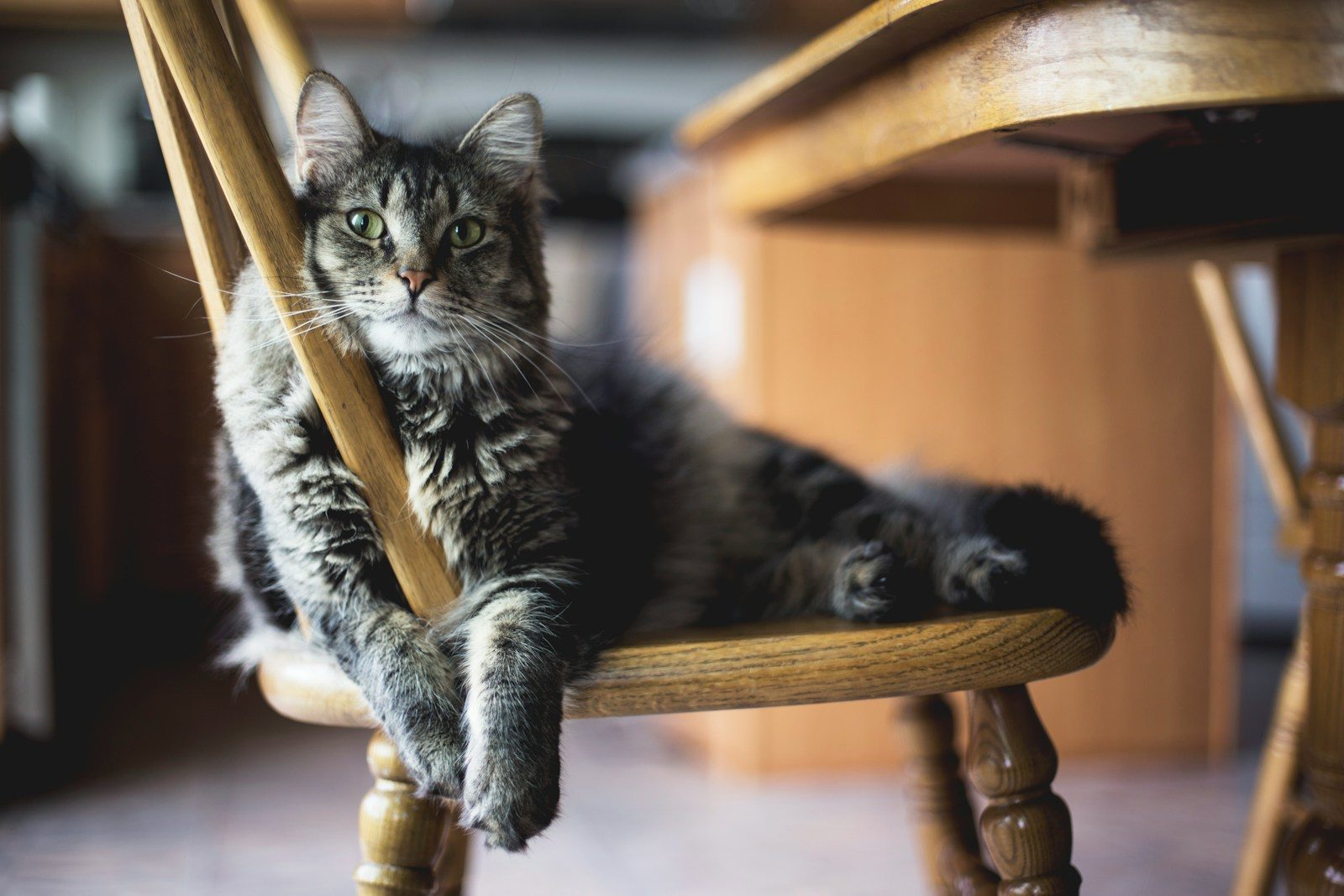
brown tabby cat on wooden windsor chair

How to Stop Your Cat From Damaging Your Home

JakeJune 19, 2026June 19, 2026

Cats are naturally curious, energetic, and territorial animals, which can sometimes lead to unwanted destructive behavior inside the house Domestic Cat. Scratching furniture, knocking items over, or chewing household objects are common issues many cat owners face.

Understanding why cats behave this way is the first step toward managing it effectively. With the right training, environment, and care, most destructive habits can be reduced or redirected.

Understanding Why Cats Scratch and Damage Furniture
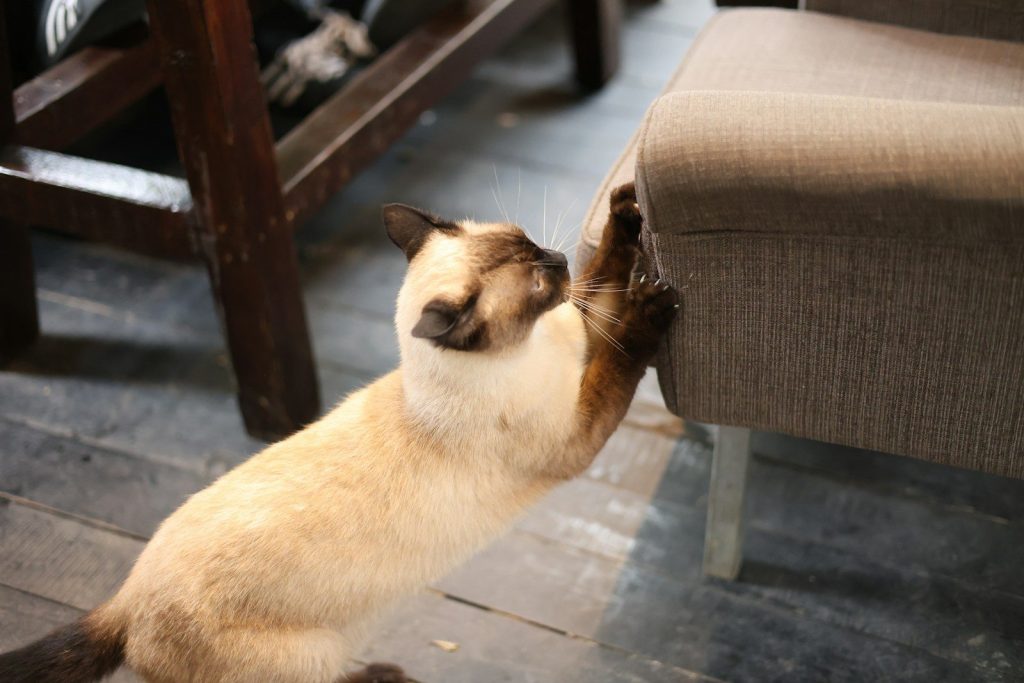
Siamese cat scratching a chair leg
Photo by Thức Trần on Unsplash

Scratching is a natural instinct for cats and helps them mark territory, stretch muscles, and maintain claw health Domestic Cat. It is not a behavior that can be fully stopped, but it can be redirected.

Providing appropriate scratching posts and surfaces gives cats a healthy outlet for this instinct. Without alternatives, they often turn to sofas, carpets, or walls.

Providing Proper Scratching Alternatives
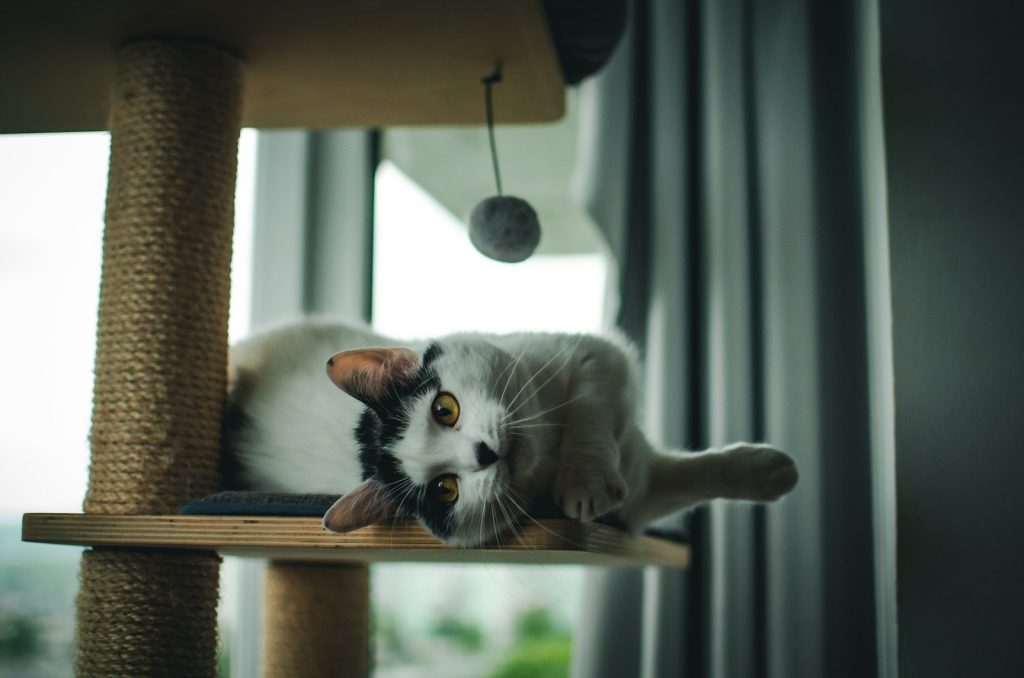
a black and white cat laying on top of a cat tree
Photo by Sandra-Beatrice Molnar on Unsplash

One of the most effective ways to prevent damage is to offer dedicated scratching posts or boards. Cats are more likely to use these if they are placed in areas where they already scratch.

Different textures such as sisal, cardboard, or carpet can help identify your cat’s preference. Placement near resting or play areas increases the chances of consistent use.

Using Positive Reinforcement for Better Behavior
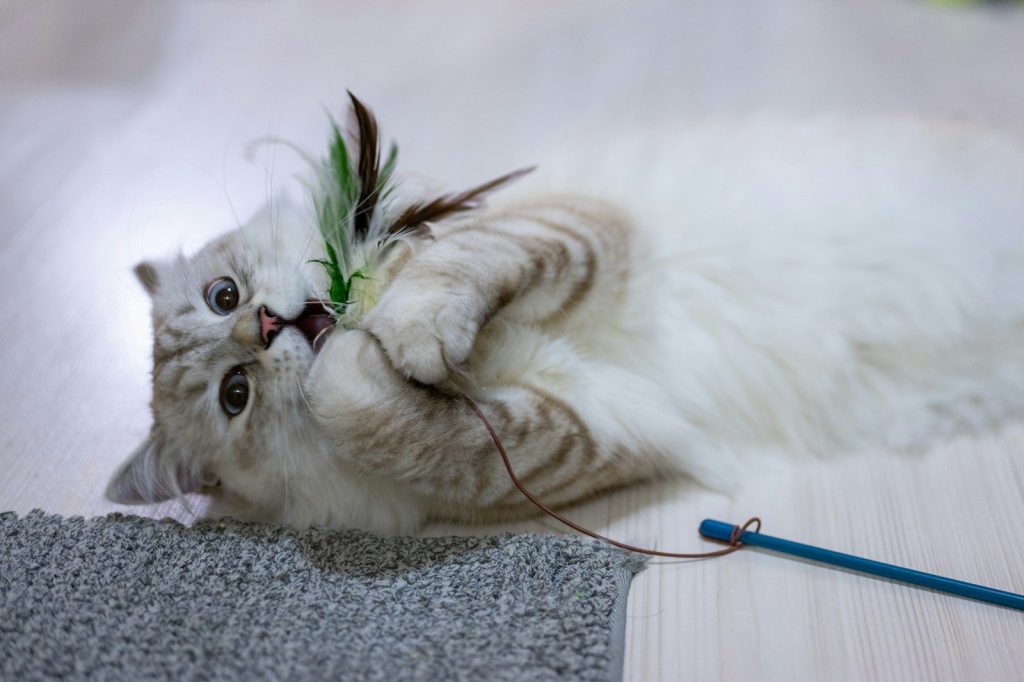
a cat playing with a toy on the floor
Photo by Piotr Musioł on Unsplash

Reward based training is highly effective in shaping a cat’s behavior over time Domestic Cat. Treats, praise, or gentle affection can reinforce good habits like using scratching posts.

Punishment is generally ineffective and can increase stress or fear. Instead, redirecting behavior and rewarding success creates better long term results.

Keeping Your Cat Mentally and Physically Engaged
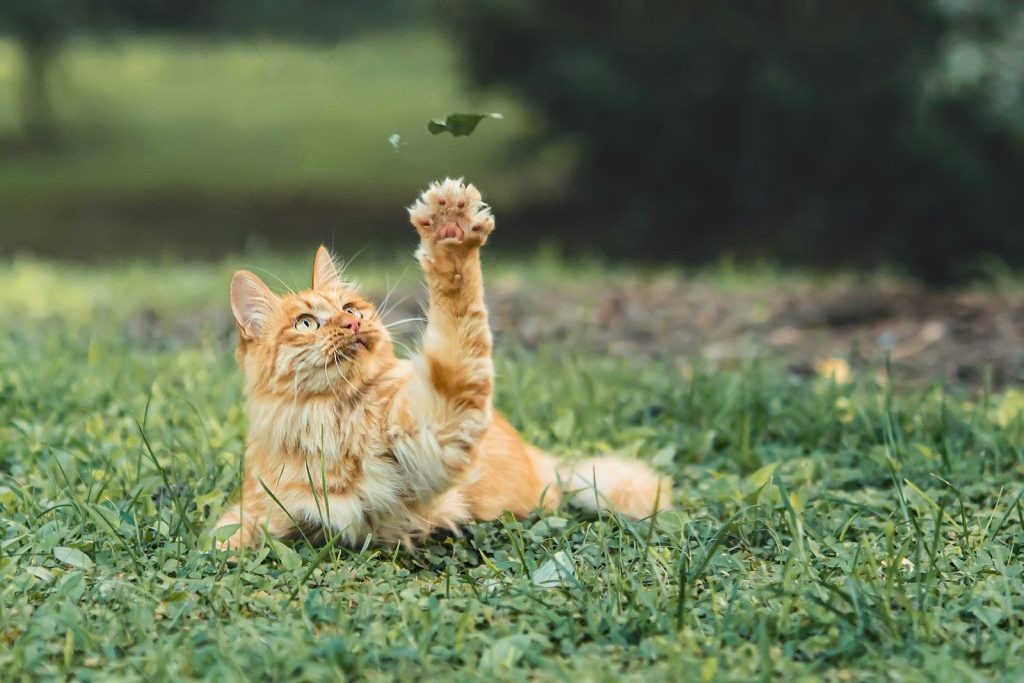
orange tabby cat lying on green grass field during daytime
Photo by zhang kaiyv on Unsplash

Boredom is a major cause of destructive behavior in indoor cats. Regular play sessions help release energy and reduce stress related scratching or chewing.

Interactive toys, climbing structures, and daily attention can significantly improve behavior. A stimulated cat is less likely to damage household items.

Protecting Furniture and Sensitive Areas
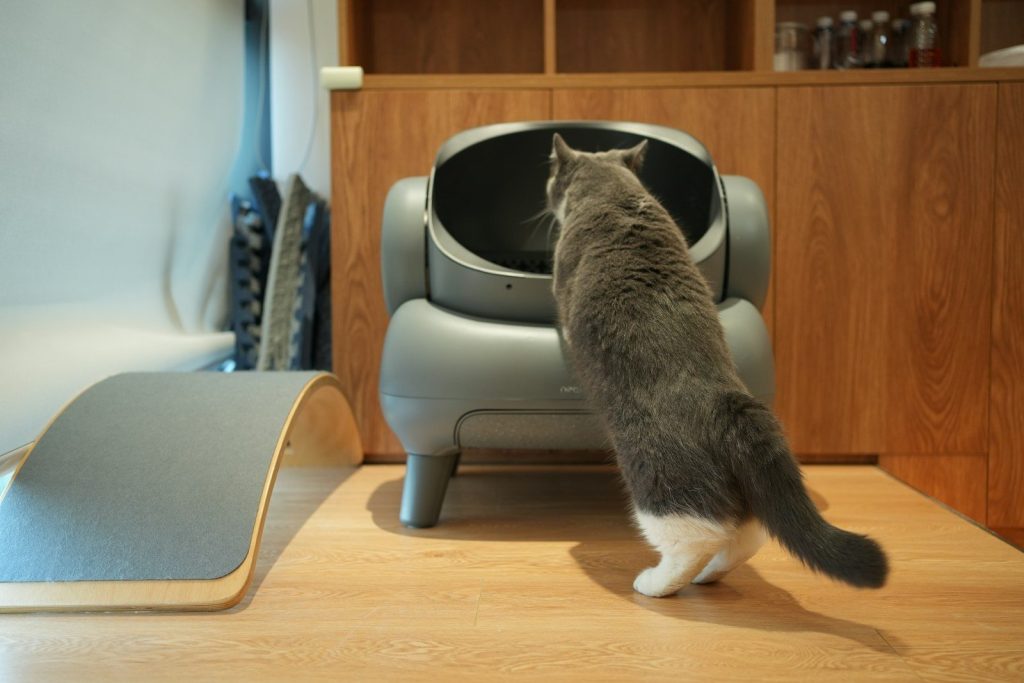
A cat standing on a table looking at a television
Photo by Neakasa on Unsplash

Physical deterrents such as covers, double sided tape, or safe sprays can discourage cats from scratching furniture. These methods work best when combined with proper alternatives.

Over time, cats learn to avoid unpleasant textures and shift toward acceptable scratching surfaces. Consistency is important for long term success.

Maintaining a Calm and Stable Environment
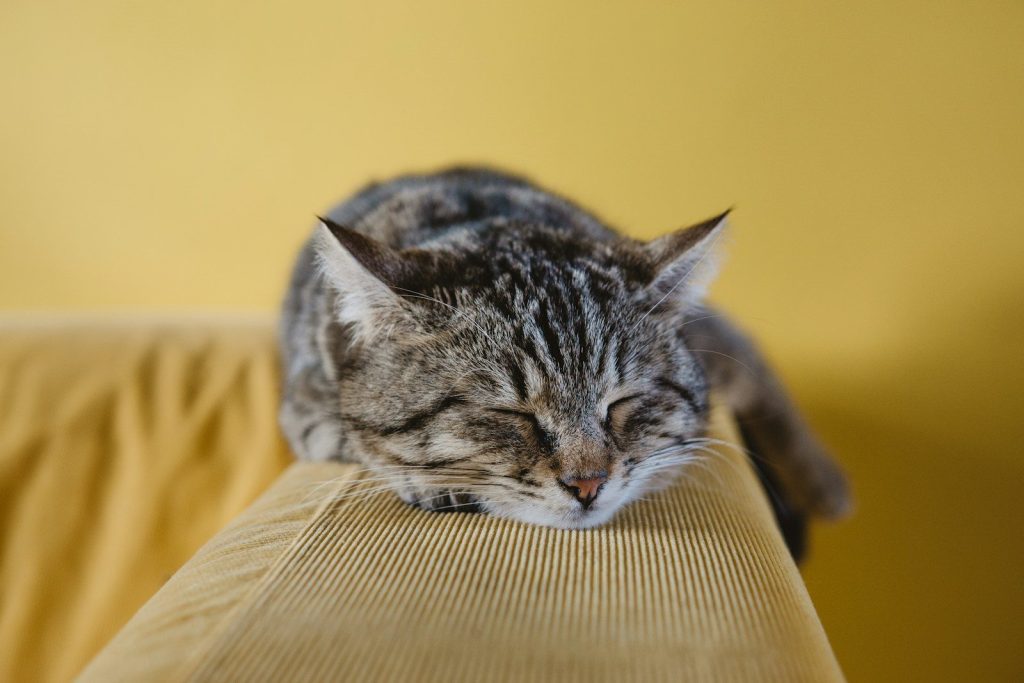
shallow focus photography of brown tabby kitten on couch
Photo by Sabri Tuzcu on Unsplash

Stress and changes in routine can lead to increased destructive behavior in cats. Providing a predictable environment helps reduce anxiety driven actions.

Quiet spaces, hiding spots, and consistent feeding routines contribute to emotional stability. A relaxed cat is less likely to engage in unwanted behavior.

Post navigation

Previous: Loyal Dog Breeds Known for Devotion and Strong Companionship
Next: Helpful Strategies to Prevent Injuries While Walking Your Dog

Related Posts

Dalmatian dog standing on a rock in a scenic outdoor setting in Slovakia.

Dog Breeds That Might Not Match Every Lifestyle

June 21, 2026June 21, 2026 Jake
white dog and gray cat hugging each other on grass

When a Dog and Kitten Form an Unbreakable Bond That Survives Separation

June 21, 2026June 21, 2026 Jake
woman lying beside two kittens

Could Cuddling Your Cat When Stressed Actually Make You Feel Worse?

June 21, 2026June 21, 2026 Jake

Leave a Reply Cancel reply

Your email address will not be published. Required fields are marked *

Recent Posts

  • Dog Breeds That Might Not Match Every Lifestyle
  • When a Dog and Kitten Form an Unbreakable Bond That Survives Separation
  • Could Cuddling Your Cat When Stressed Actually Make You Feel Worse?
  • Millions of Pet Owners Unknowingly Risk Dangerous Infections Through Raw Feeding Trends
  • Tiny Kitten Waited Under A Car For The Officer Who Tried To Save Him
Copyright All Rights Reserved | Theme: BlockWP by Candid Themes.