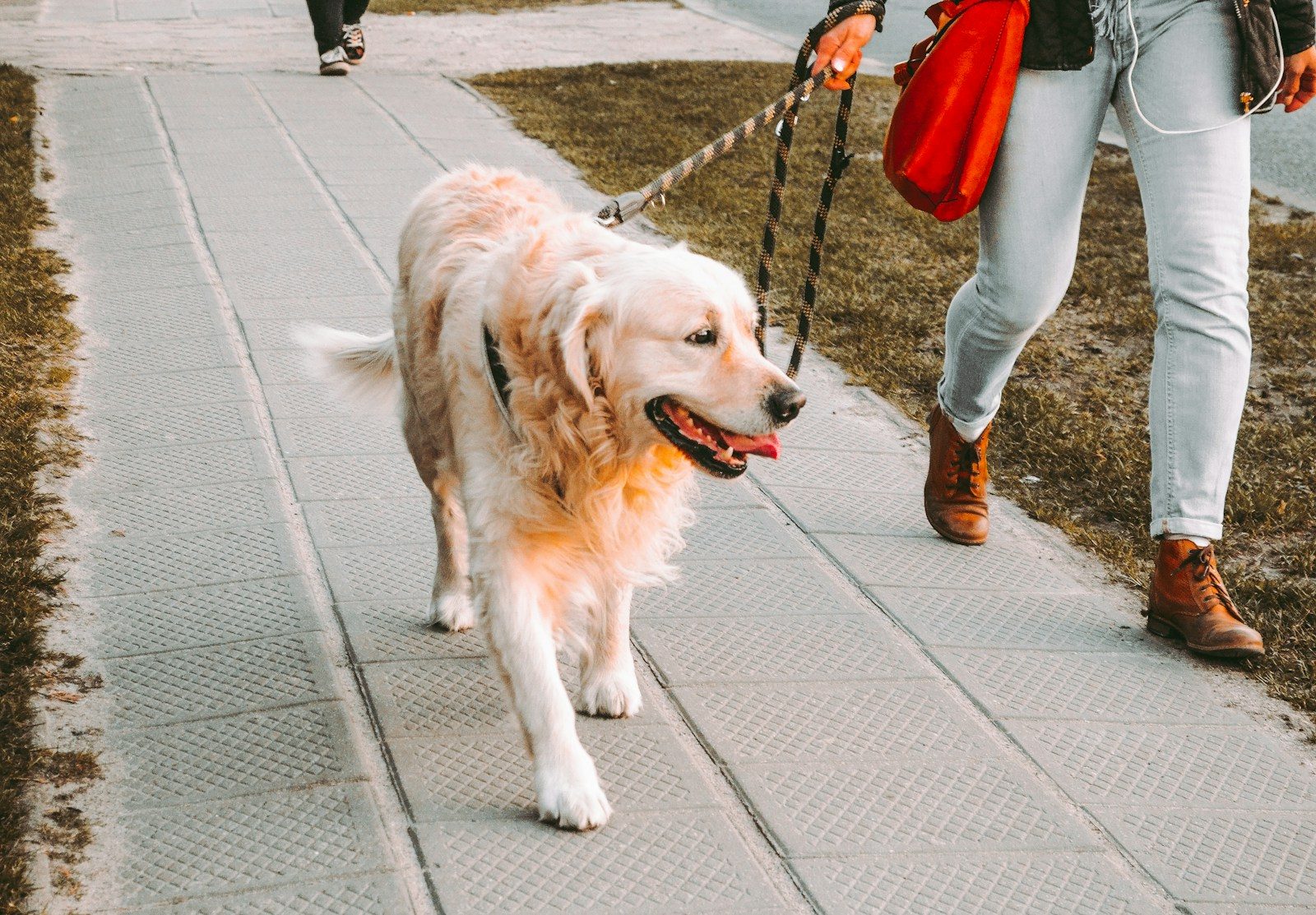
Dog walking is a daily routine for many pet owners, but it can sometimes lead to unexpected injuries if proper precautions are not taken Dog. Slips, pulls, and sudden movements from pets can cause strain or accidents for both the owner and the animal.
By understanding common risks and applying simple safety habits, dog walks can become safer and more enjoyable. Small adjustments in equipment, technique, and awareness make a big difference.
Choosing the Right Leash and Harness
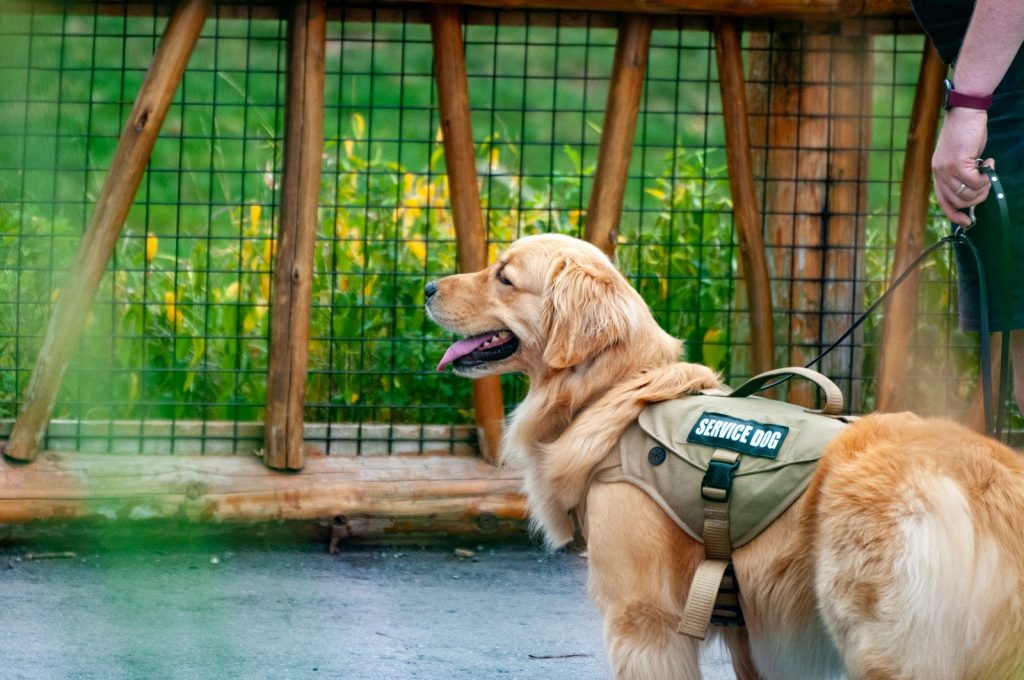
Using proper walking gear is one of the most effective ways to prevent injuries during walks Dog. A well fitted harness distributes pressure more evenly compared to a collar alone.
Strong leashes with comfortable grips also reduce the risk of hand strain or slipping. Adjustable equipment helps maintain control in different walking environments.
Maintaining Proper Walking Posture
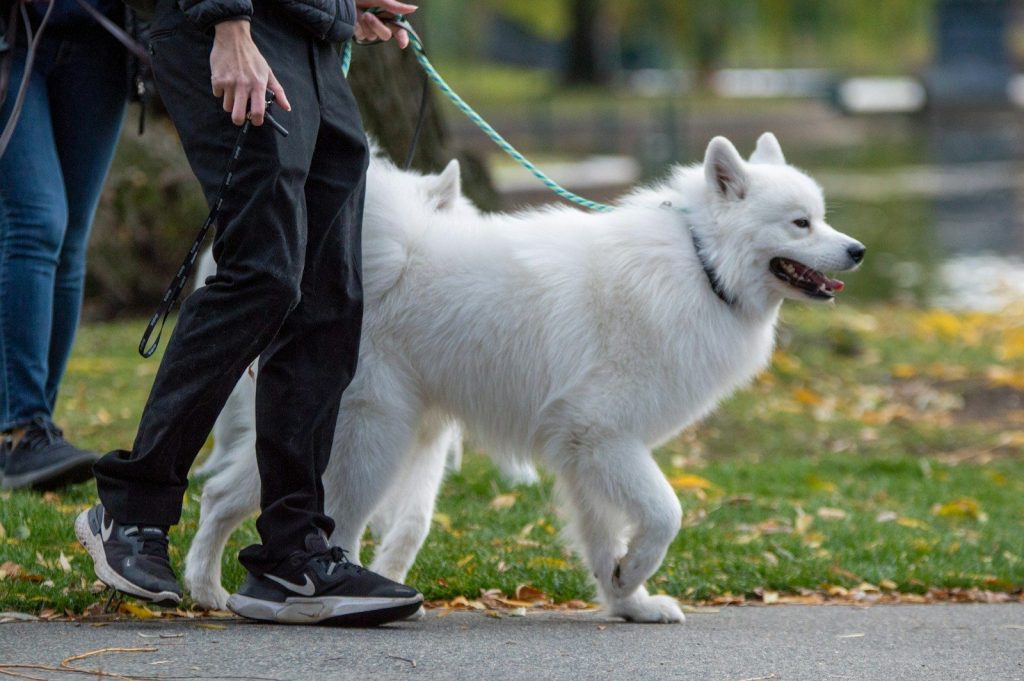
Good posture while walking your dog can help prevent back, shoulder, and wrist injuries. Keeping a relaxed but firm grip on the leash reduces sudden strain.
Walking upright instead of leaning forward improves balance and stability. This becomes especially important when dogs suddenly pull or change direction.
Training Your Dog to Walk Calmly
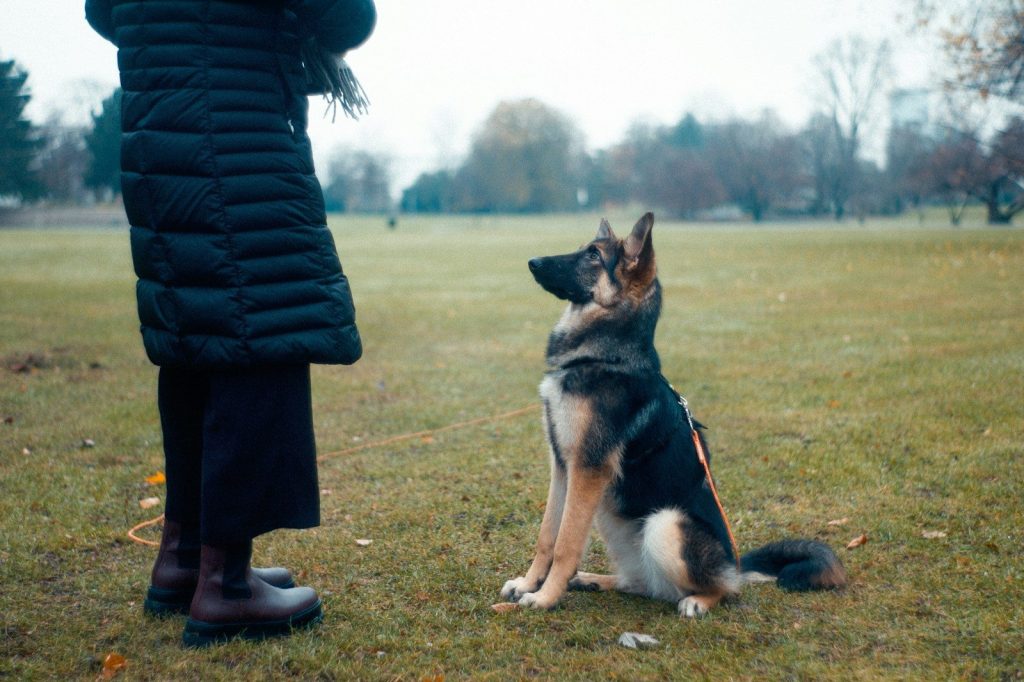
Basic leash training plays a major role in preventing accidents and injuries Dog. Teaching your dog to walk beside you reduces pulling and unpredictable movements.
Positive reinforcement such as treats and praise helps reinforce calm walking behavior. Consistency during training leads to long term improvement.
Staying Aware of Surroundings During Walks
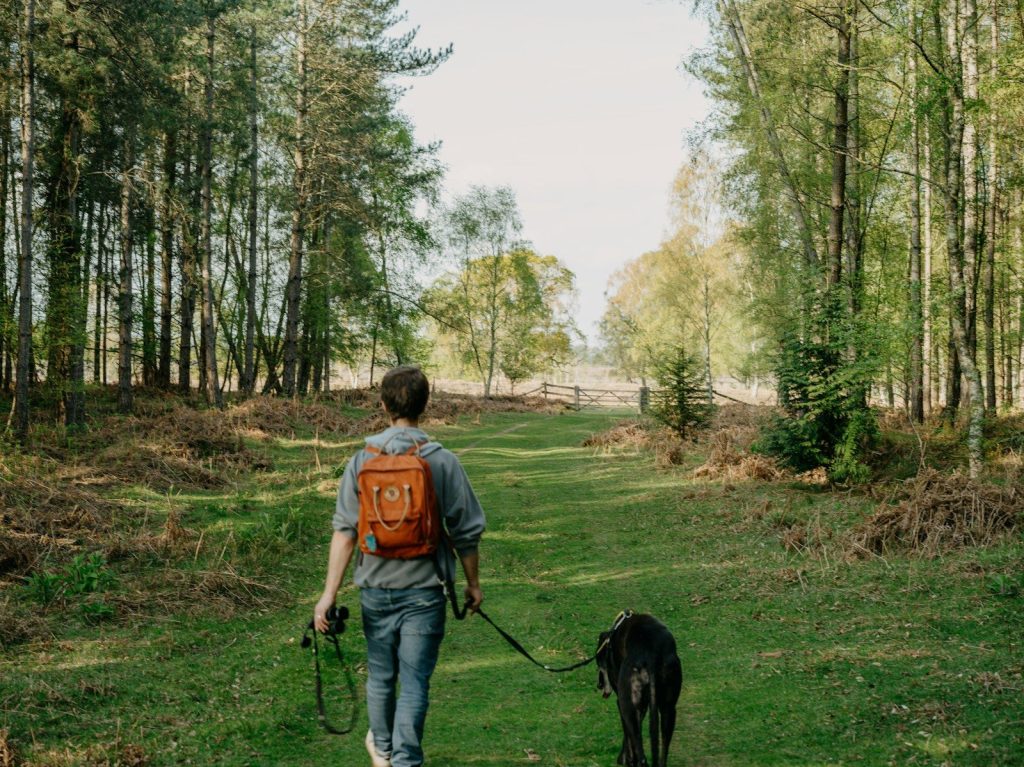
Being alert during walks helps prevent trips, collisions, and sudden reactions from your dog. Busy streets, uneven paths, and other animals can all create risks.
Avoiding distractions like phones allows you to respond quickly to your dog’s movements. Awareness is key to maintaining safety in unpredictable environments.
Warming Up Before Longer Walks
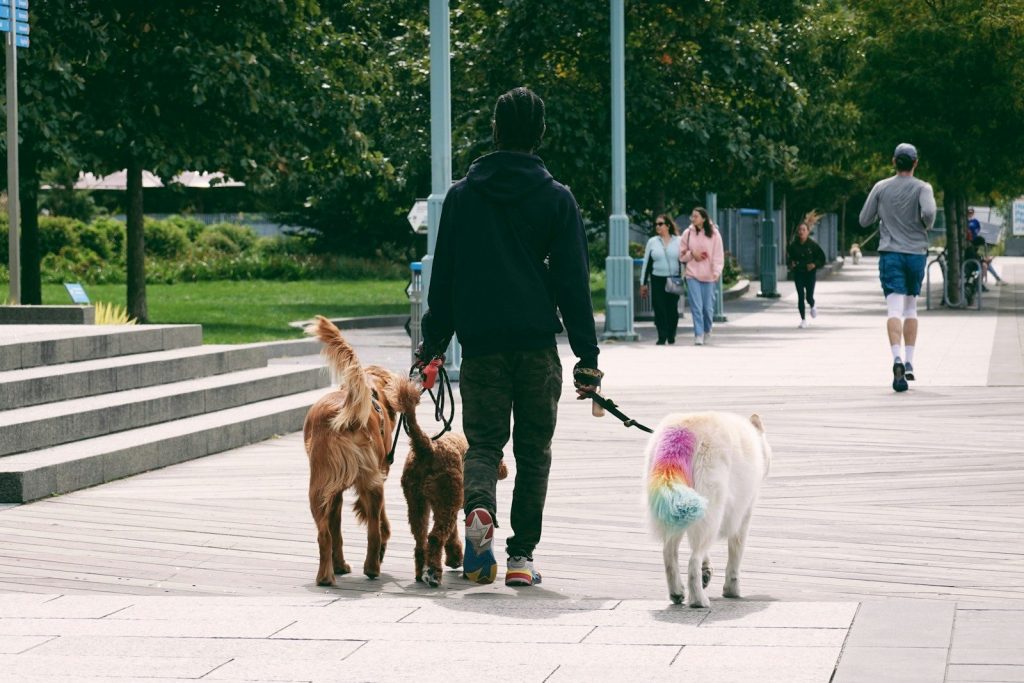
Just like humans, dogs benefit from a gradual warm up before extended physical activity Dog. Starting with a slower pace helps reduce muscle strain.
Short warm up walks prepare both the dog and owner for more active movement. This can help prevent sudden injuries from overexertion.
Choosing Safe Walking Surfaces
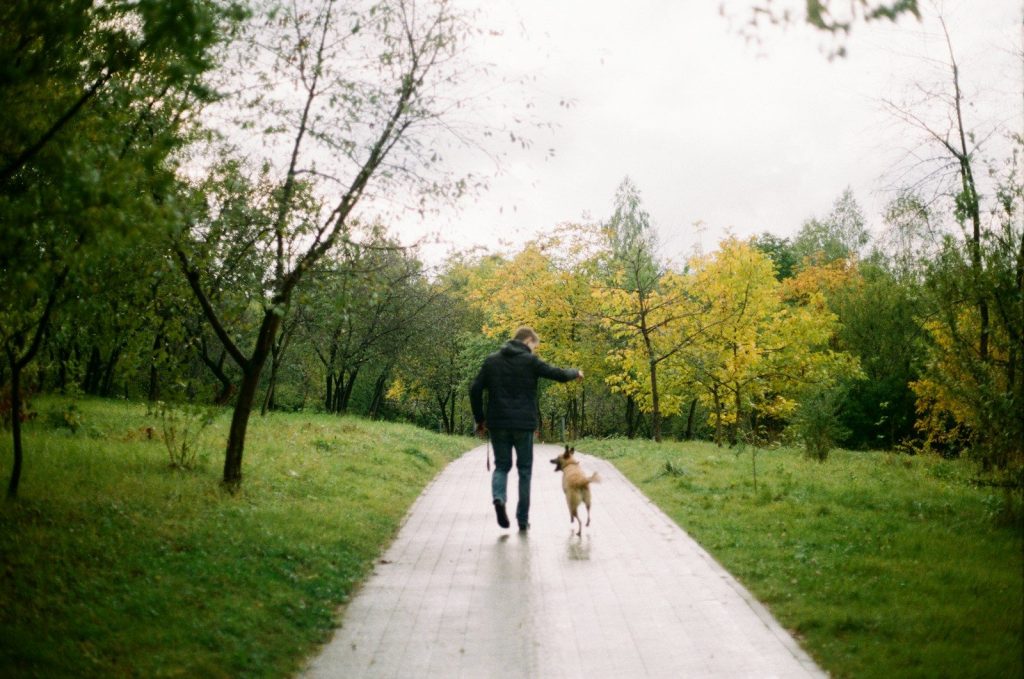
The type of surface you walk on can influence injury risk for both you and your dog. Smooth, even paths are generally safer than rough or slippery terrain.
Avoiding areas with sharp objects, broken glass, or extreme heat protects paws and reduces accident chances. Careful route selection improves overall safety.