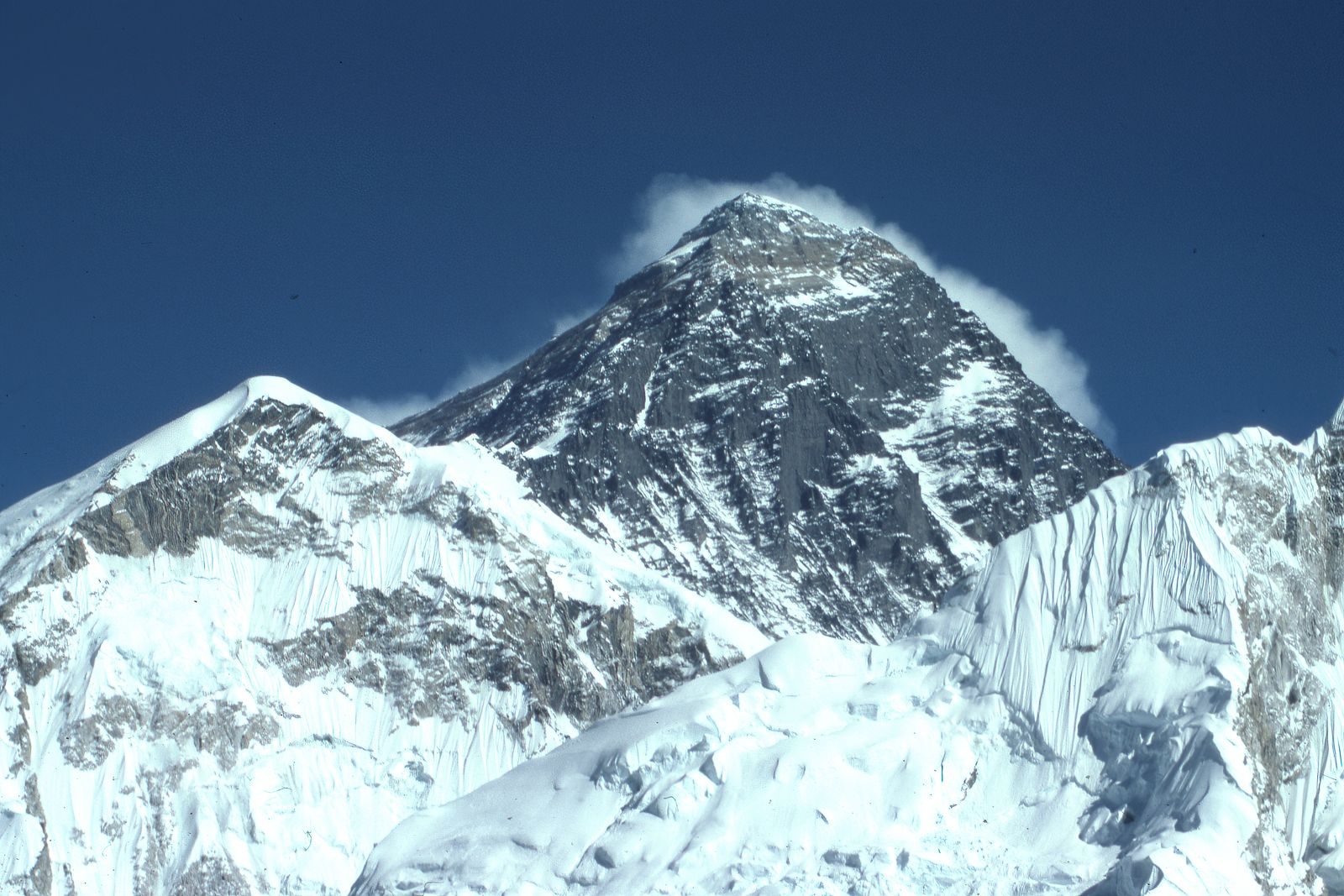
On May 8, 1978, Reinhold Messner and Peter Habeler became the first people confirmed to reach Mount Everest’s summit without bottled oxygen. Many experts had believed the attempt could cause permanent brain damage.
Their bodies did not suddenly collapse at the summit. Instead, every system worked under severe oxygen shortage, exhaustion, cold, dehydration, and declining judgment while the climbers hurried to descend.
The 1978 Challenge
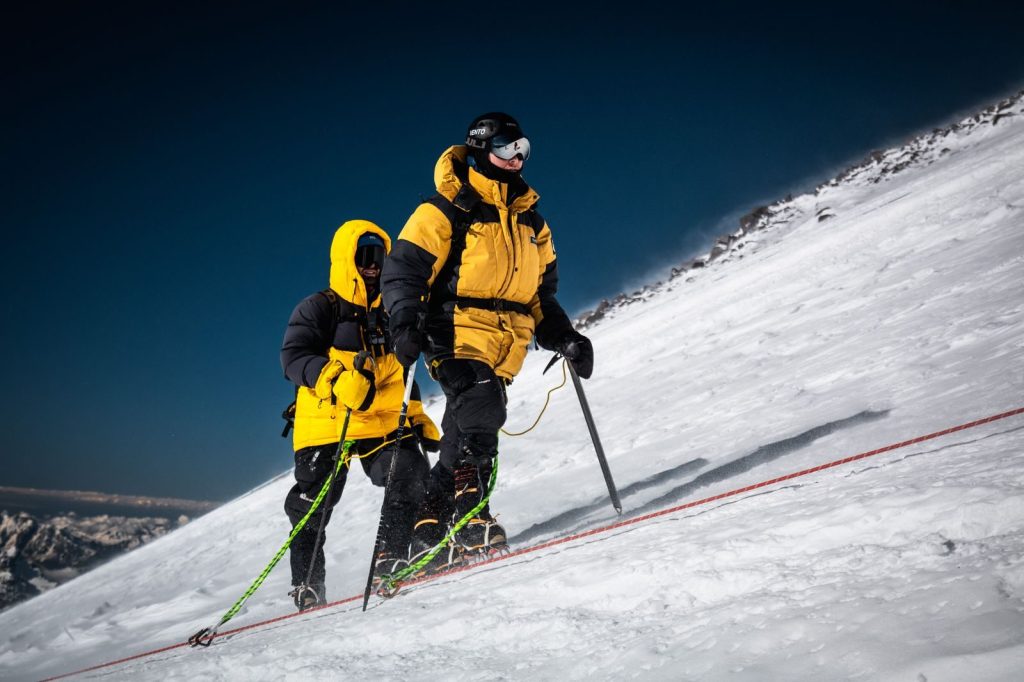
Messner and Habeler entered territory no climber had successfully crossed without supplemental oxygen. Physicians warned that the human brain might not function properly at Everest’s height. The pair nevertheless believed careful acclimatisation, speed, experience, and a willingness to turn back could make the climb possible.
Entering the Death Zone
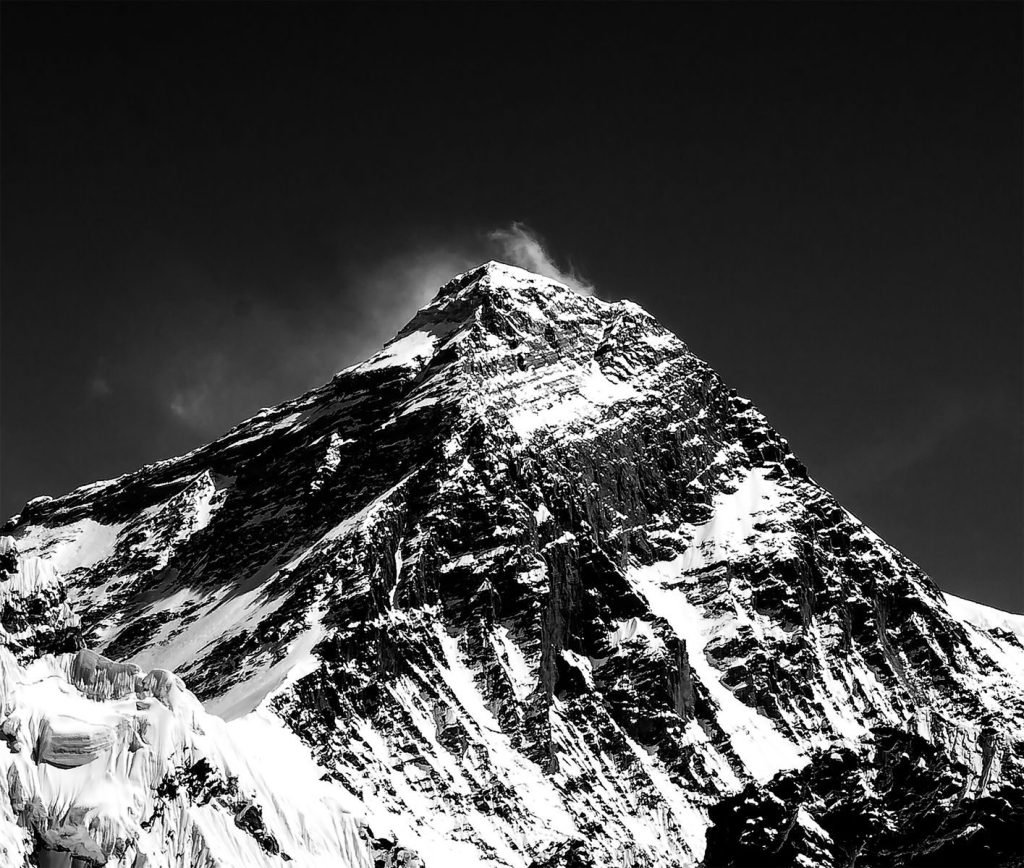
The region above approximately 8,000 metres is called the death zone because the body cannot fully adapt to its oxygen level. Climbers gradually weaken while remaining there, making eating, sleeping, decision-making, and simple movement increasingly difficult. Rescue is also extremely limited at such heights.
Every Breath Delivered Less
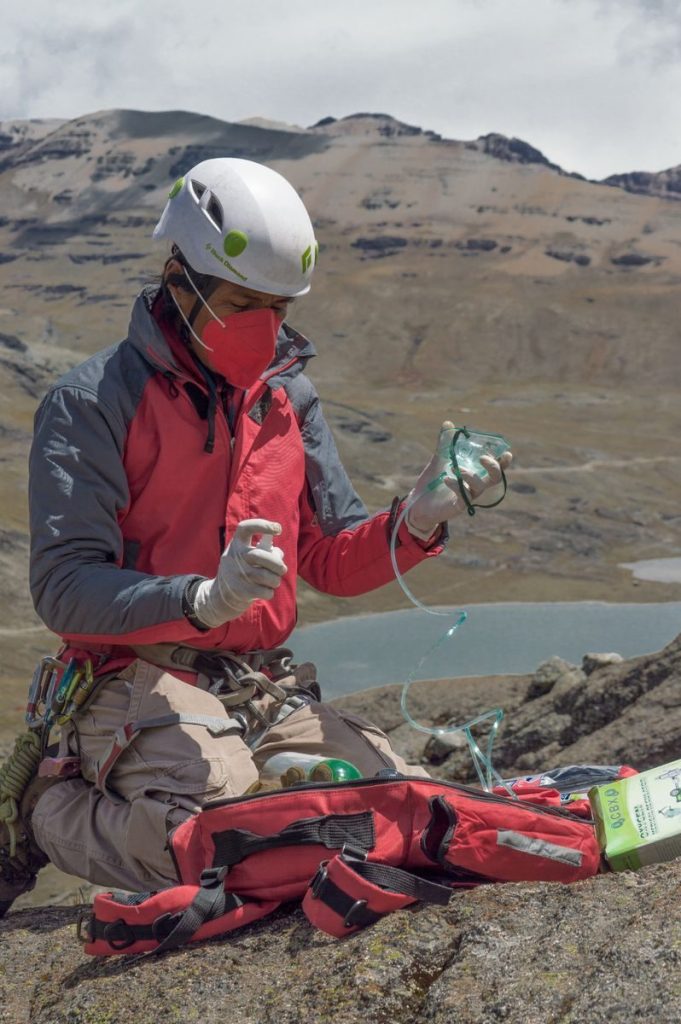
Air still contains roughly the same percentage of oxygen, but falling atmospheric pressure means each breath provides far fewer oxygen molecules. Near Everest’s summit, arterial oxygen pressure can reach levels that would normally leave a person unconscious at sea level.
Acclimatisation Bought Time
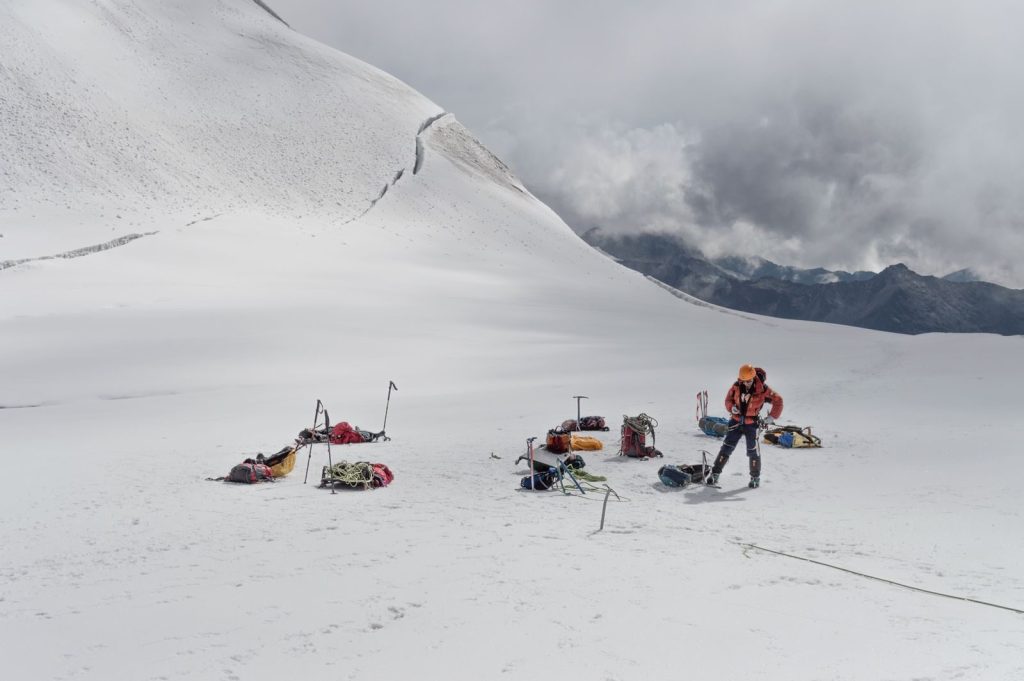
Weeks at increasing elevations allowed the climbers to breathe faster and produce more red blood cells. Their hearts and lungs worked harder to deliver oxygen. Acclimatisation could not make the summit safe, but it helped them continue functioning briefly in conditions that cannot support permanent human life.
Movement Became Exhausting

Near the summit, every step required intense effort and repeated pauses. Habeler later described feeling as though he was suffocating. Low oxygen reduced the energy available to muscles, while cold, dehydration, and accumulated fatigue made coordination harder during both the climb and descent.
The Summit Was Brief
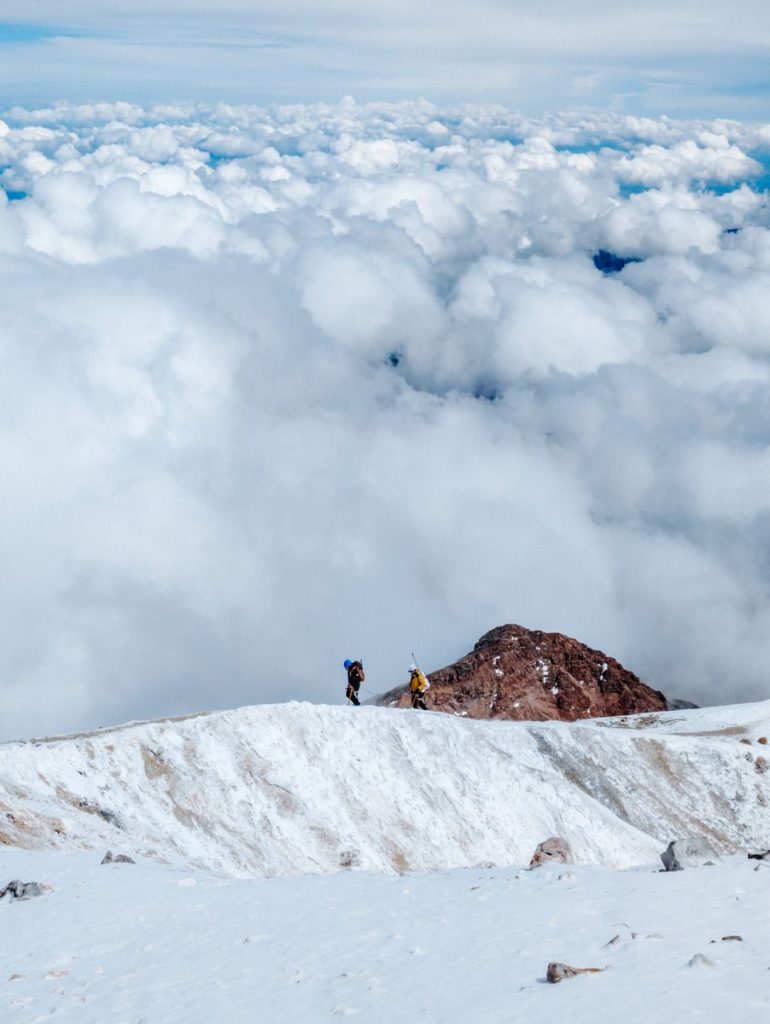
The climbers reached the summit shortly after 1 p.m. They did not remain long because reaching the highest point completed only half the journey. Habeler reportedly wanted to descend immediately as his breathing and physical condition continued to deteriorate.
The Descent Stayed Dangerous
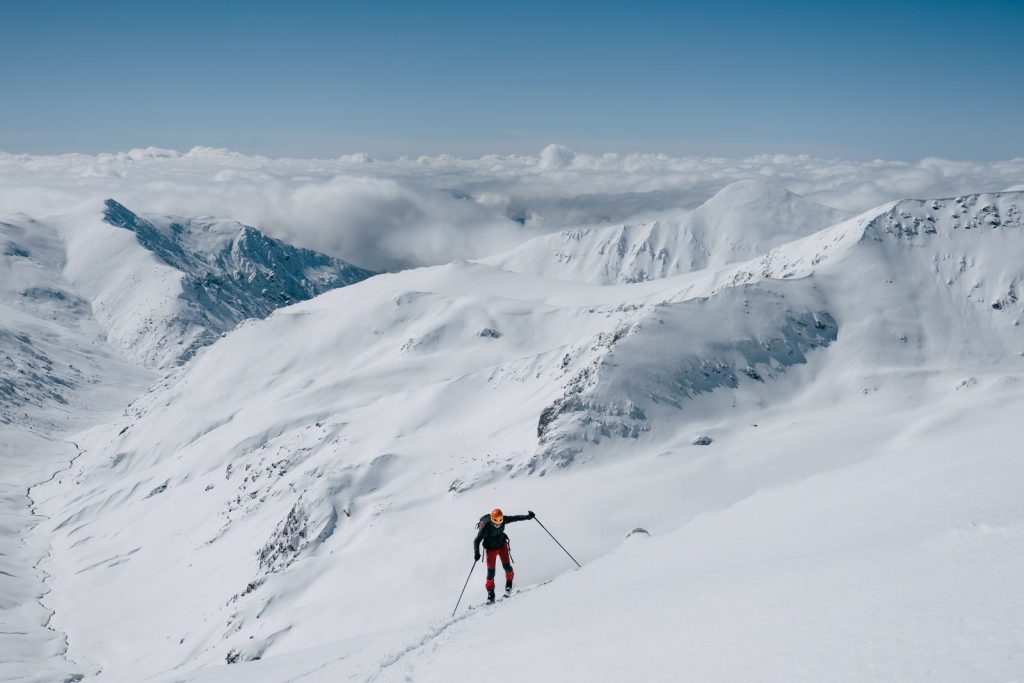
Habeler slid down part of the route to lose elevation quickly and reportedly triggered a small snow slab before twisting his ankle. Exhausted climbers face considerable danger while descending because concentration, balance, and judgment may worsen even after the summit has been reached.
The Climb Changed Science
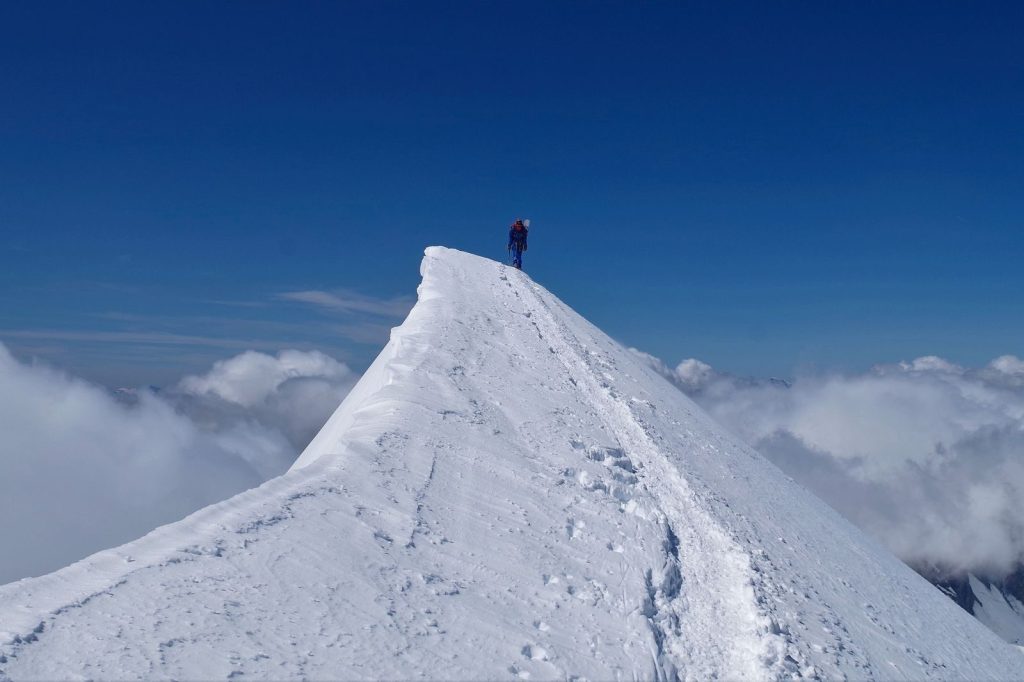
Their success proved that a highly acclimatised person could perform physical work at Everest’s summit without bottled oxygen. Later research still described the achievement as being close to the limit of human tolerance rather than evidence that extreme altitude is harmless.
Featured Image: Photo by Dick Hoskins on Pexels