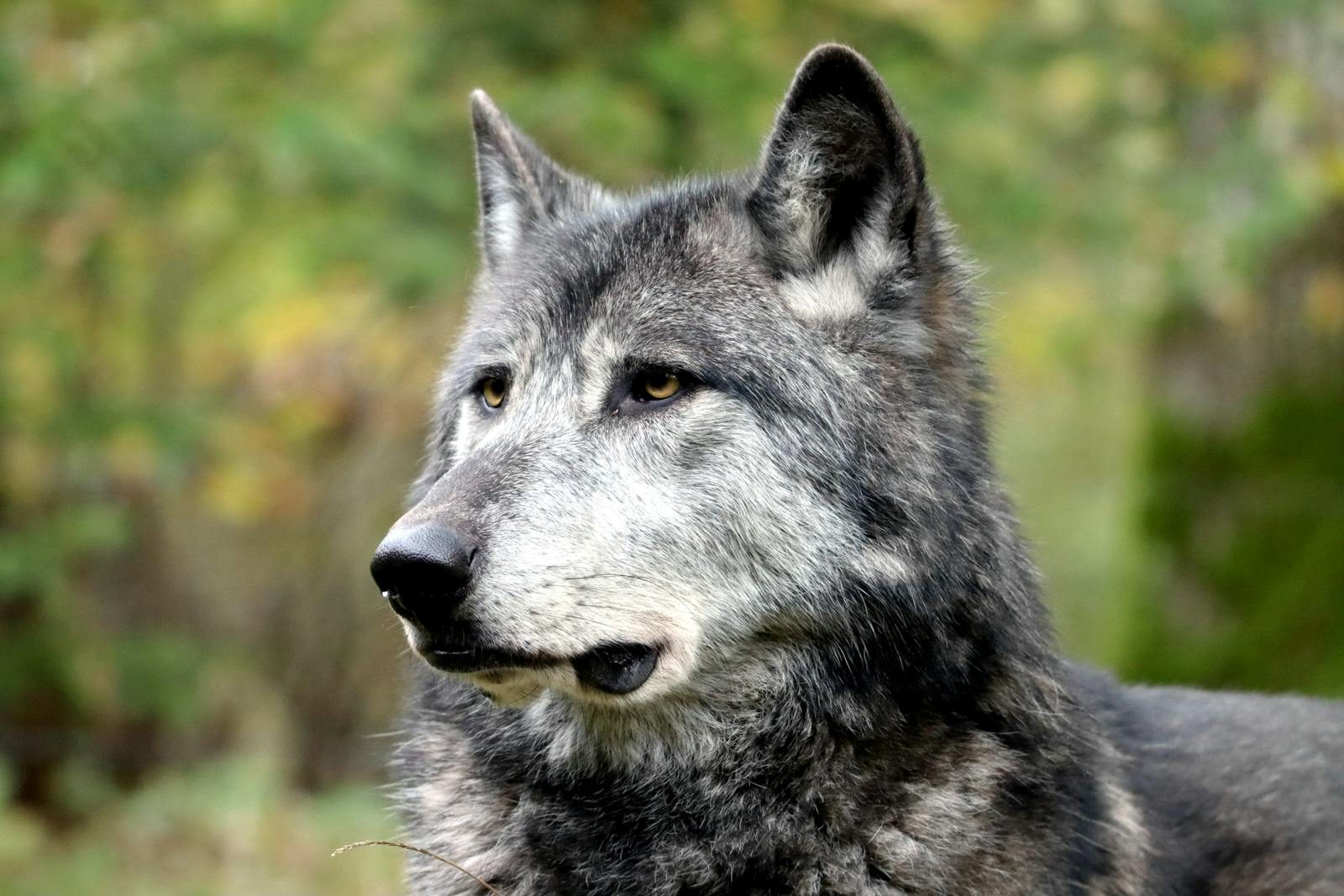
A lone gray wolf is making history in California after becoming the first wild wolf seen in Sequoia National Park in more than a century. Wildlife officials say the female wolf, known as BEY03F, recently traveled through Kern County before entering the remote eastern section of the park near Mount Pickering.
The remarkable journey highlights the slow but significant return of gray wolves to parts of their historic range in California.
A Wolf’s Incredible Journey
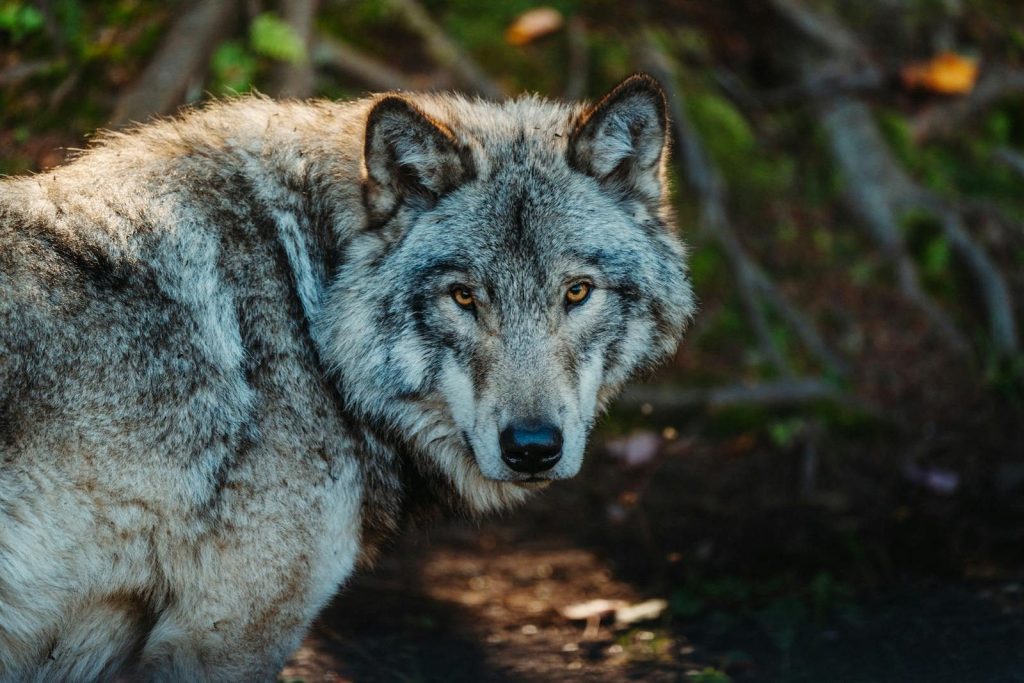
BEY03F has already gained attention for becoming the first wolf spotted in Los Angeles County in over 100 years earlier this year. Before reaching the mountains near Sequoia, the wolf had also been tracked moving through populated areas of California’s Central Valley.
Wildlife experts say wolves are capable of traveling enormous distances while searching for territory, food, or potential mates.
Wolves Returning to California
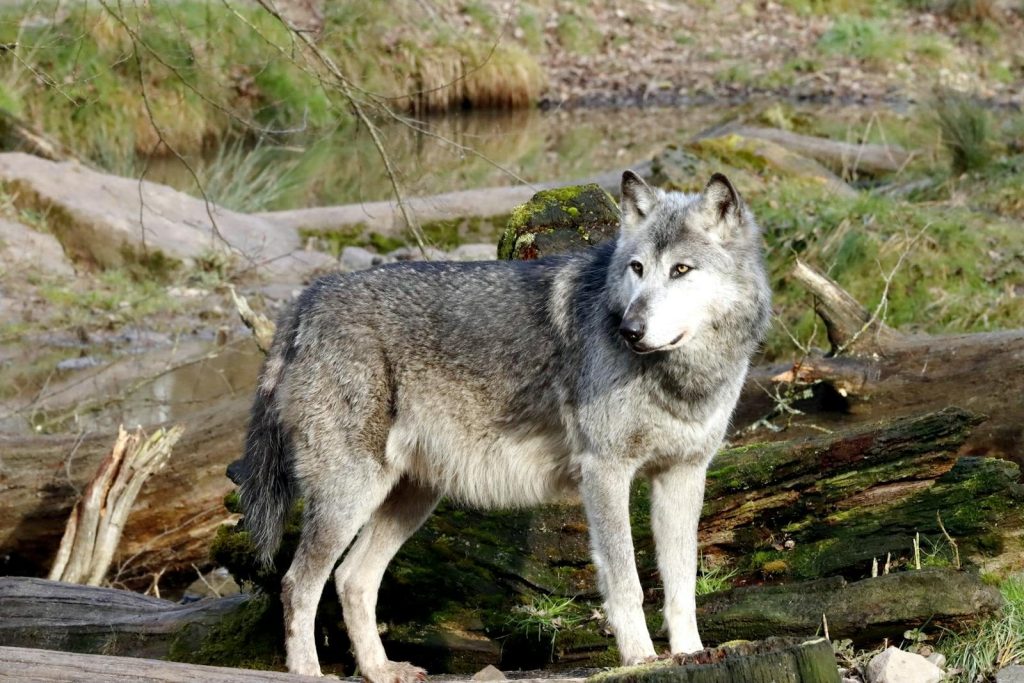
Gray wolves began naturally returning to California from Oregon in 2011 after decades of absence. Since then, several packs have established themselves in northern and central parts of the state.
The return of wolves is viewed by many conservationists as a major ecological milestone after wolves were nearly eliminated from California during the early 20th century.
Why This Sighting Matters
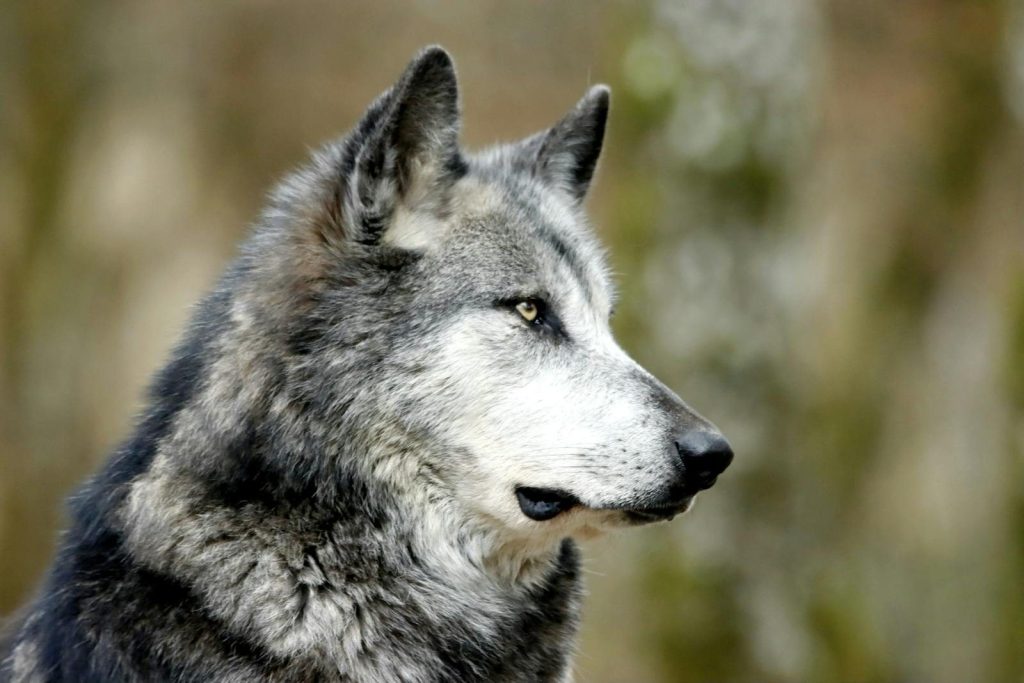
The appearance of a wolf in Sequoia National Park is especially important because it signals expanding wolf movement into new habitats. Large protected wilderness areas provide space, prey, and safer migration corridors for roaming predators.
Researchers believe BEY03F may eventually join or establish territory near existing wolf populations in the region.
Concerns From Ranchers
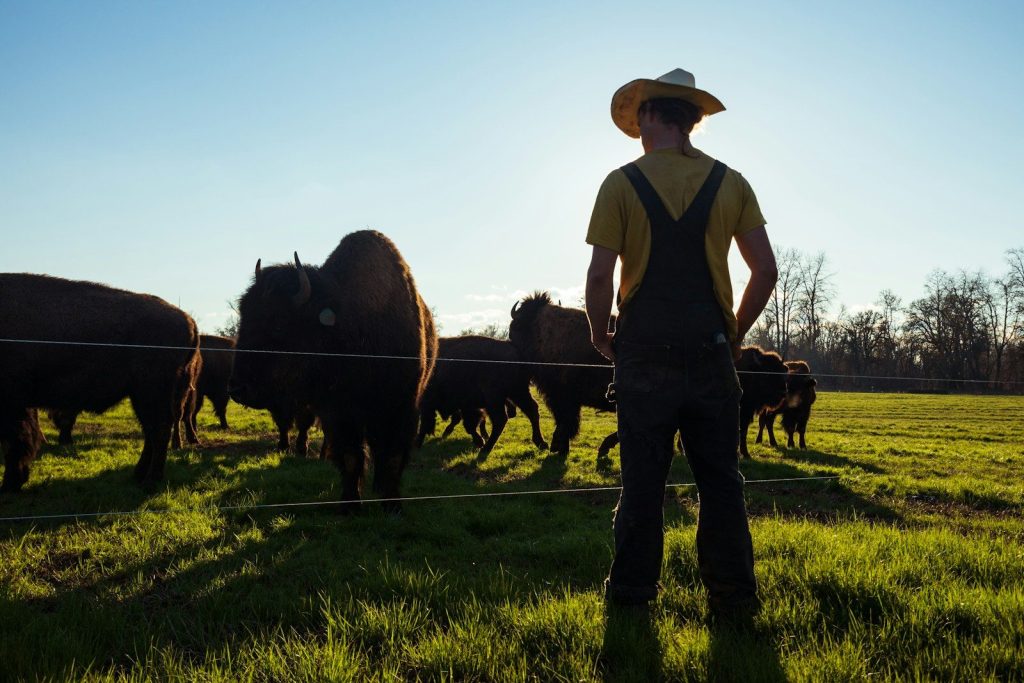
Although wolves are celebrated by wildlife advocates, their return has also created concerns for ranchers and livestock owners. Wolves occasionally prey on cattle or other livestock, creating tension in rural communities.
Wildlife agencies encourage ranchers to use deterrents such as fencing, livestock guardian dogs, and range riders to reduce conflicts.
Are Wolves Dangerous to Humans?
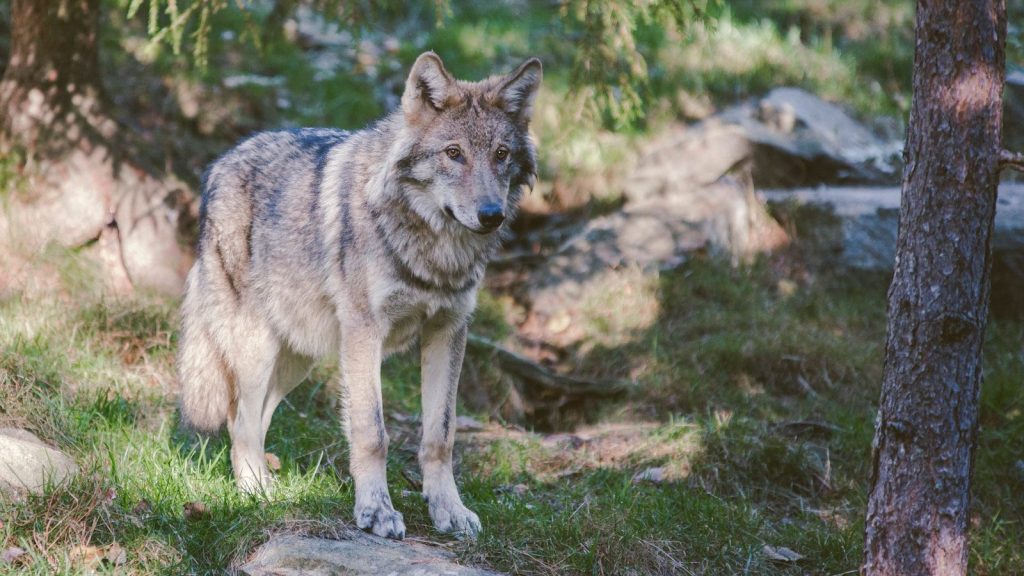
Wildlife experts stress that wolf attacks on humans are extremely rare. Wolves generally avoid people and tend to stay away from developed areas whenever possible.
Officials say there is currently no indication that BEY03F poses a public safety threat.
A Symbol of Wildlife Recovery
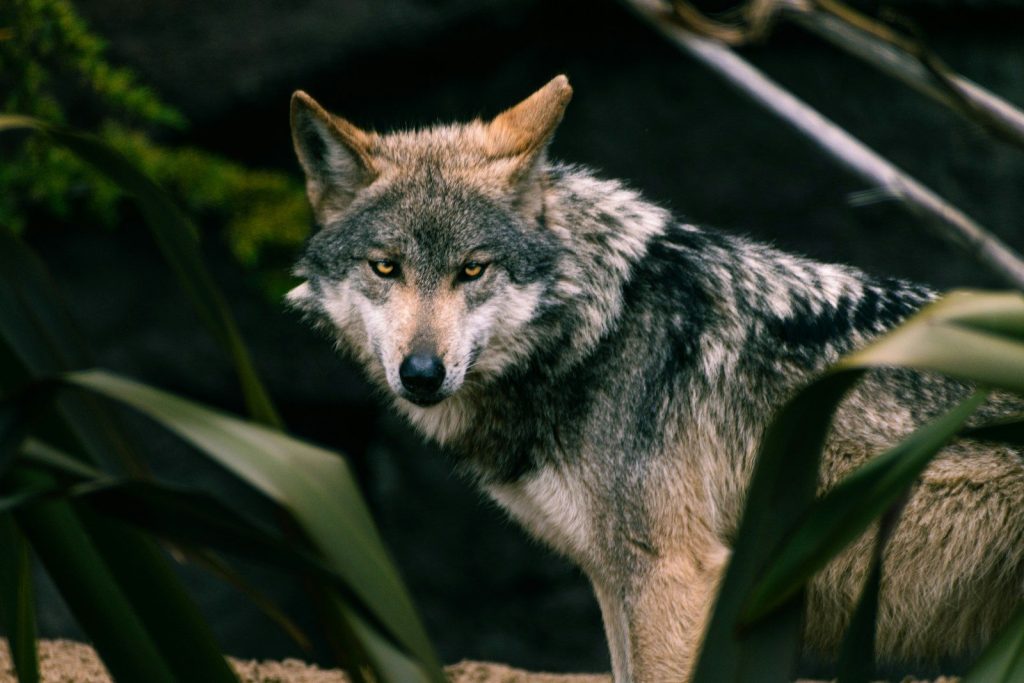
For conservationists, the wolf’s return represents resilience and recovery after decades of habitat loss and persecution. Seeing wolves once again moving through California’s mountains is a sign that some ecosystems may slowly be healing.
At the same time, experts say coexistence between humans and large predators will remain an ongoing challenge.