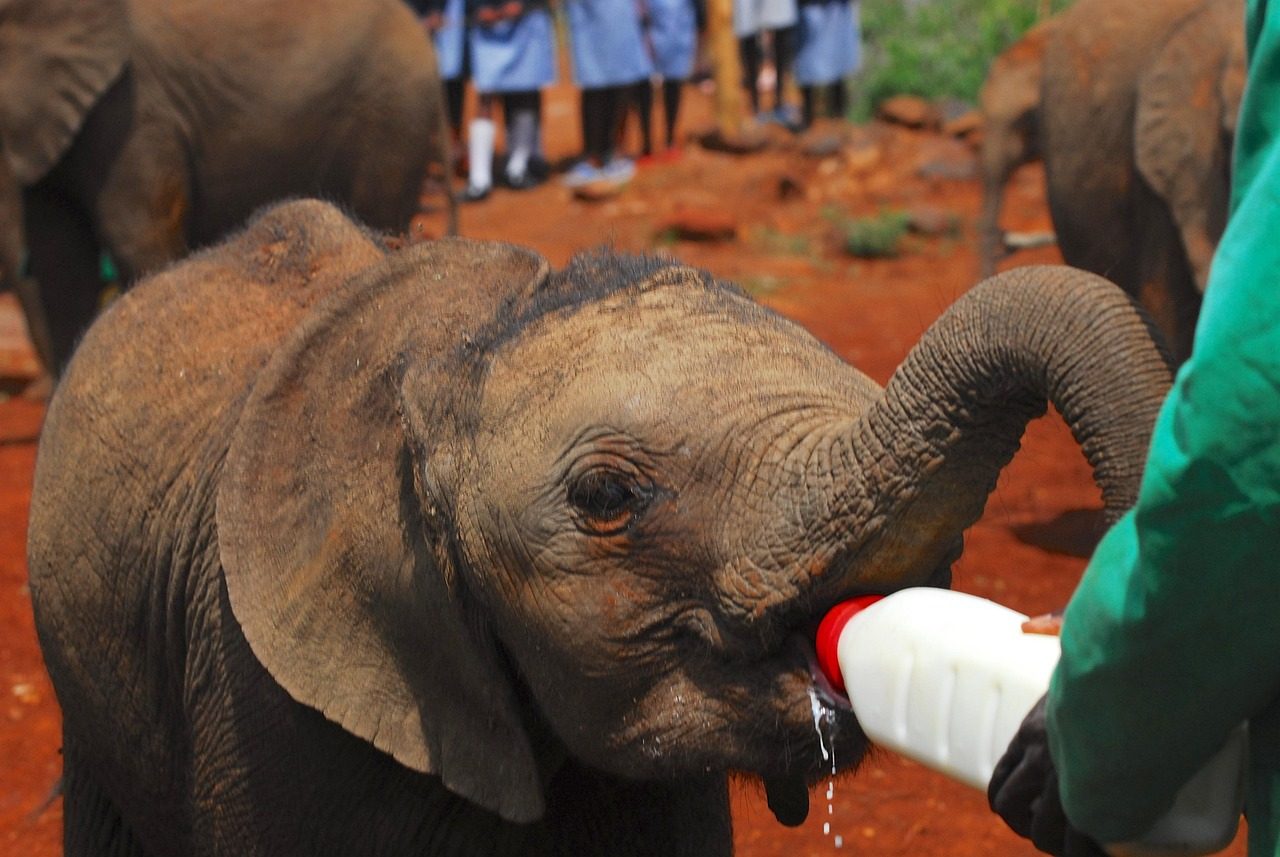
In northern Thailand near Chiang Mai, ethical elephant sanctuaries are providing a second chance for animals rescued from logging camps, circuses, and tourist ride industries. These sanctuaries focus on recovery and rehabilitation, giving elephants the space and care they need to heal from both physical injuries and emotional trauma.
Elephant Nature Park: A Pioneer in Ethical Elephant Care
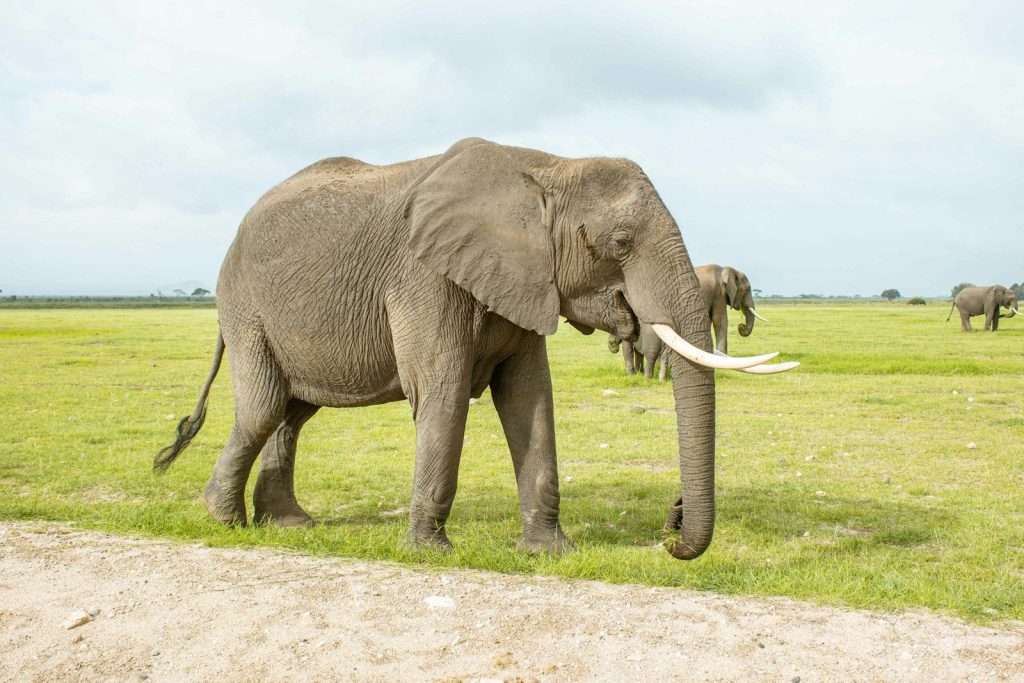
Elephant Nature Park, founded by conservationist Lek Chailert, is one of Asia’s most well-known ethical sanctuaries. Spread across a large natural reserve, it provides lifelong care for over 100 rescued elephants, along with other rescued animals including dogs, cats, and buffaloes. The park prioritizes observation-based interaction, allowing elephants to live freely without riding, chains, or performances.
Elephant Rescue Park: Focused Rehabilitation in Mae Taeng
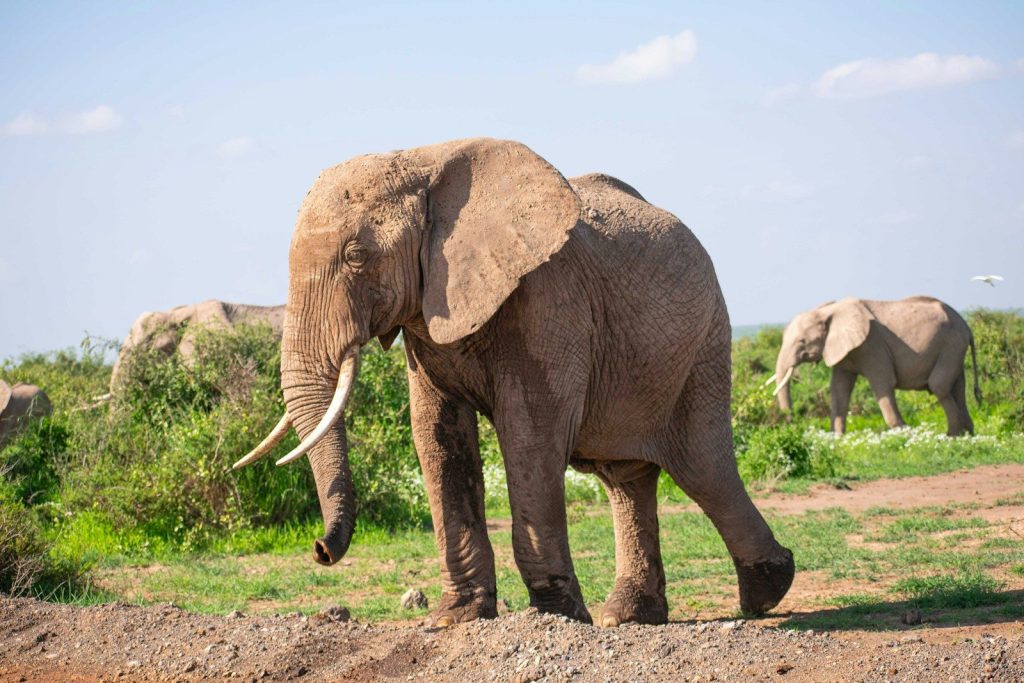
Located in the Mae Taeng district, Elephant Rescue Park offers a more intimate rescue experience. Its programs focus on education and rehabilitation, allowing visitors to learn about elephant care while supporting the animals’ recovery in a low-interaction environment designed to reduce stress.
Elephant Jungle Sanctuary: Community-Led Conservation
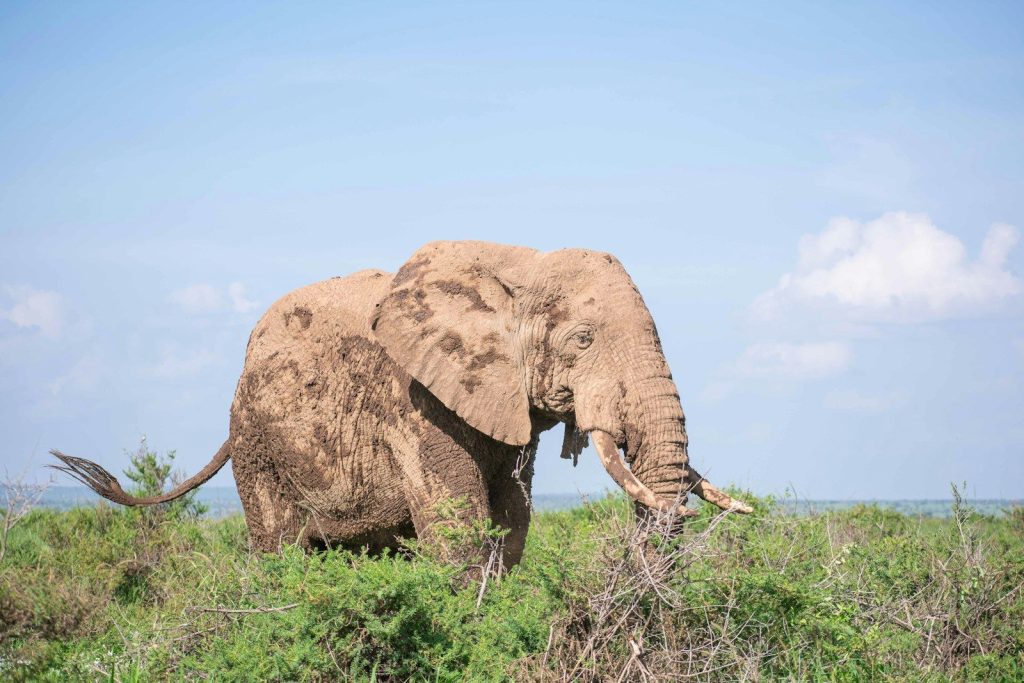
The Elephant Jungle Sanctuary works closely with local Karen hill tribe communities to promote ethical tourism. Visitors can take part in guided experiences such as feeding and bathing elephants, but without forced performances or riding, ensuring the animals’ well-being remains the top priority.
Chai Lai Orchid: Conservation Through Community Support
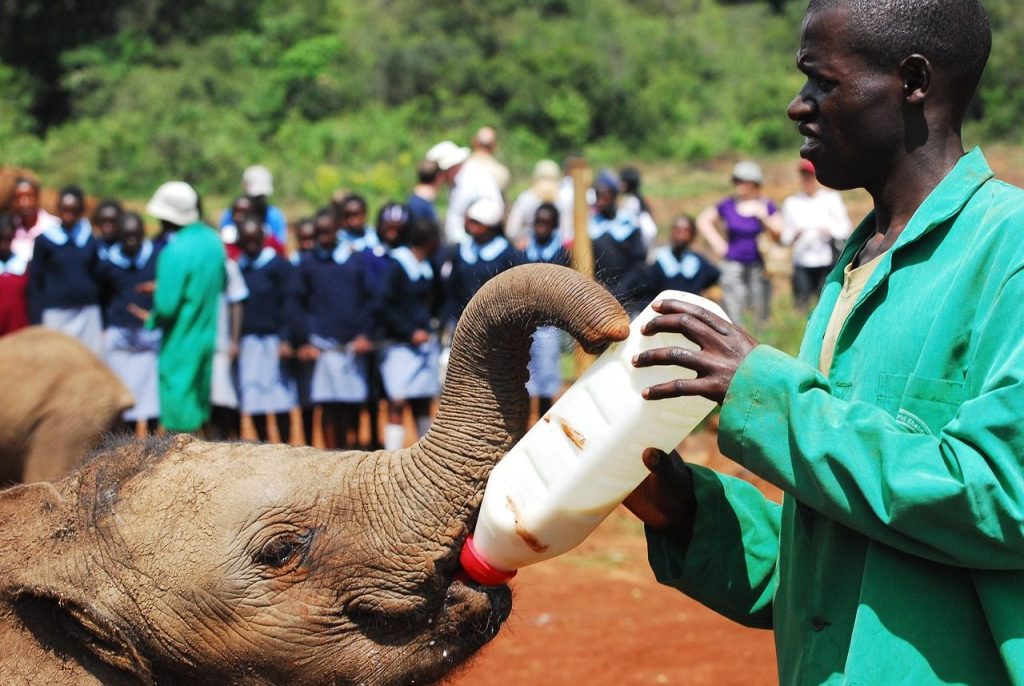
Chai Lai Orchid operates on a community-based model where proceeds from ethical stays and tours directly support conservation efforts and anti-trafficking programs. The initiative combines responsible tourism with local empowerment while offering visitors a chance to observe elephants in a natural setting.
Healing After Years of Exploitation
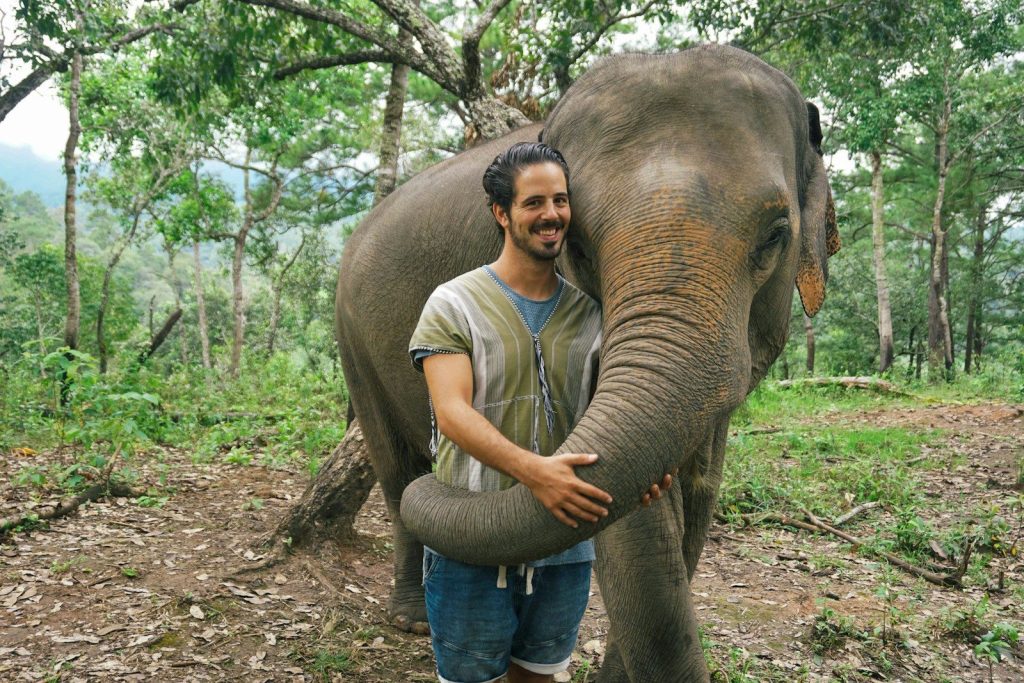
Many elephants arriving at these sanctuaries suffer from long-term injuries, malnutrition, or psychological distress caused by years of exploitation. Dedicated caretakers work to restore their health through proper nutrition, veterinary care, and environments that allow natural behaviors like social bonding and roaming.
A Different Kind of Tourism Experience
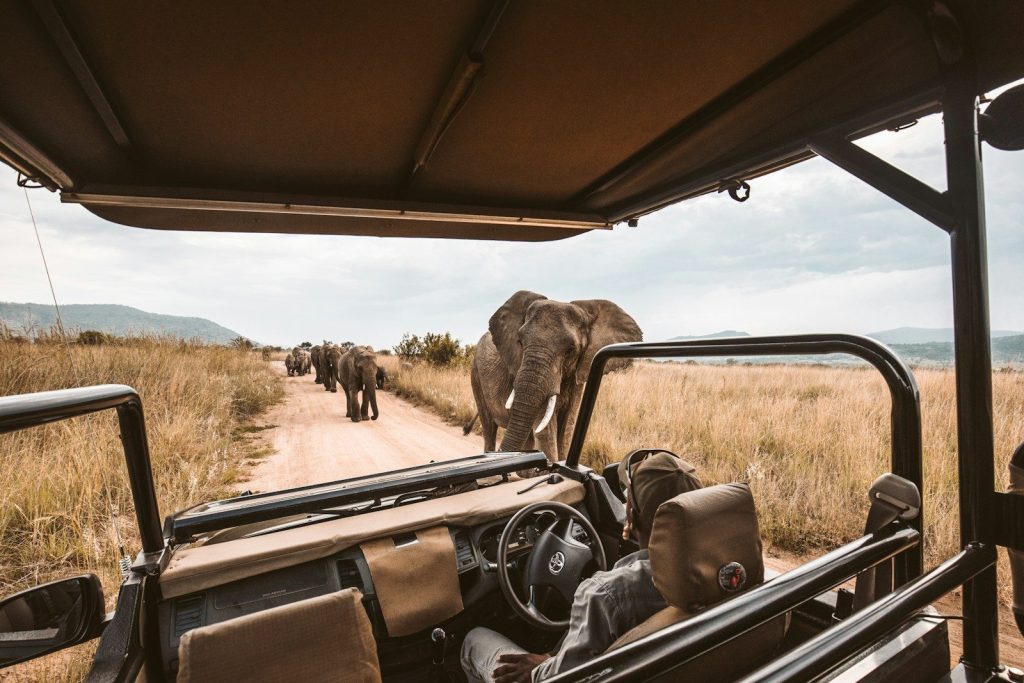
Unlike traditional elephant attractions, these sanctuaries prohibit riding, shows, and chaining. Instead, they promote respectful, observation-based tourism that prioritizes animal welfare over entertainment.