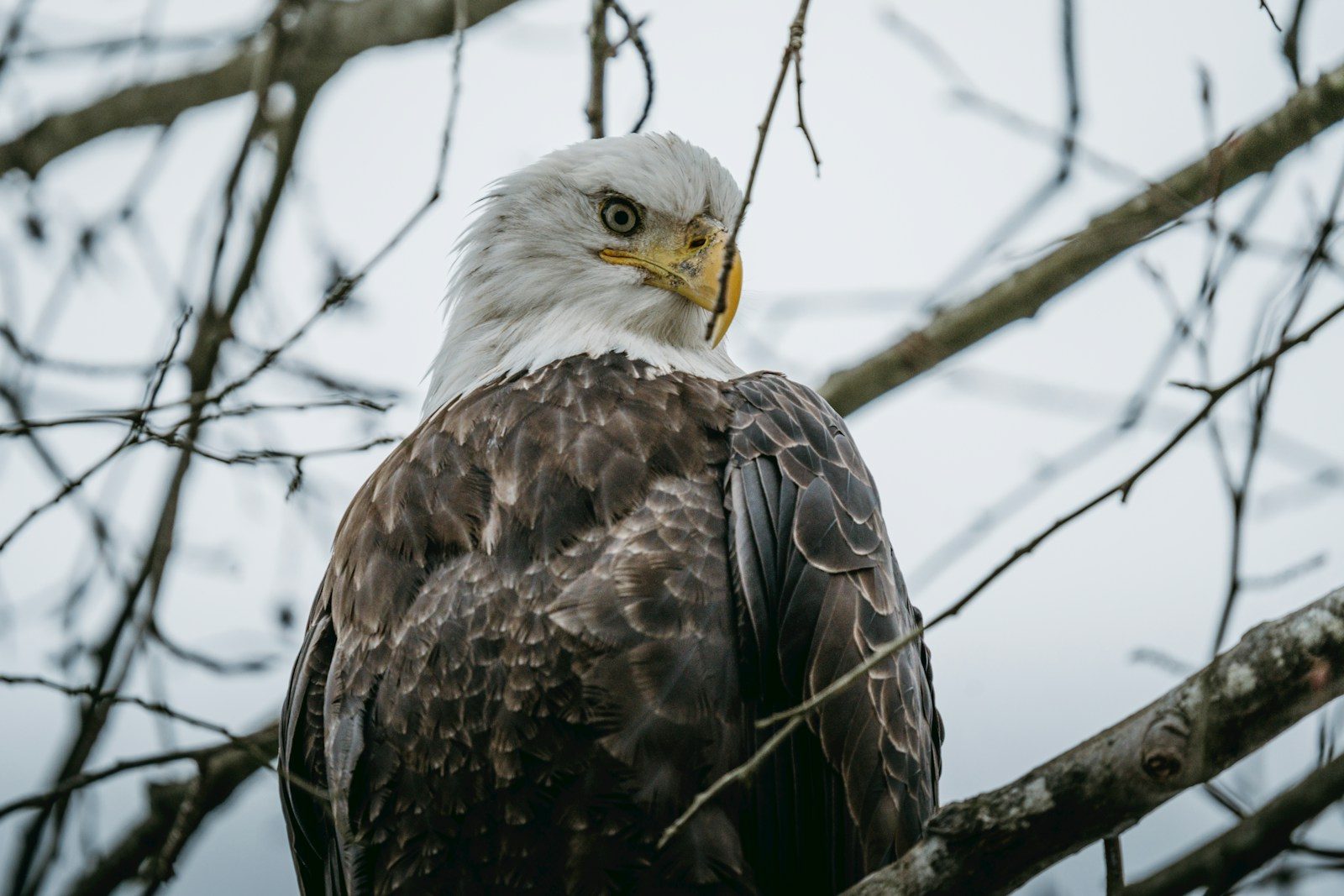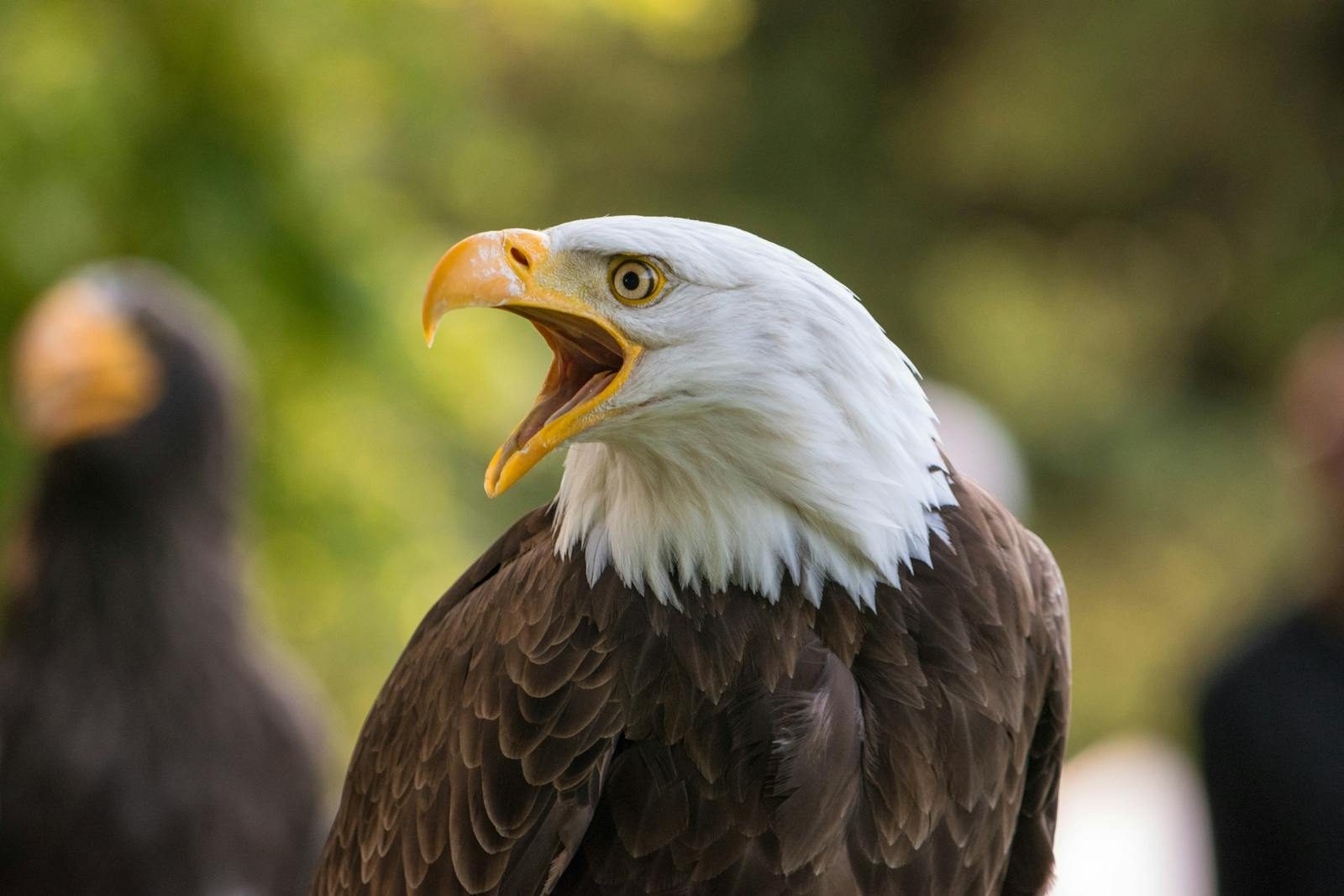
In a quiet corner of Chicago’s Southeast Side, something remarkable has unfolded above the restored wetlands of Park 597 along the Calumet River. Two bald eagle hatchlings have been confirmed in the wild, marking what officials believe is the first successful breeding of bald eagles in the city in more than 100 years.
The discovery has surprised both residents and wildlife experts, offering a rare glimpse of how large predators can return to urban landscapes when habitat conditions are restored. What was once industrial land is now becoming a functioning ecosystem again.
A Century-Long Absence Finally Broken
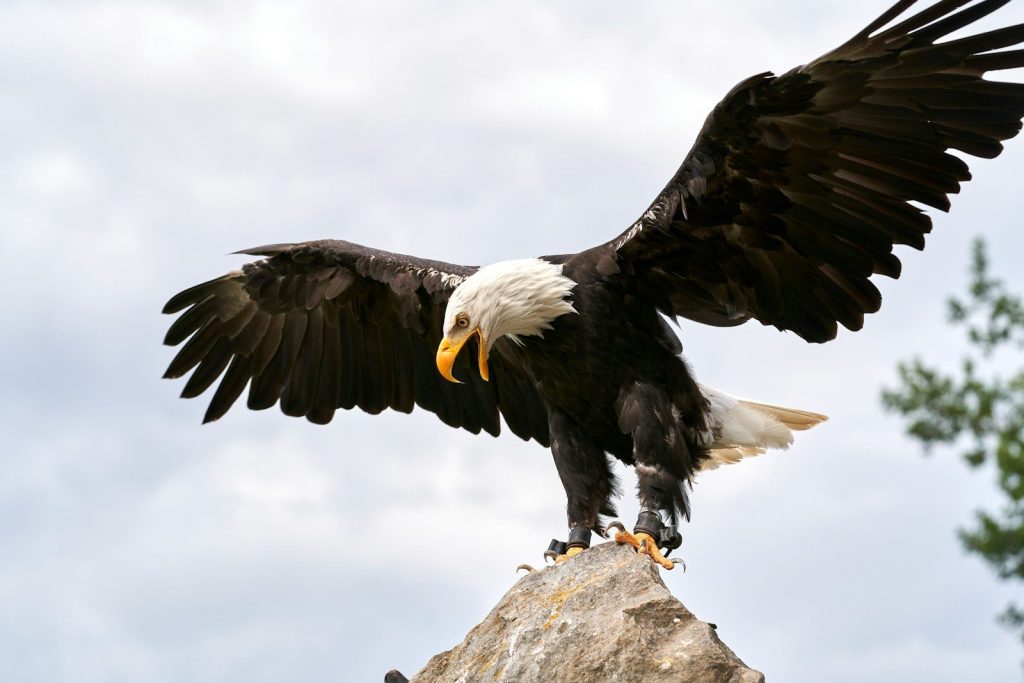
Bald eagles once nested across much of North America, including the Chicago region, but they disappeared from the area for more than a century. Habitat loss, hunting, and pesticide contamination, especially from chemicals like DDT, caused their populations to collapse across the continent.
Although the species has recovered nationally over recent decades, successful breeding in dense urban environments like Chicago has remained extremely rare. The appearance of eaglets in Park 597 therefore, represents a significant ecological milestone for the city.
The Moment the Hatchlings Were Discovered
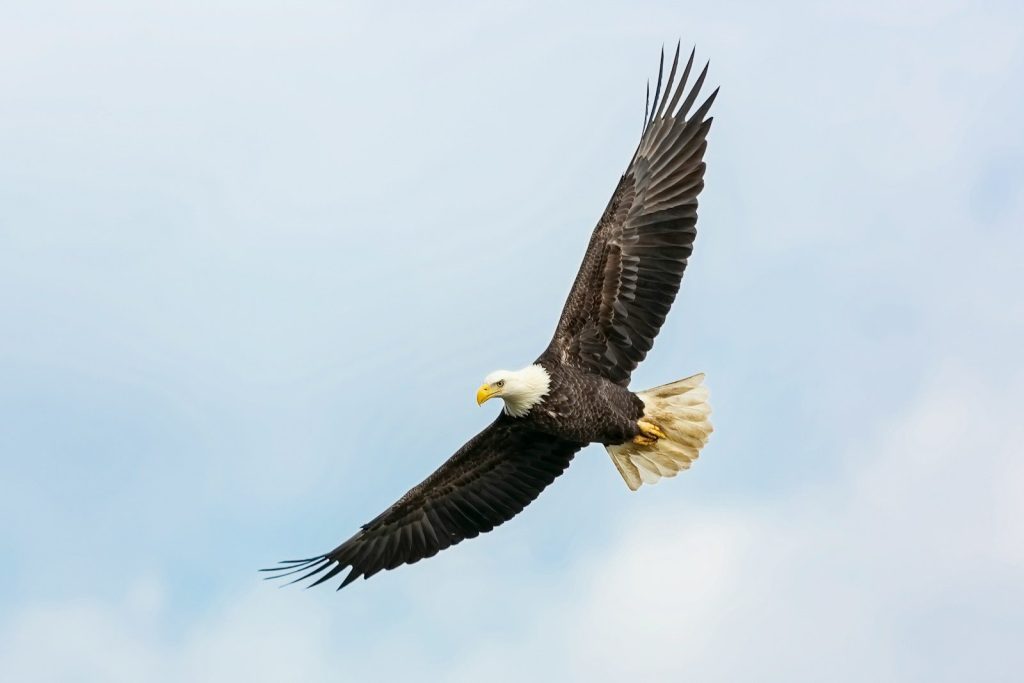
The first eaglet was spotted on April 28, followed by a second confirmed sighting on May 7. Both chicks are estimated to be only a few weeks old, indicating that nesting began earlier in the spring.
Local observers Pat and Steve Pearson made the initial discovery while monitoring the area. What they saw—a small, fuzzy chick lifting its head in a massive nest—was enough to move them to tears, underscoring how rare and emotional the moment was for residents.
How a Former Industrial Site Became Wildlife Habitat
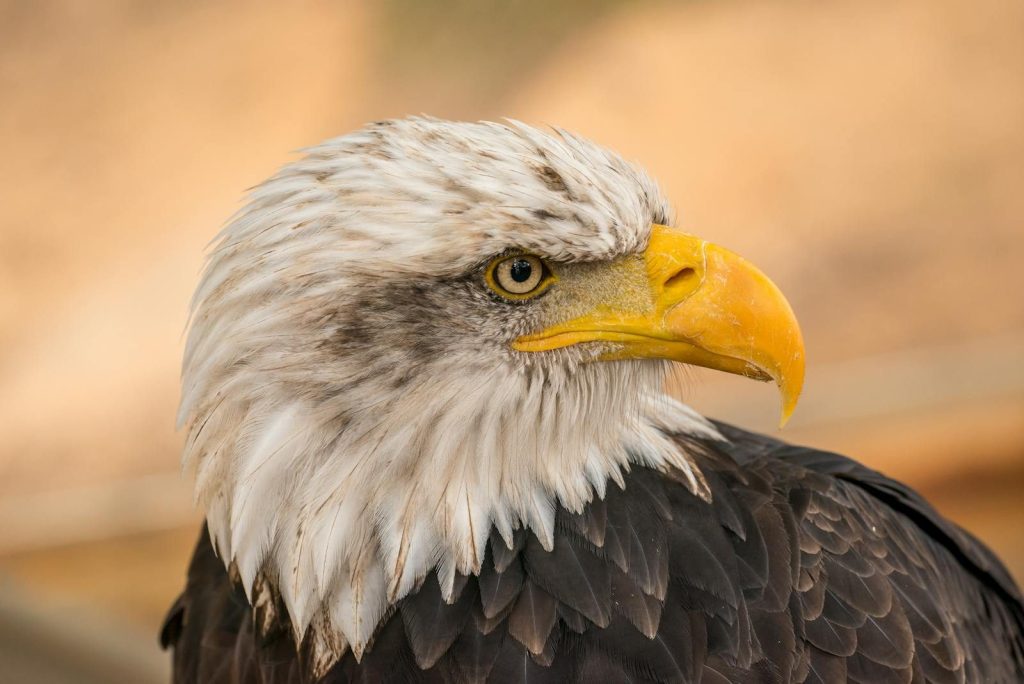
Park 597 was once home to a water treatment facility before being converted into restored natural space in 2019. Since then, habitat restoration efforts have transformed the area into wetlands capable of supporting a wide range of wildlife.
Improvements to soil quality, native vegetation, and aquatic habitat have attracted species such as muskrats, deer, amphibians, and now bald eagles. The return of apex birds of prey suggests that the ecosystem is regaining balance and productivity.
Why Bald Eagles Are Returning to Urban Areas
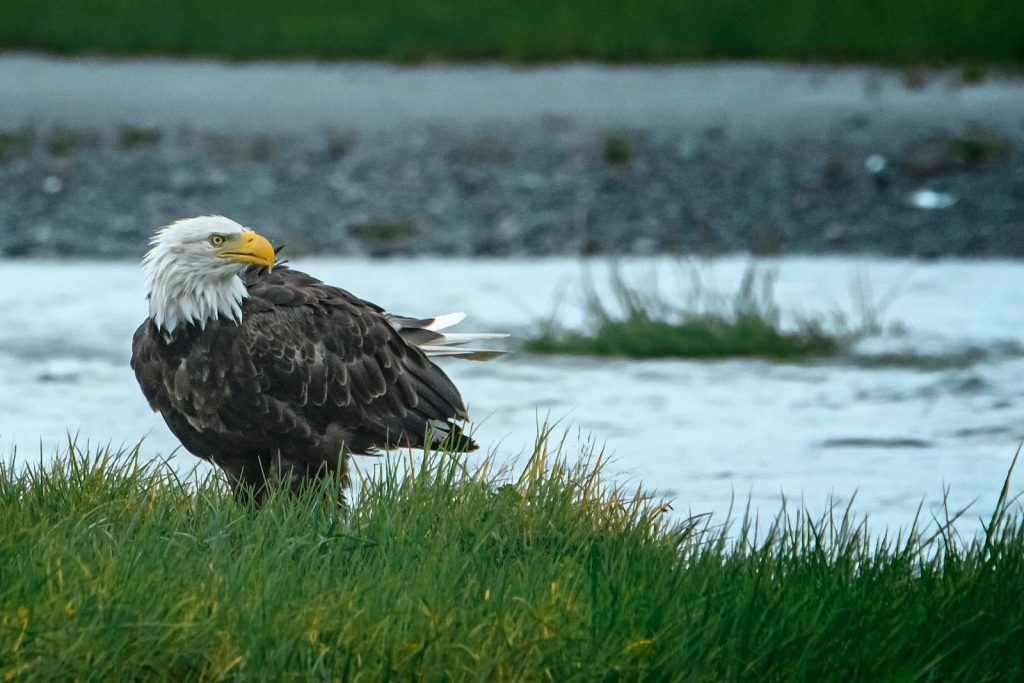
Bald eagles have made a dramatic recovery across the United States since the banning of DDT and stronger environmental protections were introduced. Their removal from the U.S. endangered species list in 2007 marked one of the country’s most well-known conservation successes.
In recent years, they have increasingly adapted to human-altered environments, especially near waterways where fish and small mammals are abundant. Urban rivers and restored wetlands now offer surprising opportunities for nesting and feeding.
The Importance of Wetland Restoration
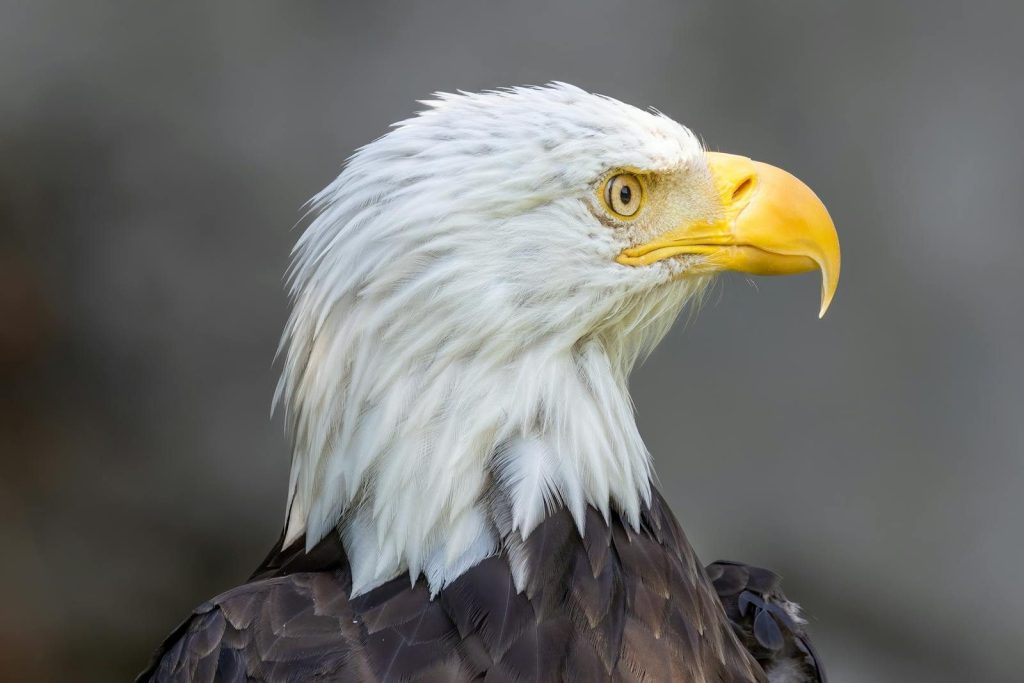
Wetlands play a critical role in supporting biodiversity, acting as nurseries for fish, amphibians, and small mammals that form the base of the food chain. In the case of Park 597, restoration efforts have helped rebuild this ecological foundation.
By reintroducing native plants and improving water quality, the area has become suitable for species that depend on stable, food-rich habitats. The presence of bald eagles suggests that prey populations are now strong enough to sustain top predators.
A Sign That Nature Can Reclaim Urban Spaces
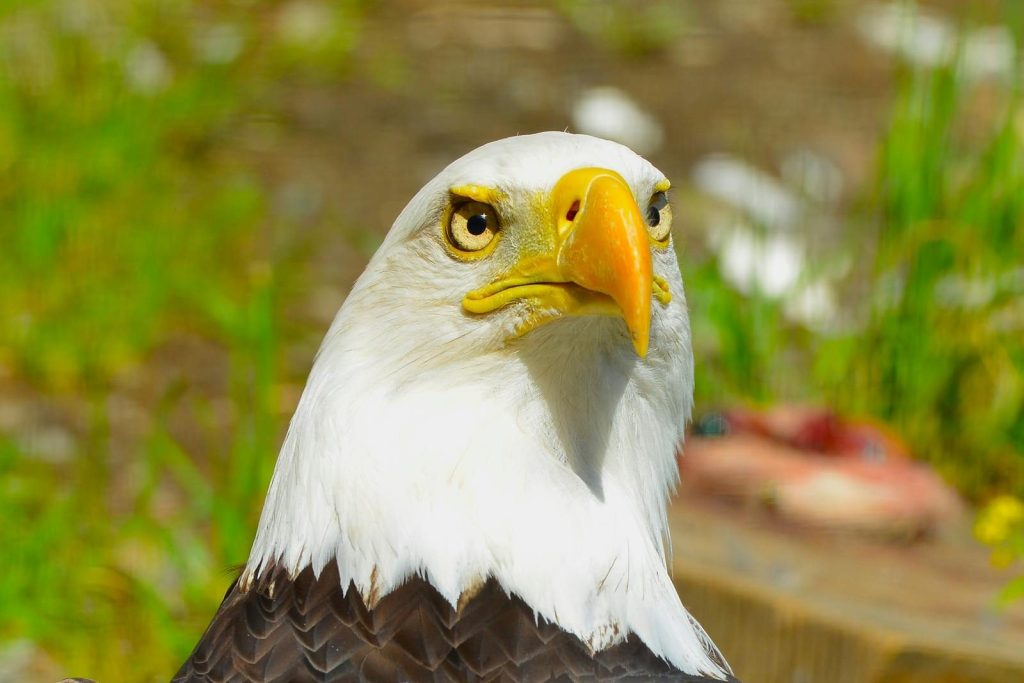
The successful nesting of bald eagles in Chicago highlights a broader trend: wildlife is capable of returning even to heavily altered landscapes when conditions improve. It demonstrates that ecological recovery is possible, even in cities once dominated by industry.
Residents and conservationists alike see the event as a symbol of cooperation between human planning and natural resilience. As one observer noted, restoration efforts may seem small individually, but together they can transform “unredeemable” land into thriving habitat.
A Powerful Reminder of Conservation Success
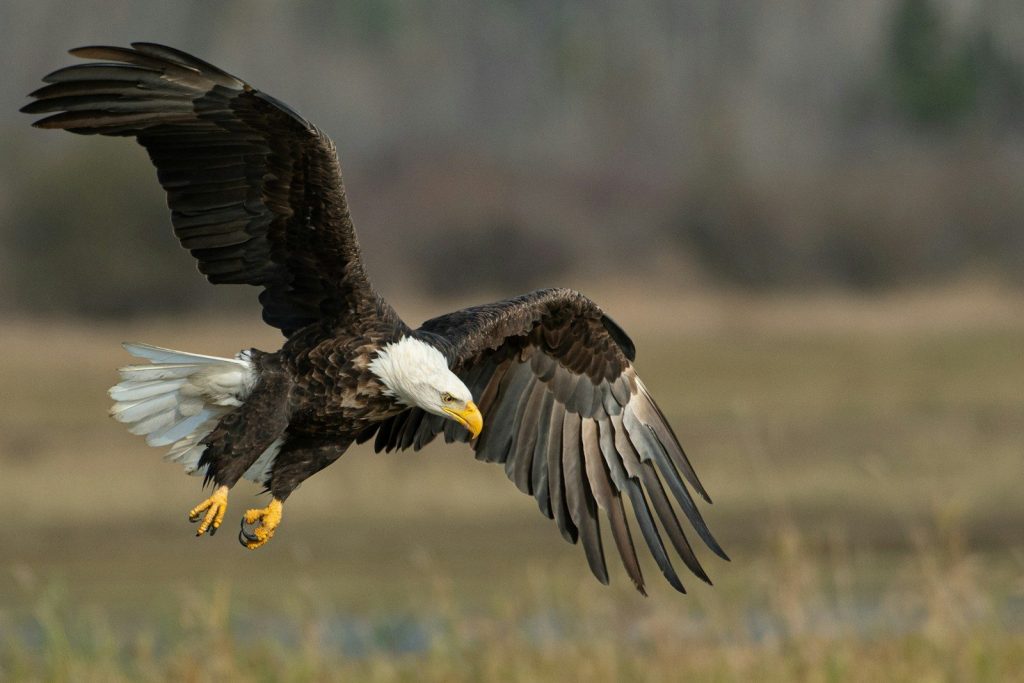
The return of bald eagle chicks to Chicago is more than a local curiosity—it is a milestone in long-term environmental recovery. It reflects decades of conservation work at both national and local levels, from banning harmful chemicals to restoring critical habitats.
For Chicago, it is also a sign that nature is not only surviving in the city but actively reclaiming space within it.