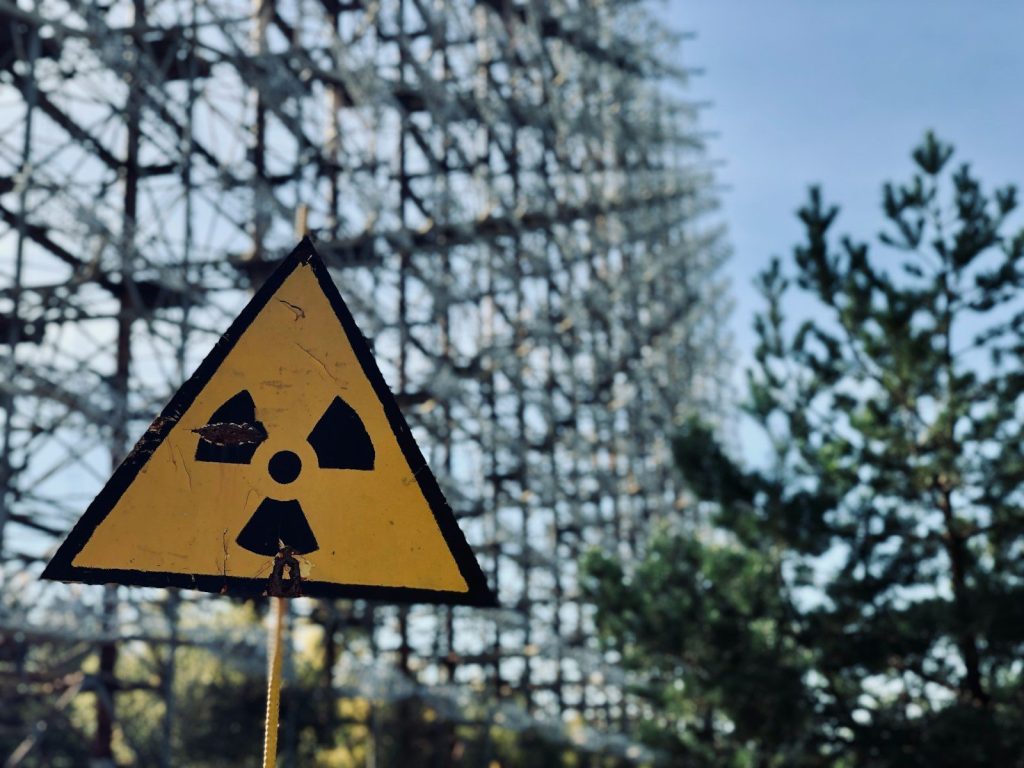
When the reactor at the Chernobyl disaster exploded in 1986, the surrounding region was transformed into one of the most radioactive places on Earth. Entire towns were abandoned almost overnight as thousands of residents fled the contamination. But while humans disappeared, wildlife slowly returned.
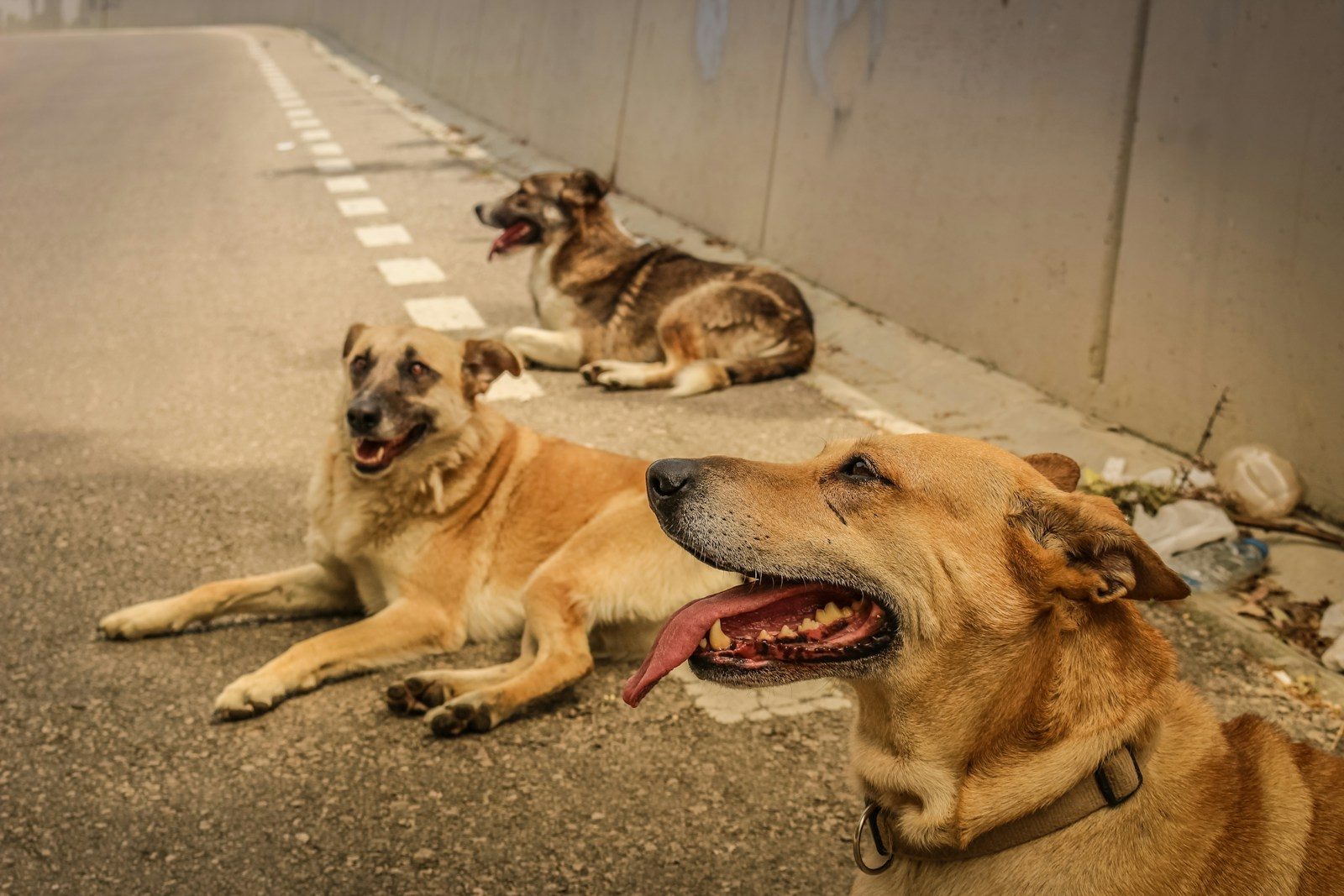
Over the decades, wolves, deer, birds, horses, and packs of feral dogs began reclaiming the empty landscape. Among the most fascinating survivors are the descendants of pets left behind during the evacuation. These dogs now roam the forests and ruins surrounding the former power plant, adapting to an environment unlike anywhere else on Earth.
Scientists Are Studying the Dogs’ DNA
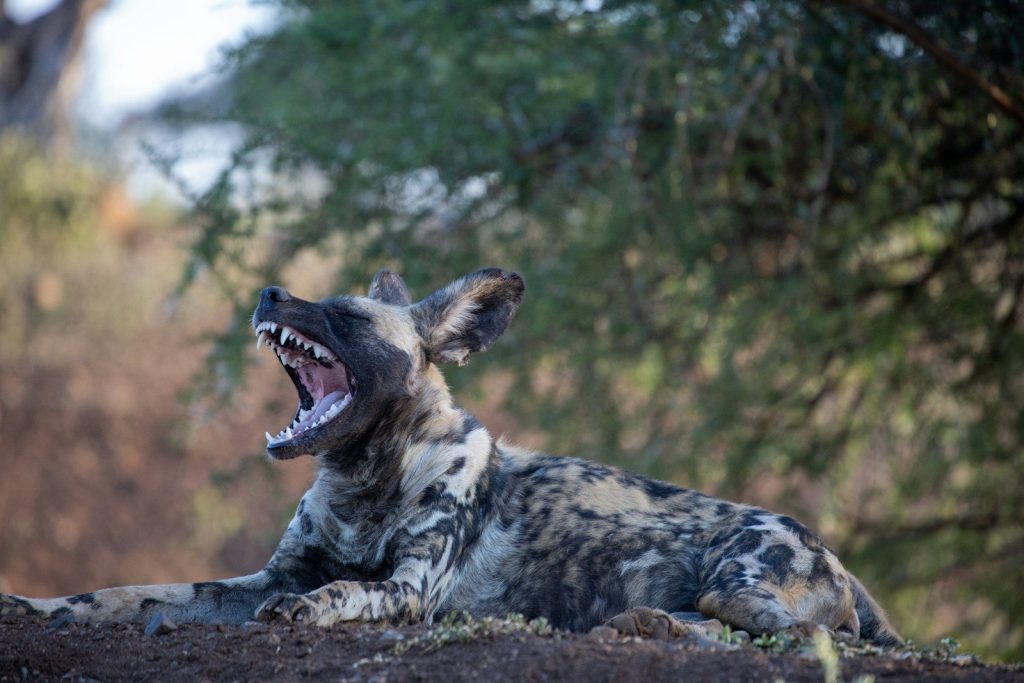
Researchers have become increasingly interested in whether long-term radiation exposure could be influencing the animals living inside the Chernobyl Exclusion Zone. A major study published in 2023 examined the DNA of more than 300 feral dogs living near the reactor and nearby towns.
The findings showed that dog populations living close to the reactor were genetically distinct from dogs only a short distance away. That discovery immediately raised questions among scientists: could decades of radiation exposure be accelerating genetic changes or even influencing evolution itself?
While researchers stress that the evidence is still preliminary, the differences were significant enough to spark worldwide attention.
A Harsh Environment Creates Unique Pressures
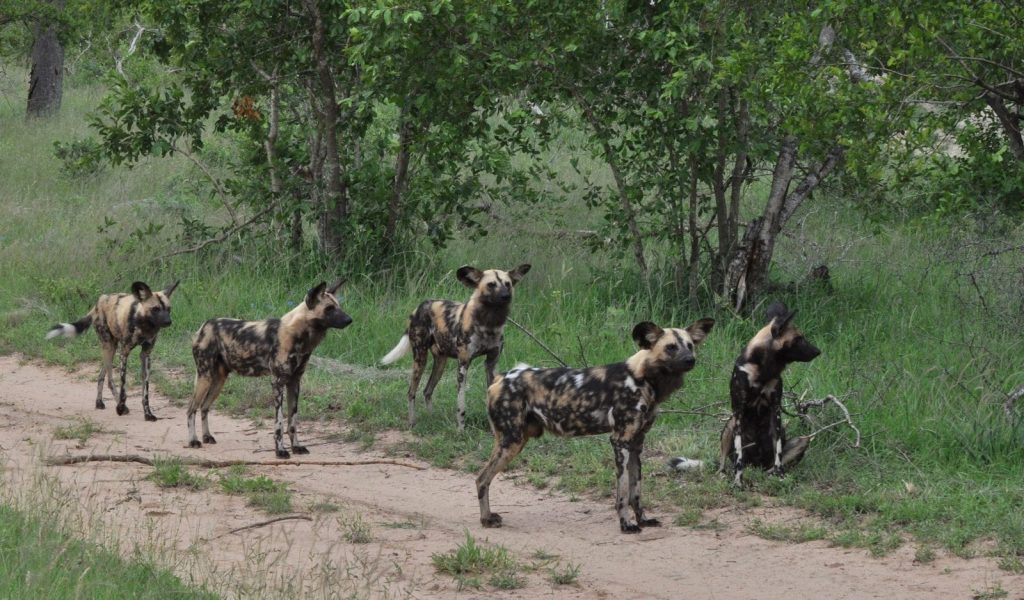
Life inside the exclusion zone is difficult. Radiation still exists in many areas, food sources can be unpredictable, winters are severe, and medical care is nonexistent. Animals that survive here face challenges most wildlife never encounter.
Scientists believe these harsh conditions may create strong evolutionary pressure. Over generations, animals with traits that improve survival may pass those advantages to offspring more frequently. This process happens naturally everywhere on Earth, but researchers wonder if radiation may be adding another layer of environmental stress in Chernobyl.
Some experts compare it to accelerated natural selection occurring under extreme conditions.
Strange Changes Have Already Appeared in Other Animals

The dogs are not the only creatures attracting scientific attention. Studies on frogs living inside the exclusion zone found many were unusually dark or black in color rather than green. Researchers suspect increased melanin may help protect against radiation damage.
Other studies have examined rodents, birds, insects, and wolves for possible genetic adaptations linked to long-term radiation exposure. In 2026, scientists studying wolves reported signs of immune-system changes that may help the animals survive in radioactive regions.
Although none of these studies provide definitive proof of radiation-driven evolution, they suggest the ecosystem around Chernobyl is changing in unusual ways.
Not Everyone Agrees on the Cause
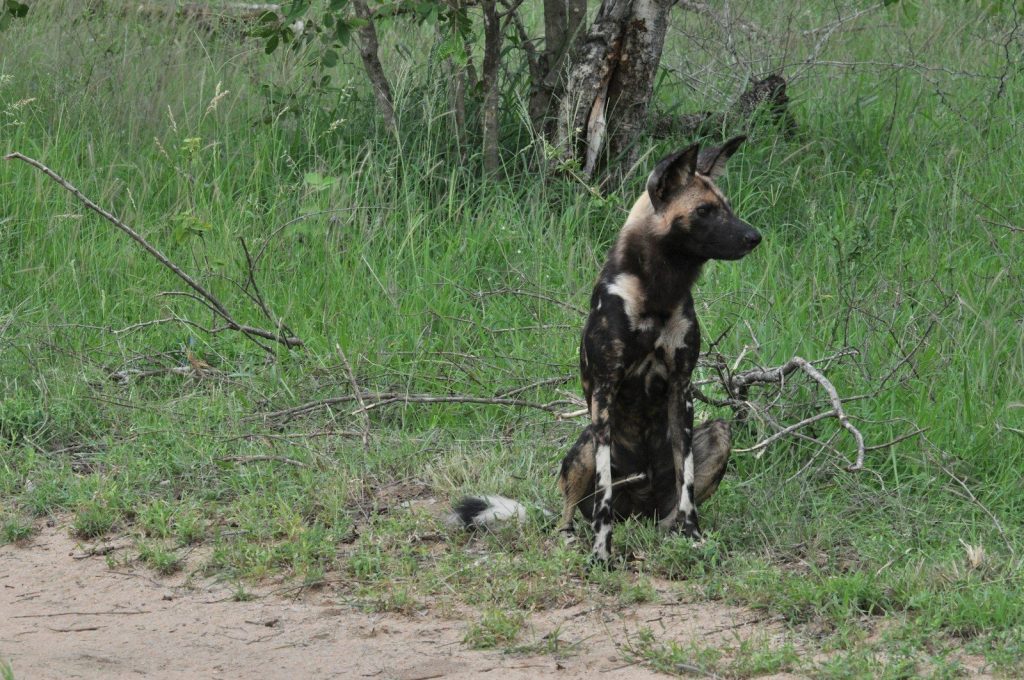
Despite the dramatic headlines, many scientists urge caution. Genetic differences alone do not automatically prove radiation caused the changes. Isolation, limited breeding populations, natural environmental pressures, and simple geographic separation could also explain why the dogs differ genetically.
Some researchers argue the bigger reason wildlife flourished in Chernobyl is not radiation resistance at all, it is the absence of humans. With fewer roads, factories, hunters, and cities, animals suddenly had enormous territory to reclaim.
In other words, nature may simply be recovering in a place humans abandoned.
The Dogs Have Become Symbols of Survival
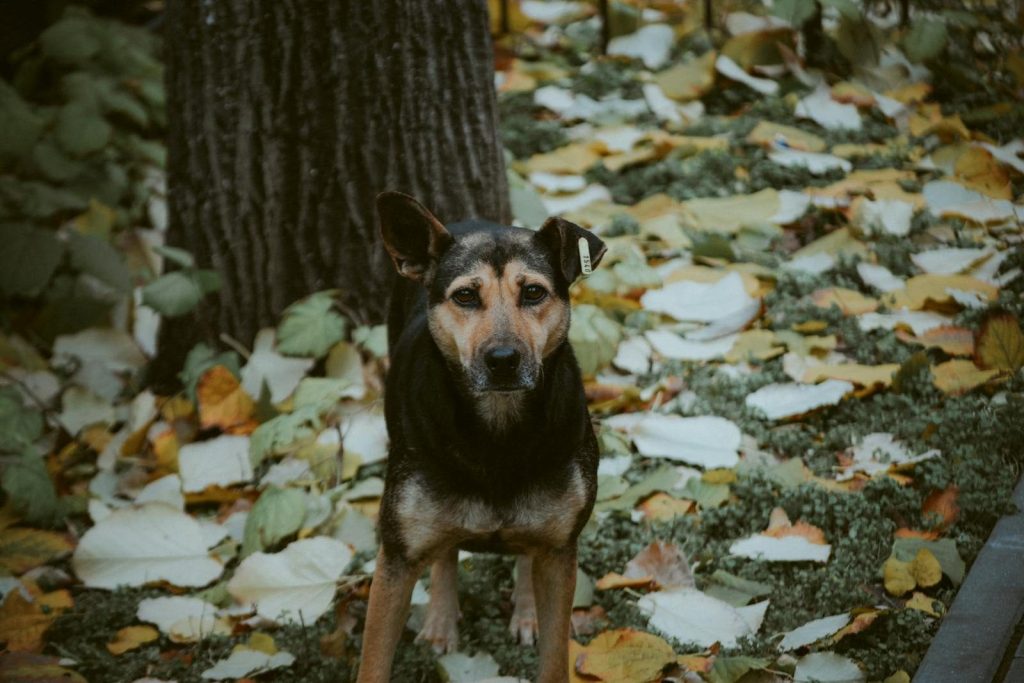
Today, the dogs of Chernobyl are more than scientific curiosities. They have become symbols of resilience in one of history’s most infamous disaster zones. Aid groups and researchers frequently provide food, vaccinations, and medical care to many of the roaming packs near the old reactor facilities.
Visitors to the region often describe the surreal sight of friendly dogs wandering through silent buildings, overgrown streets, and forests reclaimed by wildlife.
The animals represent both tragedy and adaptation, living reminders of the human disaster that reshaped an entire ecosystem.
What Scientists Hope to Learn Next
Researchers continue collecting DNA samples and tracking animal populations inside the exclusion zone. Their goal is to better understand how long-term environmental stress affects genetics, health, reproduction, and survival over multiple generations.
The answers could have implications far beyond Chernobyl. Scientists studying climate change, pollution, disease resistance, and environmental recovery all see the region as a rare natural laboratory.
Whether the dogs are truly evolving faster because of radiation remains uncertain. But one thing is already clear: life has found a way to persist in one of the harshest environments on Earth.