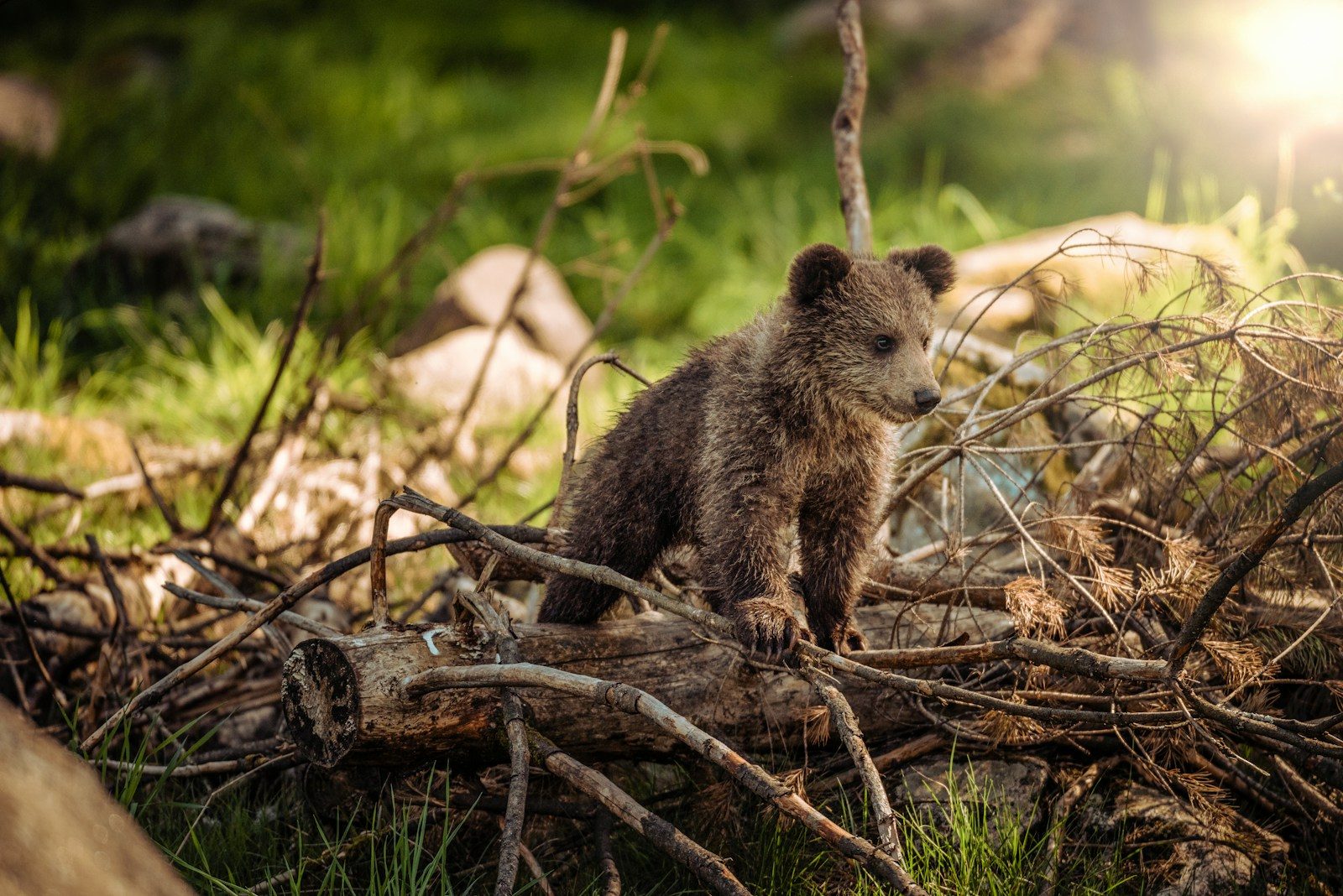
Alaska is often called “America’s Last Frontier,” and for good reason. It is one of the few places on Earth where massive glaciers, untouched wilderness, and abundant wildlife still exist on a grand scale. From towering mountain ranges to coastal fjords and Arctic tundra, the state offers a rare glimpse into nature at its most raw and powerful. Wildlife here is just as impressive, with bears, whales, eagles, and countless other species thriving in vast, protected landscapes.
Here’s a look at some of Alaska’s most breathtaking natural wonders and the incredible wildlife that calls them home.
Denali National Park and the Mighty Peak
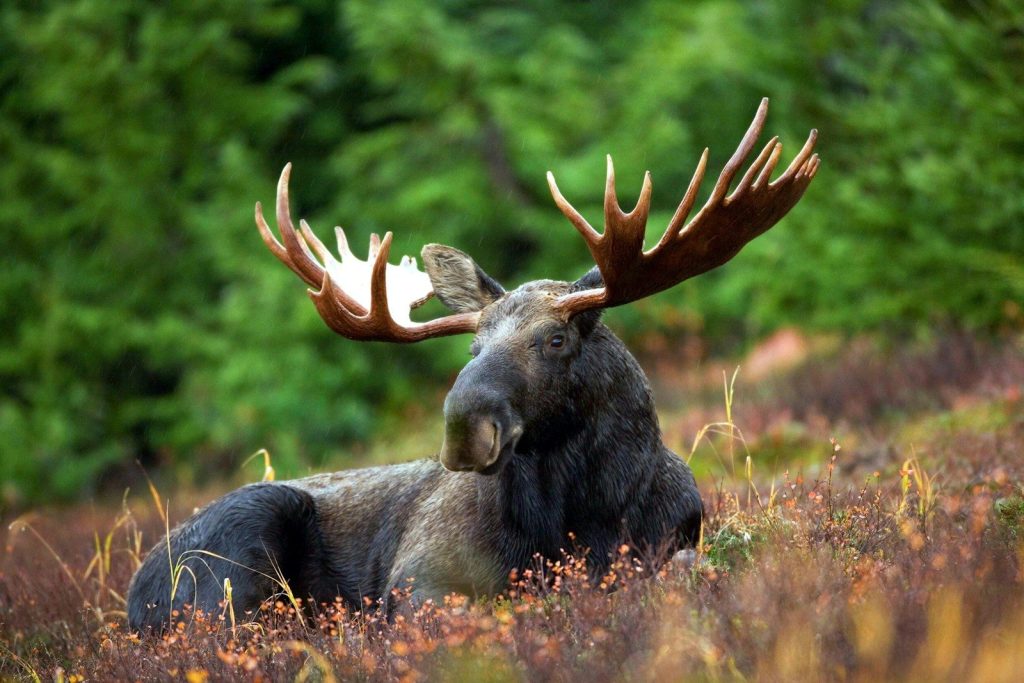
Denali National Park is home to North America’s tallest mountain, Denali, which rises dramatically above the surrounding wilderness. The park stretches across millions of acres of tundra, forests, and glaciers, creating a landscape that feels almost untouched by time. Visitors often spot grizzly bears, caribou, wolves, and moose roaming freely across the open terrain.
The scale of the park makes wildlife viewing unpredictable but unforgettable, especially when animals appear against the backdrop of snow-covered peaks.
Katmai National Park and the Famous Brown Bears
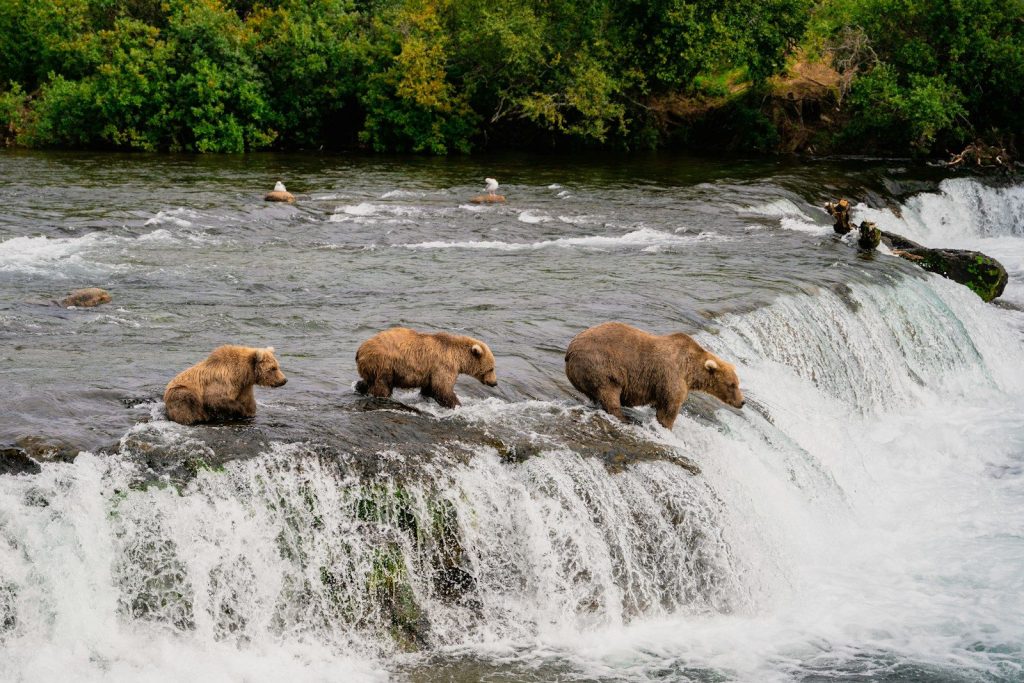
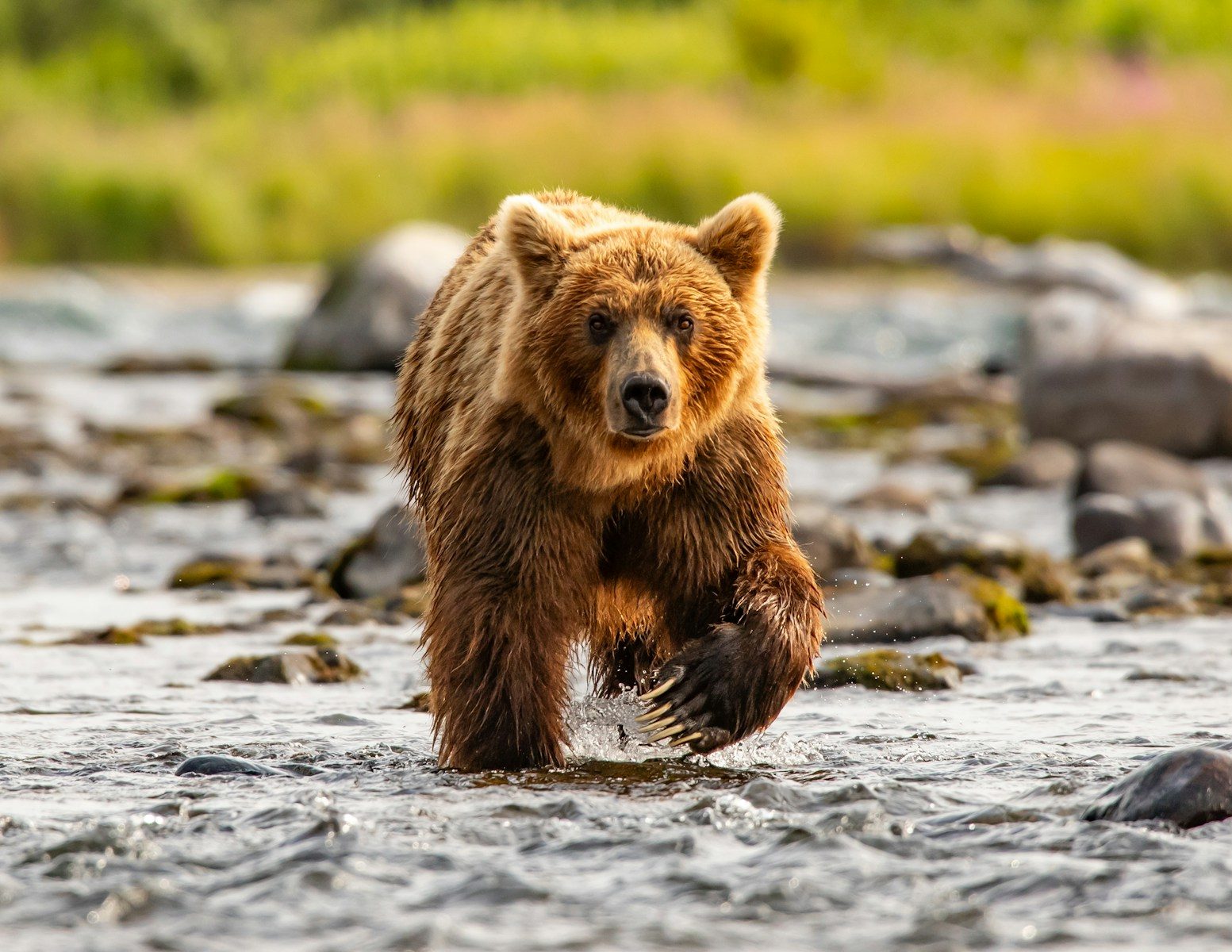
Katmai is one of the best places in the world to witness wild brown bears fishing for salmon. During peak salmon runs, bears gather at rivers and waterfalls in large numbers, creating one of nature’s most dramatic feeding scenes.
These powerful animals have become iconic symbols of Alaska’s wild identity, showing both strength and surprising grace as they hunt in rushing water.
Kenai Fjords and Ice-Carved Coastlines
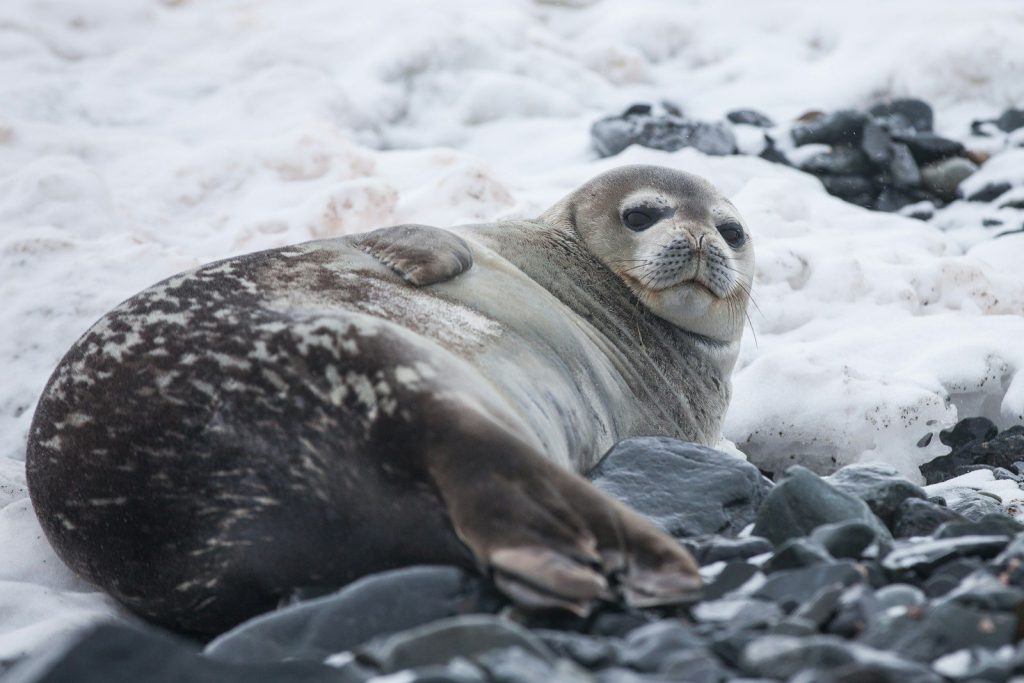
Kenai Fjords National Park showcases Alaska’s coastal beauty, where glaciers meet the sea. Massive chunks of ice regularly break off into the ocean in a process called calving, creating thunderous crashes and floating ice fields.
Sea otters, seals, and humpback whales are commonly seen in these waters, making it one of the best marine wildlife regions in the state.
The Arctic Tundra and Migrating Caribou
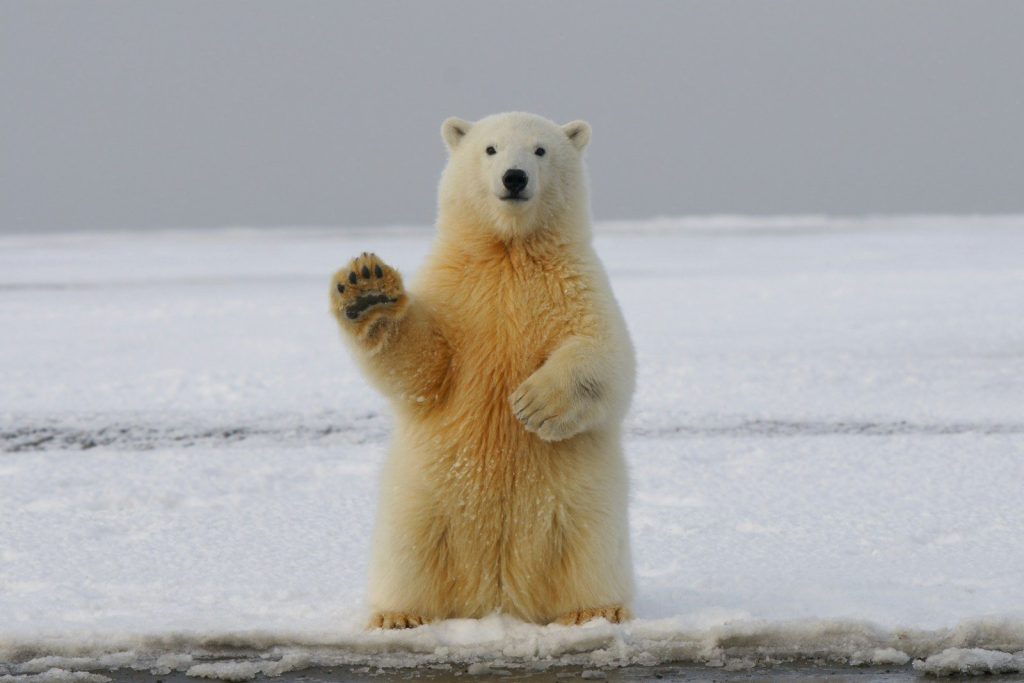
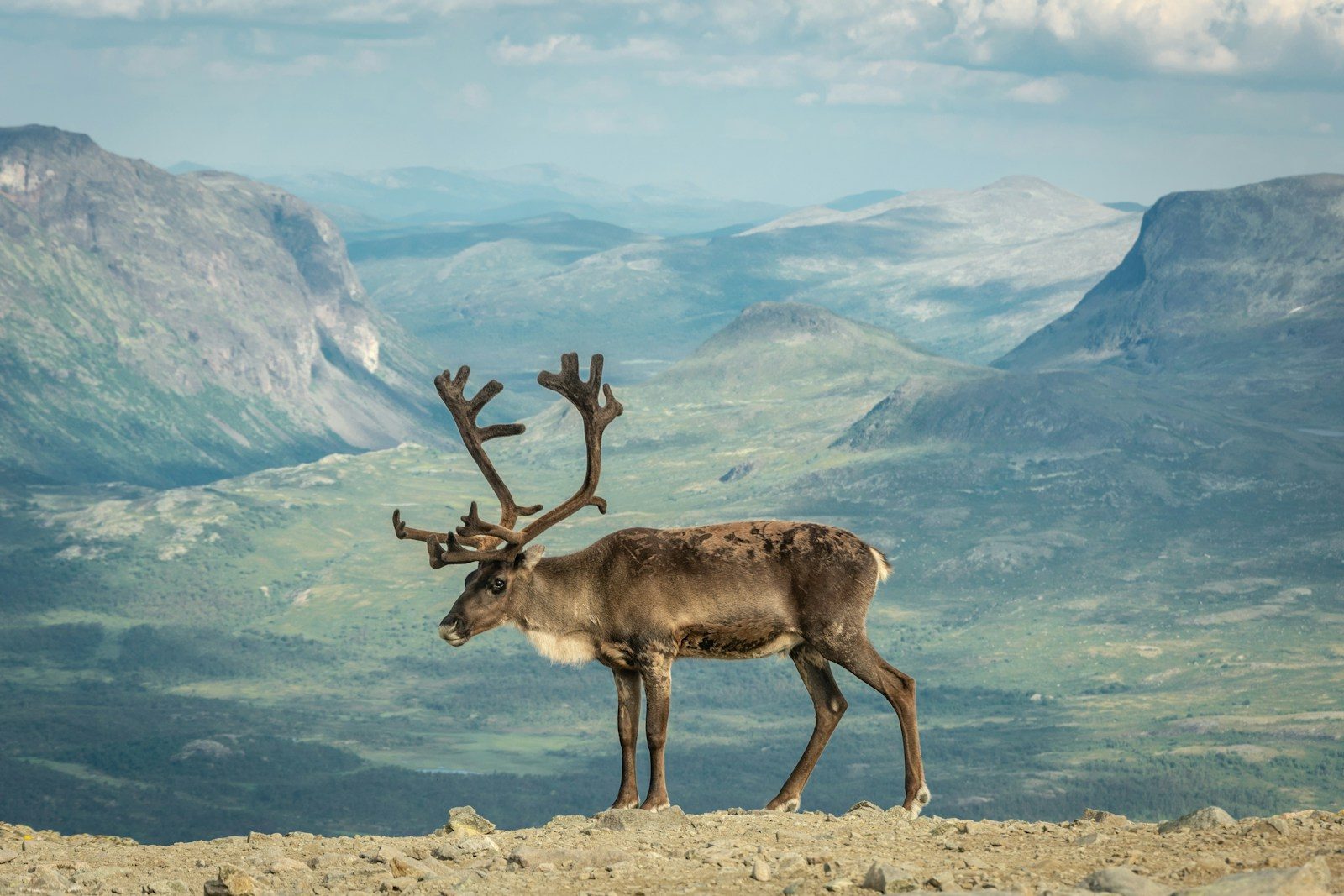
Northern Alaska’s Arctic tundra is a vast, treeless landscape shaped by extreme cold and seasonal change. One of its most remarkable features is the migration of caribou herds, which travel hundreds of miles in search of food and safe calving grounds.
This region also supports polar bears, arctic foxes, and migratory birds that arrive in massive numbers during the short summer season.
Inside Alaska’s Rich Marine Ecosystems
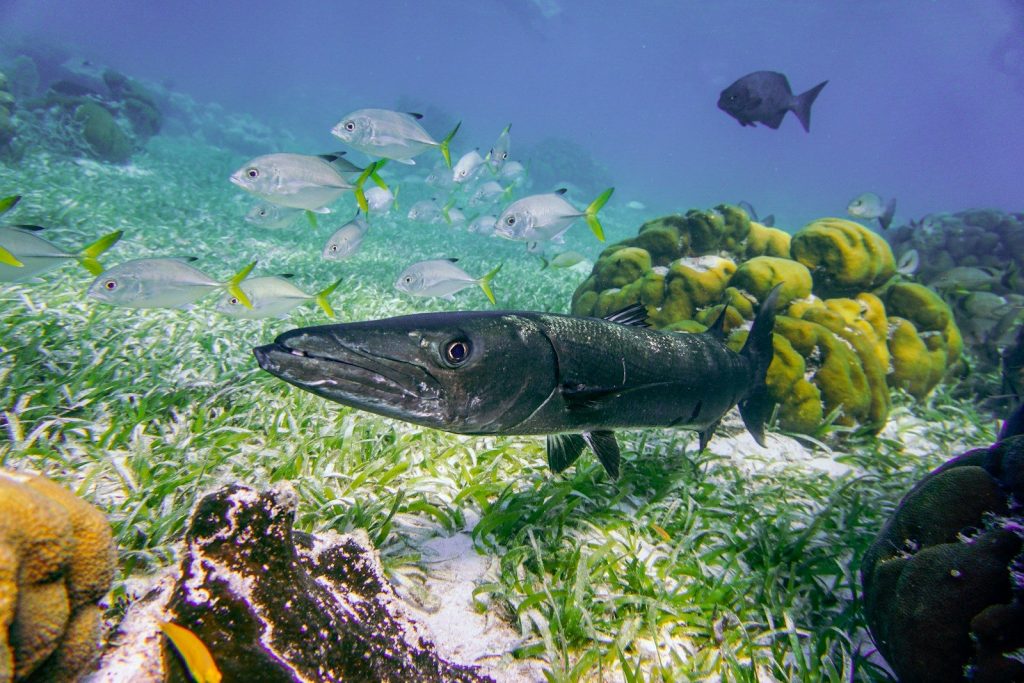
Alaska’s coastline is one of the longest in the world, and its marine ecosystems are incredibly diverse. The waters are home to whales, seals, sea lions, puffins, and thousands of fish species.
Marine life thrives here because cold, nutrient-rich currents support huge food chains, making Alaska’s oceans some of the most productive on the planet.
Bald Eagles and Alaska’s Sky Hunters
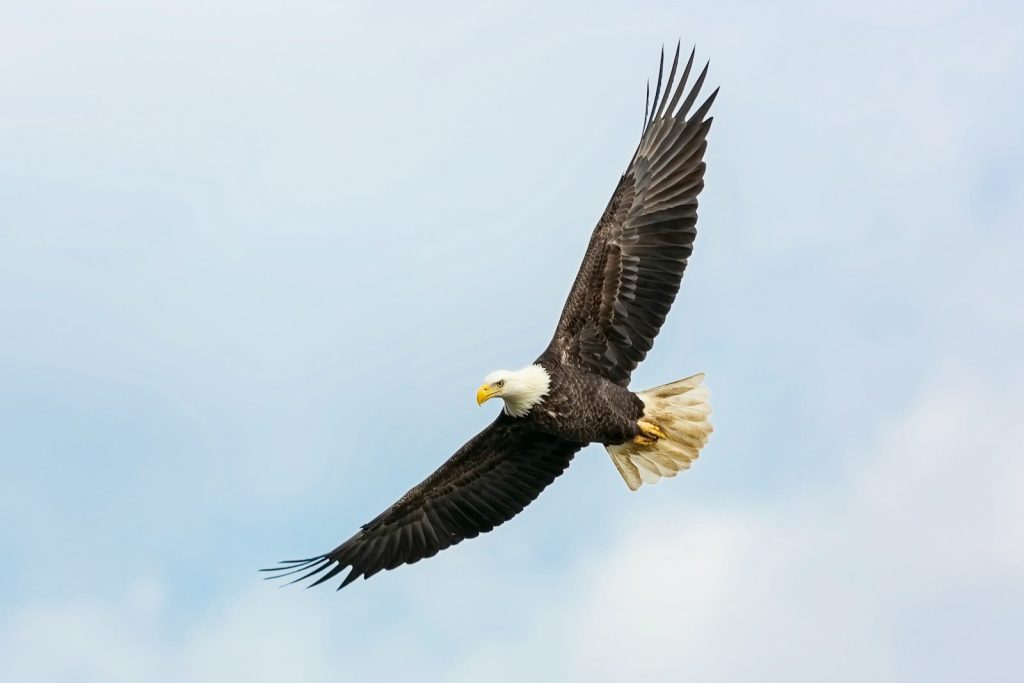
Few sights are more iconic than a bald eagle soaring over Alaska’s rivers and coastlines. These birds are common throughout the state, especially near salmon-rich waters where food is abundant.
Alaska supports hundreds of bird species, making it a paradise for birdwatchers and wildlife photographers alike.
Why Alaska Remains One of Earth’s Last True Wildernesses
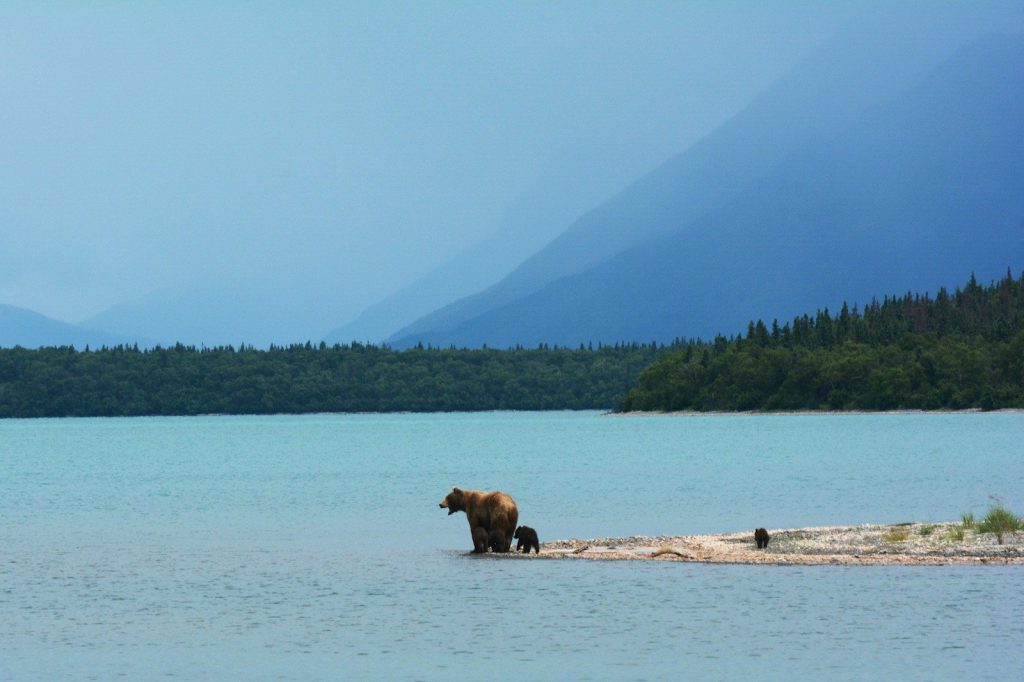
What makes Alaska special is not just its scenery, but how intact its ecosystems remain. Large portions of the state are protected as national parks, wildlife refuges, and conservation areas, allowing animals to live and migrate freely.
From glaciers and mountains to forests and oceans, Alaska represents a rare balance of land and wildlife that still functions largely without human disruption.
It is a reminder of what the natural world looks like when it is still allowed to breathe, evolve, and thrive on its own terms.