Skip to content

Recent Posts

  • This Delicacy Is Driving a Rare Animal Toward Extinction
  • Unforgettable Wildlife Experiences Across British Columbia
  • Canada’s Wild Horse National Park Hidden in the Atlantic
  • Hunters Flock to These US States Every Deer Season
  • Vultures May Be Helping Florida Fight Invasive Burmese Pythons

Most Used Categories

  • Nature & Wildlife (102)
  • Risk (25)
  • Hunting (17)
  • Human Interest (15)
  • Survival (13)
  • Bees/Swarms fear (12)
  • Exotic Animals (7)
  • Suspense (6)
  • Adventure (3)
  • Gears (2)
Skip to content
  • About Us
  • Contact Us
  • Disclaimer
  • Privacy Policy
  • Terms & Conditions

Hive Hunters Tales

  • Suspense
  • Nature & Wildlife
  • Human Interest
  • Hunting
  • Bees/Swarms fear
  • Exotic Animals
  • Risk
  • Survival
  • Adventure
  • Gears
  • Home
  • Nature & Wildlife
  • Canada’s Wild Horse National Park Hidden in the Atlantic
three assorted-color horses running away from a mountain

Canada’s Wild Horse National Park Hidden in the Atlantic

JakeJune 3, 2026June 3, 2026

Sable Island, a remote sandbar off the coast of Nova Scotia, is one of Canada’s most unusual national park reserves. Often compared to Assateague Island in the United States, it is best known for its population of wild horses that roam freely across shifting dunes and windswept beaches.

A remote island shaped by isolation
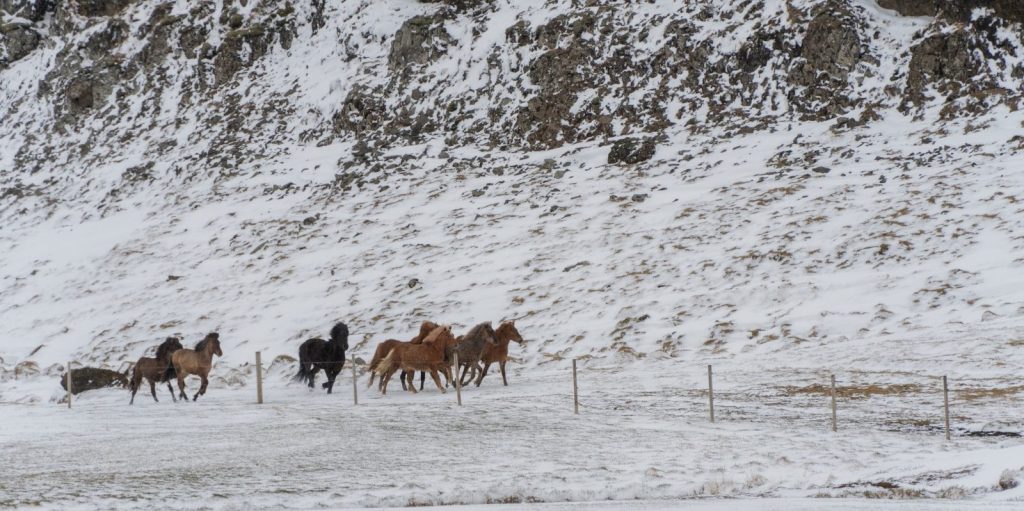
a group of horses running in the snow
Photo by Thierry Biland on Unsplash

Sable Island lies far out in the Atlantic Ocean and is managed by Parks Canada as a protected national park reserve. Its isolation has helped preserve a rare and fragile ecosystem where wildlife has adapted to harsh winds, limited vegetation, and constantly changing sand formations.

The origin of the wild horses
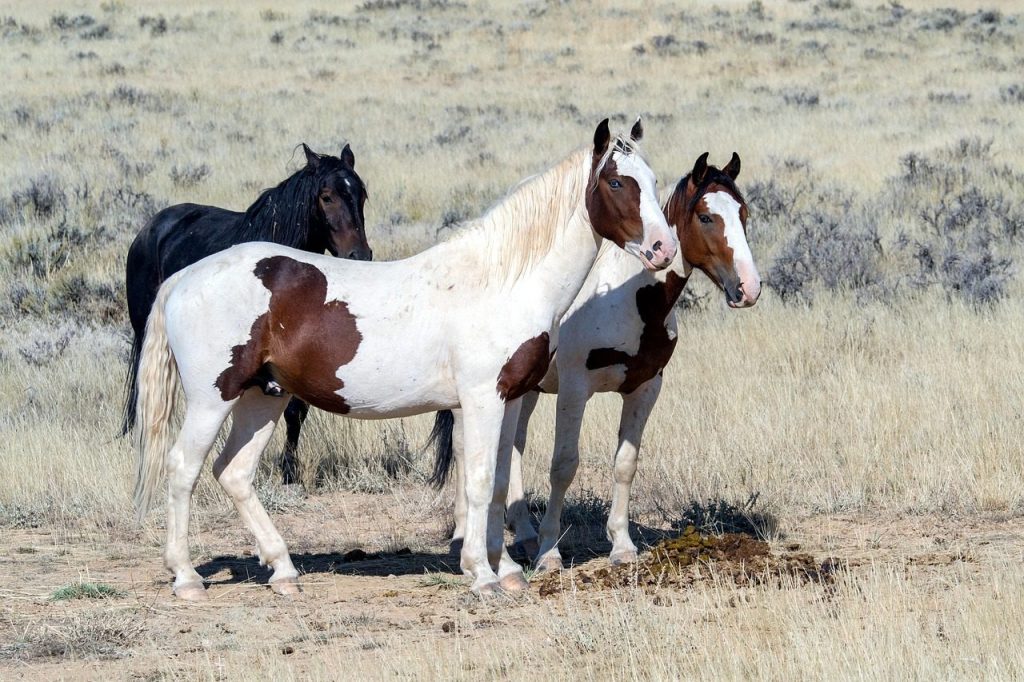
wild horses, wild mustangs, mustangs, horses, american wild horses, wild horses, wild horses, wild horses, wild horses, wild horses, horses, horses
Photo by kasabubu on Pixabay

The island’s famous horse population traces back to the 1700s, when early settlers introduced horses with the hope they would survive shipwrecks and support future rescue efforts. Over time, additional animals were brought to the island, but only the horses managed to survive and establish a permanent population.

A thriving horse population today
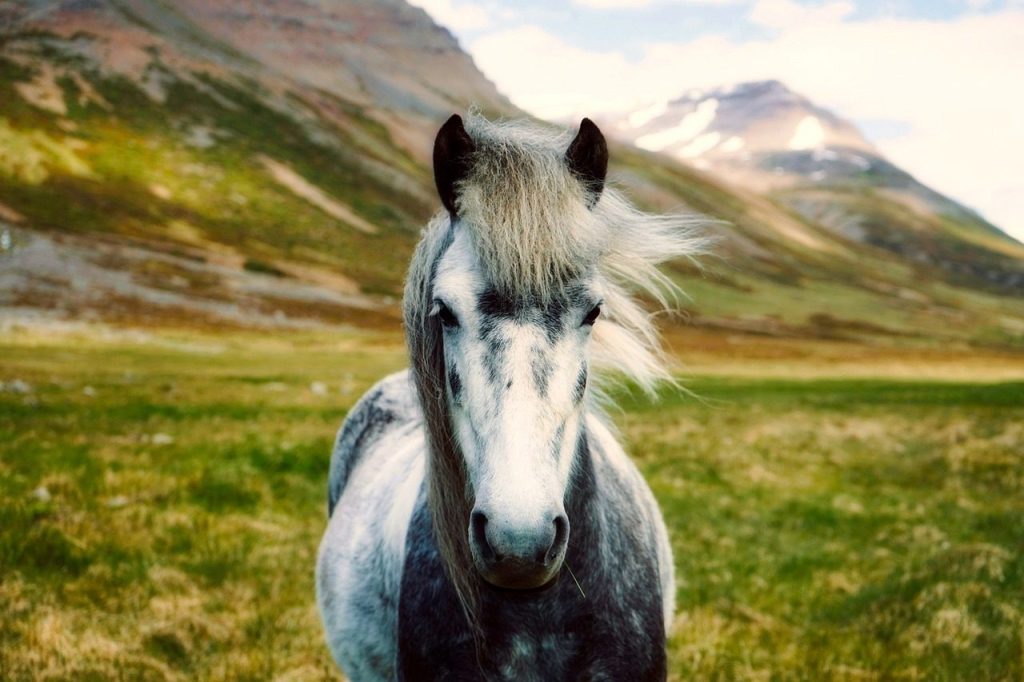
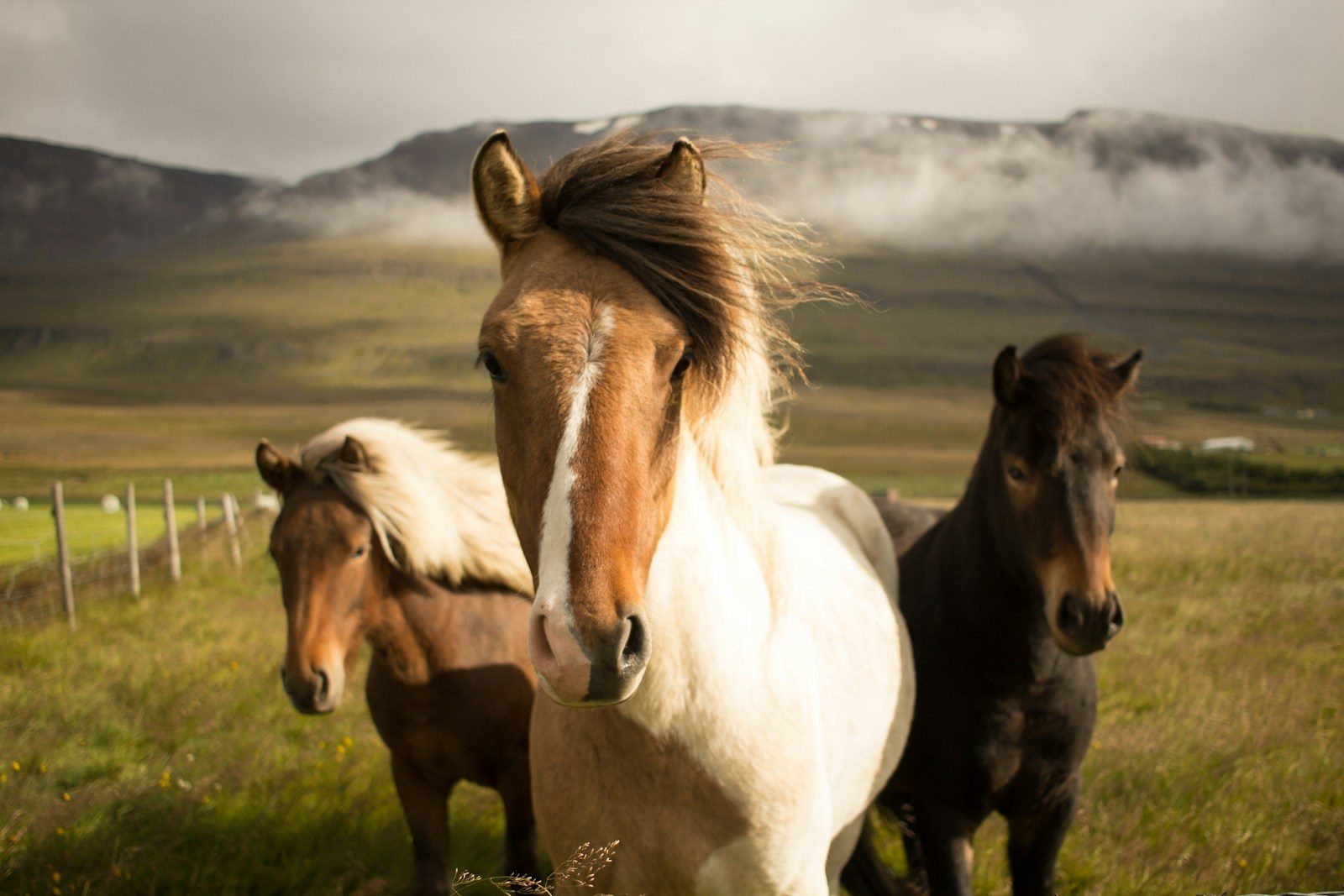
iceland, horse, pony, wild, landscape, nature, outdoors, countryside, rural, portrait, horse wallpaper, iceland, horse, horse, horse, horse, horse
Photo by 12019 on Pixabay

Today, around 500 wild horses live on Sable Island. With only a small number of researchers and staff on the island at any given time, the horses far outnumber humans. They have adapted to the environment by becoming smaller, stockier, and highly resilient to harsh weather conditions.

A rich and unexpected ecosystem
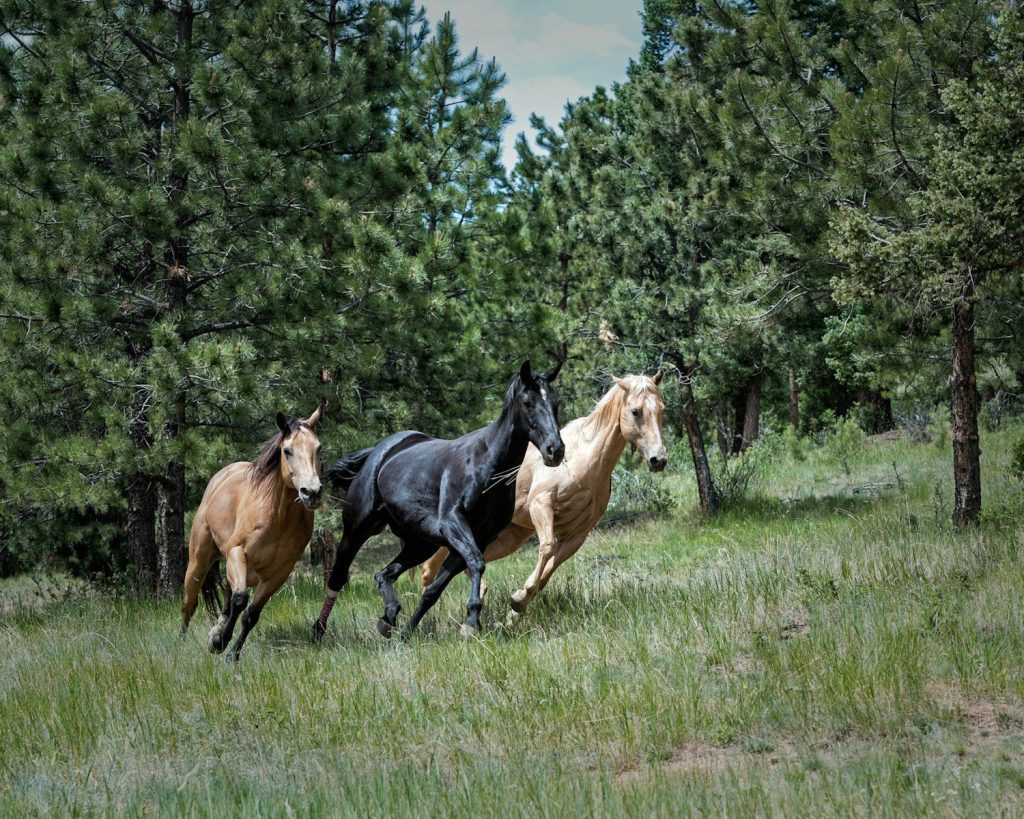
two brown and one black horse on green grass
Photo by Gene Devine on Unsplash

Although the horses are the most famous residents, Sable Island is also home to one of the world’s largest grey seal colonies. The island supports many bird species, including migratory seabirds such as Arctic terns, along with unique insects that have adapted to the sandy environment.

Shipwrecks and natural wonders
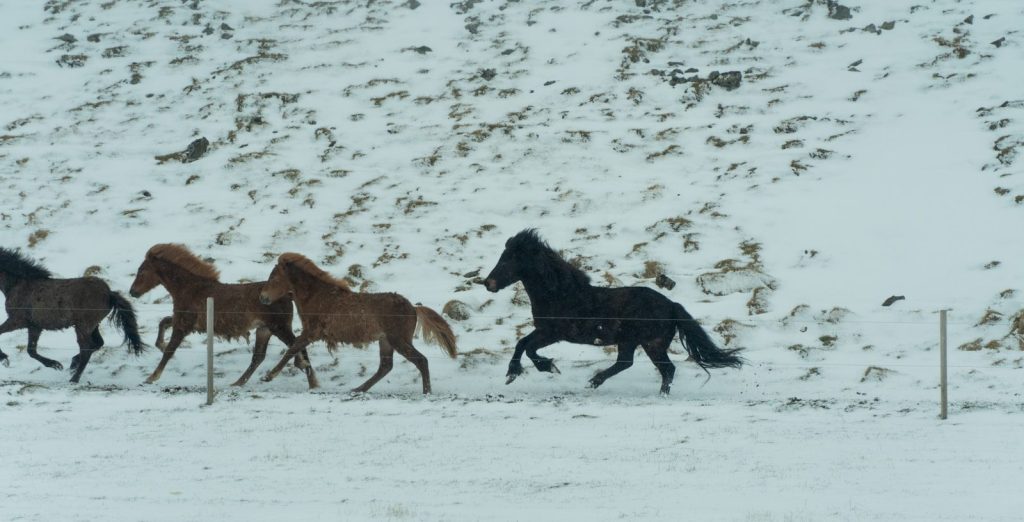
a herd of horses running across a snow covered field
Photo by Thierry Biland on Unsplash

Sable Island is often called the “Graveyard of the Atlantic” because more than 350 shipwrecks have occurred near its shores due to dangerous currents and dense fog. Alongside this history, the island features shifting sand dunes, small freshwater ponds, and grass-covered landscapes shaped entirely by wind and sea.

Visiting Sable Island
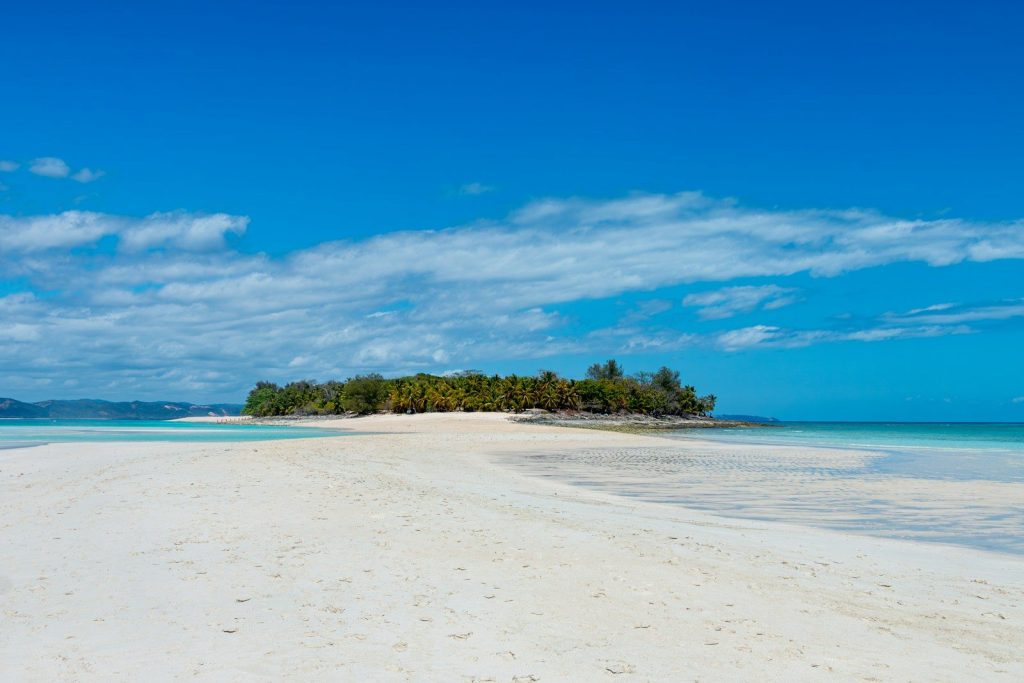
A sandy beach with a small island in the distance
Photo by David Bruyndonckx on Unsplash

Access to Sable Island is strictly controlled to protect its fragile ecosystem. Visitors require a permit from Parks Canada or must travel with an approved operator. Limited guided visits are available during certain times of the year, making it one of the most exclusive wildlife destinations in Canada.

Sable Island remains a rare example of a place where nature dominates almost completely, offering a glimpse into a world where wild horses still roam free across an untouched Atlantic landscape.
Post navigation

Previous: Hunters Flock to These US States Every Deer Season
Next: Unforgettable Wildlife Experiences Across British Columbia

Related Posts

Pigeons surround a person's legs on a brick ground.

Unforgettable Wildlife Experiences Across British Columbia

June 3, 2026June 3, 2026 Jake
flock of birds on green grass field during daytime

Vultures May Be Helping Florida Fight Invasive Burmese Pythons

June 3, 2026June 3, 2026 Jake
fox, red fox, nature, animals, wild, mammal, predator, wildlife

The Incredible Comeback of the Santa Catalina Island Fox

June 3, 2026June 3, 2026 Jake

Leave a Reply Cancel reply

Your email address will not be published. Required fields are marked *

Recent Posts

  • This Delicacy Is Driving a Rare Animal Toward Extinction
  • Unforgettable Wildlife Experiences Across British Columbia
  • Canada’s Wild Horse National Park Hidden in the Atlantic
  • Hunters Flock to These US States Every Deer Season
  • Vultures May Be Helping Florida Fight Invasive Burmese Pythons
Copyright All Rights Reserved | Theme: BlockWP by Candid Themes.