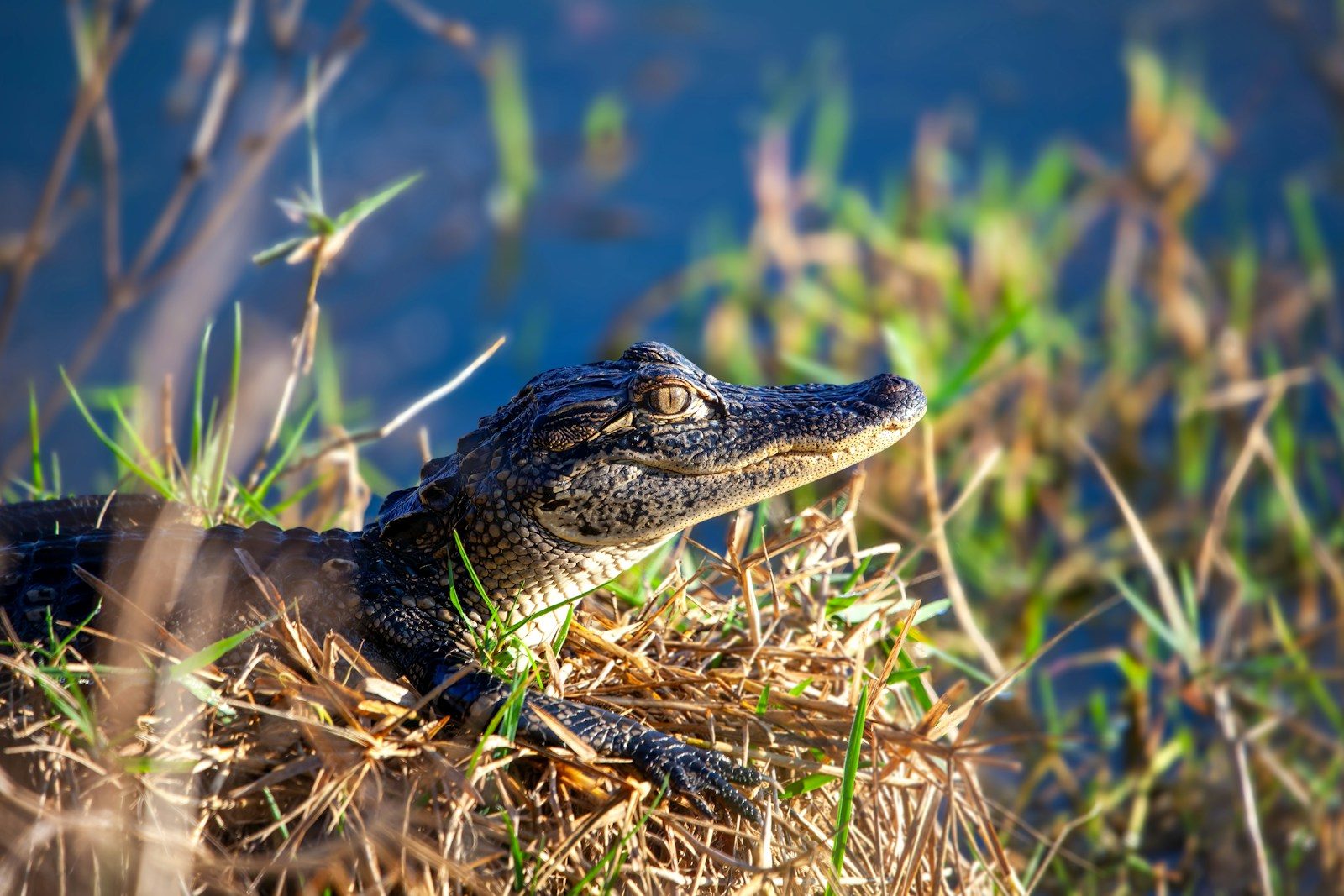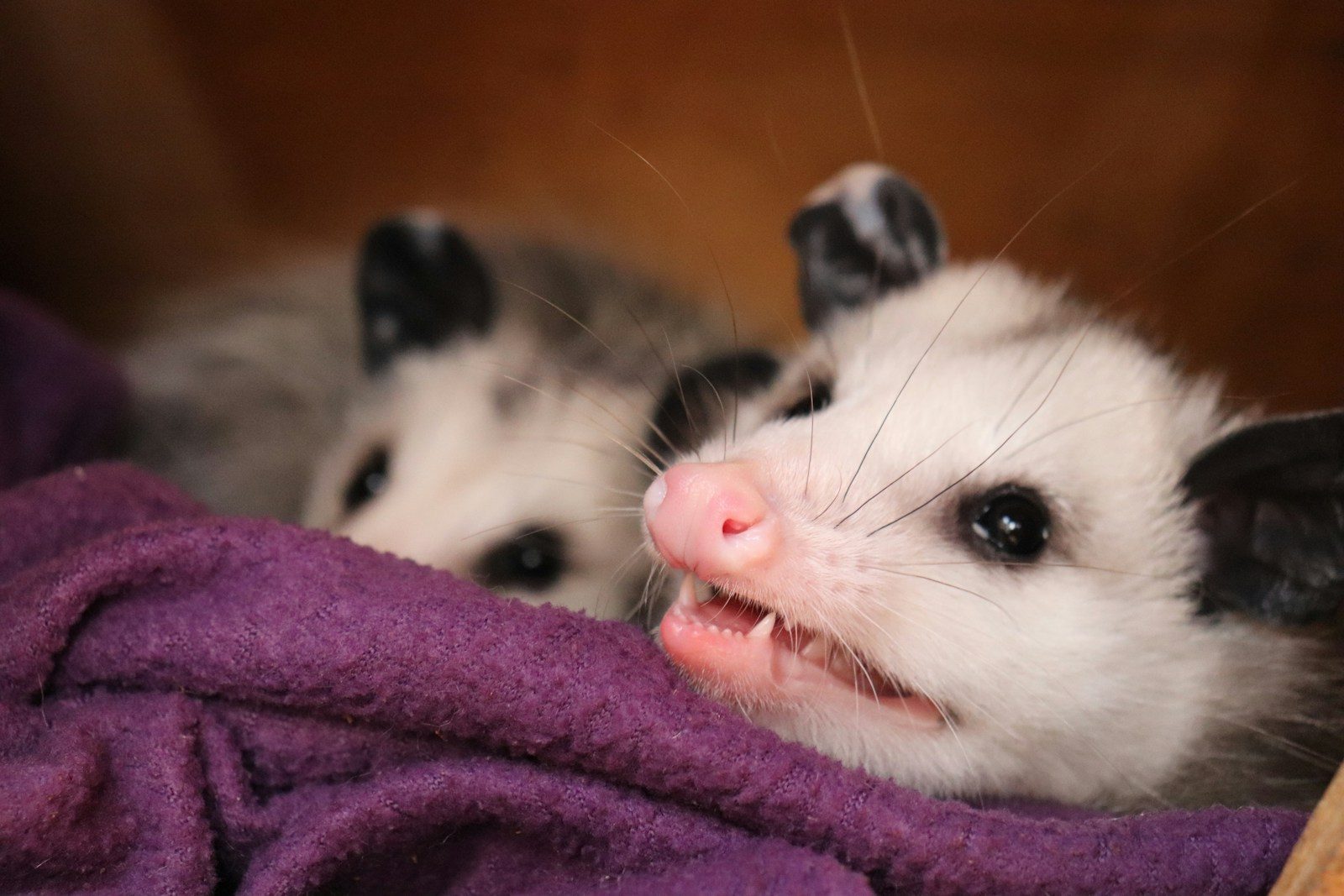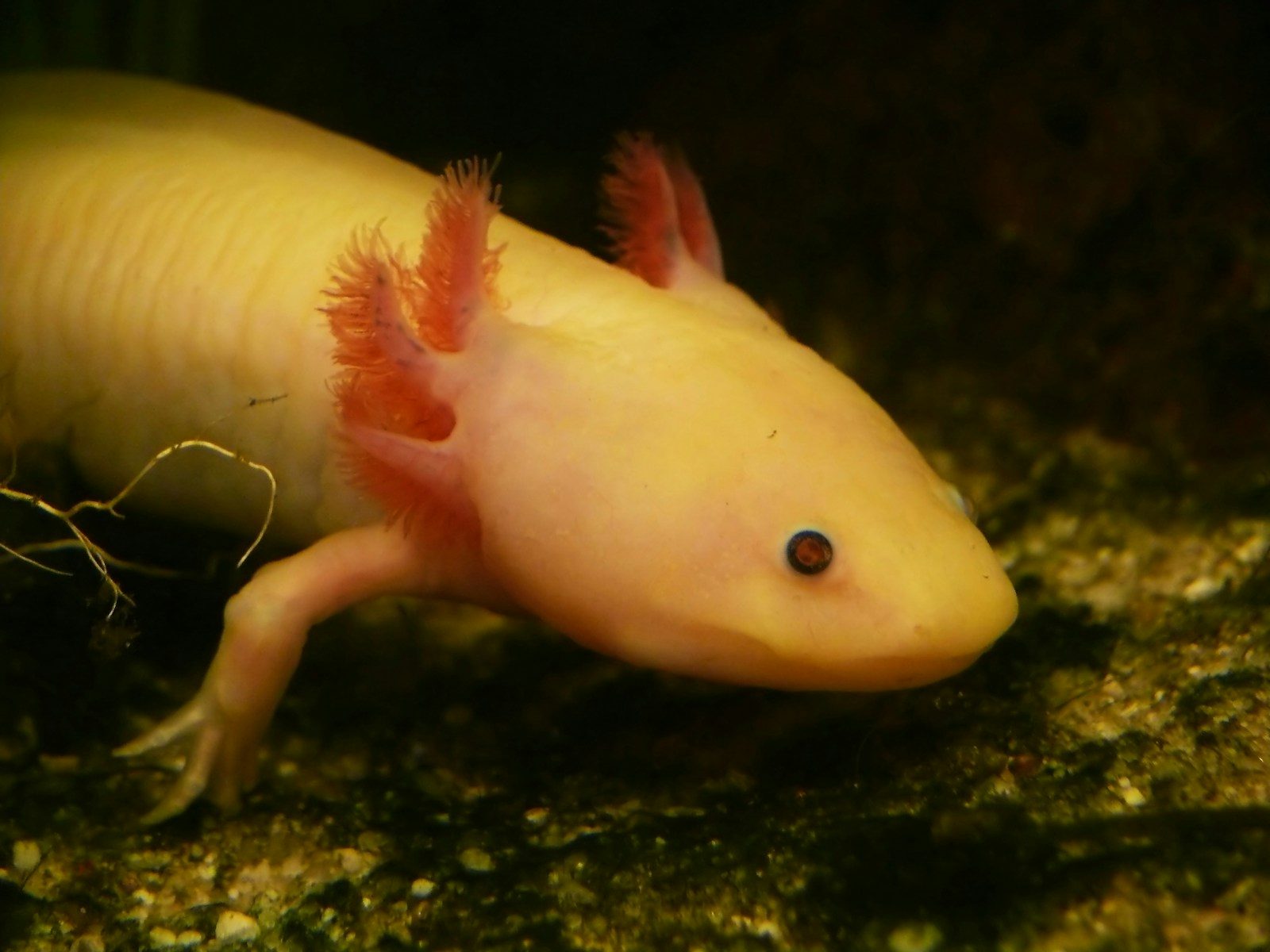
Exotic pets, from reptiles and birds to small mammals, require far more specialized care than traditional pets like cats and dogs. Their survival depends on precise environmental conditions, nutrition, and handling practices that closely match their natural habitats.
Without proper husbandry, even healthy exotic animals can quickly develop stress, illness, or long-term health problems that are often preventable.
What Proper Husbandry Really Means

Husbandry refers to the daily care of an animal, including its housing, diet, hygiene, and overall environment. For exotic pets, this concept is especially important because their needs are highly specific.
Each species has unique requirements that must be met consistently to ensure survival and long-term health.
Diet Is the Foundation of Health
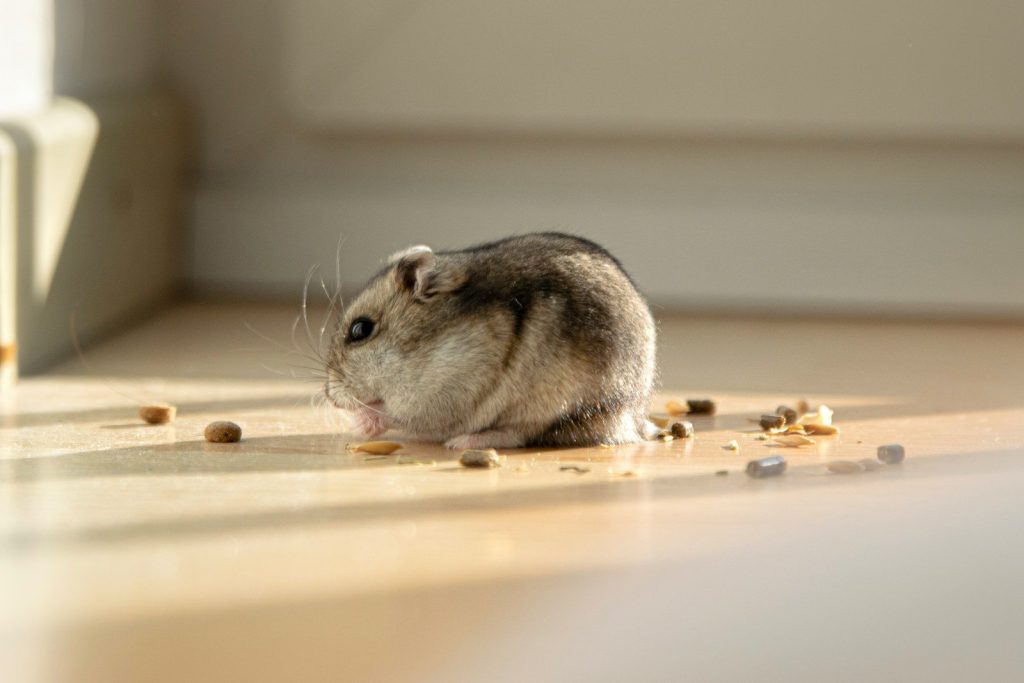
Nutrition plays a critical role in exotic pet care. Many species suffer when fed incorrect or incomplete diets.
Reptiles may require insects with supplements, birds need balanced pellets and fresh produce, and small mammals depend on high-fiber foods rather than processed diets. Small mistakes in feeding can lead to serious deficiencies over time.
Housing Must Mimic Natural Environments
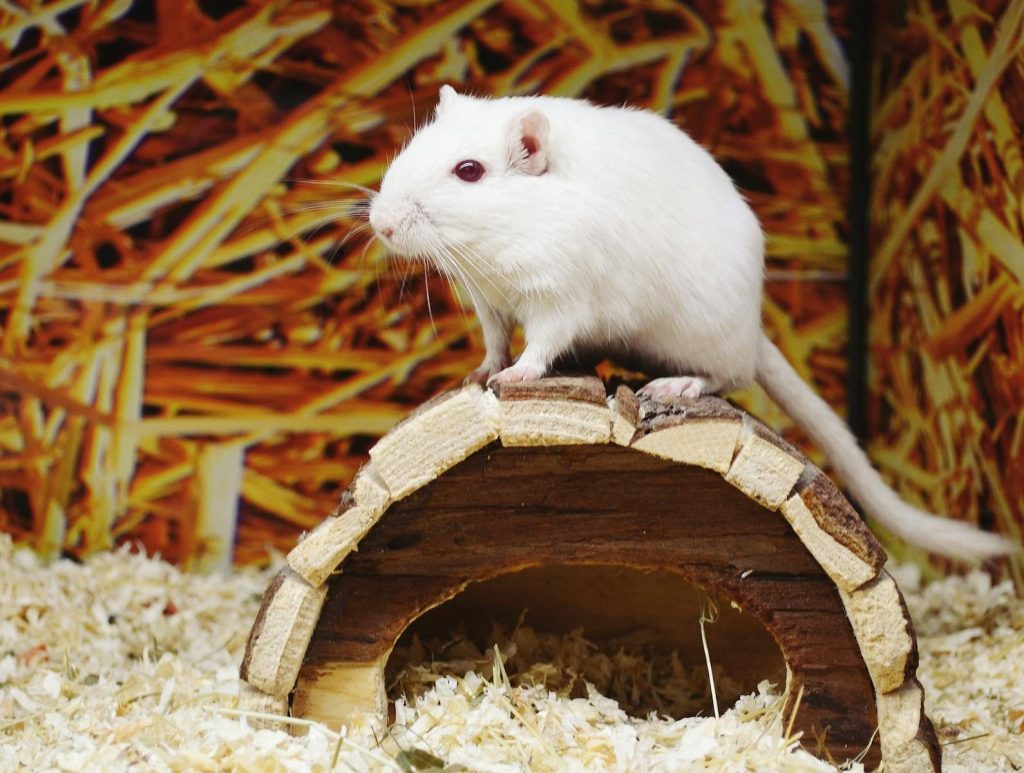
Proper enclosures are not just cages, they are controlled habitats designed to replicate natural conditions. Temperature, humidity, lighting, and space all need to match species-specific requirements.
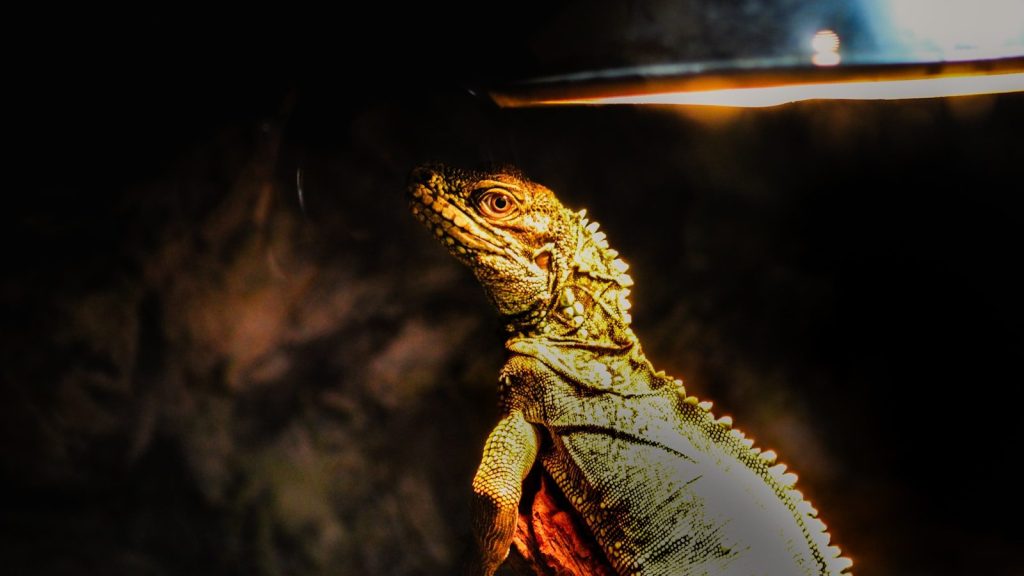
For reptiles especially, UVB lighting and heat gradients are essential for metabolism and immune health.
Enrichment Prevents Stress and Behavioral Issues

Exotic animals are often intelligent and sensitive to boredom. Without stimulation, they may develop stress-related behaviors or stop eating properly.
Toys, climbing structures, hiding areas, and environmental variation help mimic natural behaviors and improve overall wellbeing.
Hygiene and Clean Environments Are Critical
Dirty habitats can quickly lead to infections, parasites, and respiratory issues. Regular cleaning schedules and safe disinfectants are essential parts of responsible care.
Even small lapses in cleanliness can create serious health risks for sensitive exotic species.
Veterinary Care Is Often Specialized
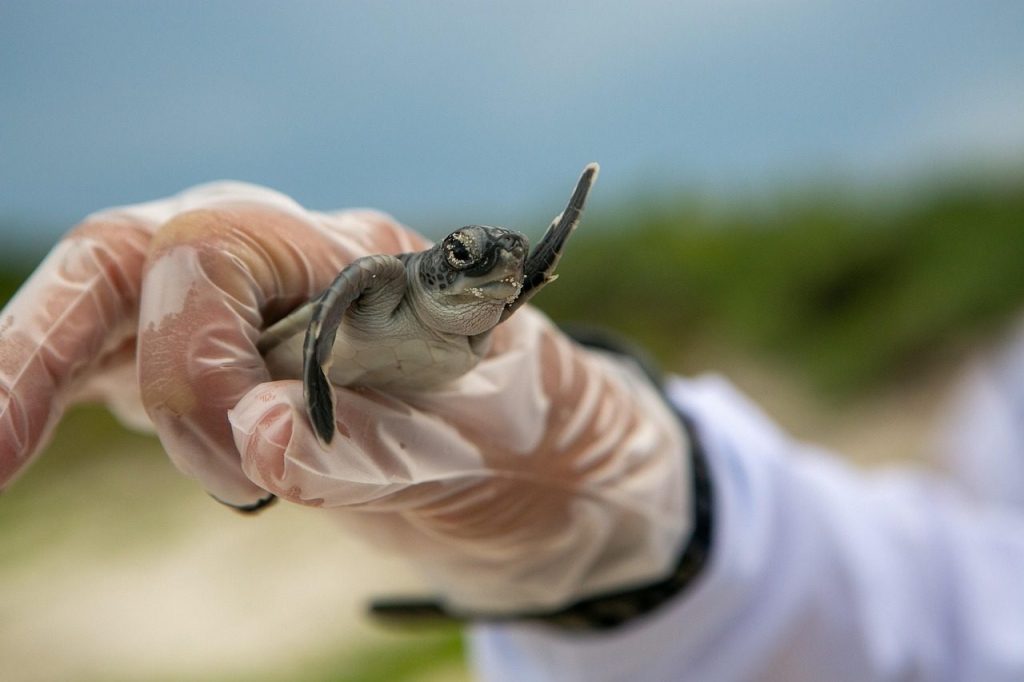
Many exotic pets hide signs of illness until conditions become severe. This makes routine checkups essential for early detection of health problems.
Access to veterinarians trained in exotic species is also a key factor in responsible ownership and long-term survival.
Responsibility Before Ownership Matters Most
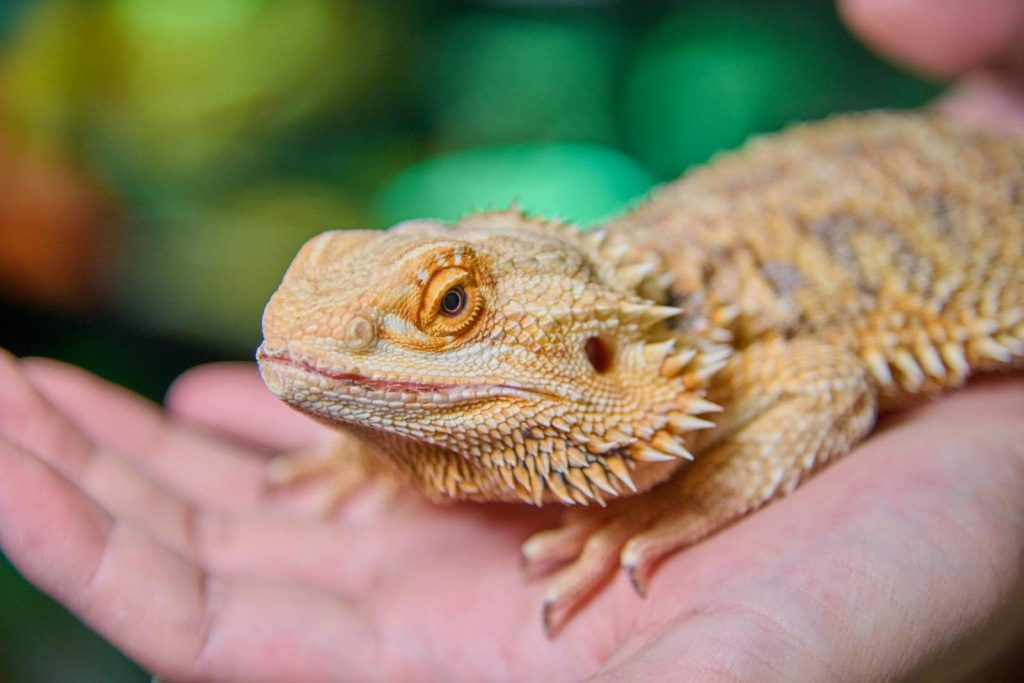
Owning an exotic animal requires long-term commitment, research, and preparation before bringing it home. Many species live long lifespans and require consistent care for decades.
Understanding these needs in advance helps prevent neglect and improves welfare outcomes for animals that cannot adapt easily to incorrect environments.