After the Chernobyl nuclear disaster in 1986, the surrounding forests in Ukraine were turned into one of the most dangerous places on Earth. Radiation spread across the land, forcing humans to evacuate almost overnight and leaving behind a silent, contaminated wilderness.
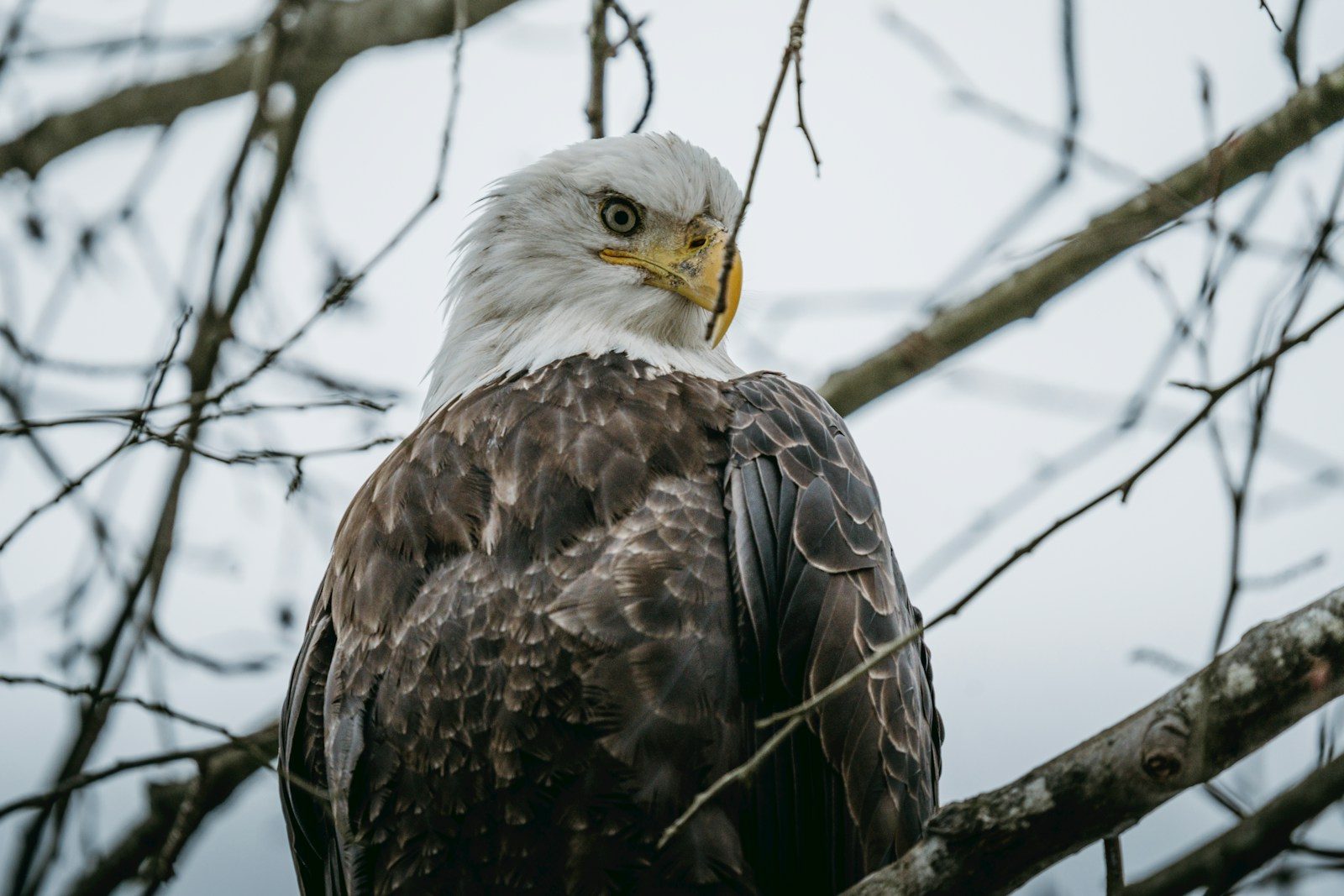
Decades later, nature has returned in unexpected ways. Wolves, bears, deer, foxes, and countless other species now move through the abandoned zone, creating a strange mix of recovery and environmental warning.
The Explosion That Changed Everything
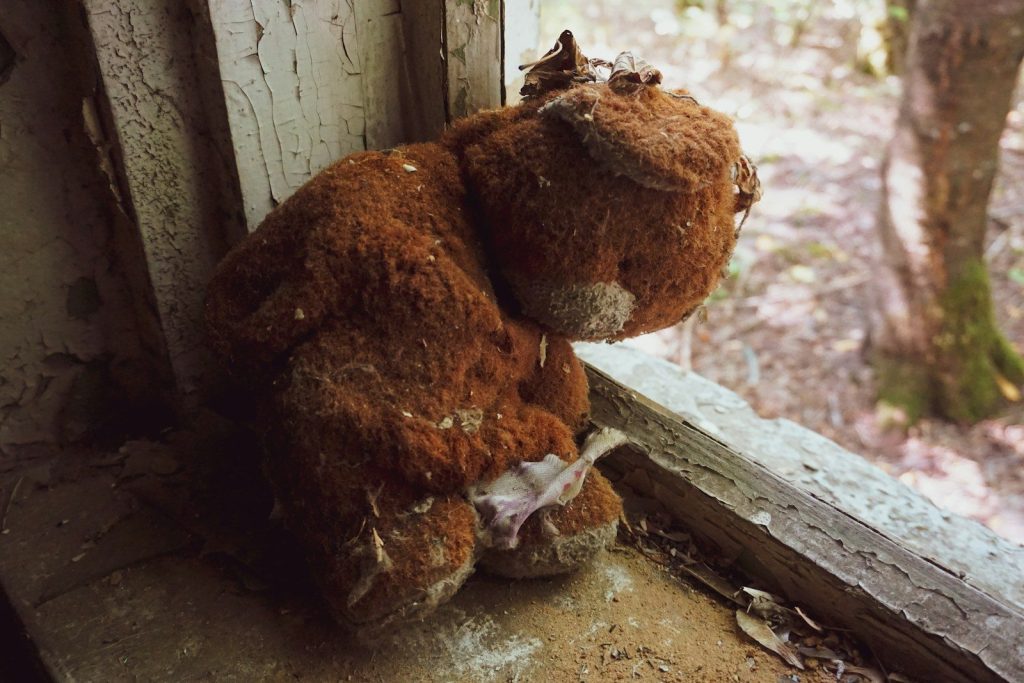
In 1986, a reactor at the Chernobyl Nuclear Power Plant exploded, releasing massive amounts of radioactive material into the atmosphere. Entire towns were evacuated within hours.
The surrounding region became known as the “Exclusion Zone,” a place where human life was no longer safe due to long-term radiation exposure.
Nature Takes Back the Dead Zone
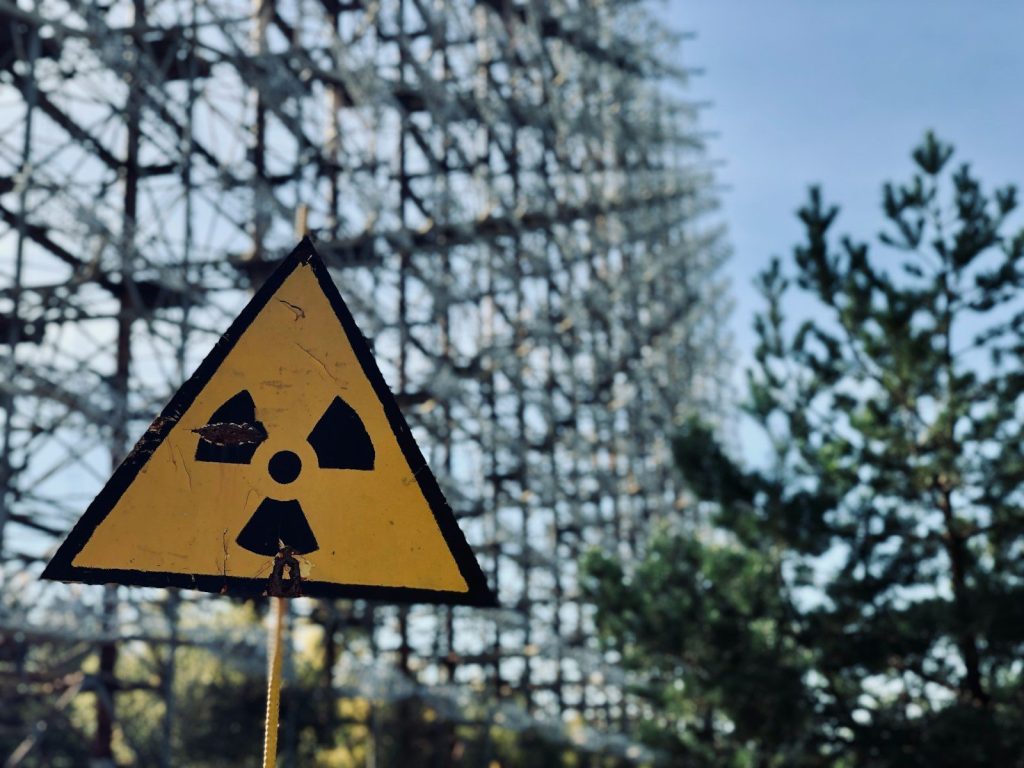
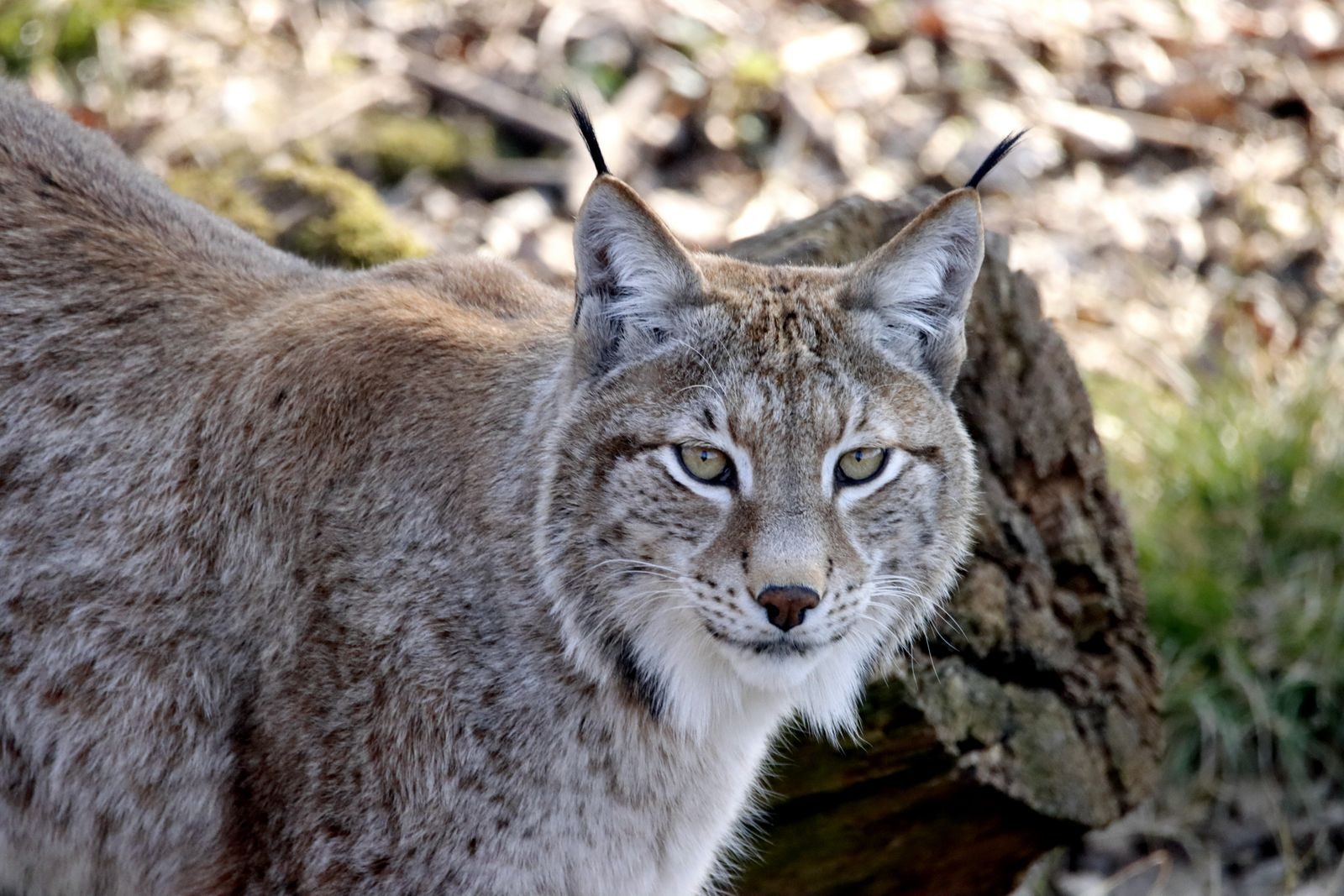
With humans gone, wildlife slowly returned to the abandoned forests and villages. Animals such as wolves, bears, lynx, and wild boar began roaming freely through areas once filled with people.
Even domesticated animals and their descendants adapted, surviving in a landscape that remains partially contaminated.
Signs of Radiation Damage in Wildlife
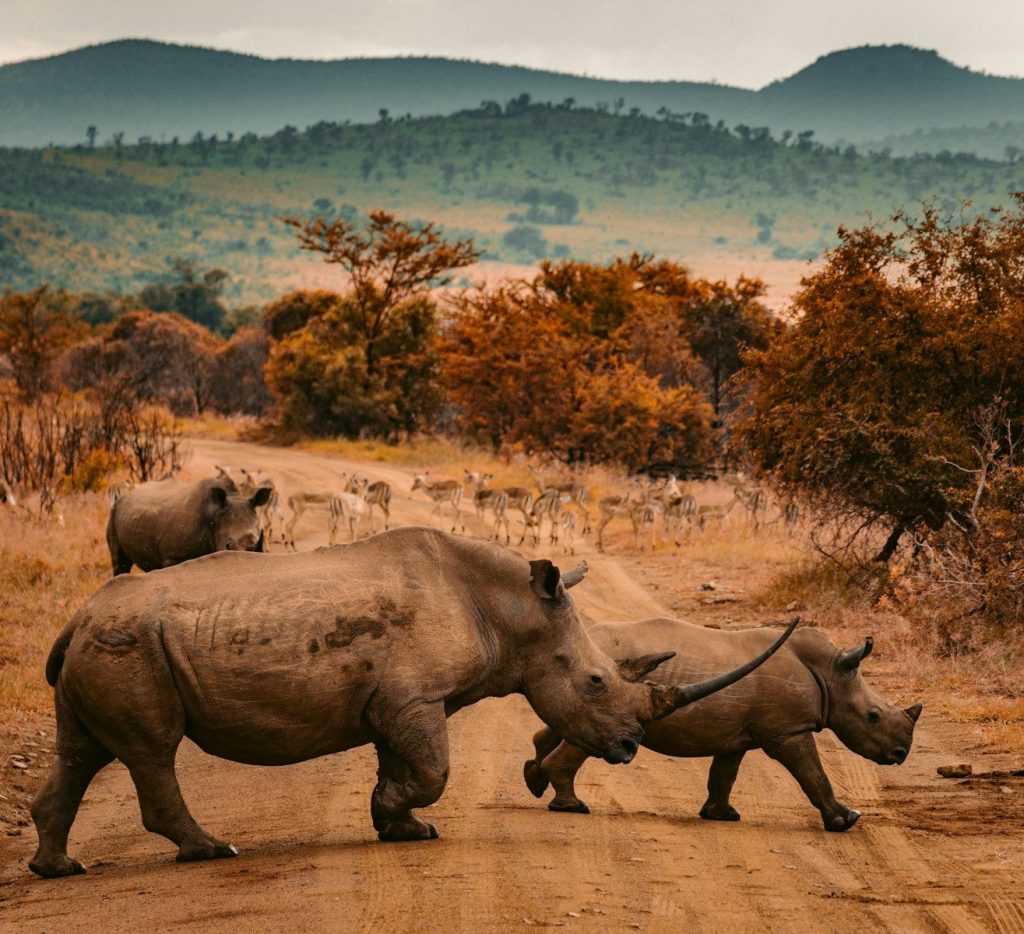
Scientists studying the zone have reported unusual biological effects in some animals. These include cataracts, tumors, and reduced lifespan in certain populations.
Insects and birds have also shown irregular patterns, suggesting that radiation may still be affecting genetic development in subtle ways.
Distorted Ecosystems and Strange Growth
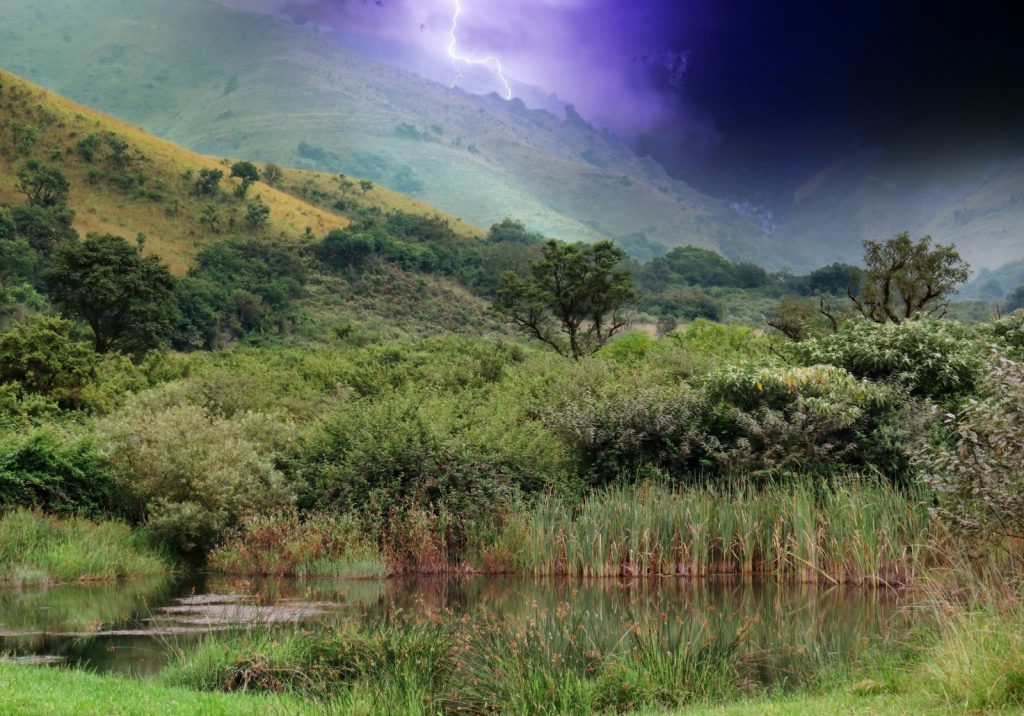
Beyond animals, vegetation in some areas shows signs of stress. Trees grow in unusual shapes, and certain regions have been described as biologically “chaotic.”
Spiderwebs and insect populations also appear different from those outside the zone, raising questions about long-term environmental changes.
How Some Animals Are Surviving
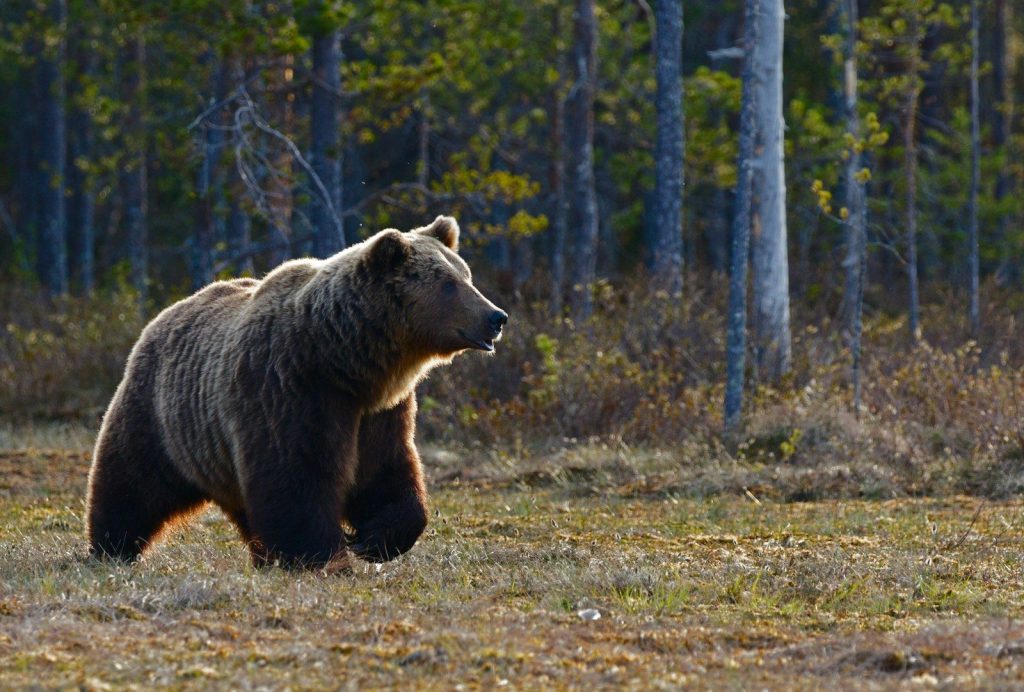
Despite the radiation, many species are not only surviving but thriving in the absence of humans. With no hunting, farming, or urban expansion, the ecosystem has space to rebuild itself.
Some researchers believe that animals with faster reproduction rates may adapt more effectively over generations.
Adaptation or Slow Damage?
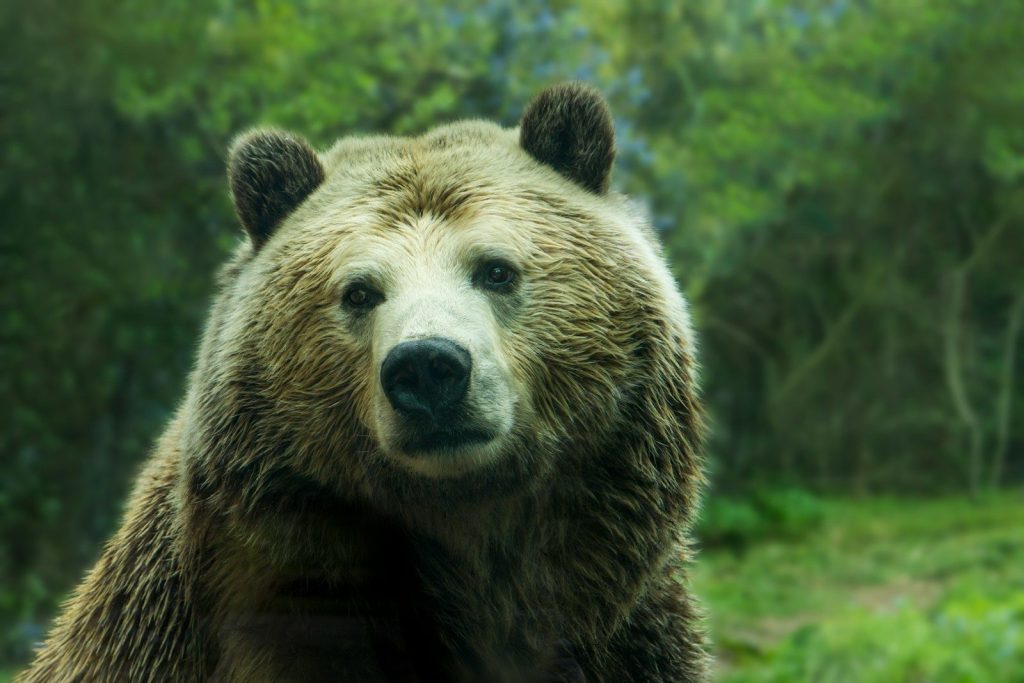
The big scientific question is whether these animals are truly adapting or simply surviving under continuous genetic stress. Radiation can cause changes that are not always immediately visible.
Long-term studies are still ongoing, and the full impact on wildlife evolution inside the zone is not yet fully understood.
A Living Laboratory of the Apocalypse
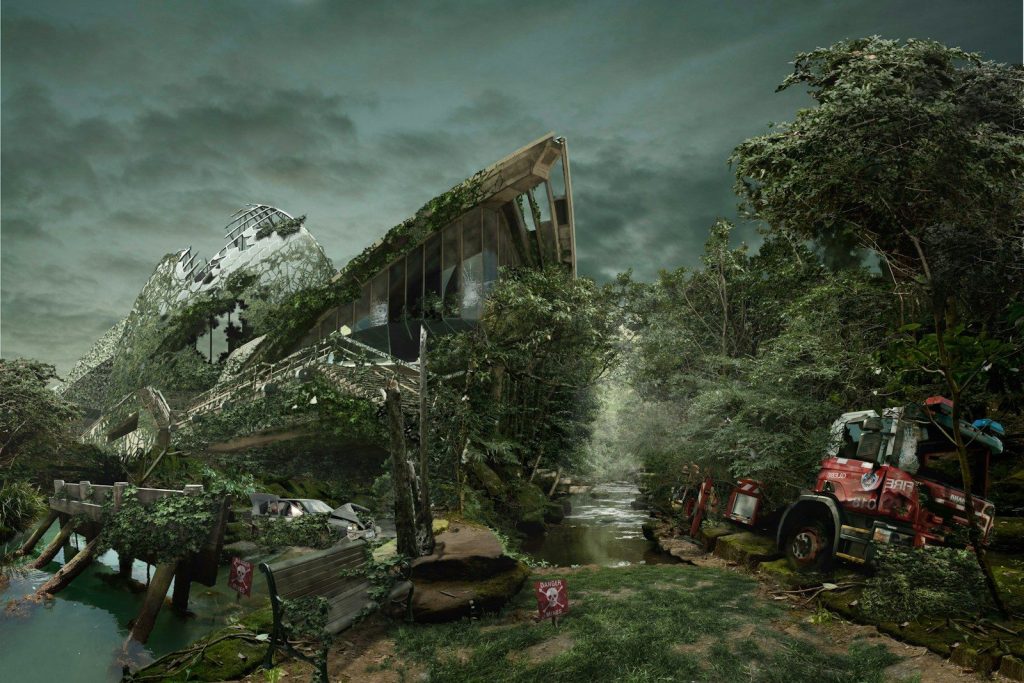
The Chernobyl Exclusion Zone has become a rare real-world experiment in what happens when humans disappear from a contaminated landscape. It is both a warning and a mystery.
While life has returned, it exists under unusual and sometimes disturbing conditions—making it one of the most haunting wildlife environments on Earth.