A new French study has revealed that human activity has dramatically influenced the size of animals over the past millennium. Researchers found that while domesticated animals have steadily grown larger, wild species have become noticeably smaller, highlighting the long-term impact of human civilization on wildlife.
The research, led by scientists at the French National Centre for Scientific Research (CNRS), analyzed thousands of archaeological remains to better understand how humans have shaped animal evolution over time.
Domestic Animals Have Grown Larger

The study found that animals raised by humans, including sheep, goats, pigs, cows, chickens, and rabbits, have increased in size over the last 1,000 years. Researchers attribute this trend to selective breeding and farming practices aimed at improving productivity.
Human-driven environmental changes also played a key role. By choosing larger animals for breeding and altering agricultural landscapes, people gradually influenced the physical characteristics of domesticated species.
Wild Species Have Become Smaller
In contrast, wild animals such as deer, hares, and foxes have experienced a gradual reduction in size. Scientists believe increased hunting pressure and habitat loss have contributed to this long-term decline.
As natural ecosystems became more fragmented due to expanding human settlements, wild animals faced greater challenges in finding food, shelter, and safe breeding areas.
Human Influence Overtook Nature
Researchers noted that this pattern differs sharply from the previous 7,000 years, when both domestic and wild animals evolved in similar ways. During that earlier period, climate and environmental conditions were the main drivers of change.
Over the past millennium, however, human activity became the dominant force shaping animal evolution, surpassing the influence of natural environmental changes.
Thousands of Ancient Bones Examined
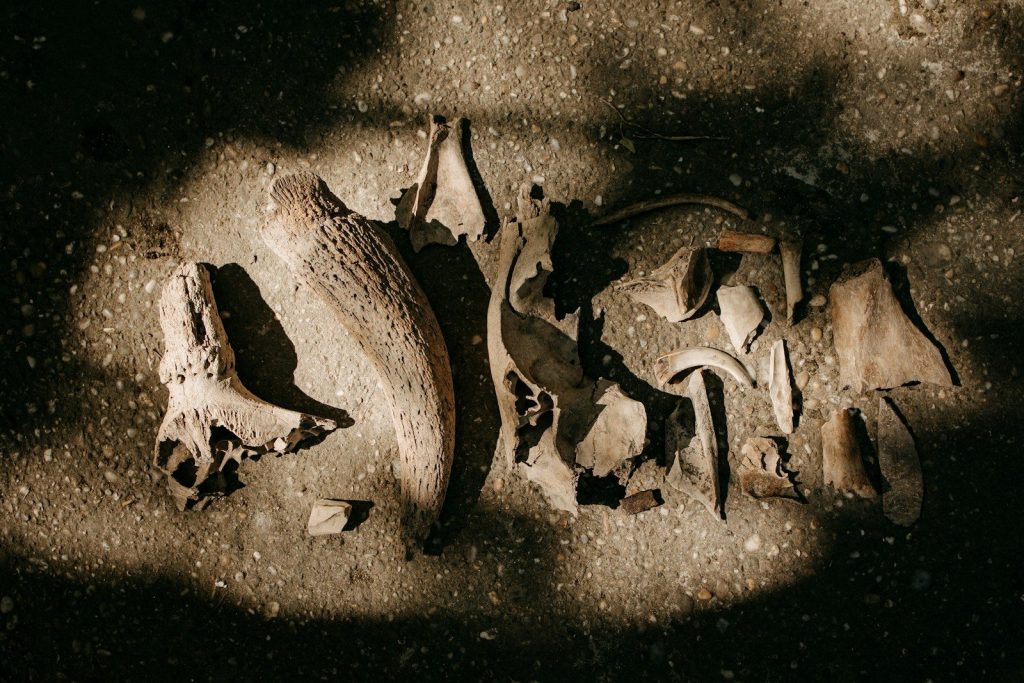
The findings are based on more than 80,000 bone measurements collected from 311 archaeological sites across southern France. Scientists combined these measurements with archaeological, climatic, and environmental records spanning several decades.
The large-scale project brought together experts in bioarchaeology, archaeology, and climate science to build one of the most comprehensive studies of long-term animal evolution.
What the Findings Mean

The researchers say the study highlights the growing influence humans have had on both domestic animals and wildlife throughout history. It provides valuable insight into how species adapt to increasing human pressures over time.
Published in the journal PNAS, the research also offers lessons for modern conservation efforts, emphasizing the importance of protecting natural habitats while understanding how human actions continue to shape the animal world.