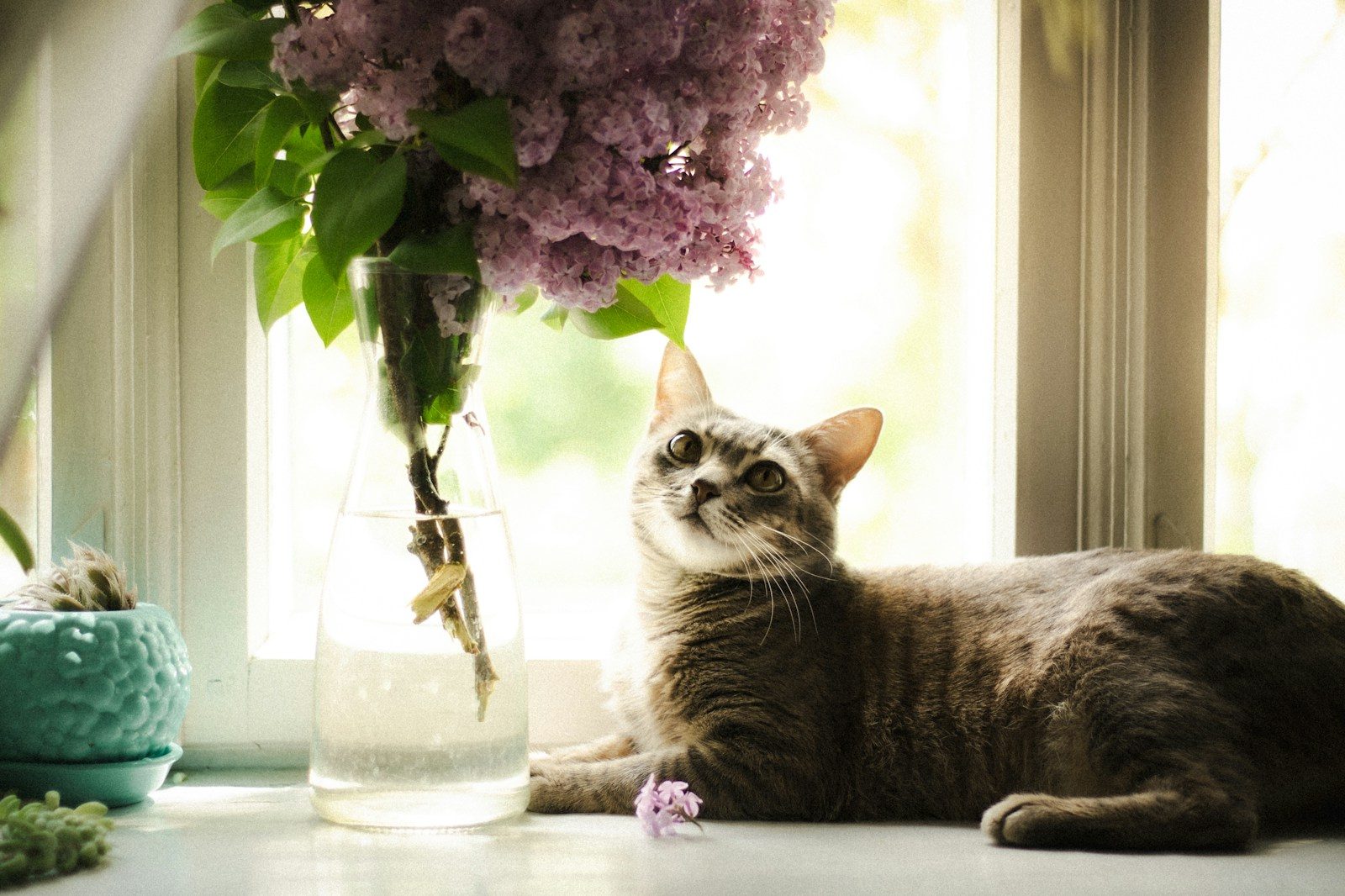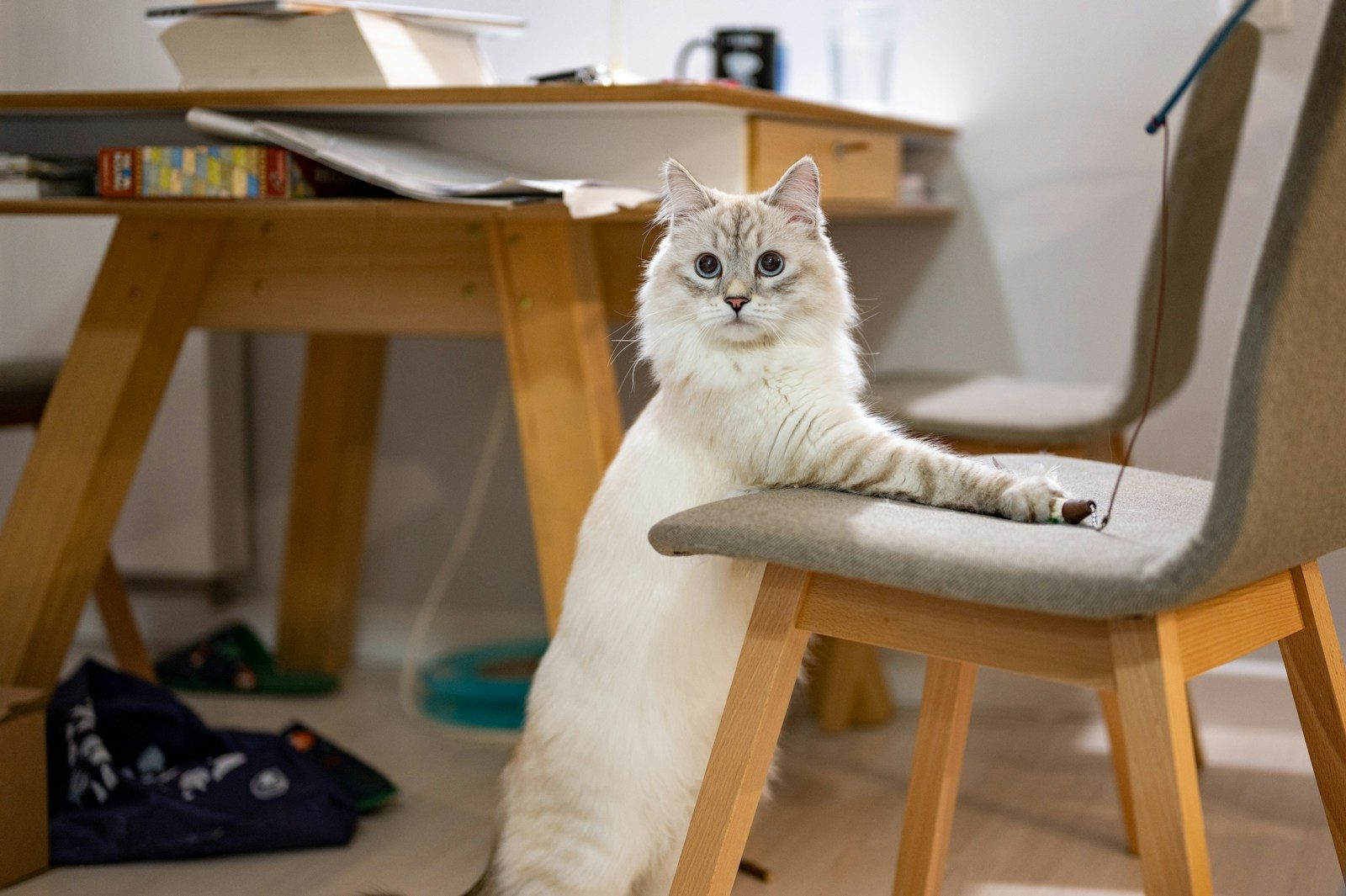
Many cats live happy, healthy lives as the only pet in a household. However, animal behavior experts sometimes use the term “single cat syndrome” to describe behavioral challenges that can develop in some cats, particularly young kittens that grow up without regular interaction with other felines. While it is not a formal medical diagnosis, the concept highlights the importance of socialization and environmental enrichment.
Not every cat living alone will experience these issues, as personality, early life experiences, and owner interaction all play significant roles. With proper care, attention, and stimulation, many single cats thrive and form strong bonds with their human families.
Kittens Learn Important Skills From Other Cats
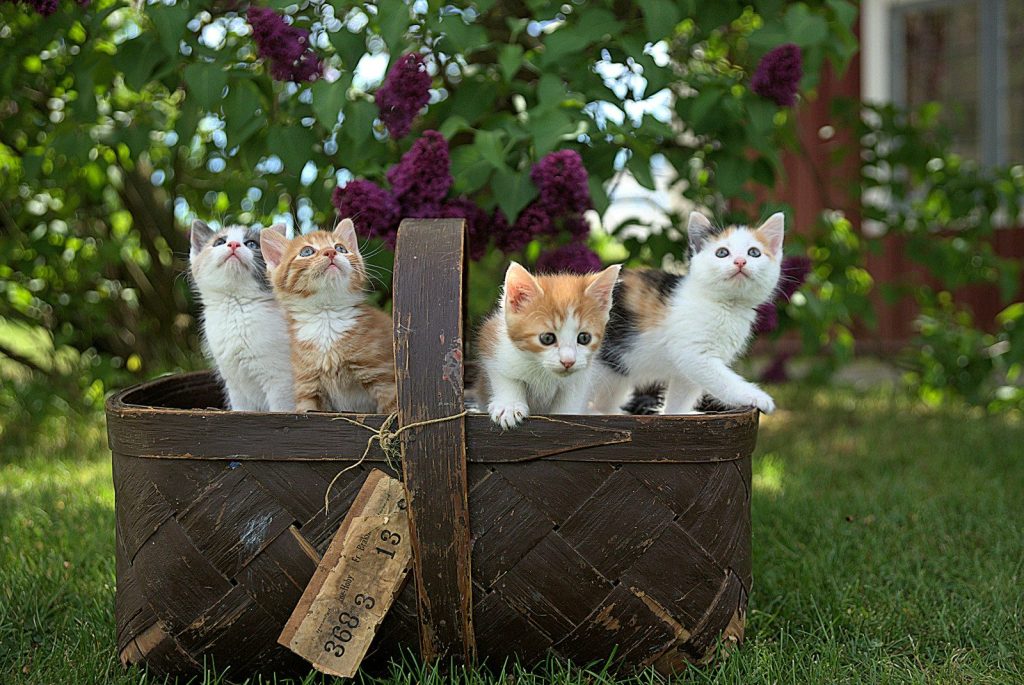
Young kittens develop social skills by interacting with their mother and littermates during the first weeks of life. These early experiences teach them how to play appropriately, communicate, and control the force of their bites and scratches.
Kittens separated too early may miss some of these valuable lessons. As a result, they can sometimes display rough play or have difficulty understanding social boundaries.
Boredom Can Lead to Problem Behaviors
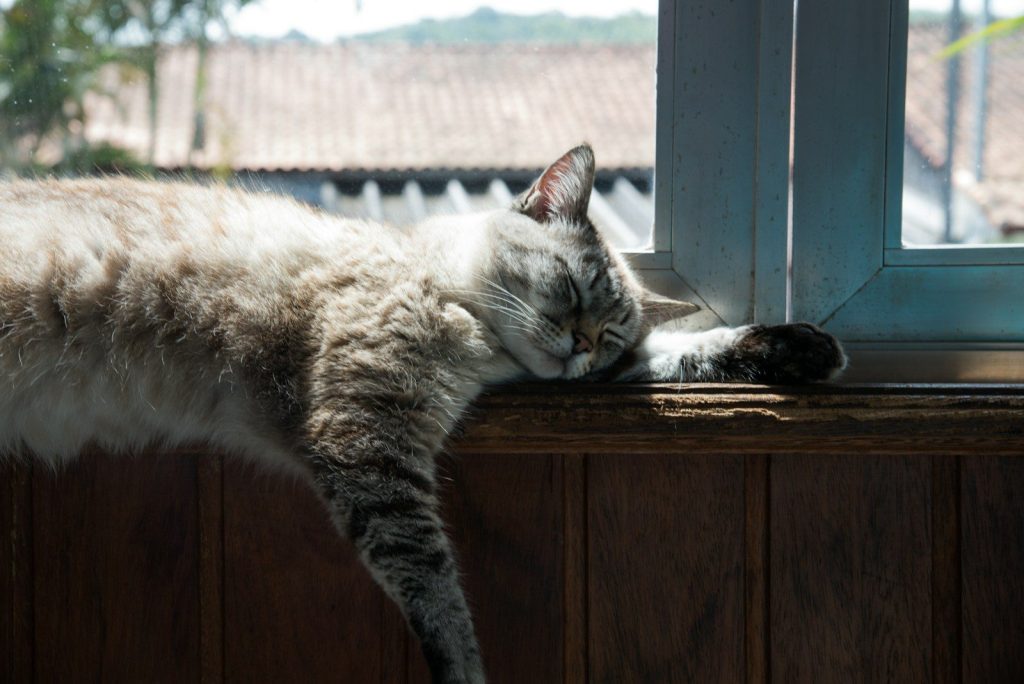
Cats living without enough mental or physical stimulation may become bored, especially if they spend long hours alone each day. Boredom can contribute to excessive meowing, destructive scratching, or unwanted attention seeking behaviors.
Interactive toys, climbing structures, puzzle feeders, and regular play sessions help satisfy a cat’s natural hunting instincts. Providing new experiences keeps both the body and mind engaged.
Human Interaction Becomes Even More Important
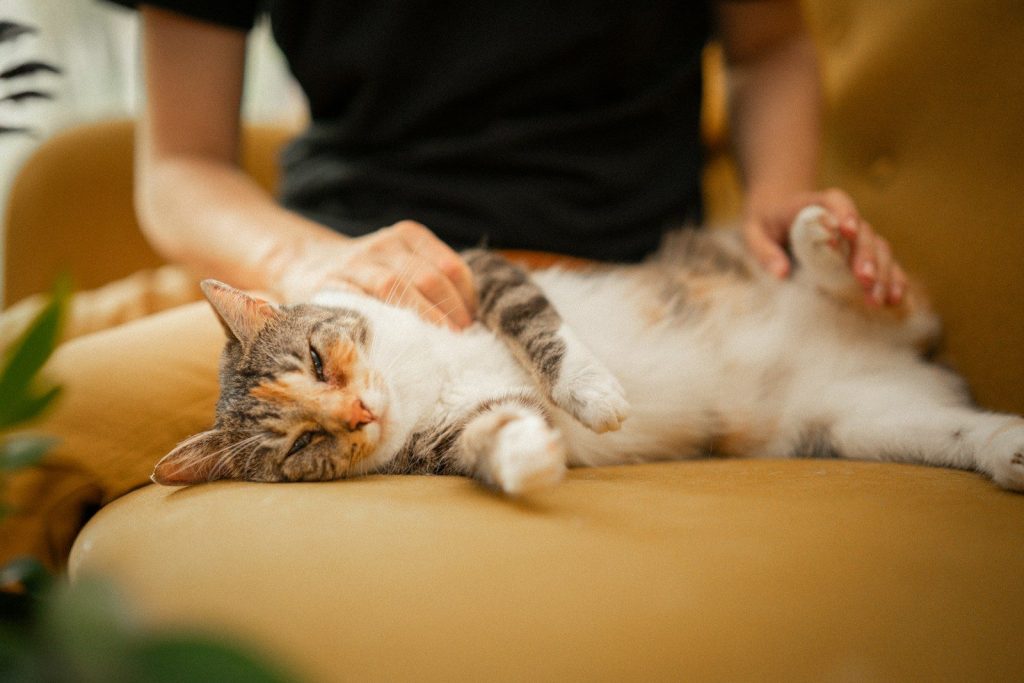
A single cat often depends heavily on its owner for companionship and entertainment. Spending time each day playing, grooming, or simply interacting helps strengthen the bond between cat and owner.
Short but frequent play sessions can provide valuable exercise while reducing stress and frustration. Positive interaction also helps build confidence and trust.
Not Every Cat Wants a Feline Companion
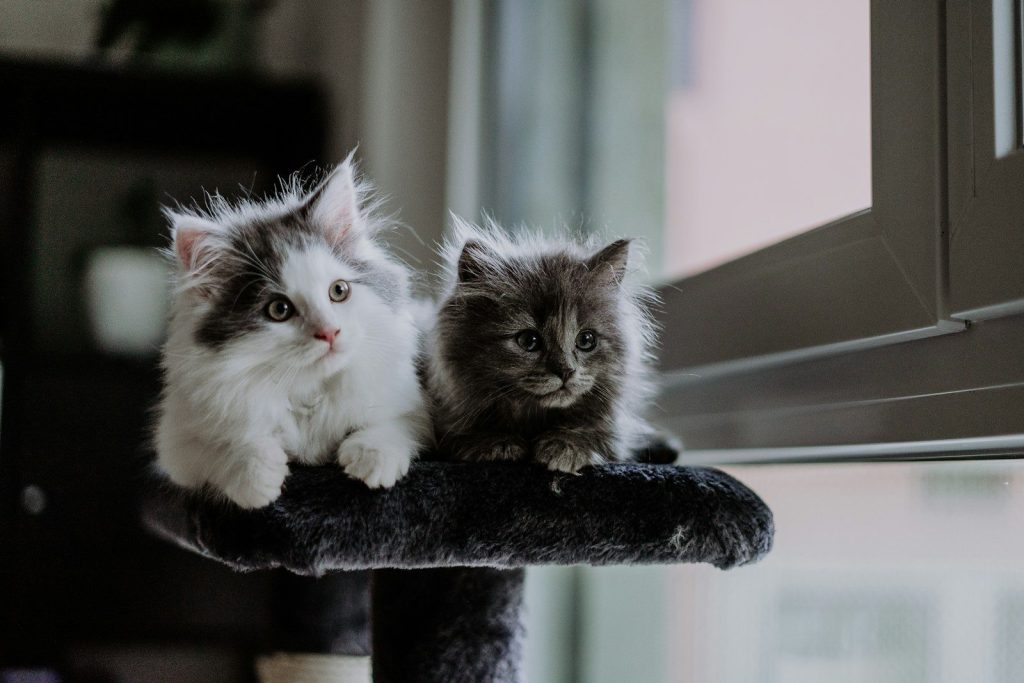
Although some cats enjoy living with other cats, many adult cats are naturally territorial and may prefer being the only pet. Their comfort depends more on personality than on the number of animals in the household.
Introducing another cat solely to prevent loneliness does not always produce positive results. Careful introductions and compatible temperaments are essential when expanding a multi cat household.
Environmental Enrichment Supports Wellbeing
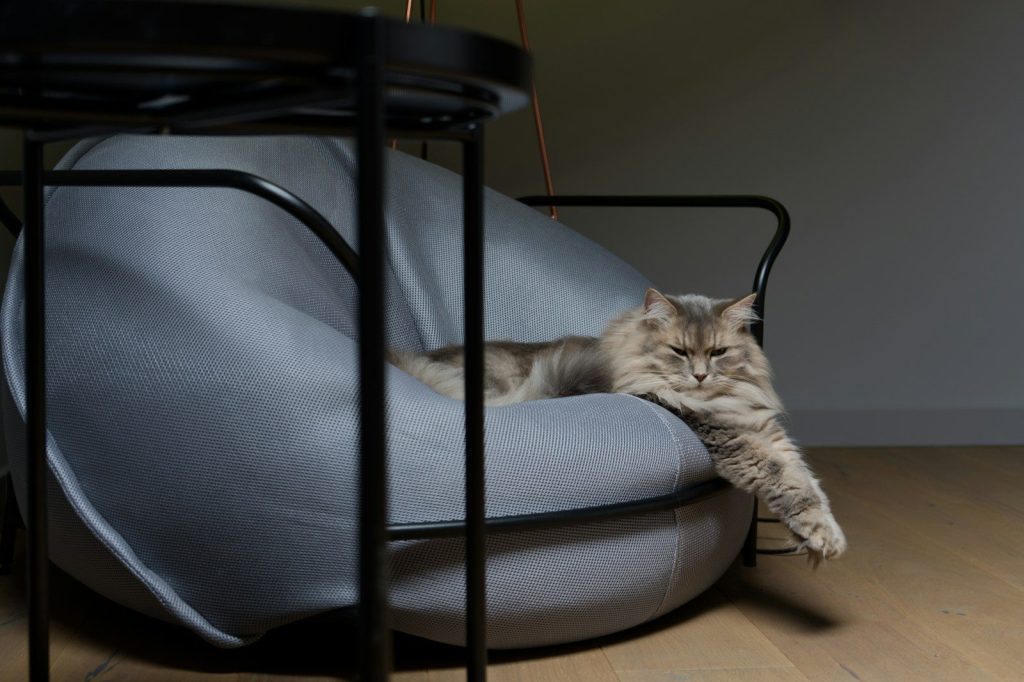
Indoor cats benefit from environments that encourage climbing, exploring, scratching, and observing the outdoors. Window perches, cat trees, tunnels, and rotating toys provide opportunities for natural behaviors.
Changing enrichment activities regularly helps prevent boredom over time. Even small additions to the home can significantly improve a cat’s daily routine.
Watch for Behavioral Changes
Sudden aggression, excessive vocalization, overgrooming, changes in appetite, or litter box problems may indicate stress, boredom, or an underlying medical condition. These behaviors should not automatically be blamed on living alone.
Consulting a veterinarian or qualified feline behavior specialist can help identify the true cause. Early intervention often leads to better outcomes for both the cat and its owner.