Antarctica, one of the coldest places on Earth, has experienced an extraordinary winter heatwave with temperatures soaring up to 15°C above seasonal averages. Scientists say the unusual warmth is another sign of the growing impact of climate change on the frozen continent.
Researchers at the UK’s Rothera Research Station reported conditions that resembled summer rather than winter, with rainfall replacing snowfall and sea ice remaining at unusually low levels. Experts warn these changes could have lasting effects on Antarctic ecosystems, including penguin populations and other wildlife that depend on stable ice conditions.
Antarctica Records Unusually Warm Winter Temperatures
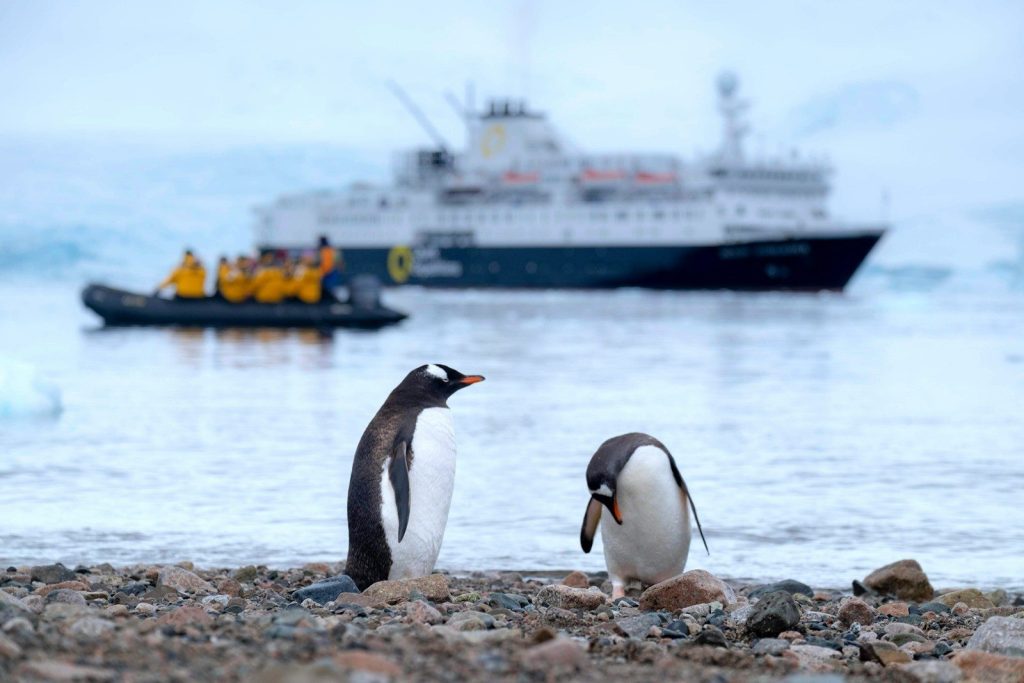
Scientists observed temperatures reaching around -2°C, compared to the typical winter range of -15°C to -20°C. Long-term monitoring suggests June 2025 was the warmest June on record, while June 2026 may rank among the warmest ever measured.
Researchers say such extreme winter warmth is becoming increasingly common. The findings indicate that Antarctica’s climate is changing faster than many expected.
Melting Sea Ice Is Changing Antarctic Conditions
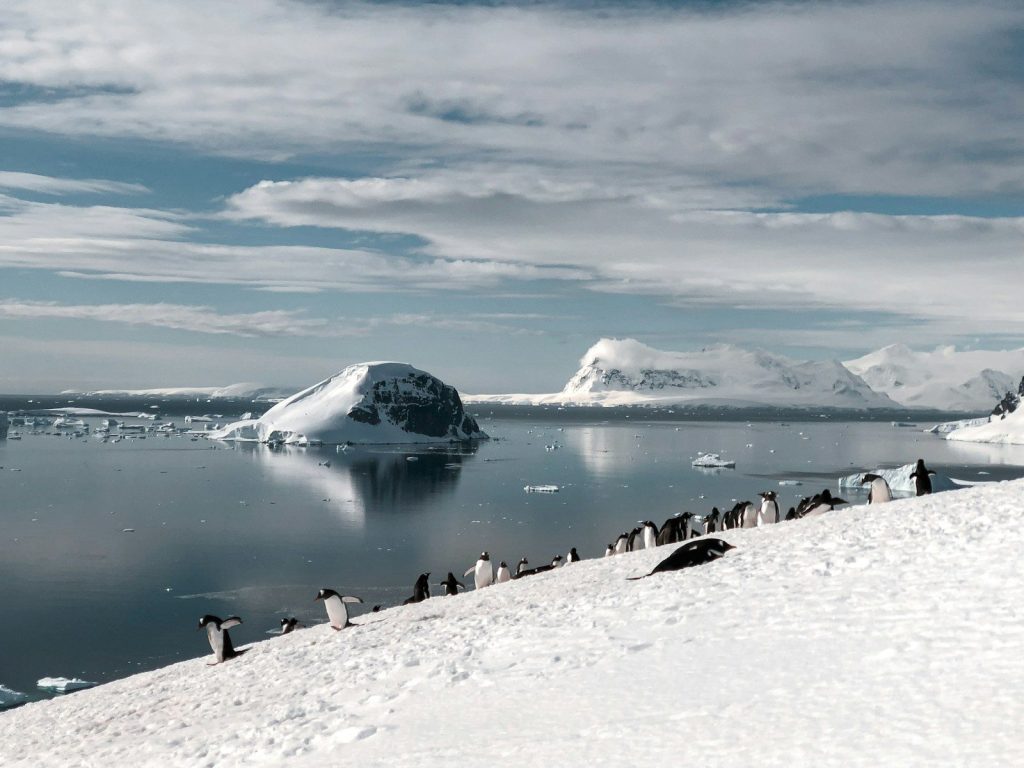
Sea ice in the Bellingshausen Sea has been declining for years, reducing the natural barrier that protects Antarctica from warmer ocean air. At Rothera, midwinter sea ice has been absent for the third time in four years.
Without this protective layer, warmer and wetter weather can move inland more easily. This increases rainfall, accelerates ice loss, and alters normal winter conditions.
Wildlife Faces Growing Challenges
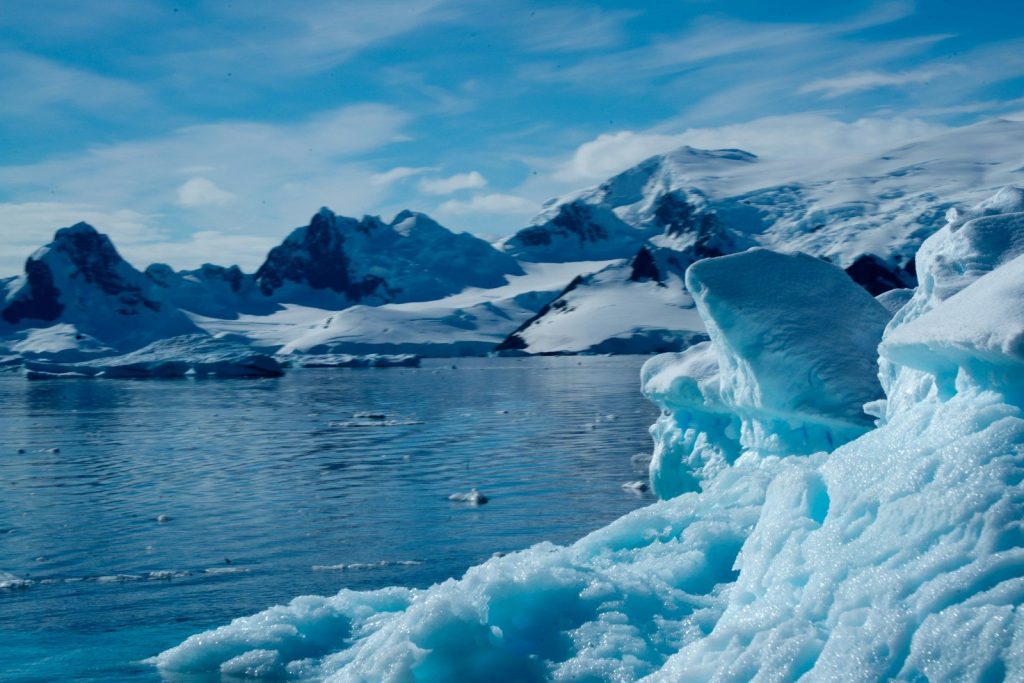
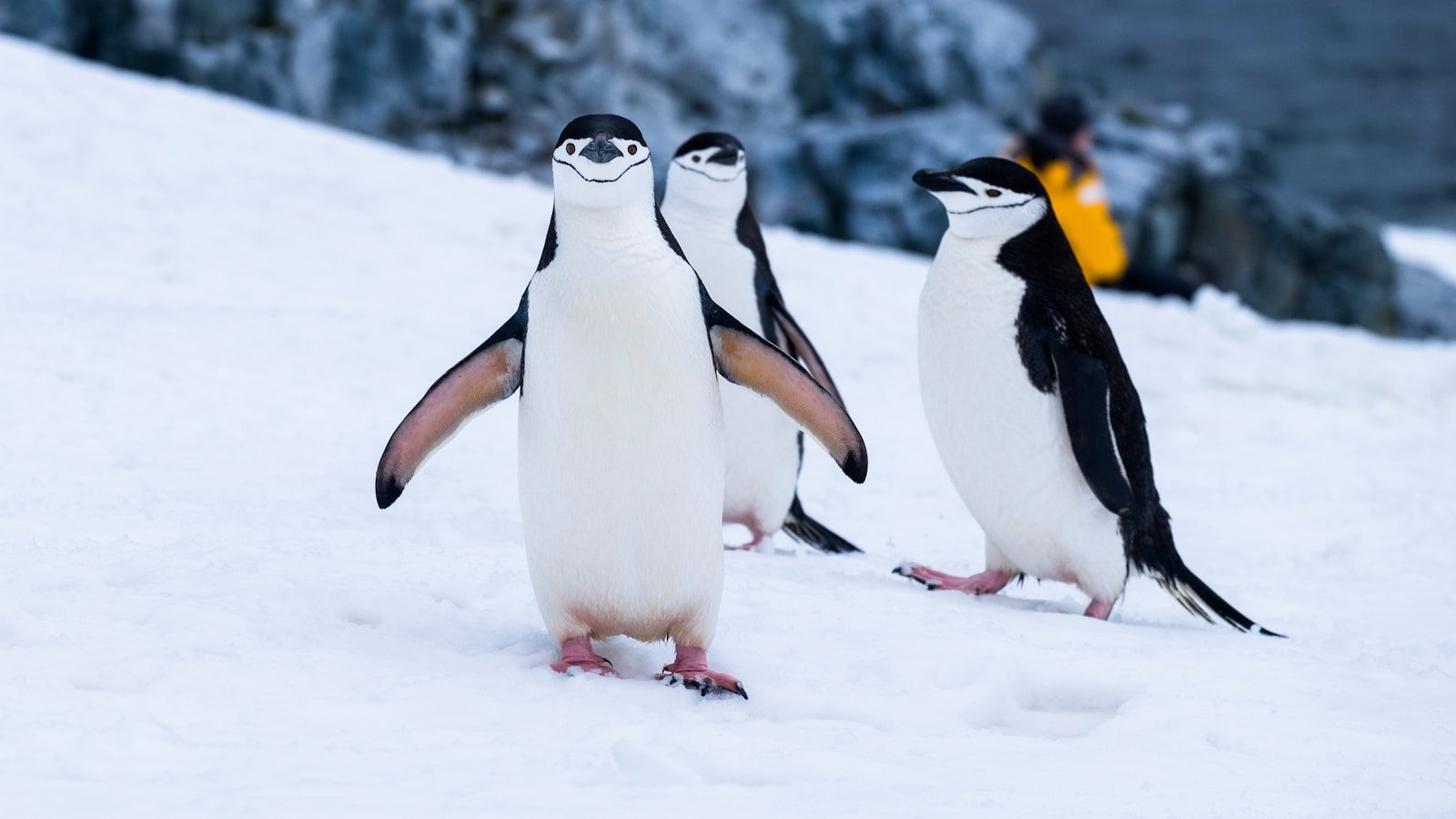
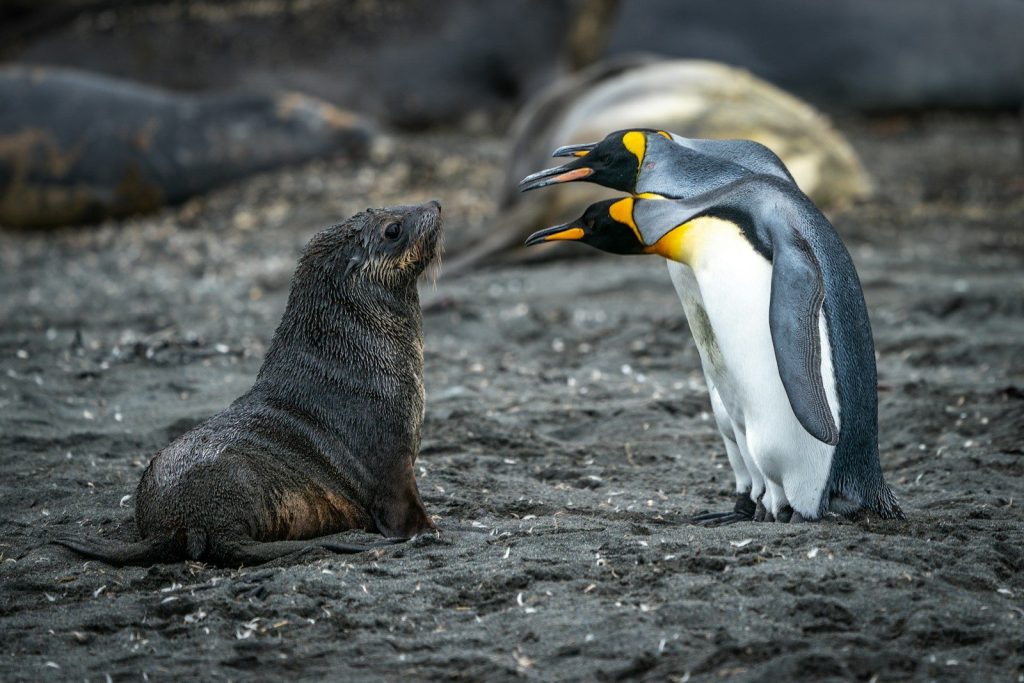
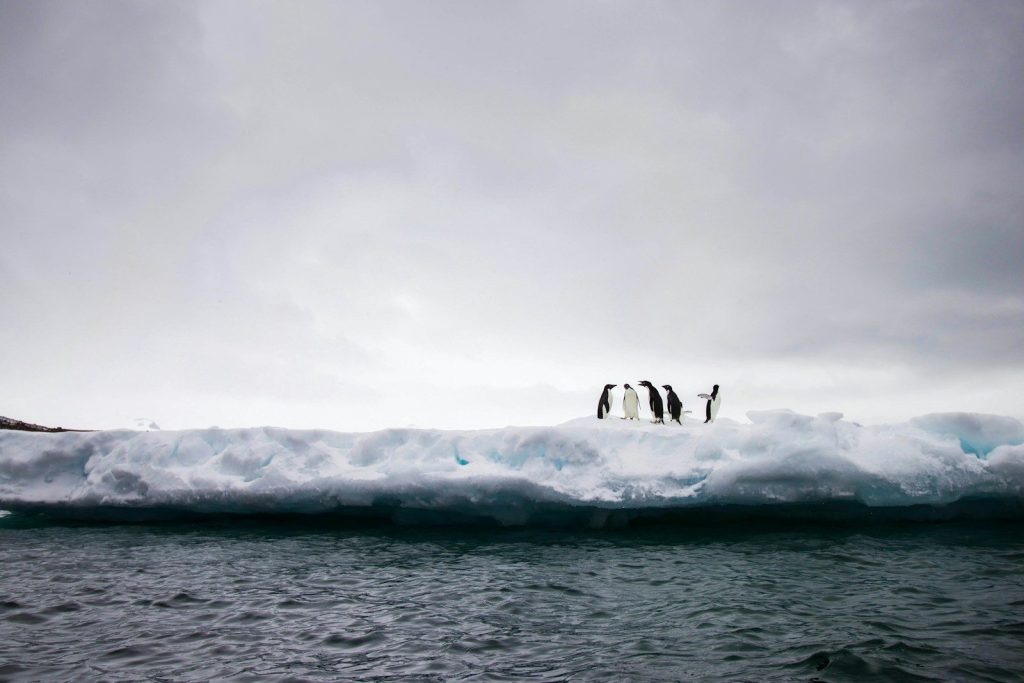
Penguins, seals, and other Antarctic wildlife rely on stable sea ice for breeding, feeding, and protection. Warmer temperatures and shrinking ice threaten these fragile ecosystems.
Scientists warn that changing weather patterns could disrupt breeding seasons and reduce food availability. Continued warming may place additional pressure on already vulnerable species.
Human-Driven Climate Change Behind the Heatwave
A rapid-analysis study by the British Antarctic Survey concluded that the recent Antarctic Peninsula heatwave was intensified by human-caused climate change. Rising global temperatures are making extreme weather events more frequent and severe.
Researchers say natural climate variations still occur, but long-term records clearly show a warming trend. Climate change is increasing the likelihood of unusually warm Antarctic winters.
Long-Term Monitoring Reveals a Worrying Trend
Nearly 50 years of weather observations at Rothera Research Station have become essential for tracking climate change. Scientists say cold winter extremes are becoming less frequent while warm events continue to increase.
Experts believe these long-term records will help improve climate predictions and guide future research. They also stress the importance of reducing greenhouse gas emissions to limit further warming.