Keeping a wild animal as a pet is very different from caring for a traditional companion like a dog or cat. Some exotic species are legal to own in certain countries or U.S. states, while others require permits or are prohibited altogether. Even when ownership is legal, these animals often have specialized dietary, housing, and behavioral needs that can be difficult to meet. Anyone considering an exotic pet should carefully research local laws and the long-term commitment involved before making a decision.
Wallaby
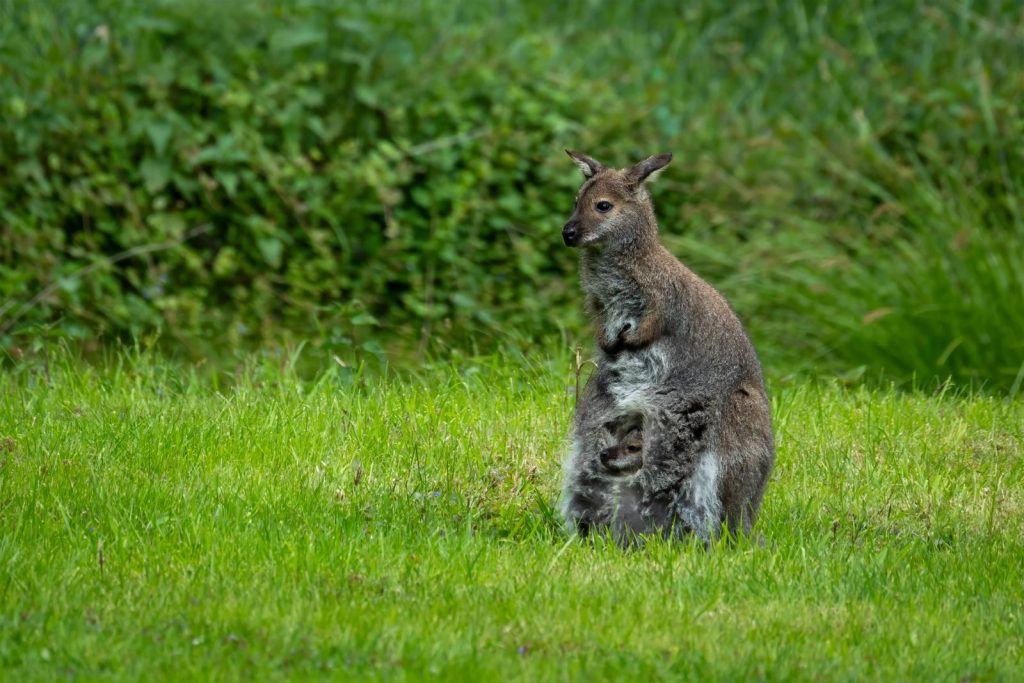
Wallabies are small marsupials related to kangaroos and are legally kept as pets in some regions. They are curious animals that require spacious outdoor enclosures where they can hop, graze, and explore safely.
Because they are easily stressed and have specialized dietary requirements, wallabies demand experienced care and ample room to thrive. They are not well suited to apartment living or small backyards.
Skunk
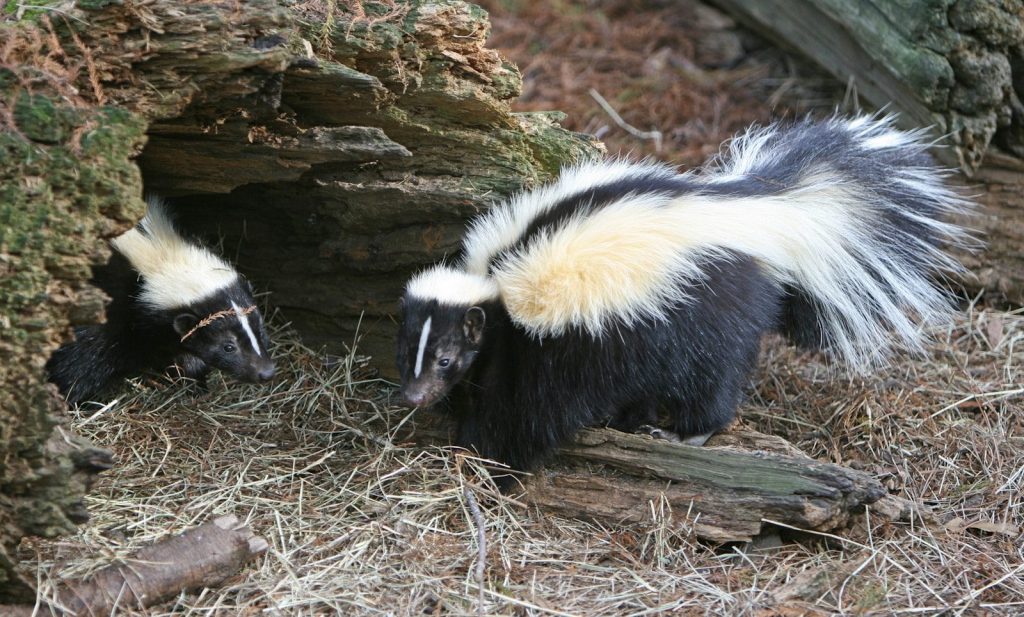
Domestically bred skunks can be kept as pets in certain locations where regulations allow. They are intelligent, inquisitive animals that can learn routines and enjoy interacting with their owners.
Even so, skunks require specialized veterinary care, a carefully balanced diet, and plenty of supervision. Prospective owners should also verify local laws, as pet skunks remain illegal in many jurisdictions.
Fennec Fox
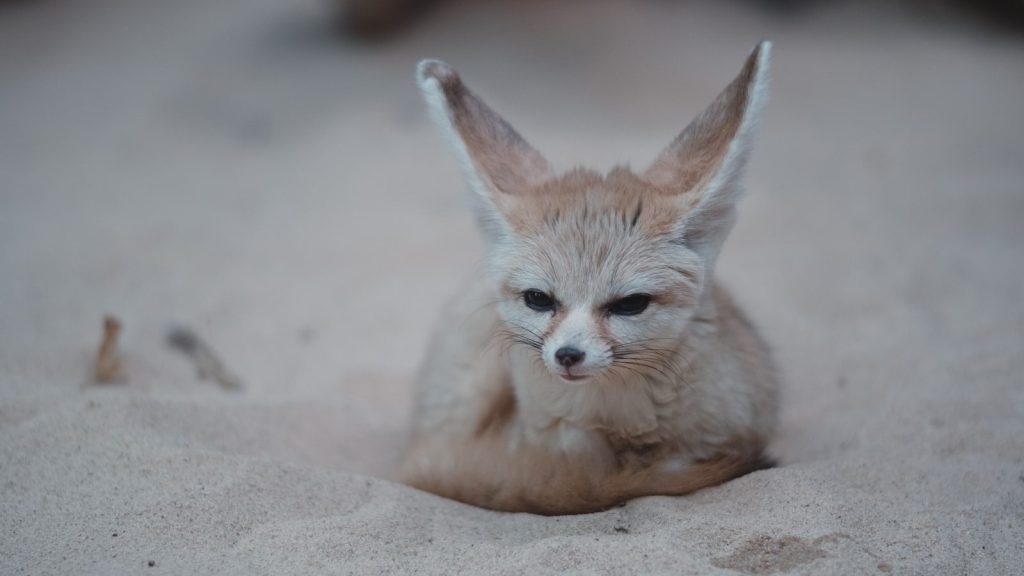
The fennec fox is one of the smallest fox species in the world and is instantly recognizable by its oversized ears. Its playful personality and compact size have made it a popular exotic pet where ownership is permitted.
Despite its charm, a fennec fox remains a wild animal. It is highly energetic, loves to dig, and can be difficult to house-train. Owners must also provide a secure enclosure and a diet suited to its nutritional needs.
Serval
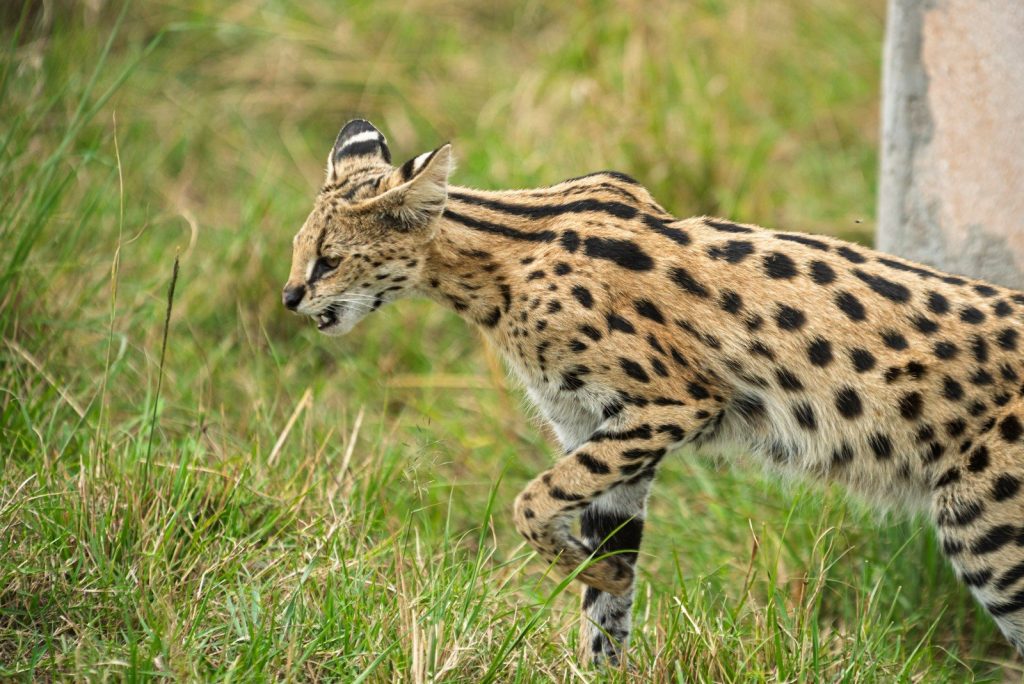
The serval is a medium-sized African wild cat admired for its long legs, large ears, and striking spotted coat. Although some people keep servals as exotic pets where permitted, they retain many natural instincts.
Servals need large, secure enclosures, abundant enrichment, and experienced handling. They are powerful hunters and generally do not adapt to home life in the same way as domesticated cats.
Sugar Glider
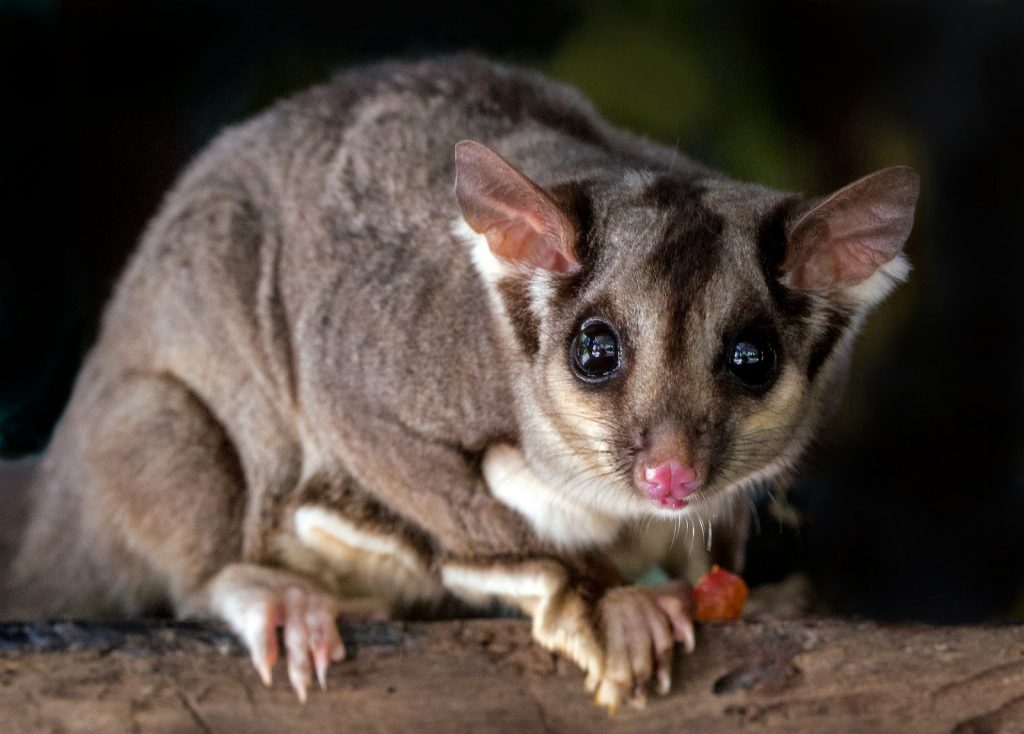
Sugar gliders are tiny nocturnal marsupials that glide between trees using a membrane stretched between their limbs. Their playful behavior and compact size have made them popular exotic pets in some areas.
These animals are highly social and should not be kept alone. They require specialized diets, spacious enclosures, and regular interaction to remain healthy. Potential owners should carefully research their needs before deciding if they are the right fit.
Capybara
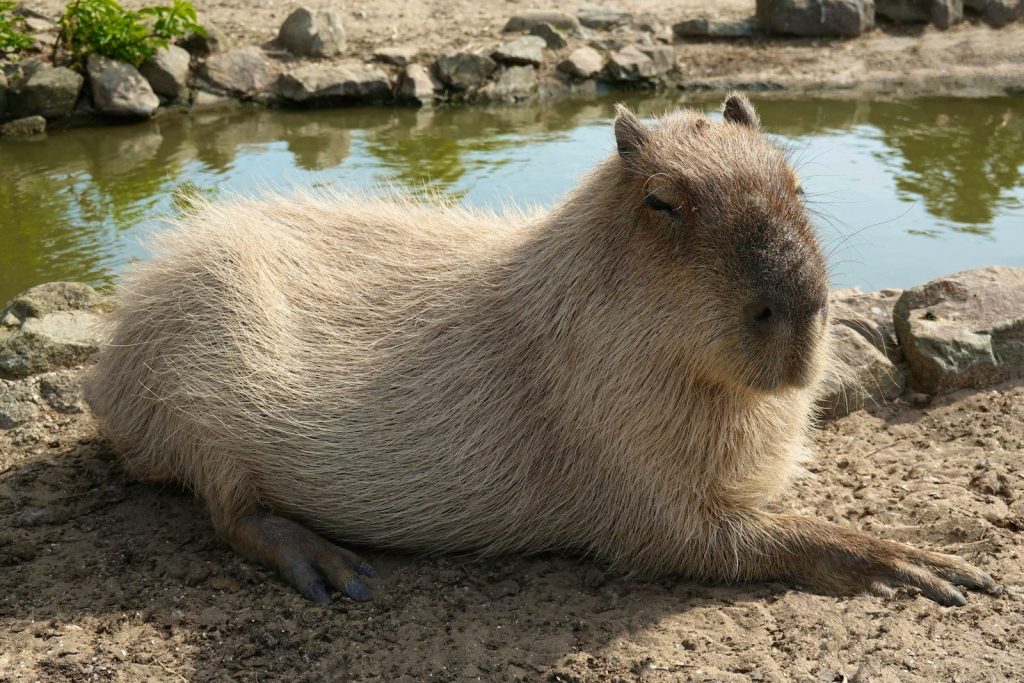
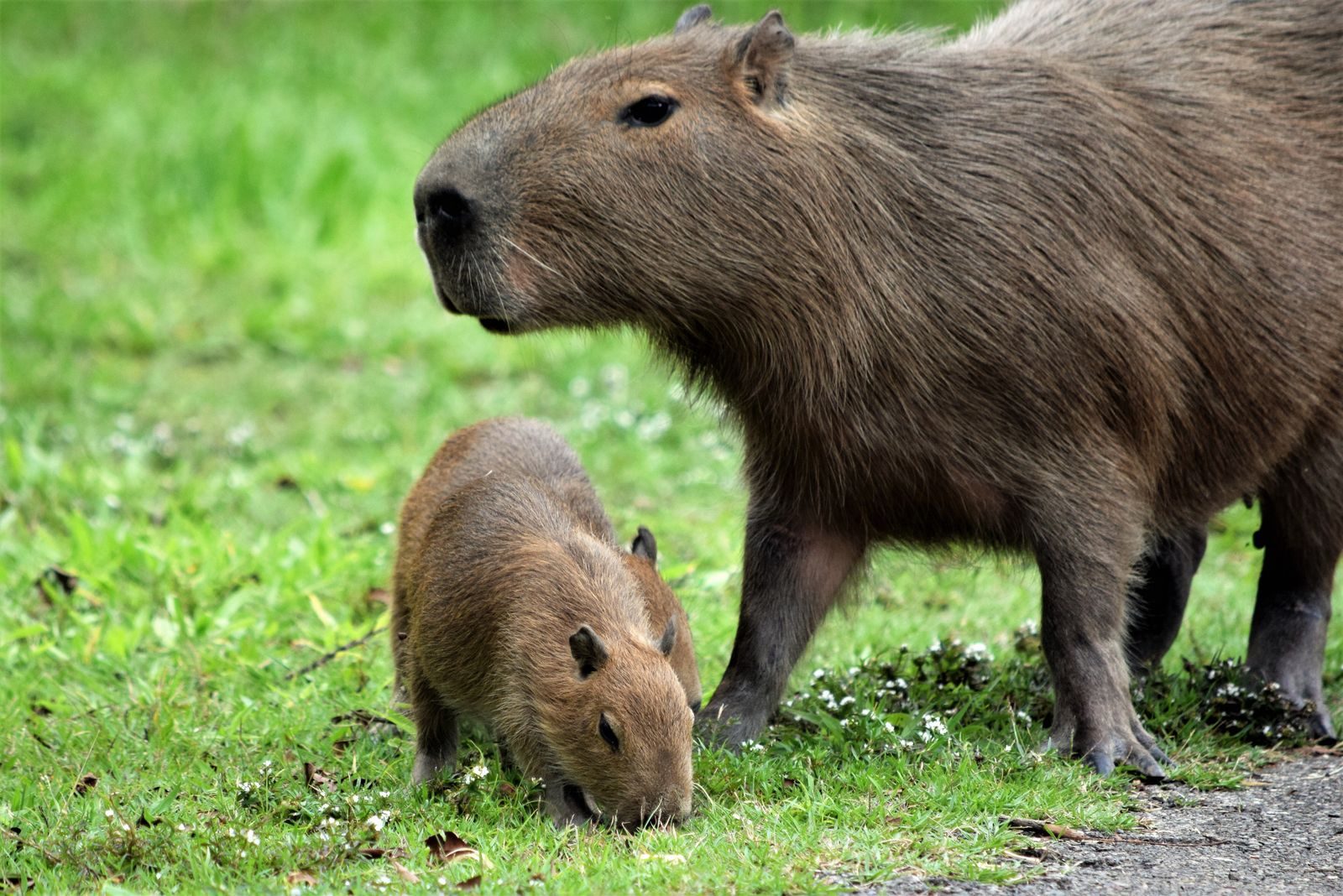
Capybaras are the largest rodents on Earth and are known for their calm, social nature. They often form strong bonds with both humans and other animals when raised in appropriate environments.
However, capybaras require much more than a typical household can provide. They need access to large outdoor spaces, fresh water for swimming, and companionship from other capybaras, making them unsuitable for most prospective owners.