It’s easy to feel tempted to approach a wild animal that appears calm, injured, or unusually friendly. However, wild animals are unpredictable and can react defensively when they feel threatened. Even species that seem gentle may carry diseases, inflict painful injuries, or suffer unnecessary stress from human contact. The safest and most responsible approach is to admire wildlife from a distance and allow trained professionals to intervene when help is truly needed.
Porcupine
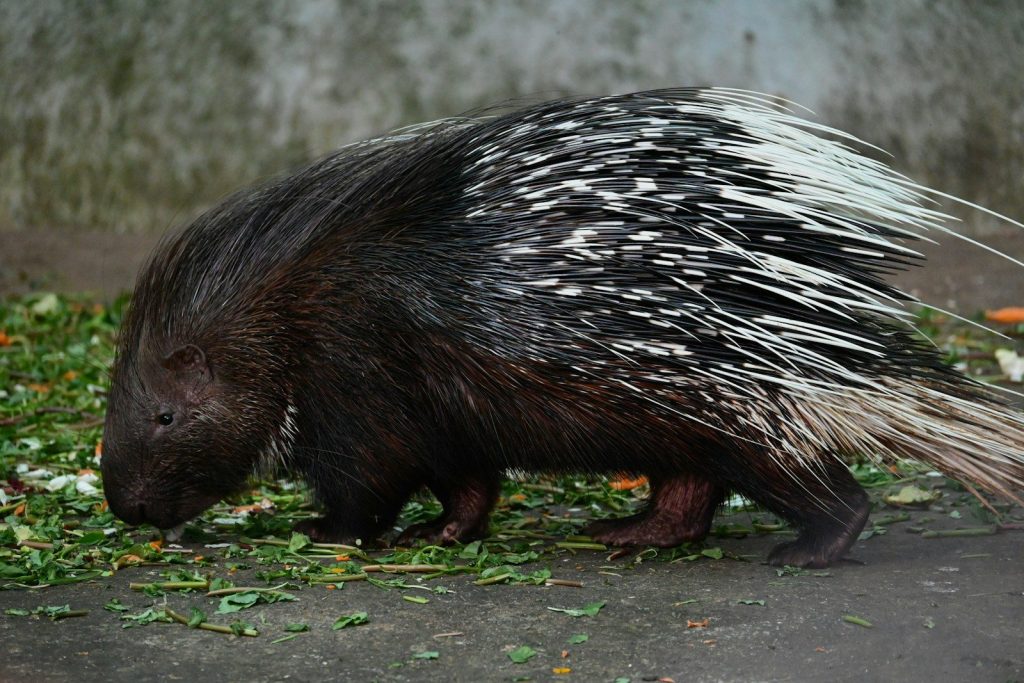
Porcupines are slow-moving rodents that generally avoid confrontation, but they are well-equipped to defend themselves. Their bodies are covered with thousands of sharp quills that detach easily when a predator makes contact.
Although porcupines cannot shoot their quills, brushing against one can result in painful injuries that require medical or veterinary attention. Giving them plenty of space is the safest option.
Elk
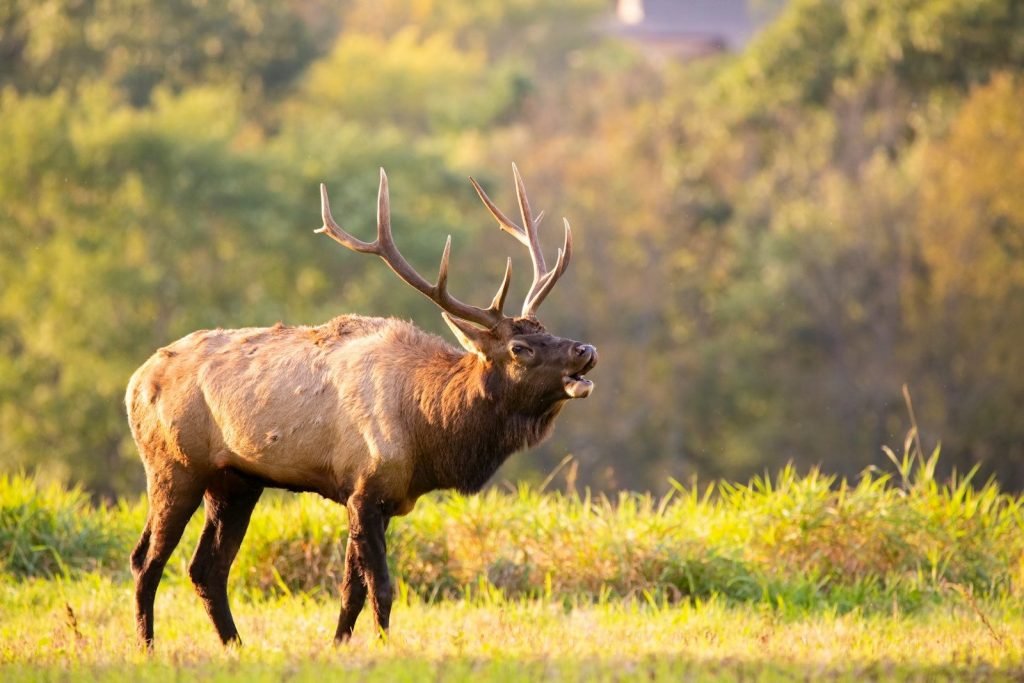
Elk often appear calm while grazing, especially in parks or protected areas where they are accustomed to seeing people. Despite their relaxed behavior, they are powerful animals capable of charging when they feel threatened.
Females become especially protective during calving season, while males can be highly aggressive during the autumn breeding season. Maintaining a safe viewing distance helps prevent dangerous encounters.
Sea Turtle
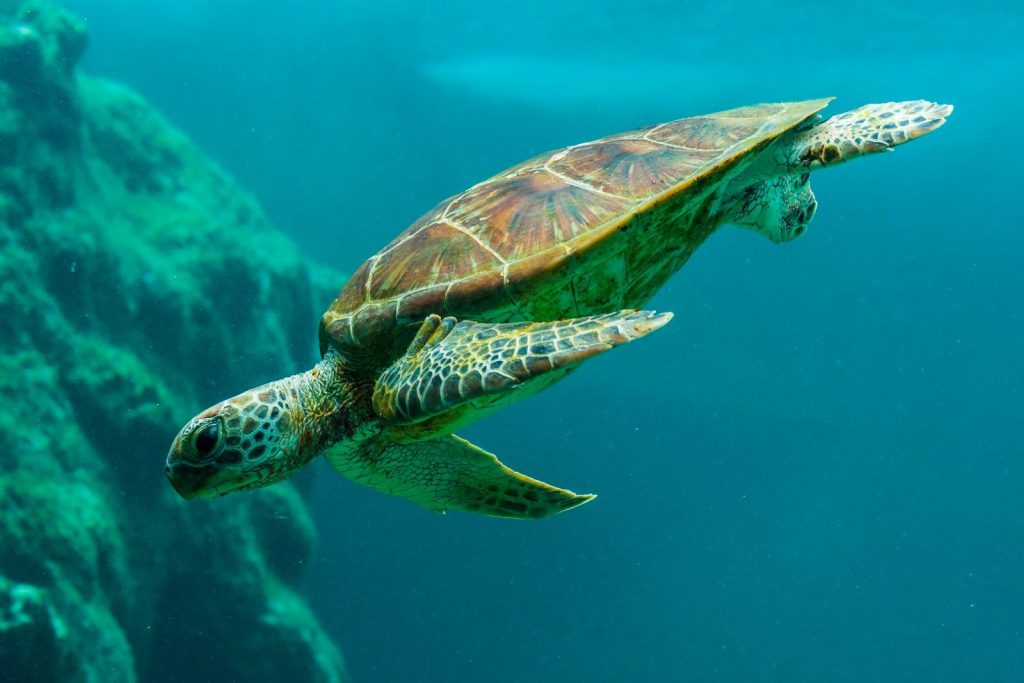
Watching a sea turtle crawl onto a beach or swim in shallow water is an unforgettable experience, but these protected animals should never be handled. Touching them can cause stress and interfere with important behaviors such as nesting.
Human contact may also transfer harmful bacteria or oils to the turtle. Wildlife authorities encourage visitors to observe quietly without blocking the animal’s path.
Bat
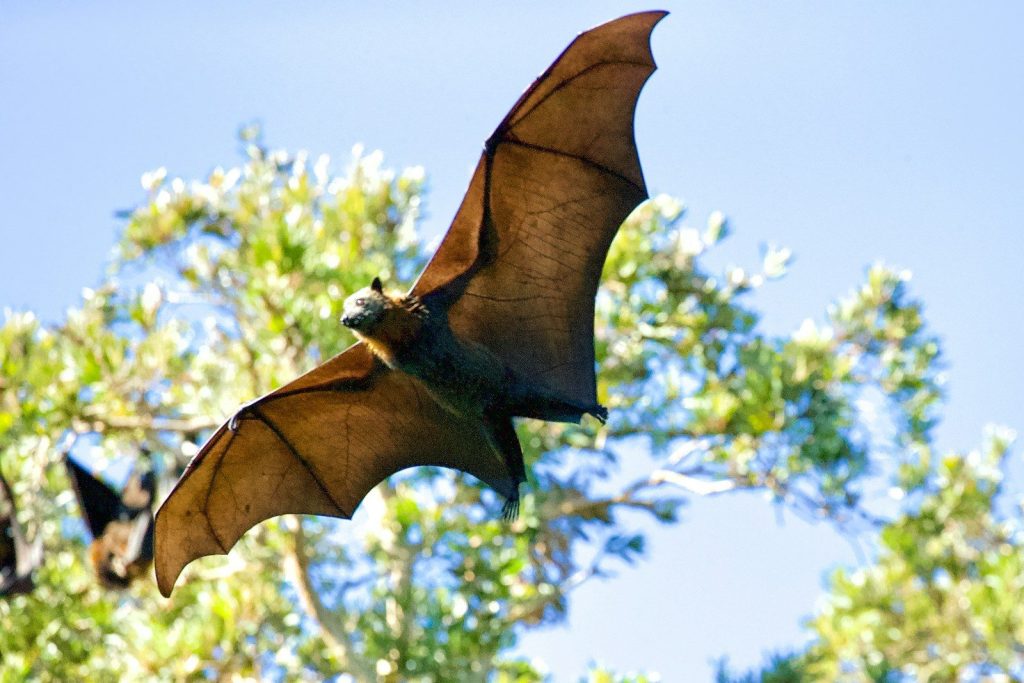
A bat resting on the ground or hanging in an unusual place may seem like it needs help, but it should never be picked up with bare hands. Even healthy bats can bite when frightened.
Bats can carry diseases, including rabies in some regions, so only trained wildlife rehabilitators should handle them using appropriate protective equipment.
Otter
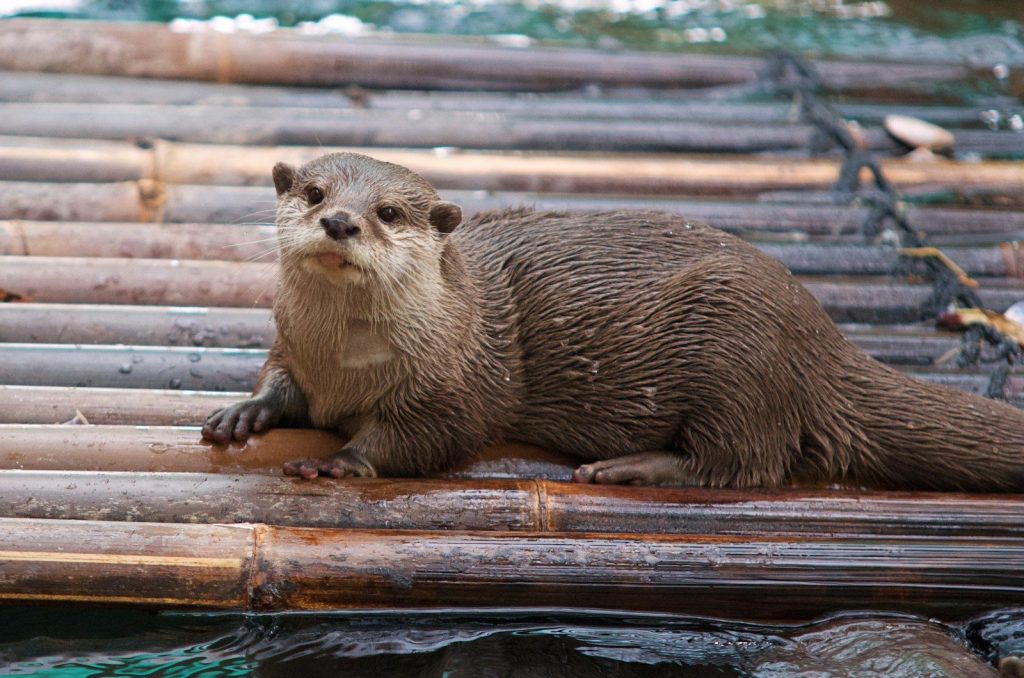
Otters are playful and charismatic, which sometimes leads people to underestimate them. In reality, they have strong jaws, sharp teeth, and can become aggressive if they feel threatened or are protecting their young.
Feeding or attempting to touch wild otters also encourages them to lose their natural fear of humans, increasing the risk of future conflicts.
Moose
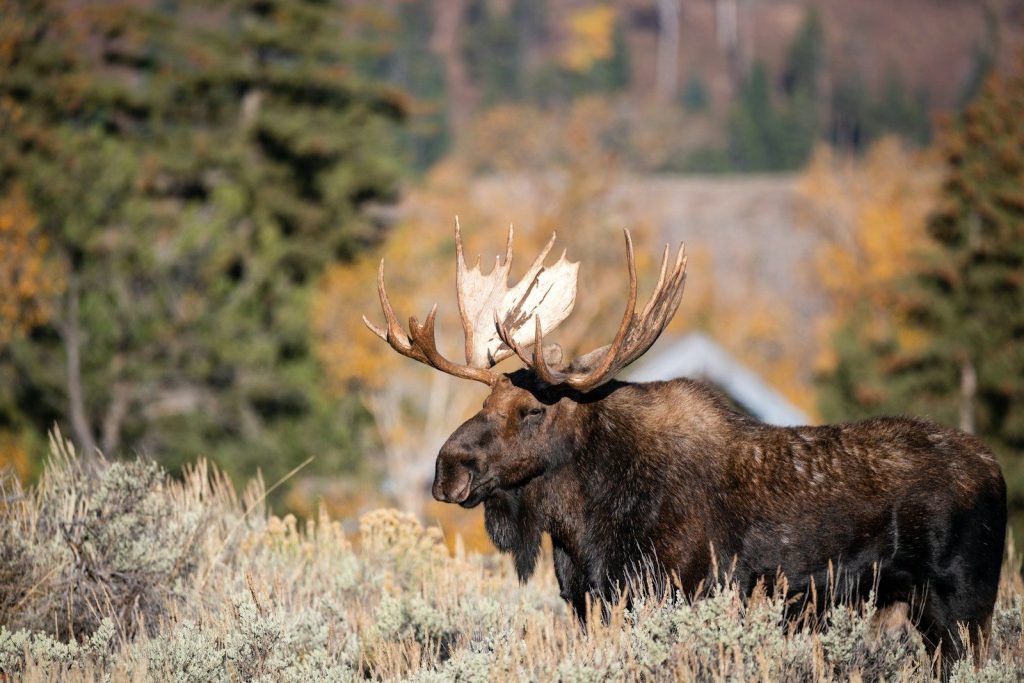
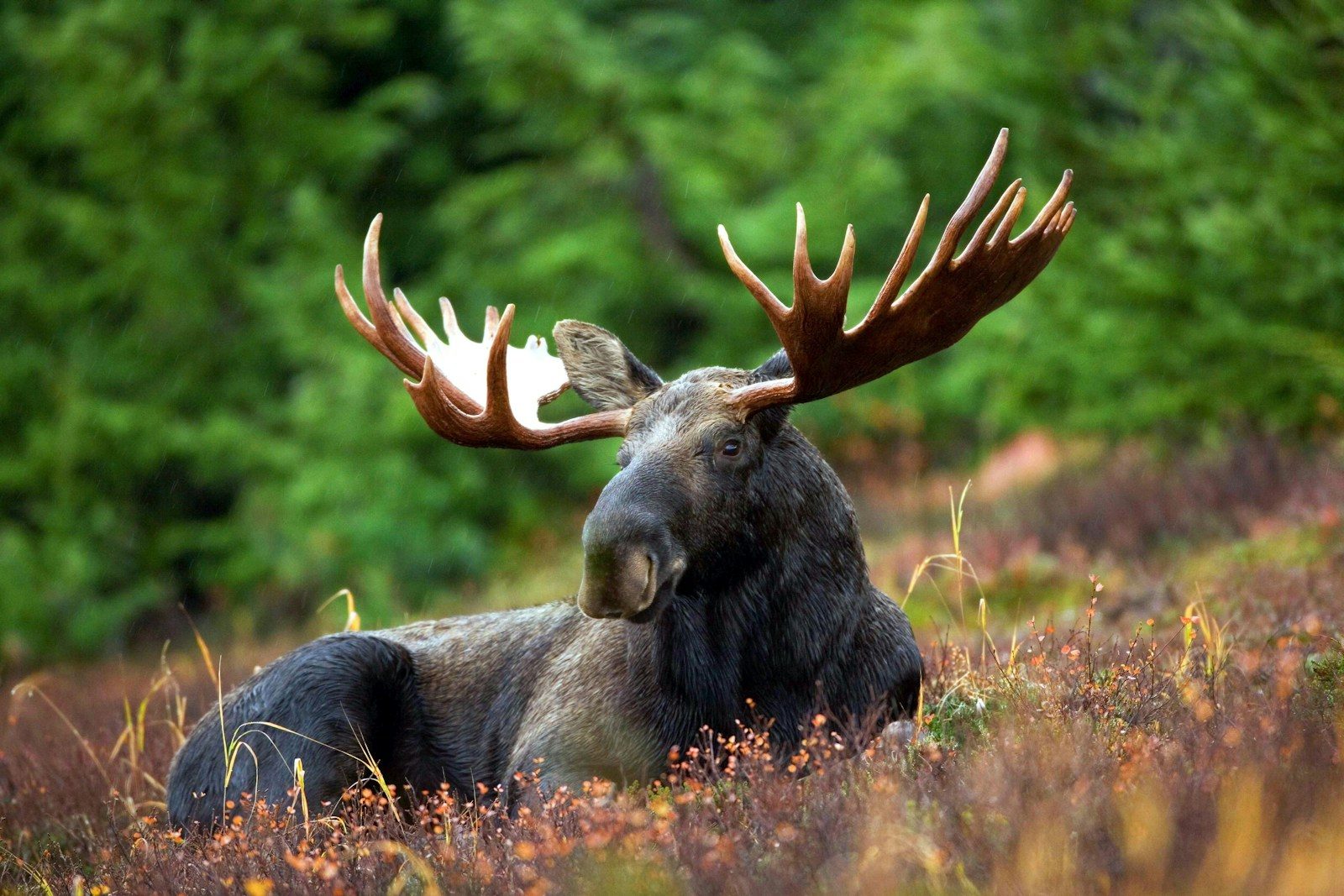
Moose are among the largest members of the deer family and may appear surprisingly calm as they feed in forests or near roadsides. However, they are capable of moving quickly and can kick or charge with tremendous force.
Cows with calves are particularly defensive, and even a seemingly relaxed moose can become aggressive if approached too closely. Observing these impressive animals from a safe distance is always the best choice.