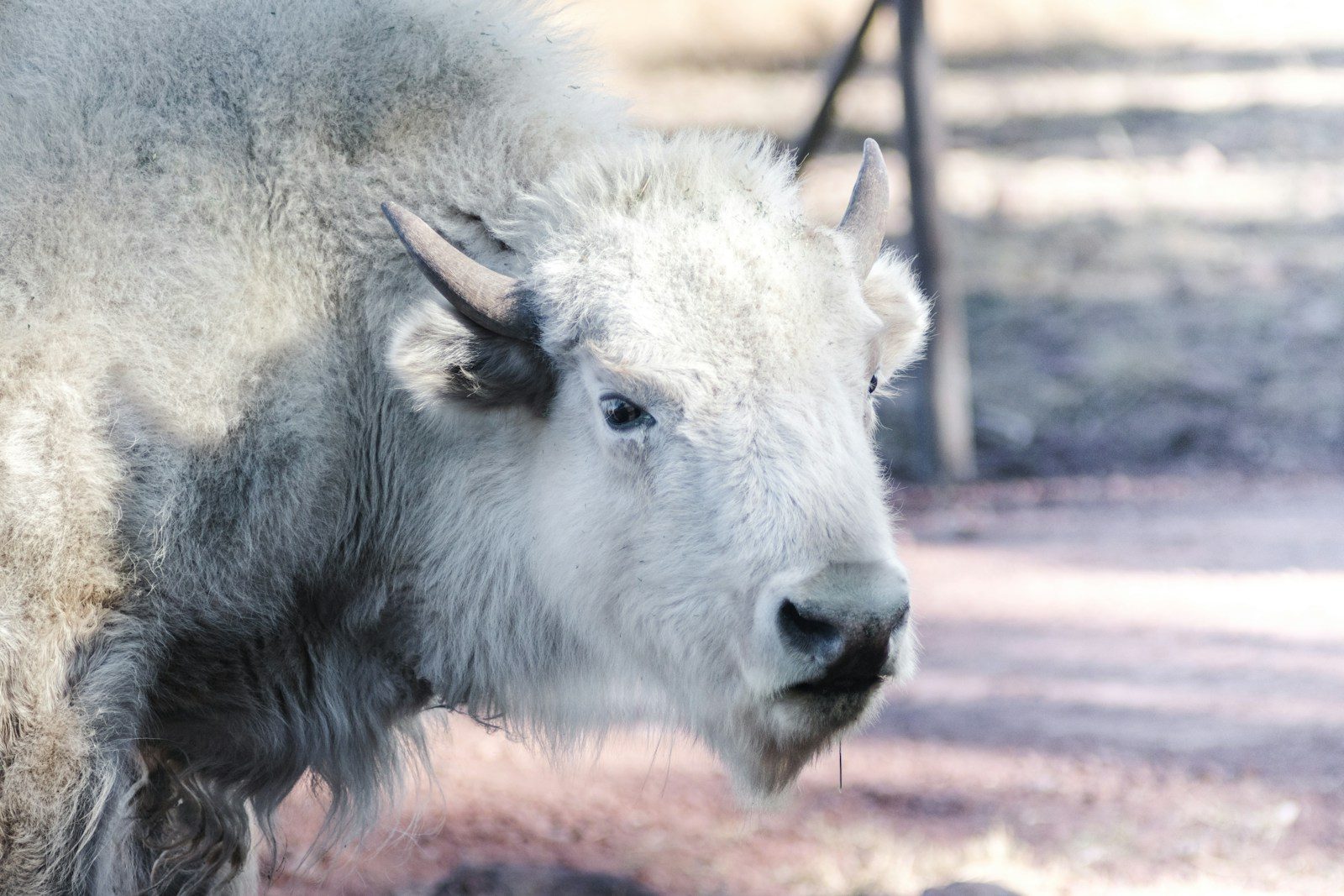
A rare white bison calf has been born at Neal Smith National Wildlife Refuge in Iowa, delighting wildlife experts and conservationists. The unusual calf, with its striking white coat, is an exceptionally rare sight and has captured attention across the country.
Wildlife officials say most newborn bison calves are reddish-brown, making this birth especially significant. Beyond its rarity, the white bison also holds deep spiritual importance for many Native American communities and symbolizes hope and renewal.
A Rare White Bison Calf Stands Out
The calf was welcomed at Neal Smith National Wildlife Refuge in early May. Its pale coat immediately distinguished it from the rest of the herd.
According to the National Park Service, only about one white bison calf is born in the wild for every one million births. This makes every sighting an extraordinary event.
Why White Bison Are So Special
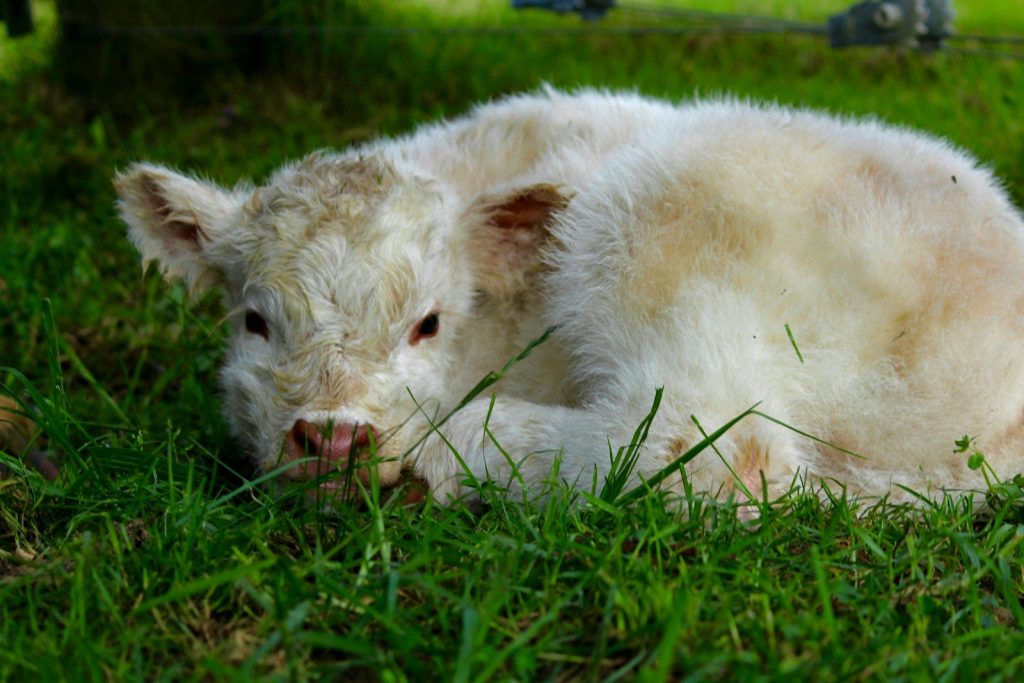
Unlike albino animals, many white bison have a condition called leucism. They keep their dark eyes, nose, and hooves while displaying a white coat.
This unique appearance makes them especially meaningful in Native American traditions. Many tribes consider white bison sacred symbols of hope and spiritual guidance.
The Importance of American Bison
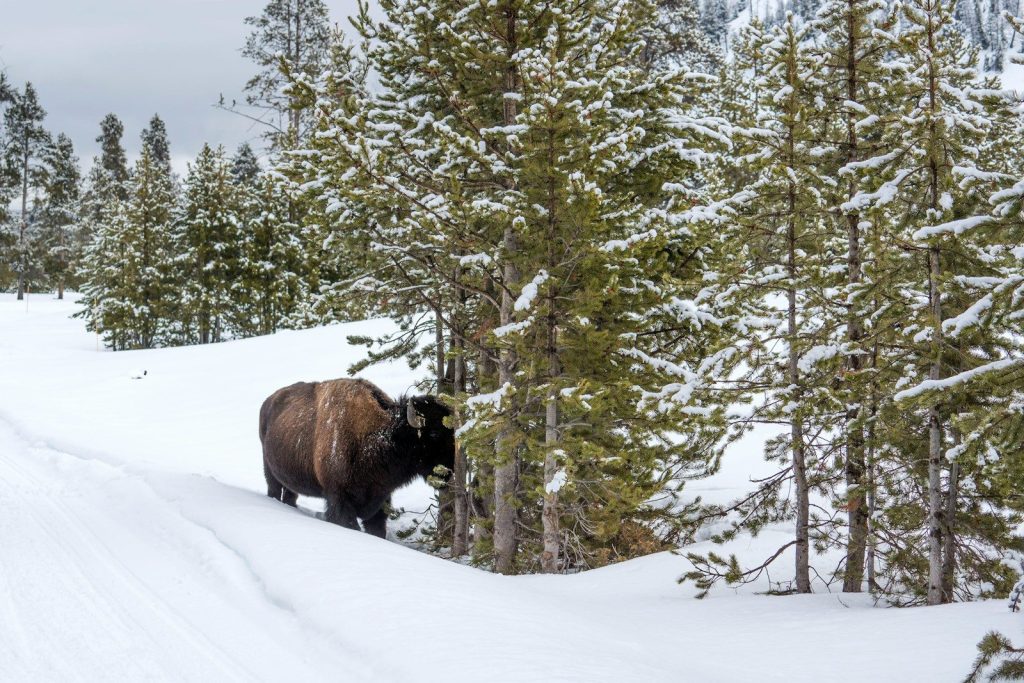
American bison are the largest land mammals in North America. Adult males can weigh up to 2,000 pounds, while females weigh up to 1,000 pounds.
Newborn calves usually have reddish-brown coats and are often called “red dogs.” They stay close to their mothers for several months before becoming independent.
Conservation Helped Save the Species
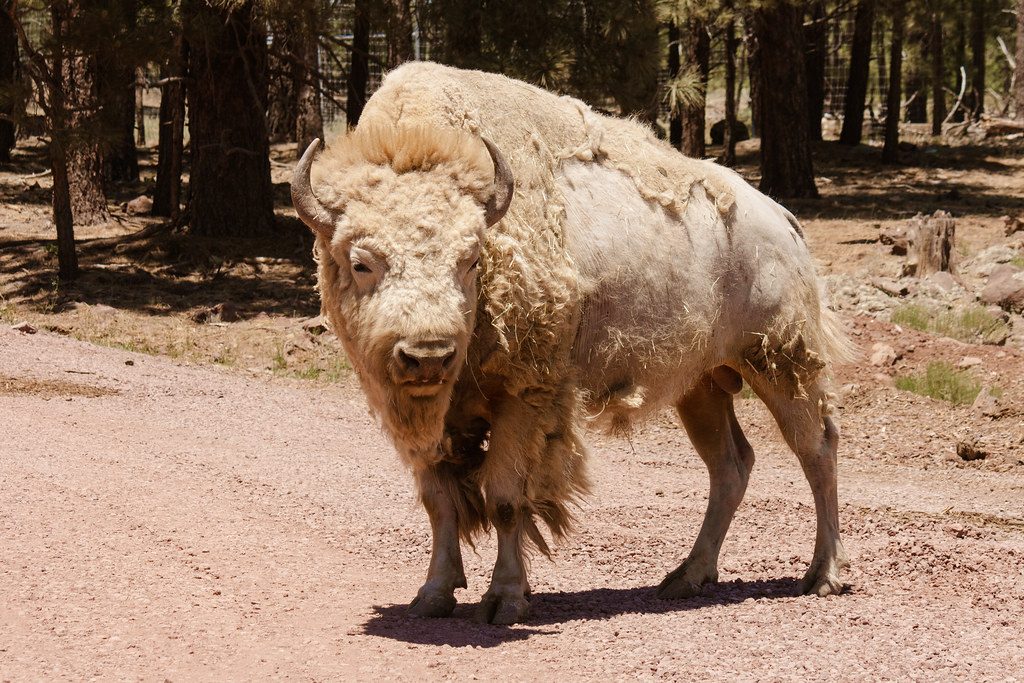
Millions of bison once roamed North America before overhunting and habitat destruction nearly drove them to extinction. By the late 1800s, fewer than 1,000 remained.
Conservation programs have helped restore their numbers over the years. Even so, the American bison remains listed as Near Threatened, highlighting the need for continued protection.
A Birth That Inspires Hope
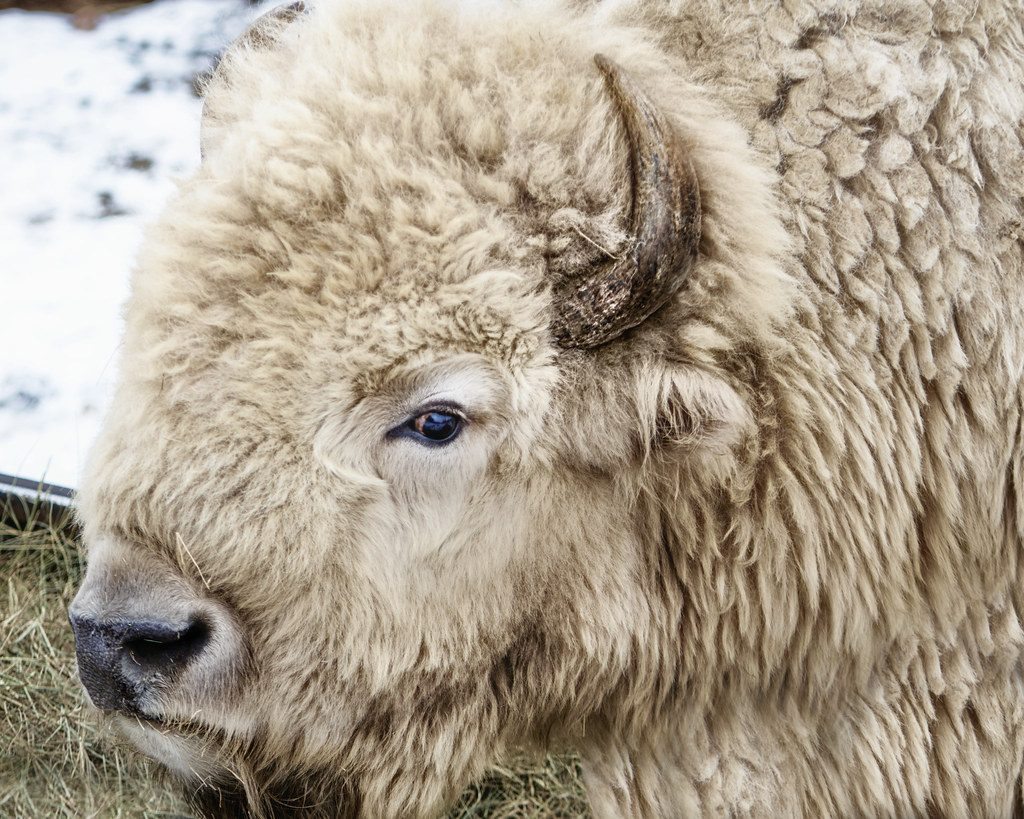
The arrival of the white calf is being celebrated not only because of its rarity but also because of what it represents. It highlights the success of ongoing wildlife conservation efforts.
Experts hope the calf will encourage greater awareness about protecting bison populations and preserving the cultural traditions connected to these remarkable animals.