The animals we see today are the result of millions of years of evolution. While some species have grown larger over time, others have actually become much smaller than their ancient ancestors due to environmental changes, shifting food sources, and survival pressures.
Fossil discoveries reveal that many modern animals once had gigantic relatives that dwarfed their living descendants. These prehistoric giants provide a fascinating glimpse into Earth’s distant past.
Elephant
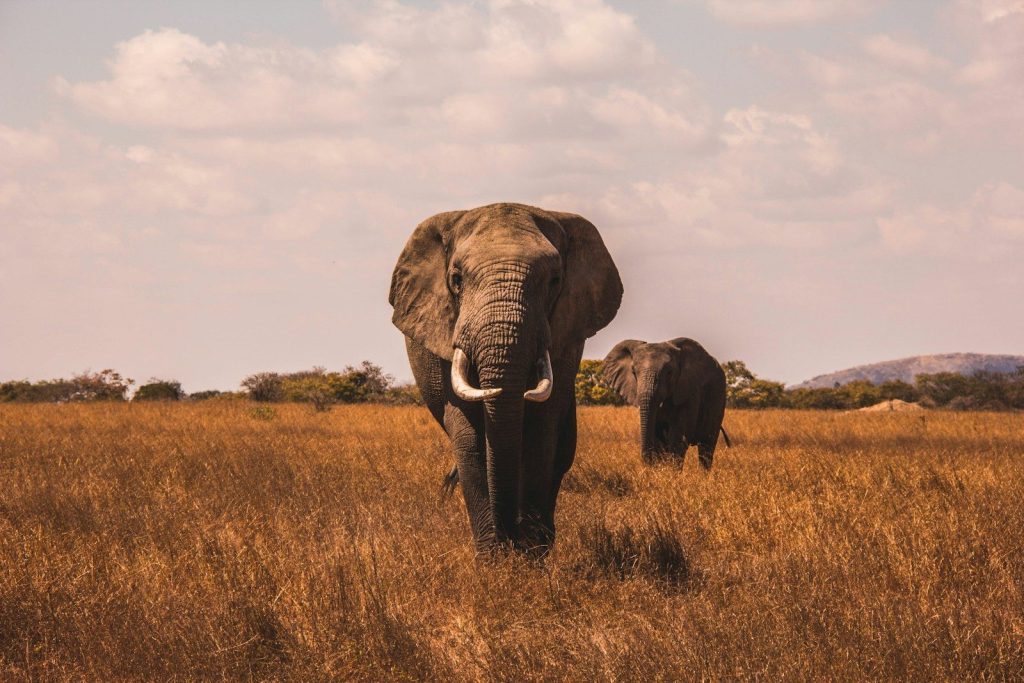
Modern elephants are the largest land animals alive today, but some of their prehistoric relatives were even bigger. Species such as the straight-tusked elephant could grow significantly larger than today’s African elephant.
These ancient giants thrived in different climates and habitats. Changes in environment and food availability eventually favored smaller, more adaptable descendants.
Rhinoceros
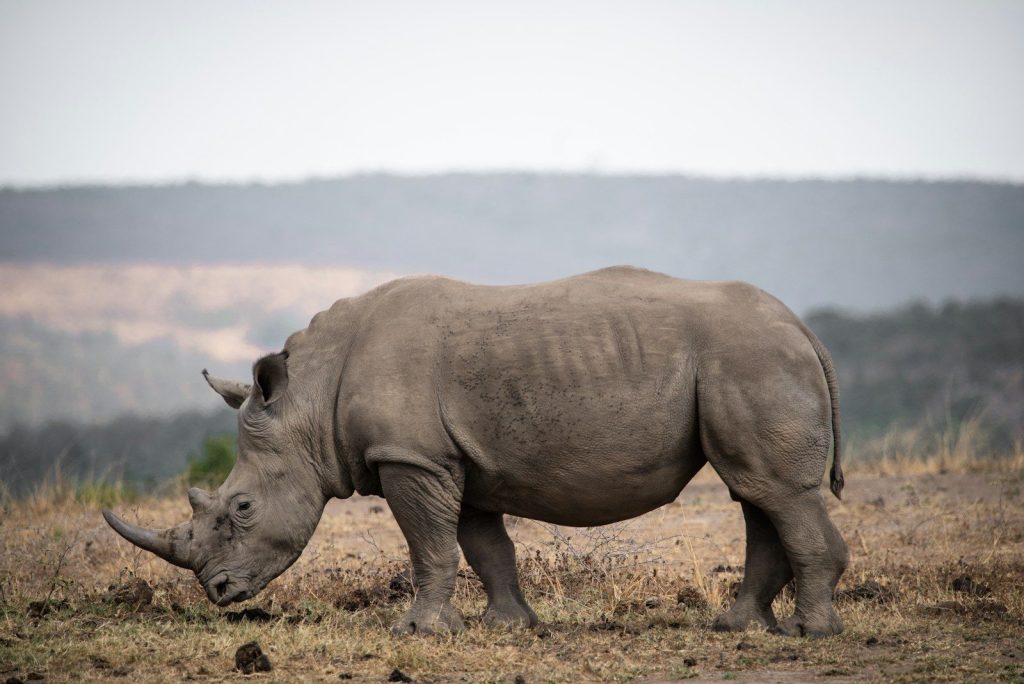
Today’s rhinoceroses are massive animals, yet they are small compared to some prehistoric relatives. The ancient Paraceratherium is considered one of the largest land mammals ever to exist.
Standing much taller than modern rhinos, it browsed vegetation from high trees. Its enormous size was possible because it lived in a world with different ecological conditions.
Sloth
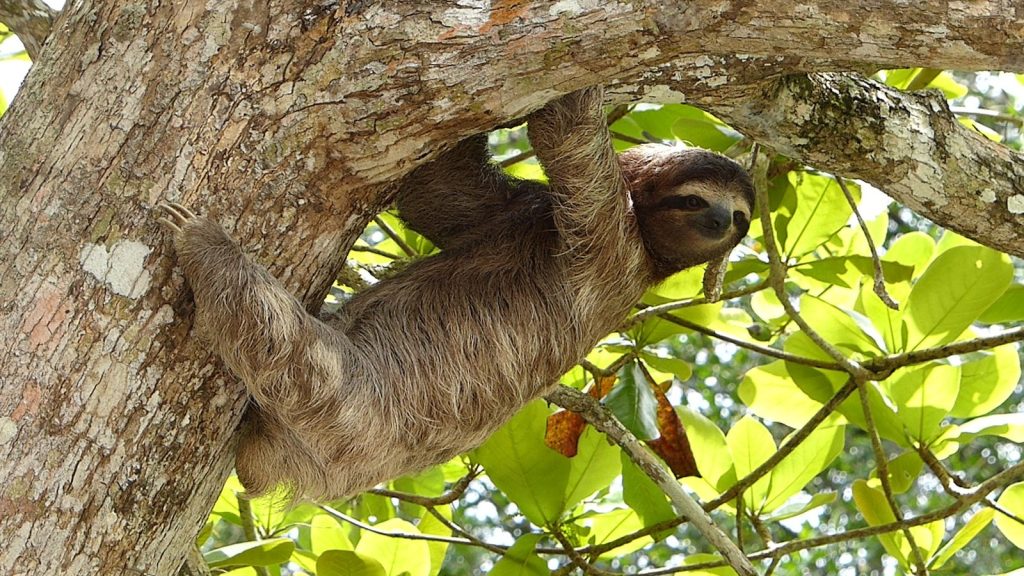
Modern sloths are slow-moving tree dwellers, but ancient sloths were enormous ground animals. Some giant ground sloths could reach the size of elephants.
These powerful herbivores roamed the Americas for millions of years. Most disappeared during the late Ice Age, leaving only their much smaller relatives behind.
Beaver
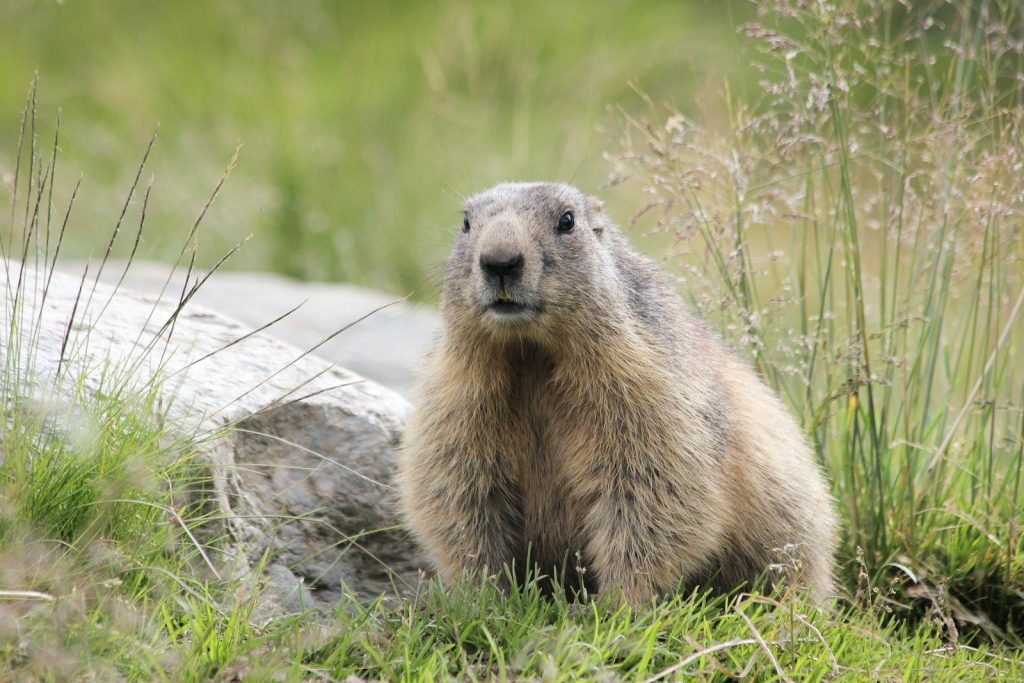
The modern beaver is well known for building dams and lodges. However, prehistoric giant beavers were far larger and could grow over two meters long.
Unlike modern beavers, these ancient rodents may not have built large dams. Their size likely helped them survive in Ice Age environments.
Penguin
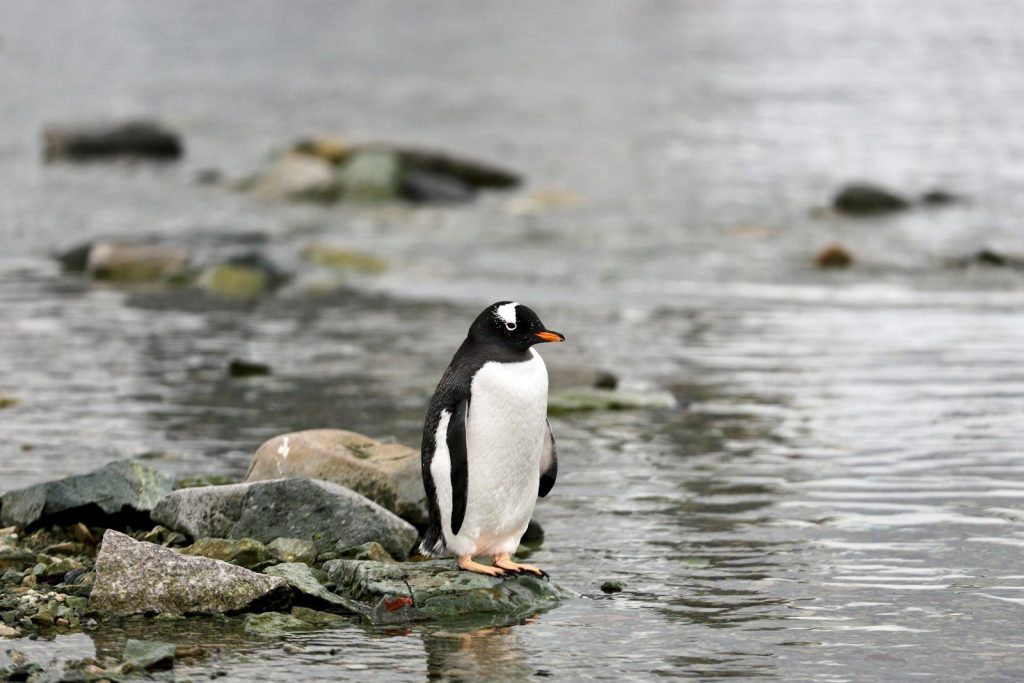
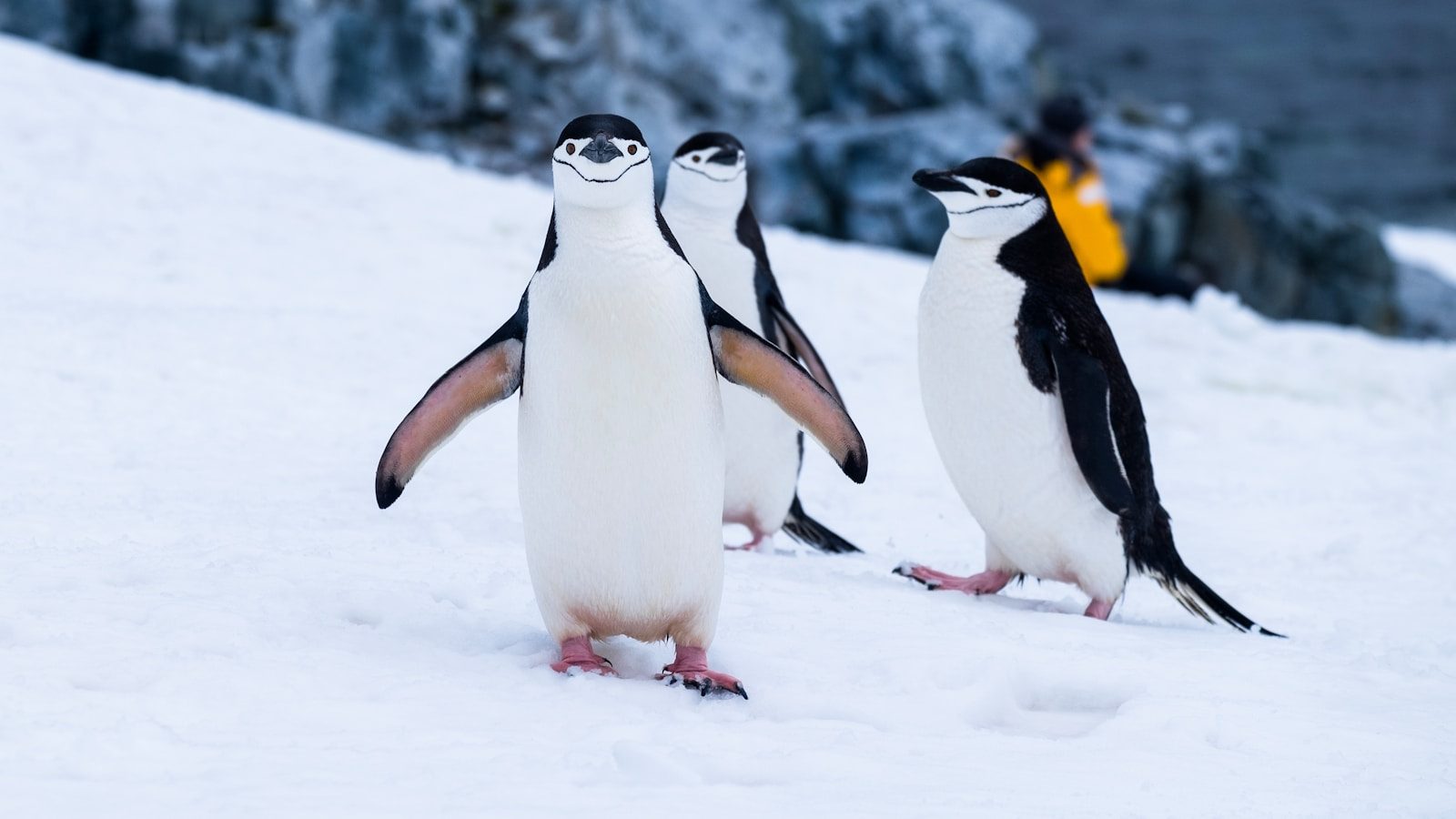
Many people picture penguins as medium-sized seabirds, but some ancient species were much taller. Fossil evidence suggests that giant penguins once stood nearly as tall as an adult human.
These birds lived after the extinction of the dinosaurs, when marine ecosystems were very different. Over time, smaller forms became more successful and widespread.
Crocodile
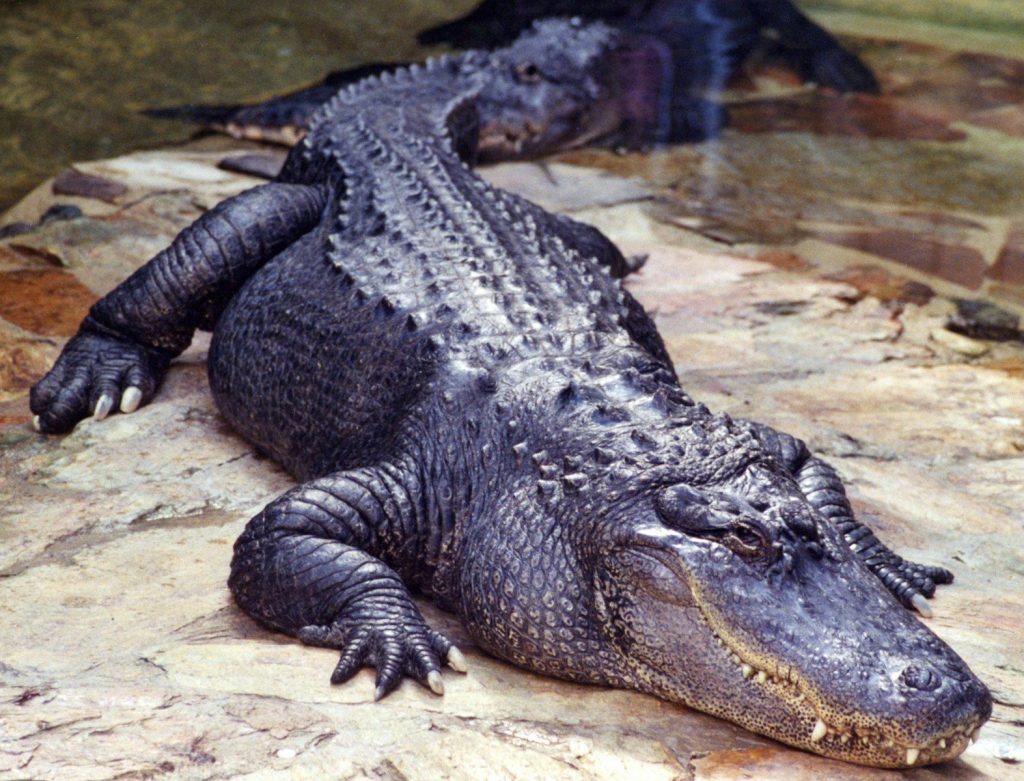
Modern crocodiles are formidable predators, but some ancient crocodilian relatives were truly gigantic. Species such as Sarcosuchus reached lengths far beyond those of living crocodiles.
These enormous reptiles dominated rivers and wetlands millions of years ago. Environmental changes eventually favored smaller species.