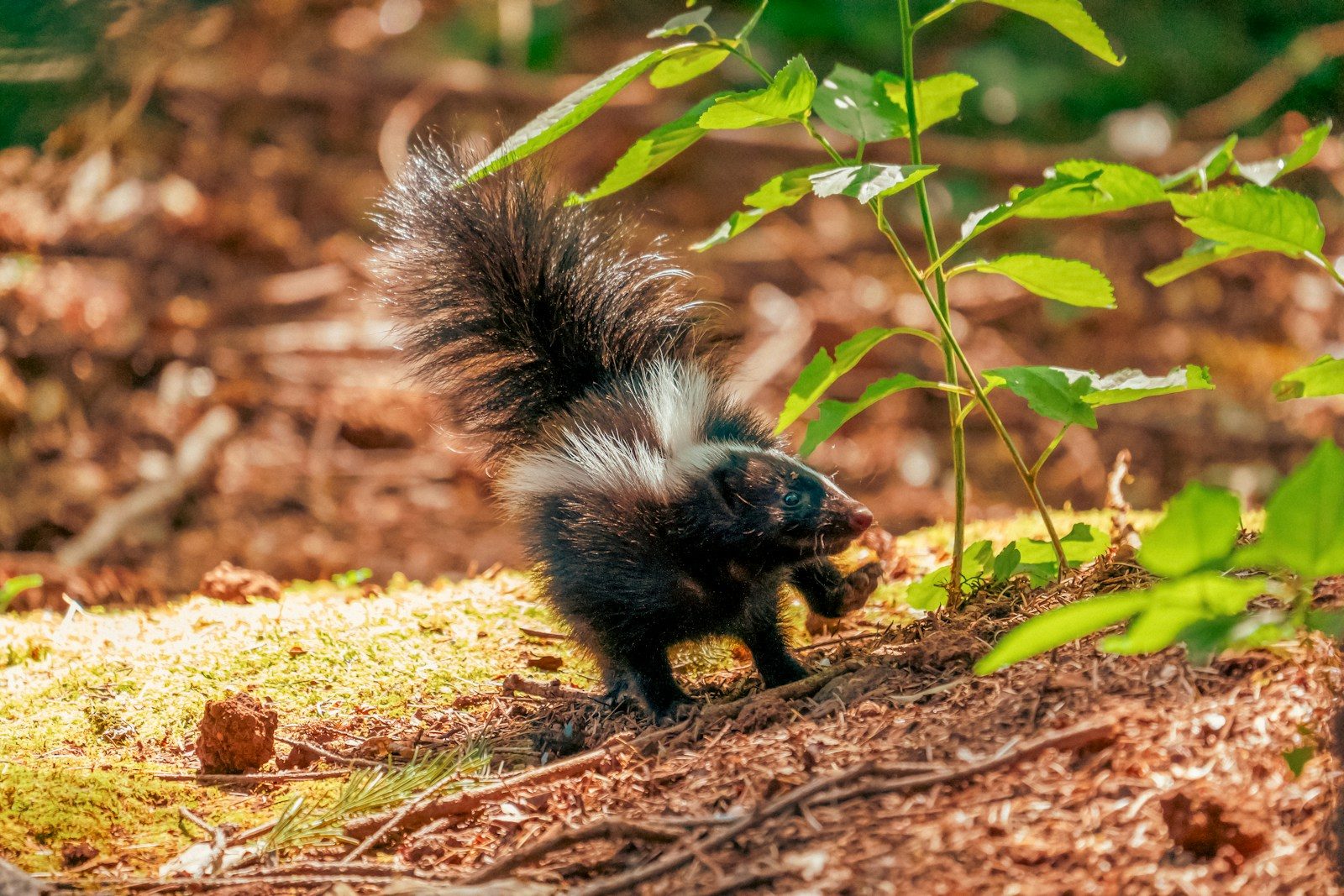
A tiny rescued skunk filmed at Wild Heart Ranch received formula and close attention from a wildlife caretaker. The video showed the youngster resting on her back with a milk-filled belly and all four paws moving in the air.
Tender care is important, but professional rehabilitation has a larger purpose. The skunk must grow strong without becoming so dependent on people that she cannot return safely to the wild.
A Tiny New Arrival

The young skunk arrived during the busy spring season when wildlife centres receive many orphaned mammals and birds. At that age, a skunk may be unable to maintain body temperature, obtain food, or protect itself without its mother or specialised human care.
Formula Replaces Mother’s Milk

The video showed the baby after feeding, with a rounded belly and active paws. Wildlife rehabilitators use species-appropriate formula rather than ordinary dairy milk, which can cause digestive and nutritional problems in many young wild mammals. Feeding amounts must be adjusted carefully as the animal grows.
Warmth Is Essential
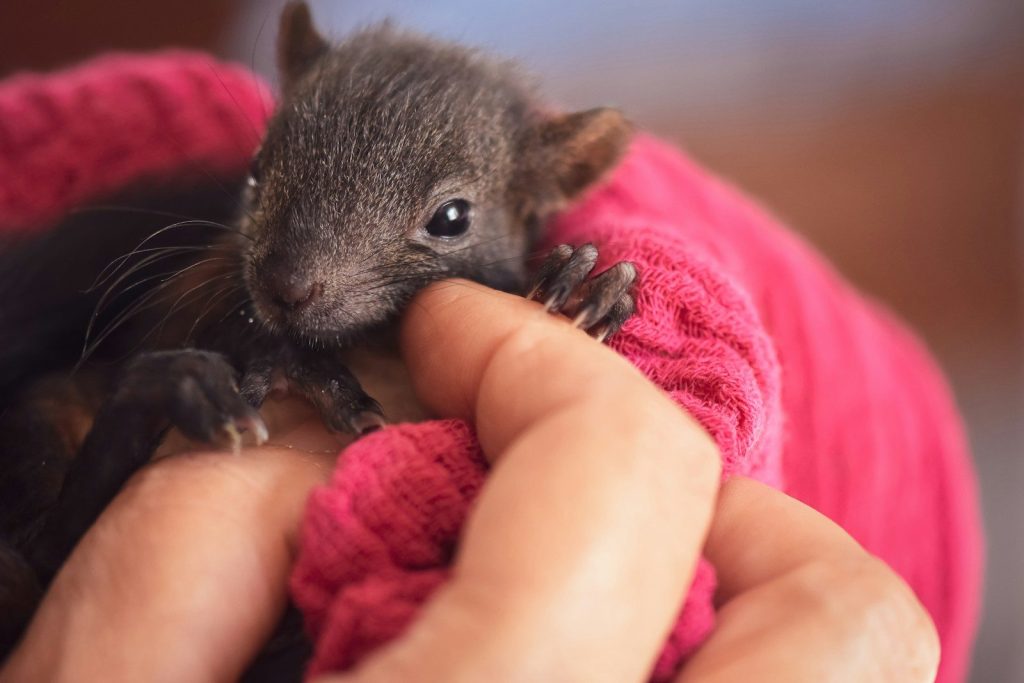
Very young mammals lose body heat quickly. Rehabilitators provide controlled warmth, soft bedding, quiet surroundings, and regular monitoring. Feeding a cold or severely dehydrated animal immediately can be dangerous, so stabilisation often comes before a complete meal.
Spraying Develops Later

The featured youngster had not yet developed the defensive control seen in an adult skunk. Young skunks gradually become capable of spraying as they mature. Adults normally give warning signals, including stamping, raising the tail, and turning their hindquarters toward a perceived threat.
Play Builds Natural Skills

As rescued skunks grow, safe enrichment can encourage digging, searching, climbing, and investigating unfamiliar objects. Another rescued litter was documented playing with balls, bells, nuts, pinecones, and toy mice. Such activity develops coordination without turning the animals into household pets.
Human Contact Stays Limited

A relaxed baby may accept handling, but excessive cuddling can create habituation. A wild skunk that regularly approaches people may later enter homes, approach pets, or fail to recognise danger. Caregivers therefore balance necessary treatment with opportunities to behave independently.
Release Requires Preparation

Before release, a skunk must be healthy, properly developed, capable of finding natural food, and able to respond appropriately to threats. Wildlife centres may move older youngsters into larger outdoor enclosures where they experience weather, natural surfaces, hiding places, and reduced human contact.
The Goal Is Freedom
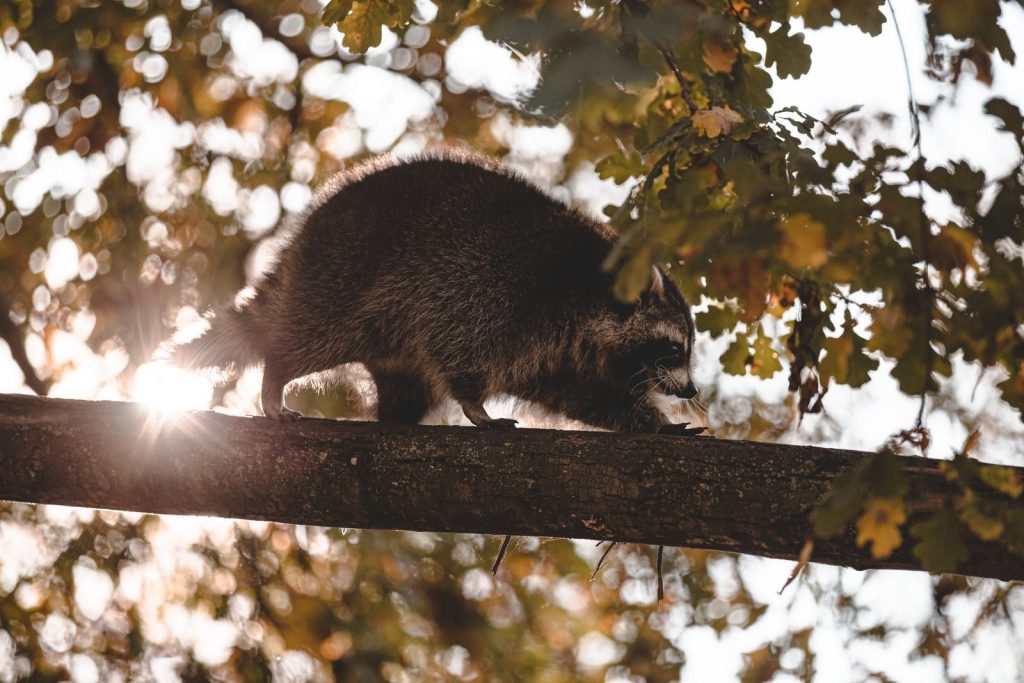
Successful rehabilitation is measured by the animal’s ability to live without its rescuers. Licensed centres return suitable animals to appropriate habitat and provide lifelong care only when injury or permanent disability makes release impossible. Affection supports recovery, but freedom remains the final objective.
Featured Image: Photo by Dan Meyers on Unsplash