Throughout history, many animals have been associated with death, spirits, bad omens, or the afterlife. Different cultures viewed certain creatures as messengers between worlds, while others became symbols of mourning, darkness, or supernatural power.
Some earned these reputations because of their appearance or behavior, while others became tied to myths, folklore, and religious beliefs passed down for centuries.
Ravens
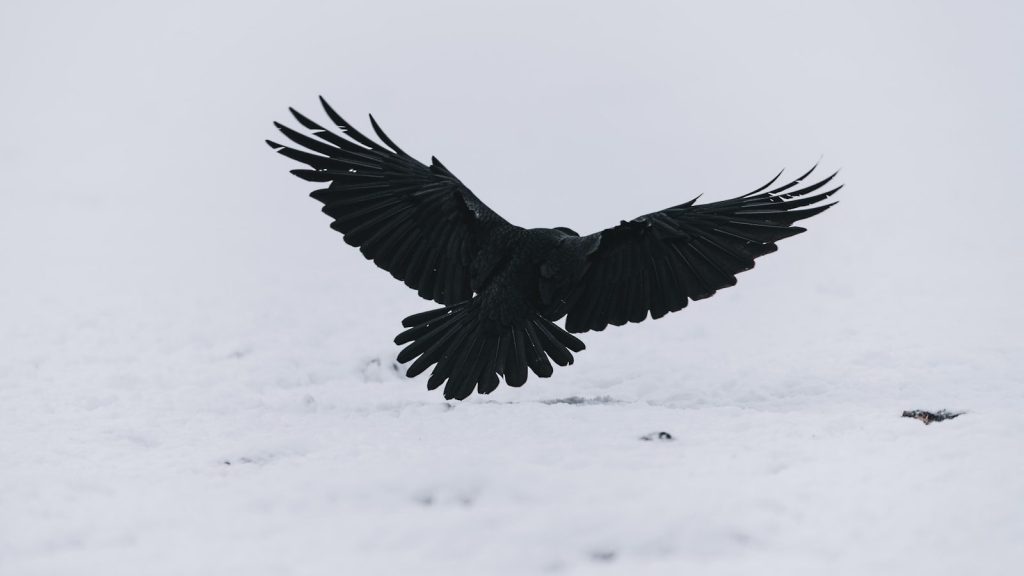
Ravens are among the most famous death symbols in mythology and folklore.
Their dark feathers, eerie calls, and habit of feeding near battlefields caused many cultures to associate them with death and war. In Norse mythology, ravens were connected to the god Odin, while Celtic traditions often linked them to prophecy and the battlefield.
Crows
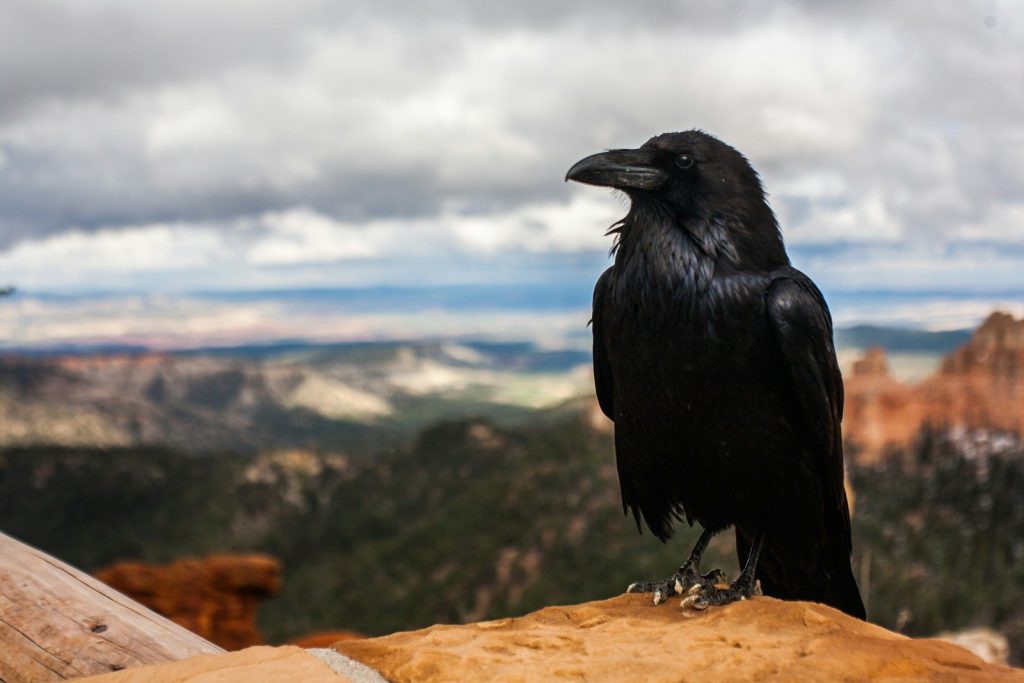
Closely related to ravens, crows are often viewed as omens of death or transformation.
In many traditions, seeing large groups of crows was believed to signal misfortune or tragedy. Their intelligence and mysterious behavior also helped build their reputation in supernatural folklore.
Owls
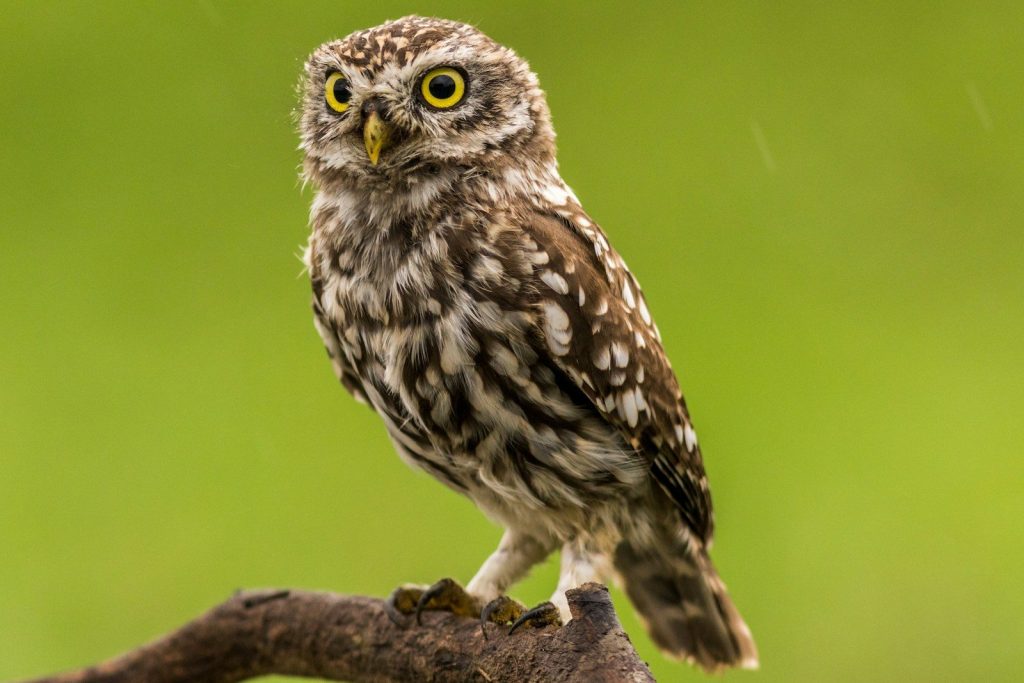
Owls symbolize wisdom in some cultures, but in others they are deeply connected to death and spirits.
Their silent flight and haunting nighttime calls made many ancient societies fear them as messengers from the underworld. In parts of Latin America and Africa, owl calls were historically seen as warnings of approaching death.
Black Cats
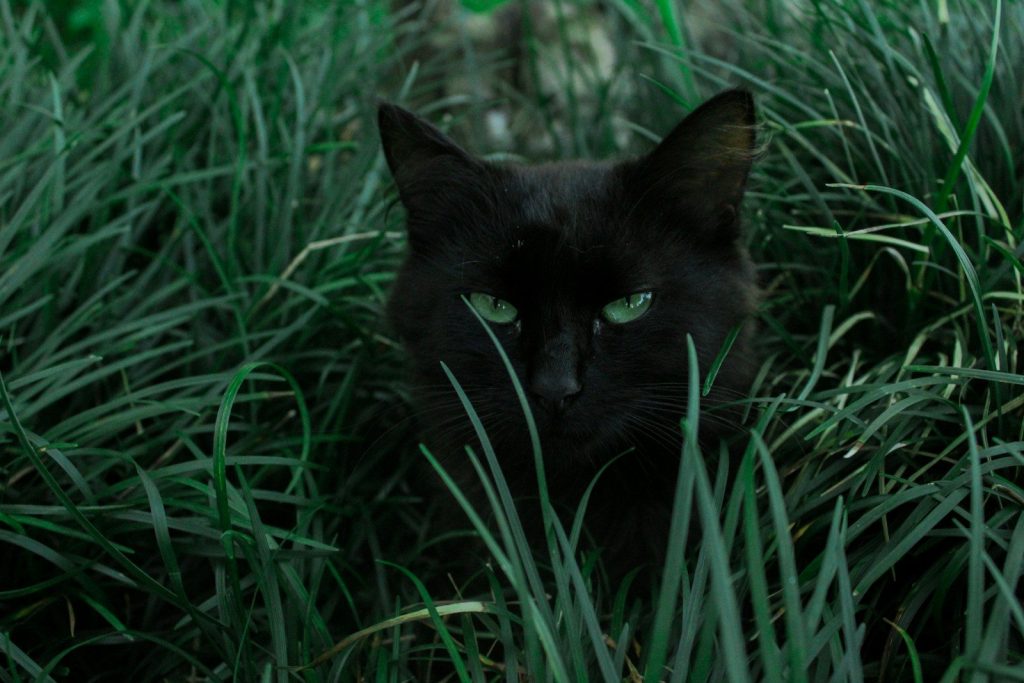
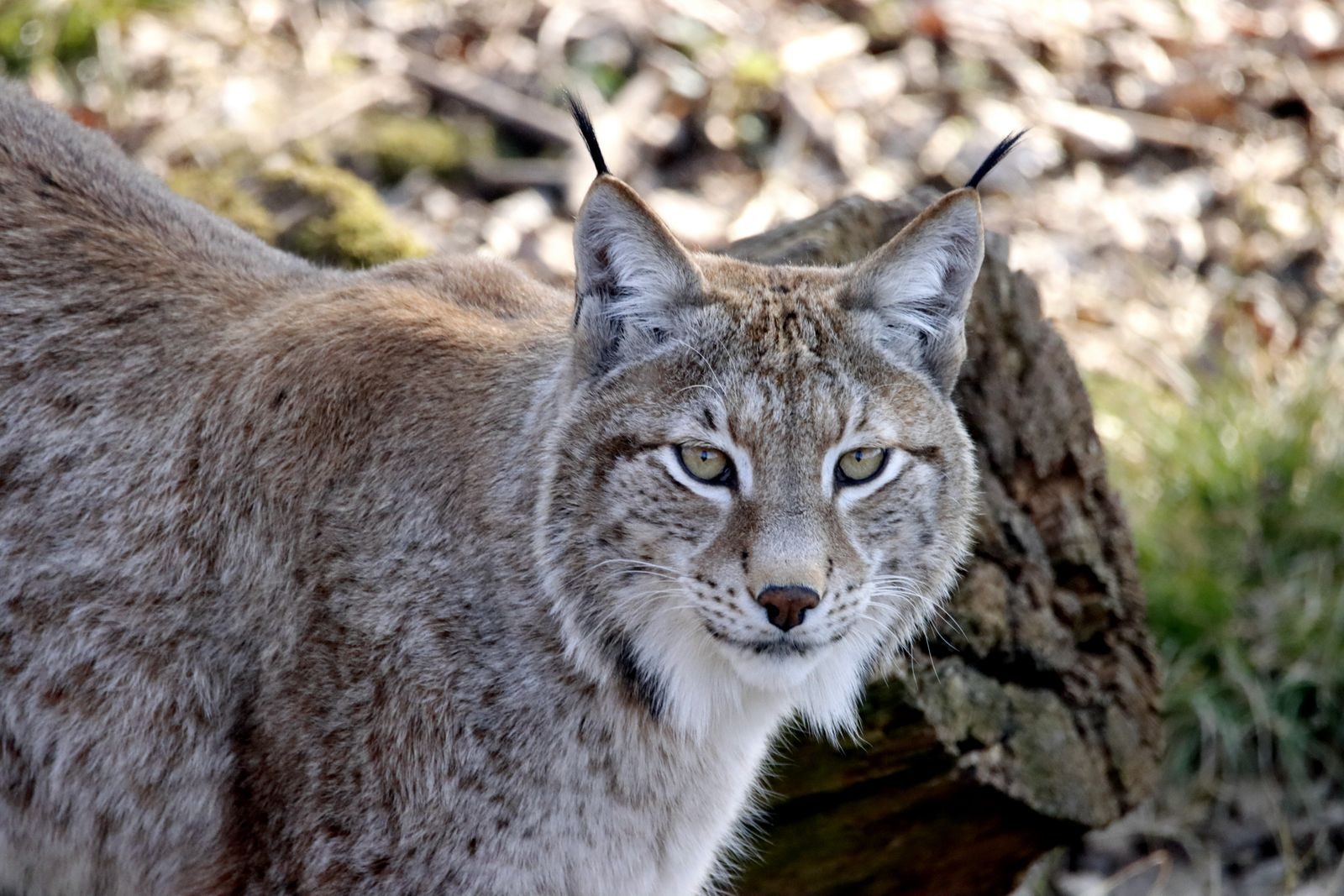
Black cats have long been linked to superstition and the supernatural.
During the Middle Ages in Europe, they became associated with witchcraft and bad luck. Although many cultures now see them differently, the connection between black cats and death folklore remains strong in popular culture.
Vultures
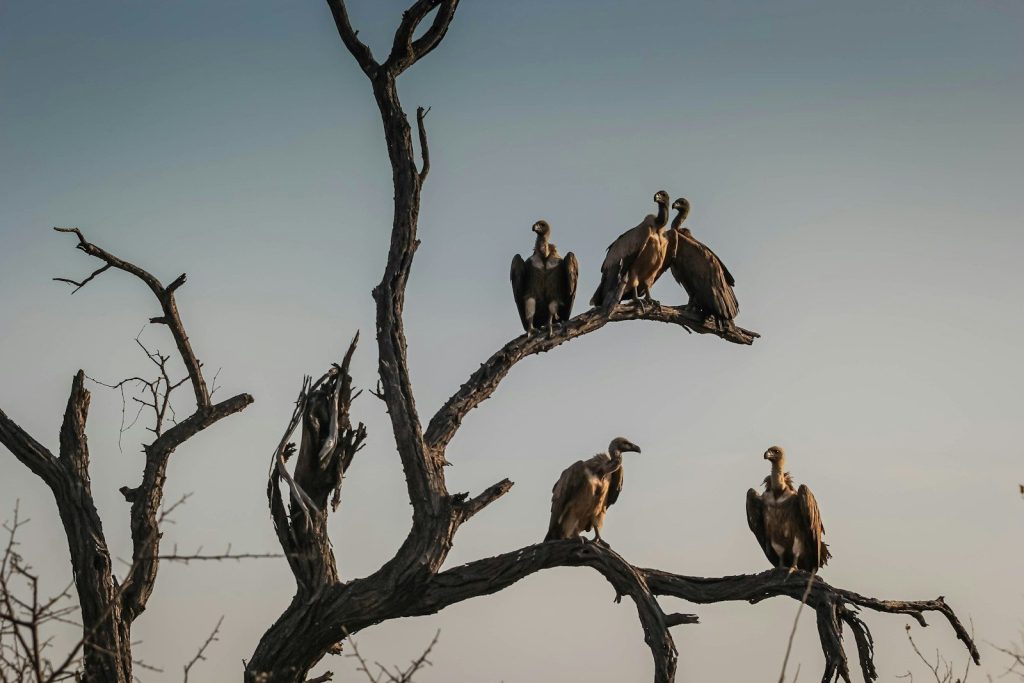
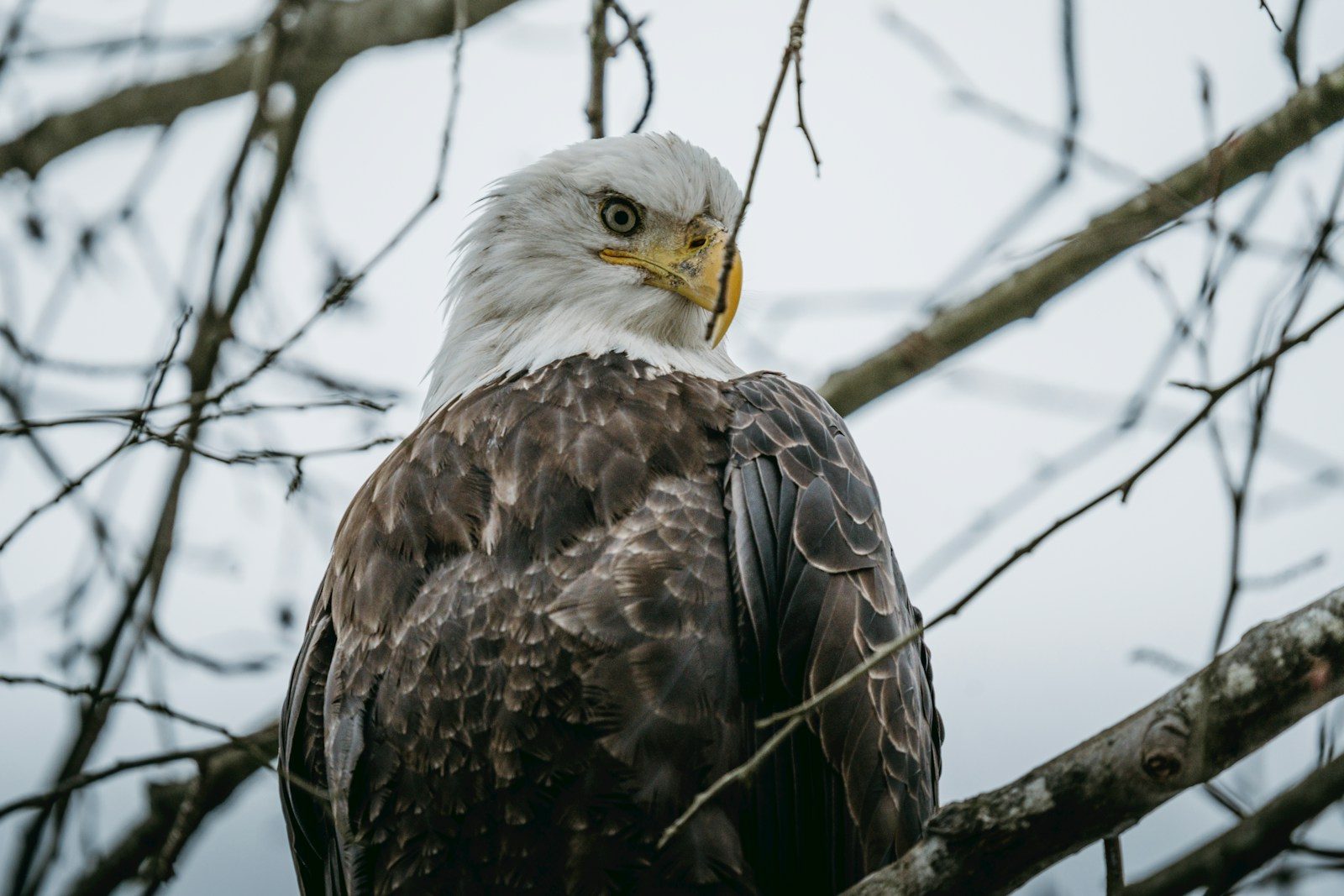
Because vultures feed on carcasses, they naturally became symbols connected to death and decay.
However, some ancient civilizations viewed them more positively. In ancient Egypt and Tibet, scavenger birds were sometimes seen as sacred cleaners that helped guide souls through the cycle of death.
Bats
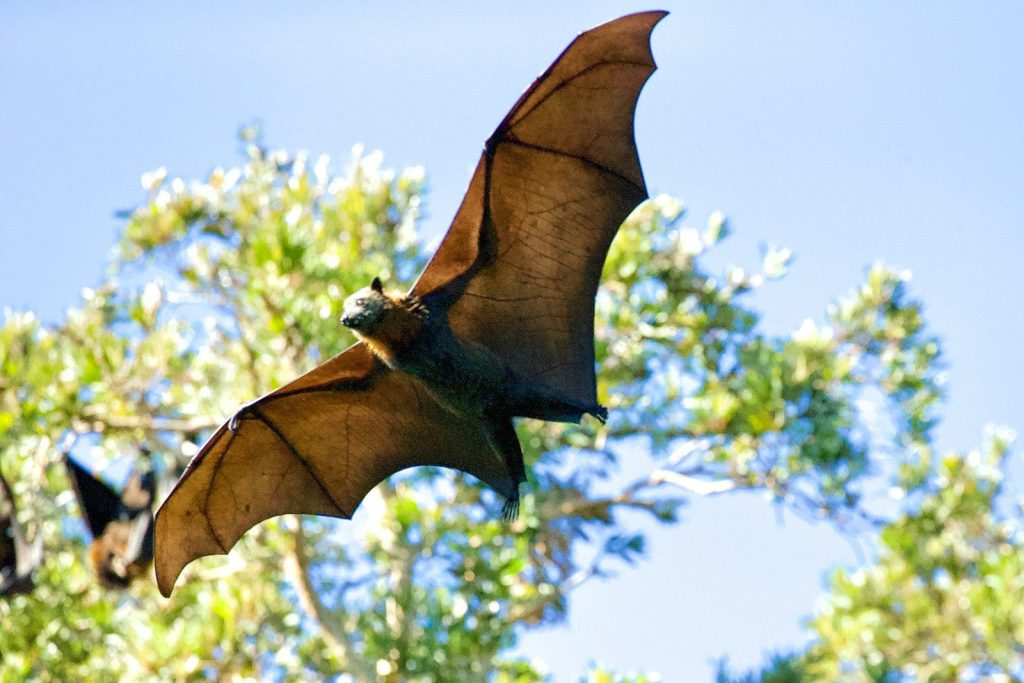
Bats are heavily associated with darkness, cemeteries, and the supernatural.
Their nocturnal habits and cave-dwelling behavior made them symbols of mystery and fear in many societies. Later folklore and vampire legends strengthened their connection to death and the undead.
Wolves
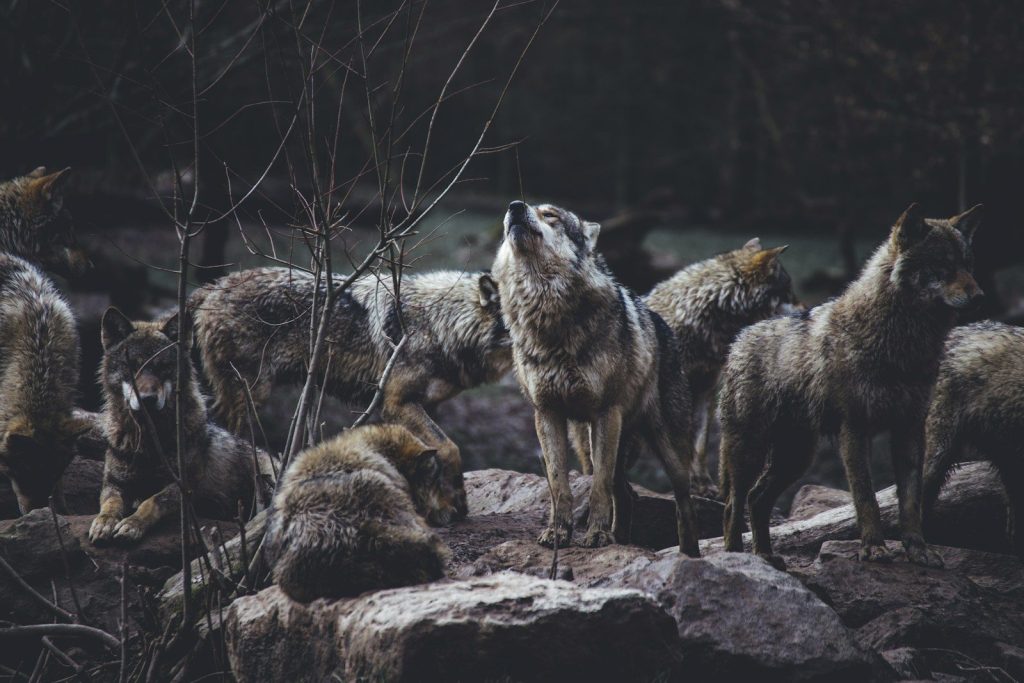
Wolves often appear in myths involving death, spirits, or the underworld.
In some Native American and European traditions, wolves were seen as guides between worlds. Their haunting howls and pack hunting behavior added to their fearsome reputation.
Moths
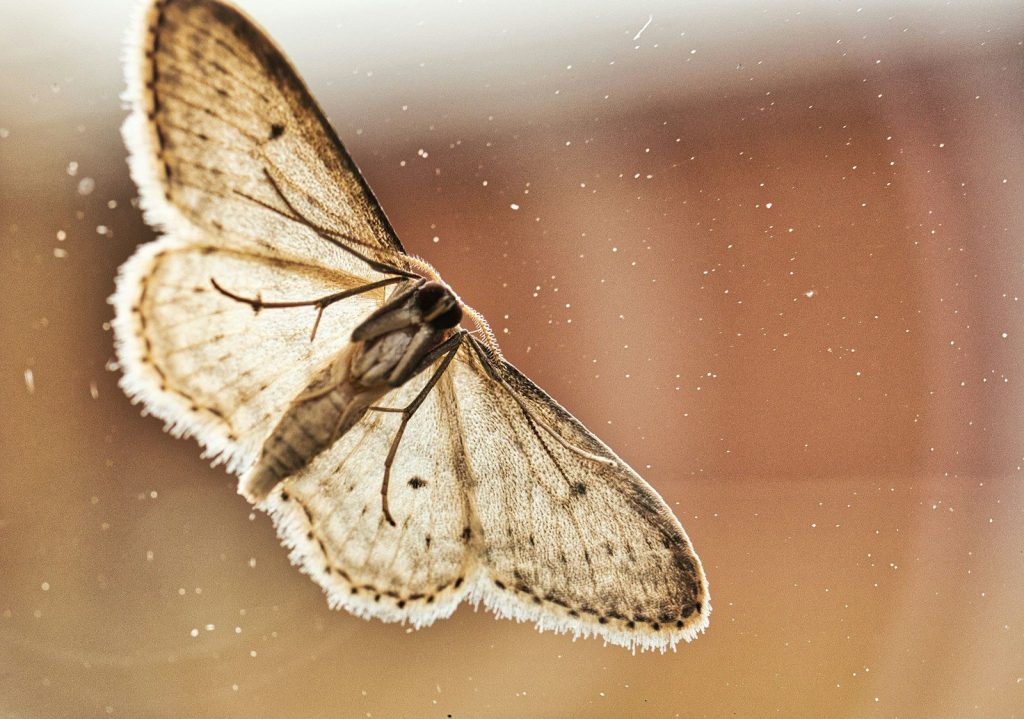
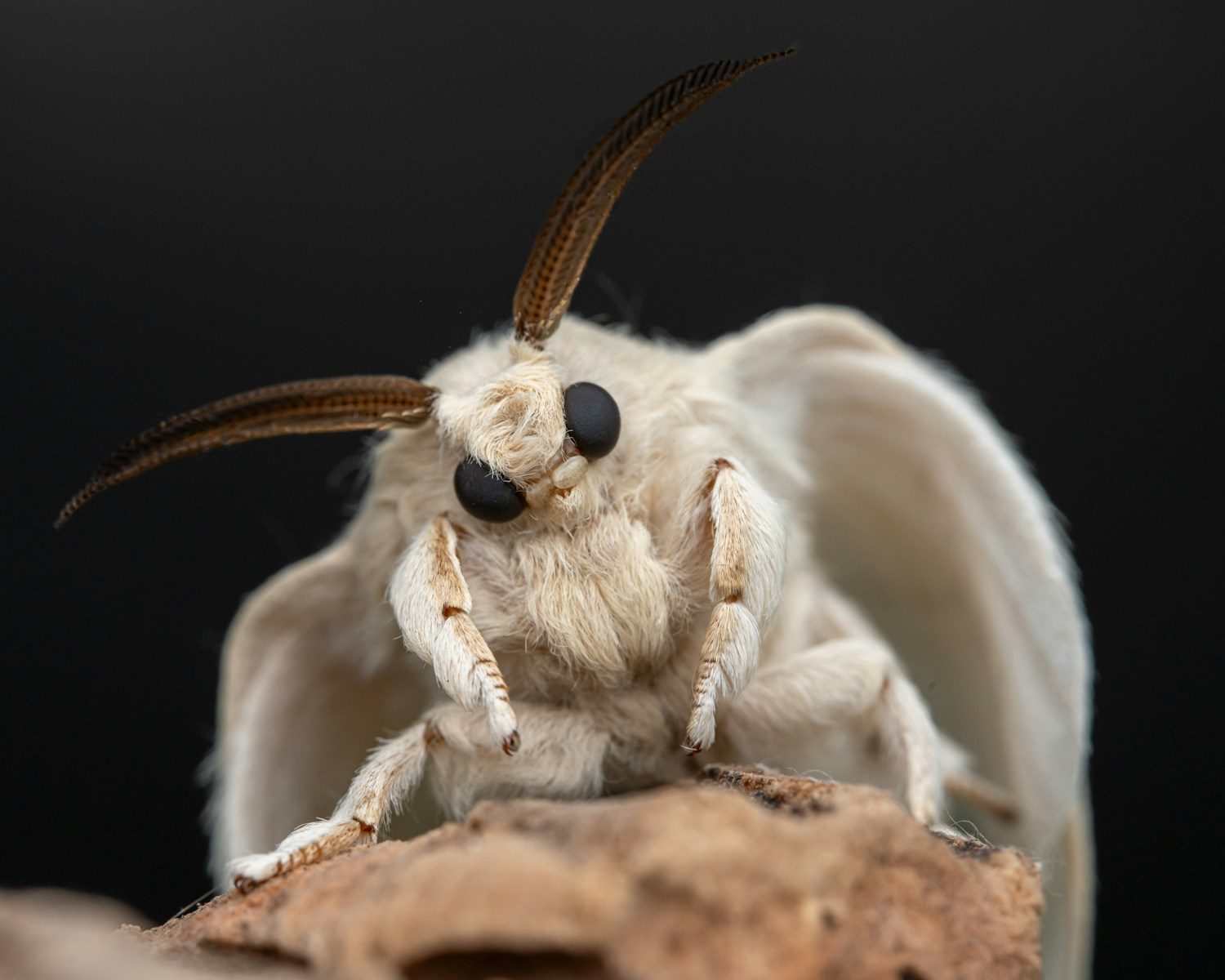
Certain moth species are strongly associated with death symbolism.
The death’s-head hawkmoth became especially famous because of the skull-like marking on its body. It has appeared in horror stories, folklore, and films for generations.
Snakes
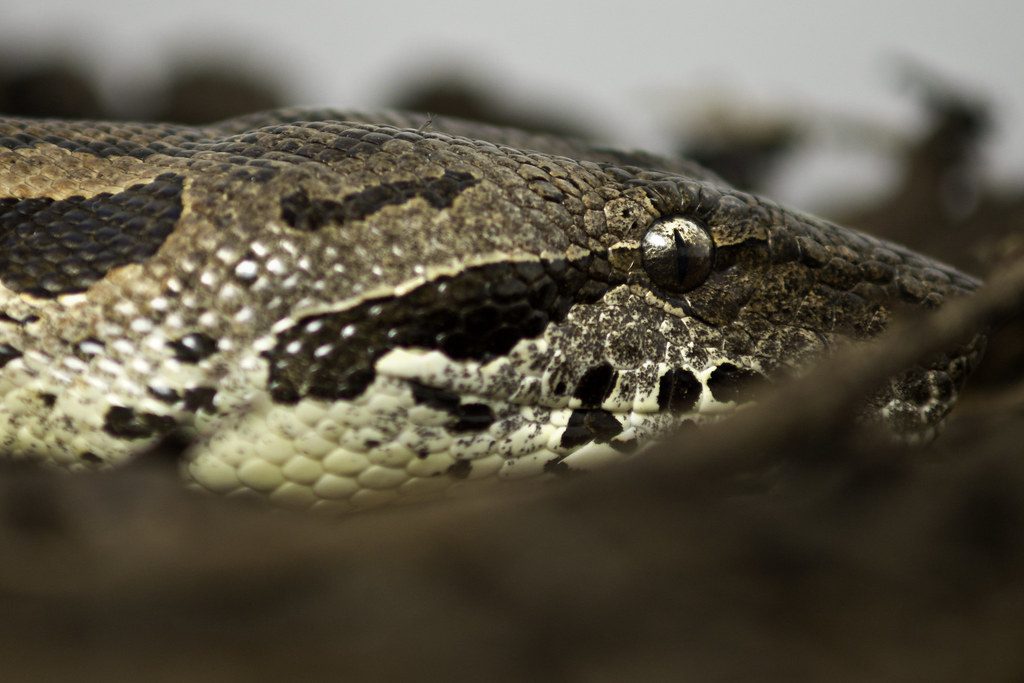
Snakes symbolize both death and rebirth across many cultures.
Because they shed their skin, some traditions viewed them as symbols of transformation and immortality. Others feared them because of venomous species and linked them to danger, temptation, or the underworld.
Dogs
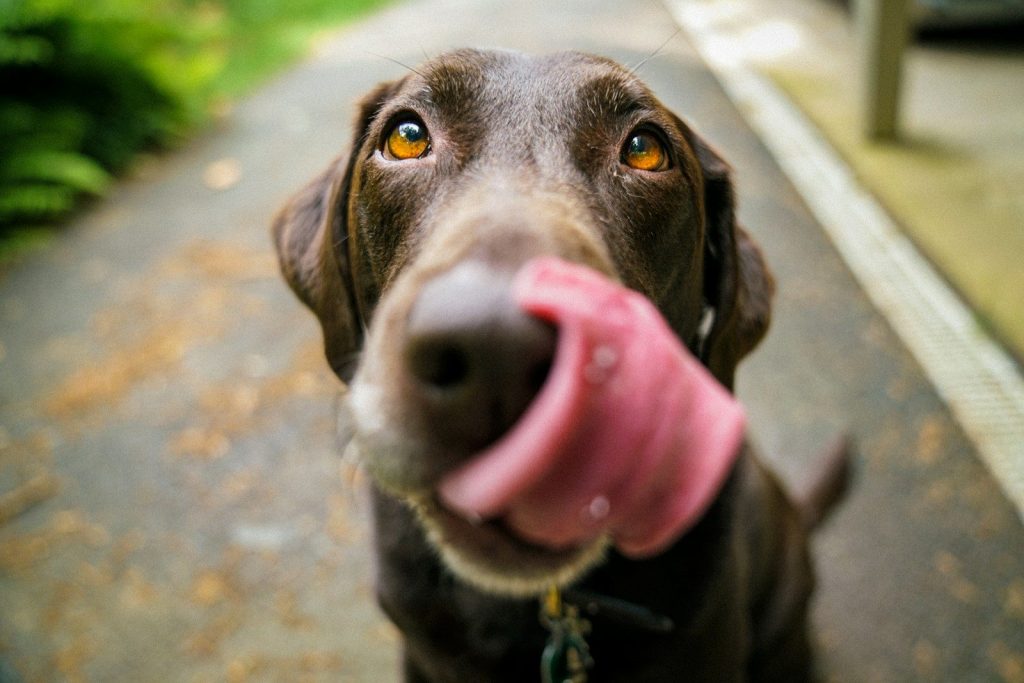
In mythology, dogs are sometimes portrayed as guardians of the dead.
Ancient cultures often believed dogs could sense spirits or protect the boundary between life and death. Cerberus, the three-headed dog from Greek mythology, remains one of the most famous examples.