For most animals, freezing temperatures are deadly because ice crystals can damage cells and organs. However, a small group of remarkable species has evolved unique biological adaptations that allow them to survive being partially or even completely frozen for extended periods.
These animals use natural antifreeze compounds, specialized proteins, and metabolic shutdowns to protect their bodies from damage. When temperatures rise, they thaw out and resume normal life as though nothing happened.
Wood Frog
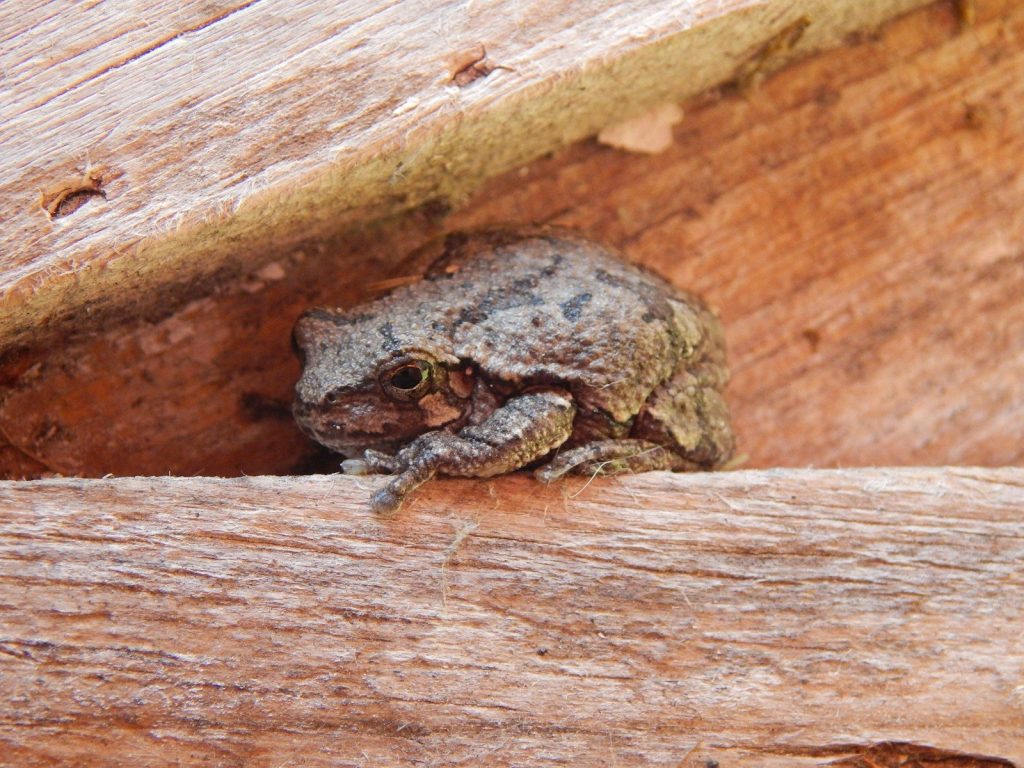
The wood frog is perhaps the most famous freeze tolerant animal on Earth. During winter, much of its body freezes, including its heart and brain activity, yet it can fully recover when spring arrives.
Its liver releases large amounts of glucose that act as a natural antifreeze. This process protects cells from ice damage while the frog remains frozen for months.
Tardigrade
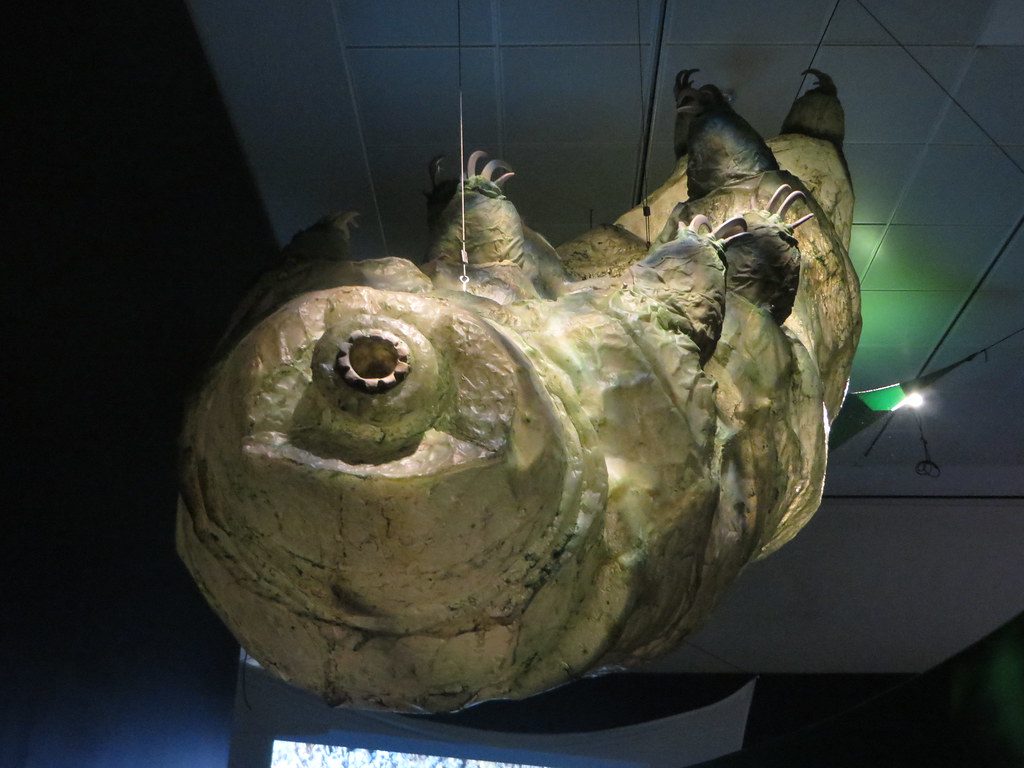
Tardigrades, often called water bears, are microscopic animals famous for their incredible resilience. They can survive freezing temperatures by entering a dormant state known as cryptobiosis.
During this state, their metabolism nearly stops completely. Once conditions improve, they rehydrate and return to normal activity.
Painted Turtle
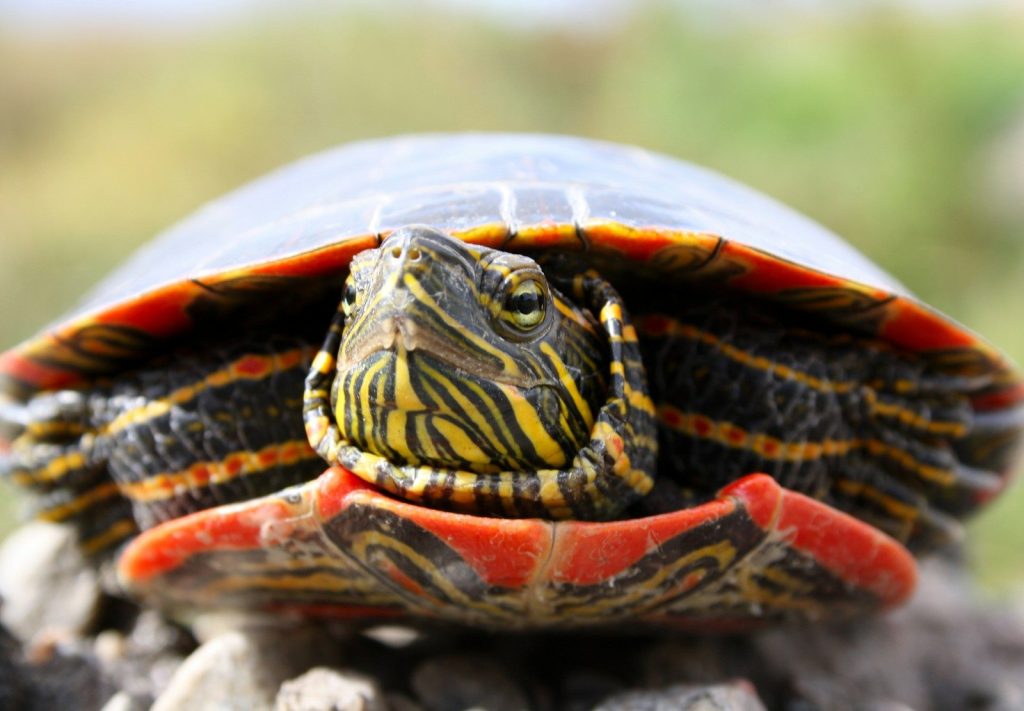
Painted turtle hatchlings have developed an impressive ability to survive freezing conditions inside their nests. They use protective compounds such as glucose and glycerol to limit cellular damage.
This adaptation allows young turtles to endure harsh winters before emerging when temperatures become warmer. Their survival strategy differs from that of many other reptiles.
Arctic Woolly Bear Caterpillar
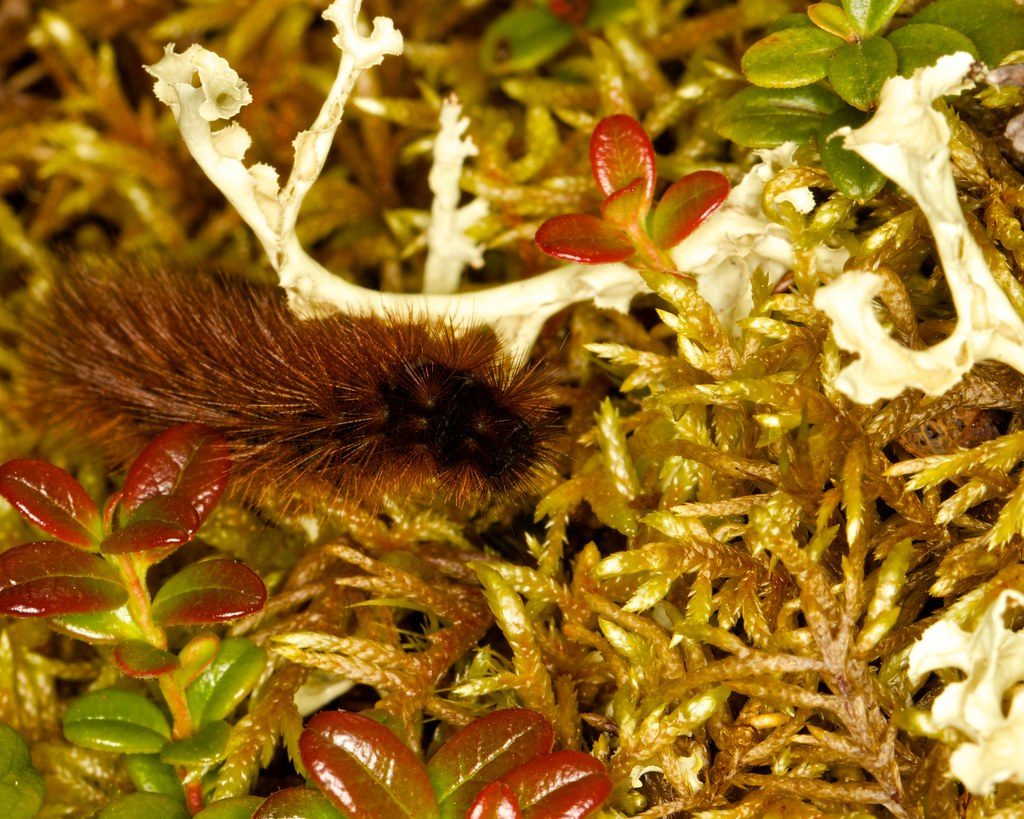
The Arctic woolly bear caterpillar spends much of its life frozen in the far north. It produces natural antifreeze substances that protect its tissues during repeated freeze and thaw cycles.
The caterpillar may require several years to complete its development because of the extreme climate. Each brief summer provides only a short period for growth.
Siberian Salamander
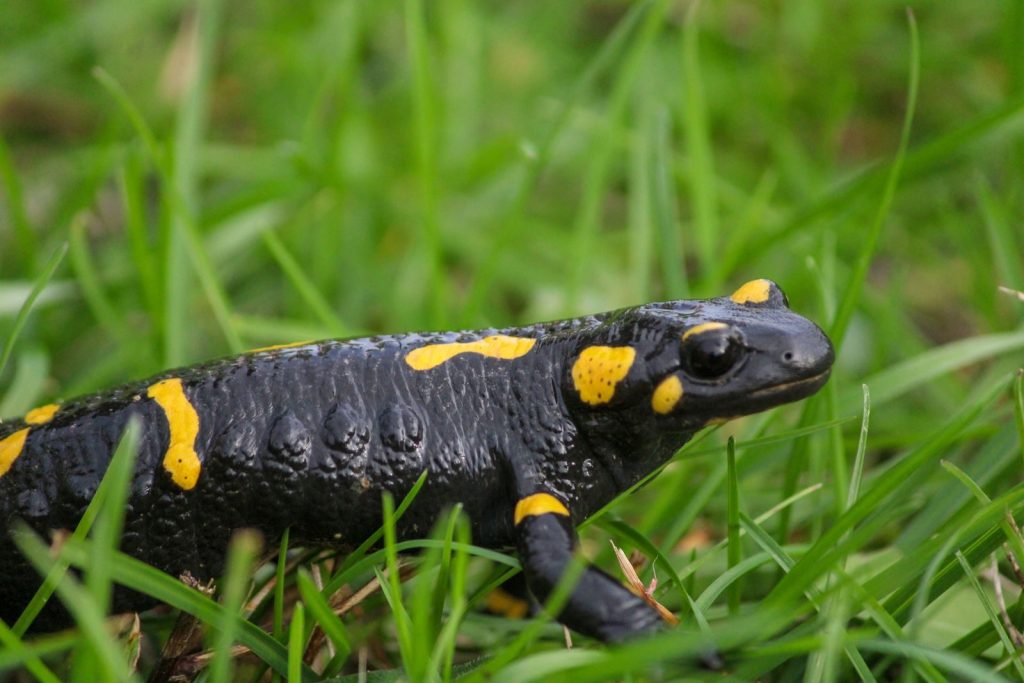
The Siberian salamander is one of the most cold tolerant vertebrates known to science. It can survive prolonged freezing thanks to compounds that reduce ice related cellular damage.
Researchers have documented individuals recovering after being frozen for extended periods. This ability makes the species a fascinating subject of study.
Darkling Beetle
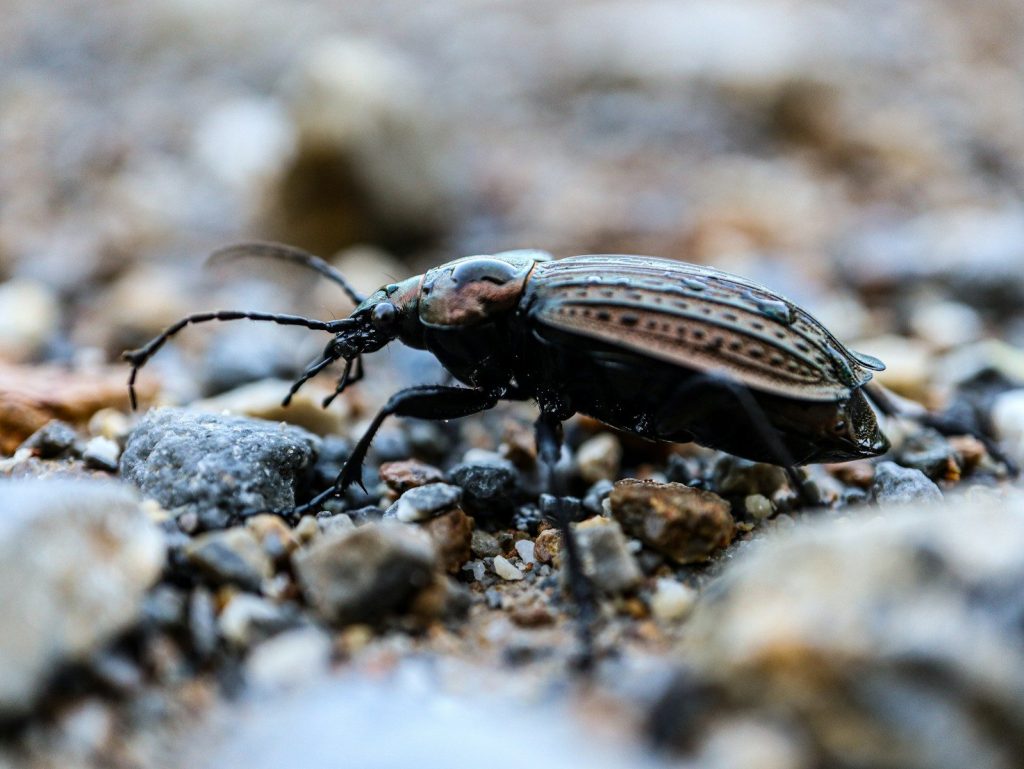
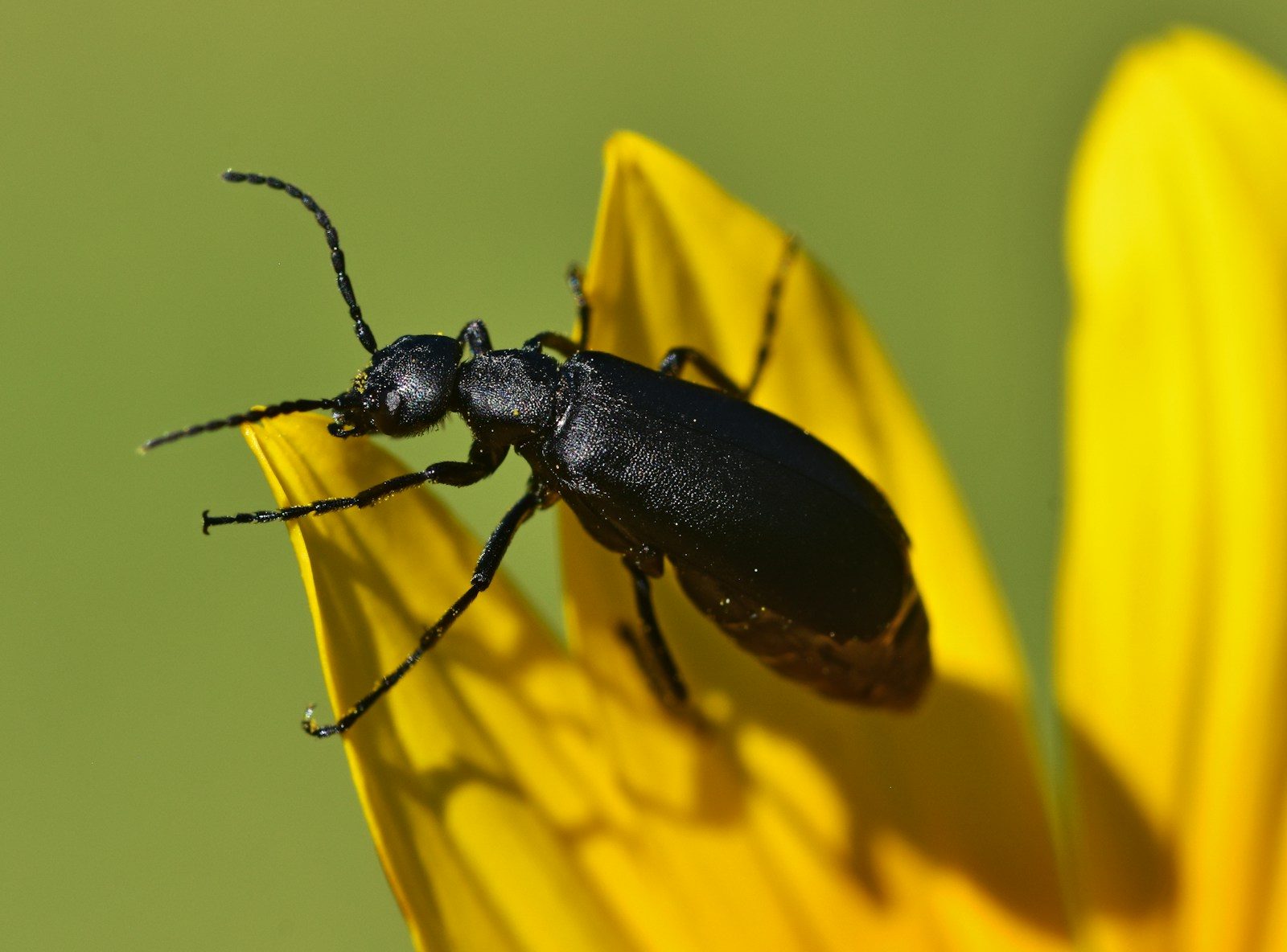
Certain Alaskan darkling beetles have evolved to survive extreme cold by producing specialized antifreeze compounds. These substances help prevent damaging ice crystal formation inside their bodies.
Their ability to freeze and later recover allows them to survive in environments that would kill most insects. It is one of nature’s most impressive cold weather adaptations.