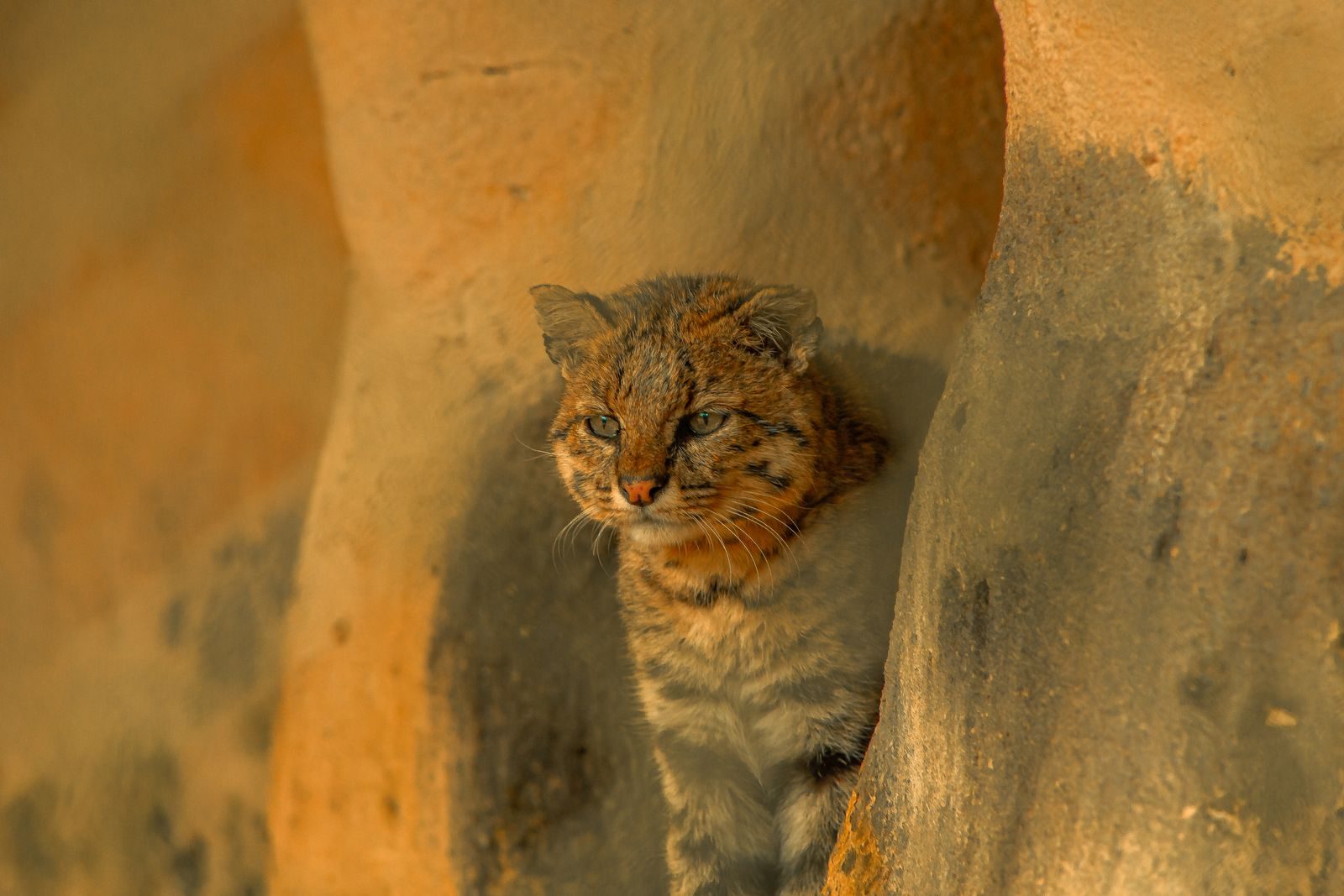
No reliable authority can identify one undisputed “world’s rarest wild cat.” The Andean cat is, however, among the least numerous and least studied. The IUCN Cat Specialist Group classifies it as Endangered.
The latest estimate is about 4,354 individuals, including roughly 2,177 mature cats. Its low density, fragmented habitat, and secretive behavior make every verified photograph or field record valuable to researchers.
A Four-Country Range

The Andean cat occurs mainly in Peru, Bolivia, northern Chile, and northwestern Argentina. Its distribution is patchy because it depends on scattered rocky habitats. The species was long associated only with the high Andes, but records now also extend into lower Patagonian steppe and scrub.
Rocky Mountain Habitat

Typical habitat is cold, dry, steep, and sparsely vegetated, with boulders and rock walls providing cover. Records reach about 5,180 meters in the Andes, although some southern populations occur much lower. Watercourses and rocky slopes often support both the cat and its main prey.
A Long Ringed Tail
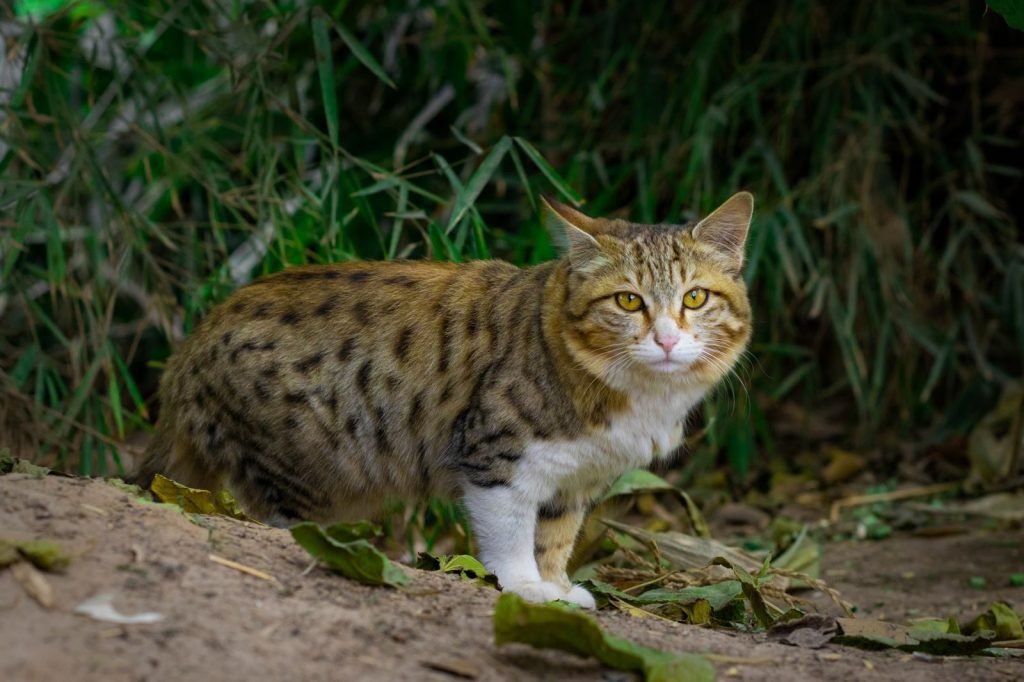
An Andean cat is almost twice the size of a domestic cat and has thick silver-gray fur marked with dark blotches and stripes. Its exceptionally long, bushy tail carries six to nine broad rings and probably helps the animal balance while moving and hunting on broken rock.
A Cat Few People See
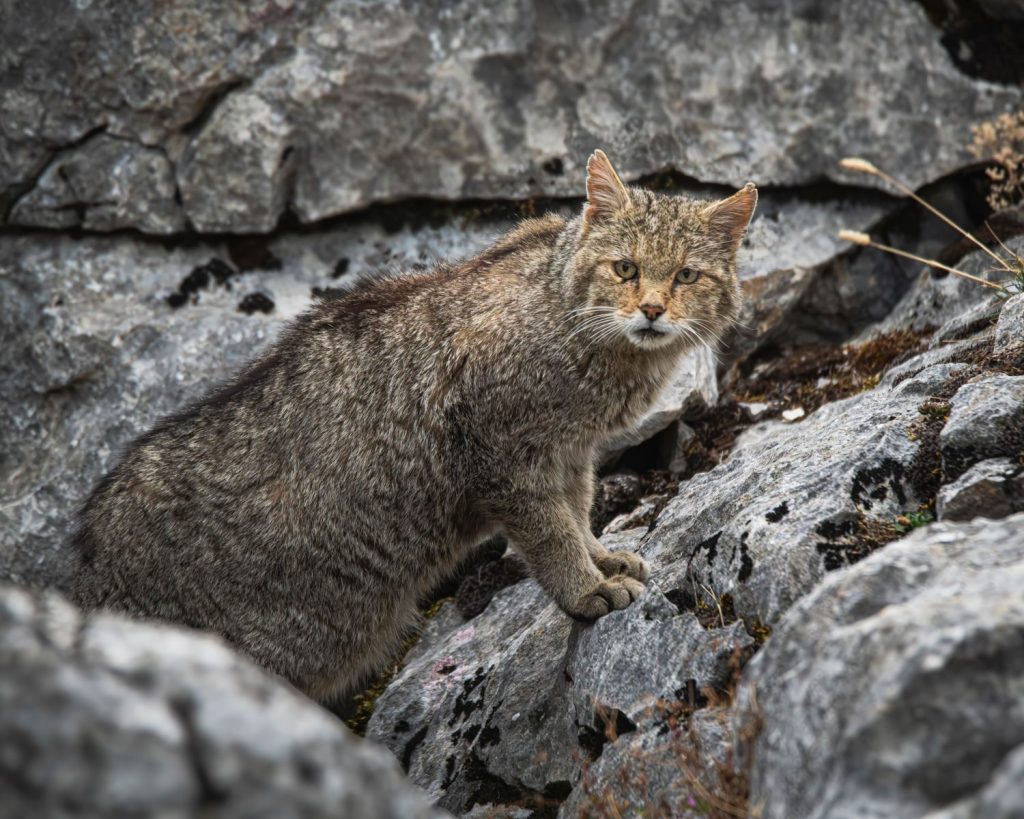
For many years, scientists knew the species mainly from skins and museum specimens. Camera traps, genetic sampling, and a small number of radio-tracking studies have expanded knowledge, but sightings remain uncommon. The cat’s low numbers and naturally fragmented habitat make direct field observation difficult.
Mountain Vizcachas

Mountain vizcachas are the Andean cat’s main modern prey. These rabbit-like rodents live in colonies among rocks, so their distribution helps determine where cats can feed. Andean cats also eat other small mammals, birds, lizards, and insects when available.
Cameras and DNA
Camera traps can confirm presence, identify individuals from coat patterns, and reveal activity times without requiring close contact. Researchers also analyze hair or scat for DNA. These tools help separate Andean cats from similar Pampas cats and improve estimates across remote landscapes.
Mining and Roads

Habitat loss and fragmentation are major threats. Mining, water extraction, road building, pollution, agriculture, dog attacks, hunting, and declining prey can isolate already small populations. Much suitable habitat overlaps the lithium-rich region of Argentina, Bolivia, and Chile, increasing pressure on scarce water and rocky landscapes.
Conservation Across Borders

The Andean Cat Alliance has worked across all four range countries since 1999. Its programs combine research, school and community education, better coexistence with carnivores, reduced dog attacks, and alternative income projects. Cross-border cooperation is essential because cats and threats do not stop at national boundaries.
Featured Image: Photo by Lucas Pezeta on Pexels