The animals responsible for the most human deaths are not always the largest or most frightening. Disease-carrying insects and other small creatures produce a much greater global toll than famous predators.
This ranking uses the best available worldwide health estimates. The figures are not perfectly comparable because reporting systems differ and many deaths occur in places with limited medical surveillance.
How the Ranking Works

An animal can be deadly by attacking directly or by transmitting a disease. This ranking includes both pathways because excluding disease transmission would hide the greatest risks. Estimates should still be read as approximate: underreporting is common, and different health agencies may measure deaths over different years.
Mosquitoes
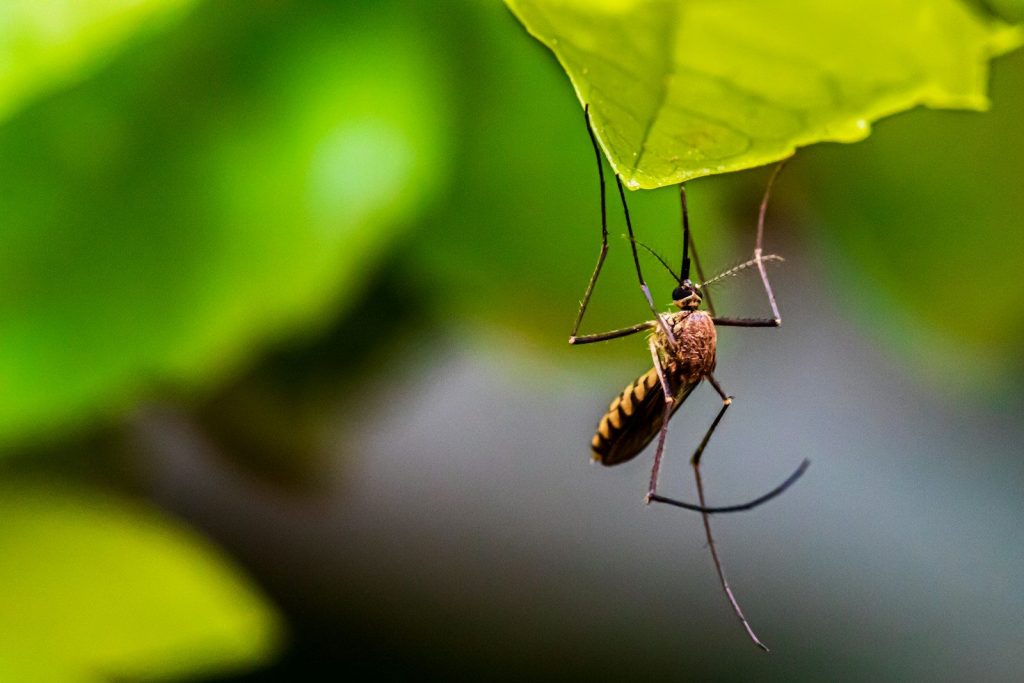
Mosquitoes rank first because they transmit malaria and several other serious diseases. The World Health Organization estimated that malaria alone caused approximately 610,000 deaths worldwide in 2024. Most deaths occurred in the African region, with young children carrying a particularly heavy share of the burden.
Snakes
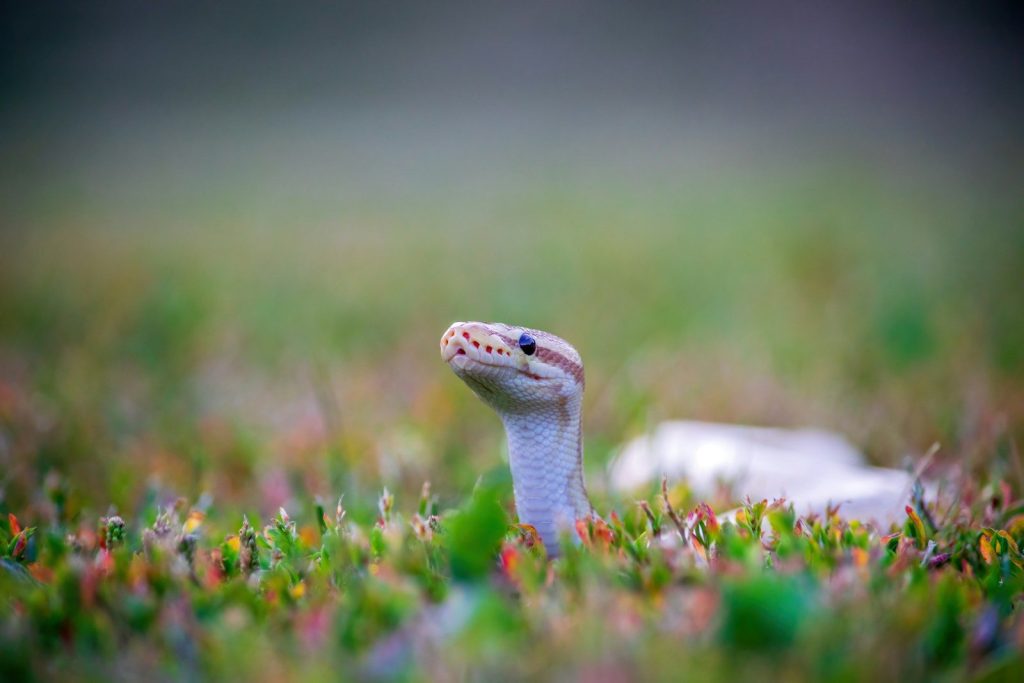
Venomous snakebites cause an estimated 81,410 to 137,880 deaths each year. Millions more people are bitten, and many survivors experience amputations, paralysis, kidney damage, or lasting disability. Agricultural workers and rural communities often face the greatest risk because antivenom and emergency treatment may be difficult to reach.
Dogs

Dogs appear high on the list because infected dogs are the main source of human rabies. The disease causes an estimated 59,000 deaths annually, and dogs account for up to 99% of human rabies transmissions. Prompt wound cleaning and post-exposure vaccination can prevent the disease before symptoms begin.
Freshwater Snails
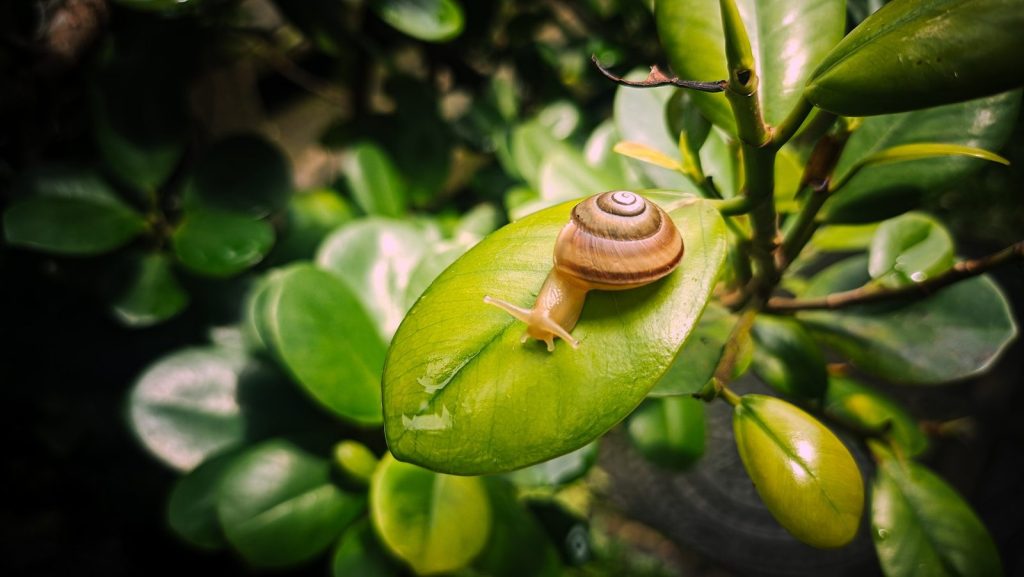
Certain freshwater snails carry parasites responsible for schistosomiasis. People become infected when parasite larvae released into contaminated freshwater penetrate the skin. The World Health Organization reported an estimated 14,353 deaths annually, while warning that the true figure may be higher because the disease is often underdiagnosed.
Kissing Bugs
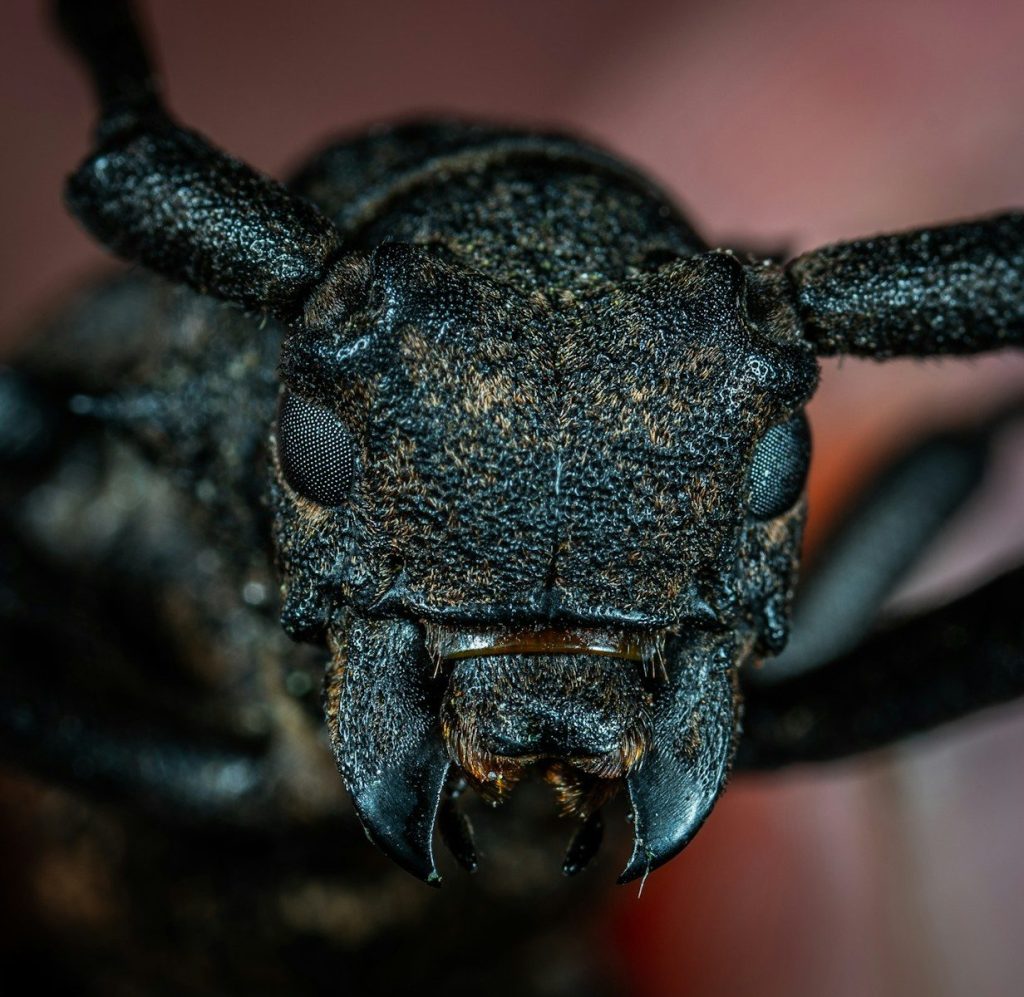
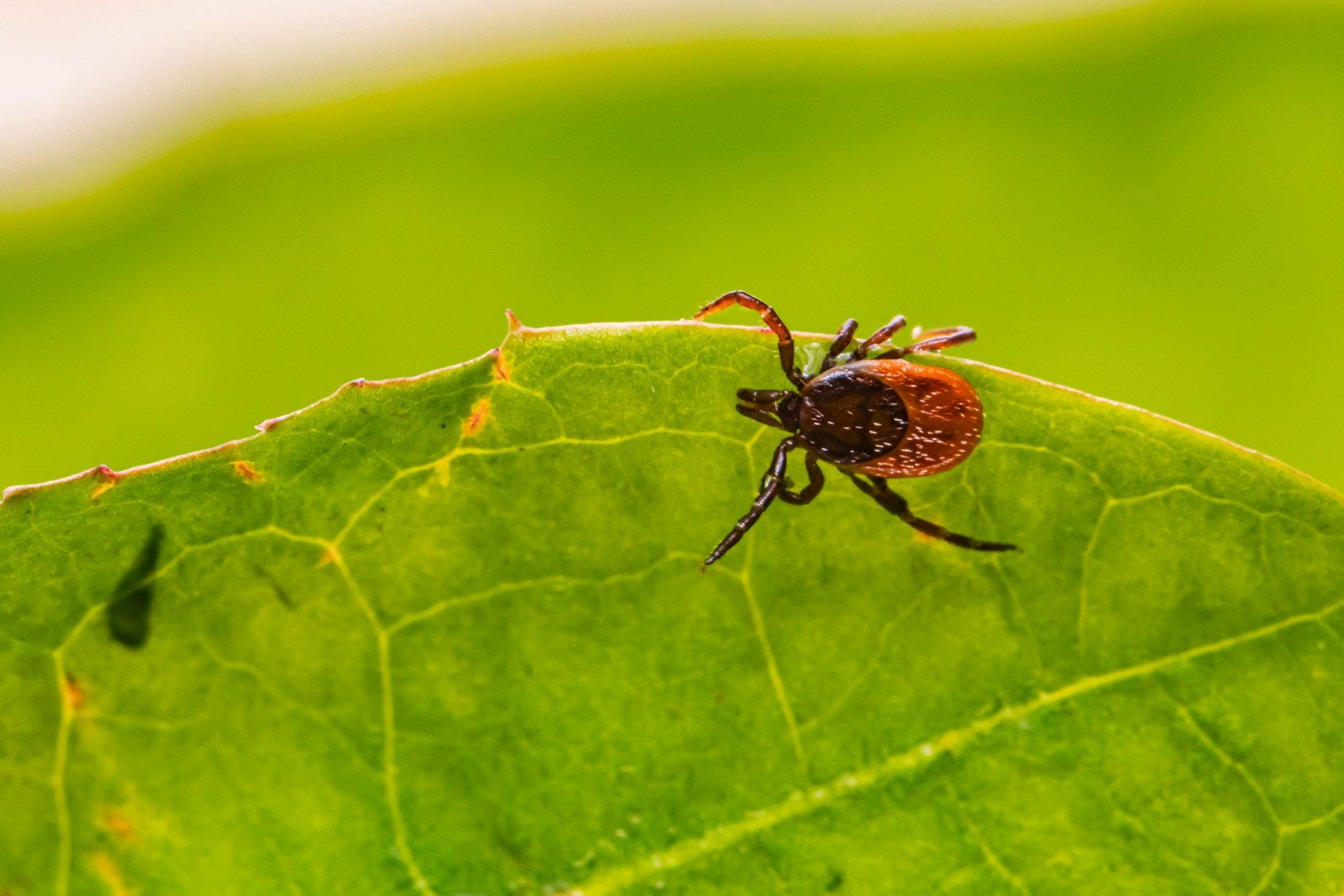
Triatomine insects, commonly called kissing bugs, can transmit the parasite that causes Chagas disease. The World Health Organization estimates that more than 10,000 people die from Chagas disease each year and roughly eight million people are infected. Long-term infection can damage the heart and digestive system.
Scorpions

Scorpion stings are especially dangerous for children and people living far from medical care. A recent scientific review estimated approximately 1.2 million stings and around 3,000 deaths globally each year. Only a minority of scorpion species have venom capable of causing severe or fatal poisoning in humans.
Why Big Predators Rank Lower
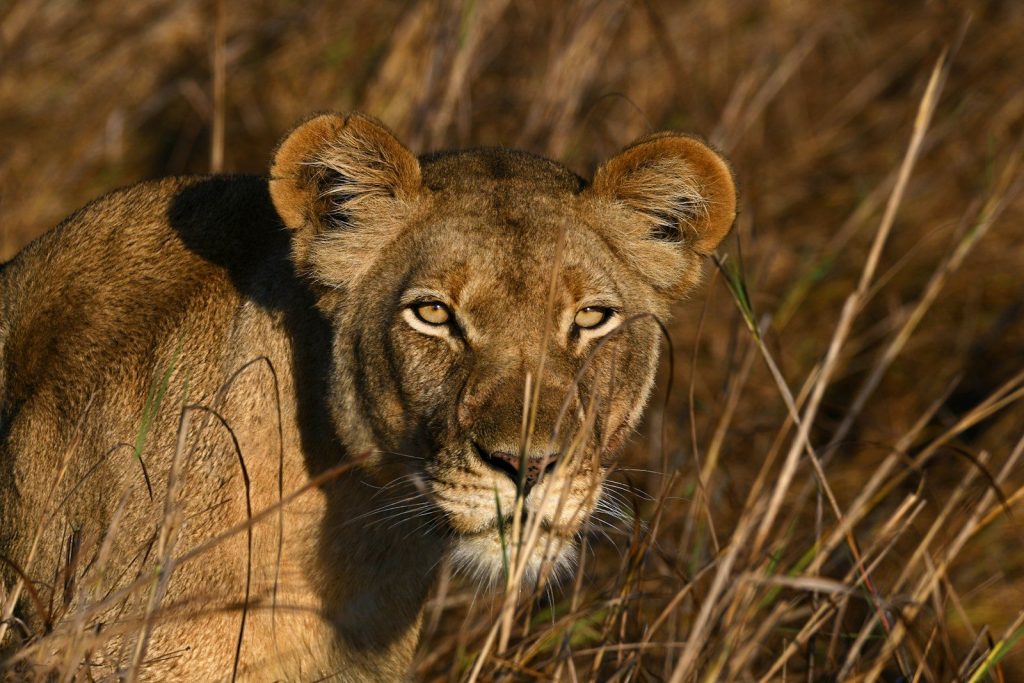
Lions, crocodiles, sharks, and other large predators can cause devastating individual attacks, but they do not produce death totals close to malaria, snakebite, or rabies. The ranking shows that the greatest animal-related risks are often connected to disease prevention, healthcare access, safe housing, vaccination, and effective pest control.
Featured Image: Photo by Zdeněk Macháček on Unsplash