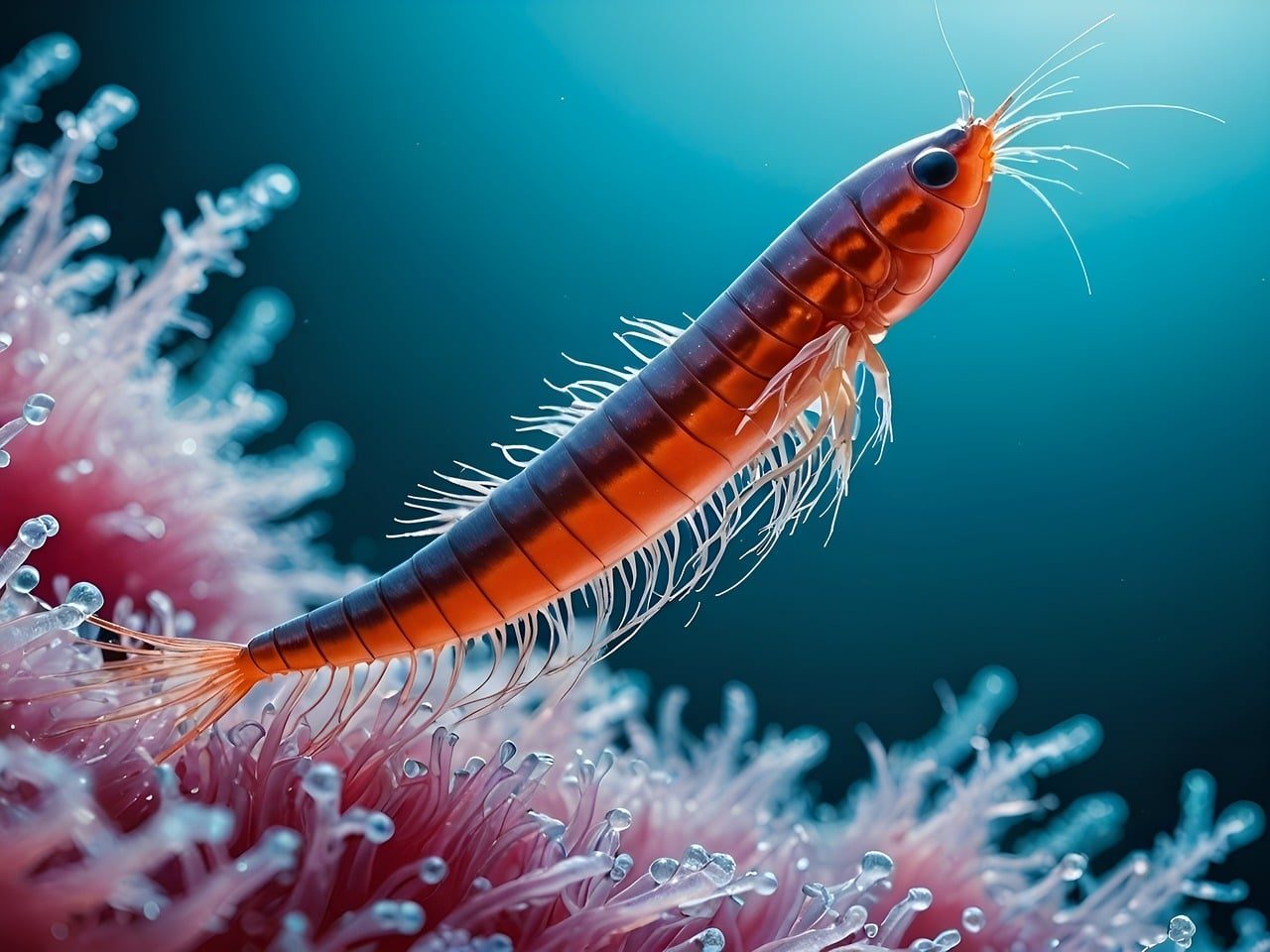
When most people think of Antarctica, they picture towering glaciers, penguins, seals, and majestic whales. But hidden beneath the icy waters is a tiny crustacean that quietly supports one of Earth’s richest marine ecosystems—Antarctic krill.
Although only a few inches long, these small creatures play an enormous role in feeding marine wildlife, regulating the planet’s climate, and maintaining healthy oceans. Today, however, growing industrial fishing is placing increasing pressure on this vital species.
The Foundation of Antarctica’s Food Web
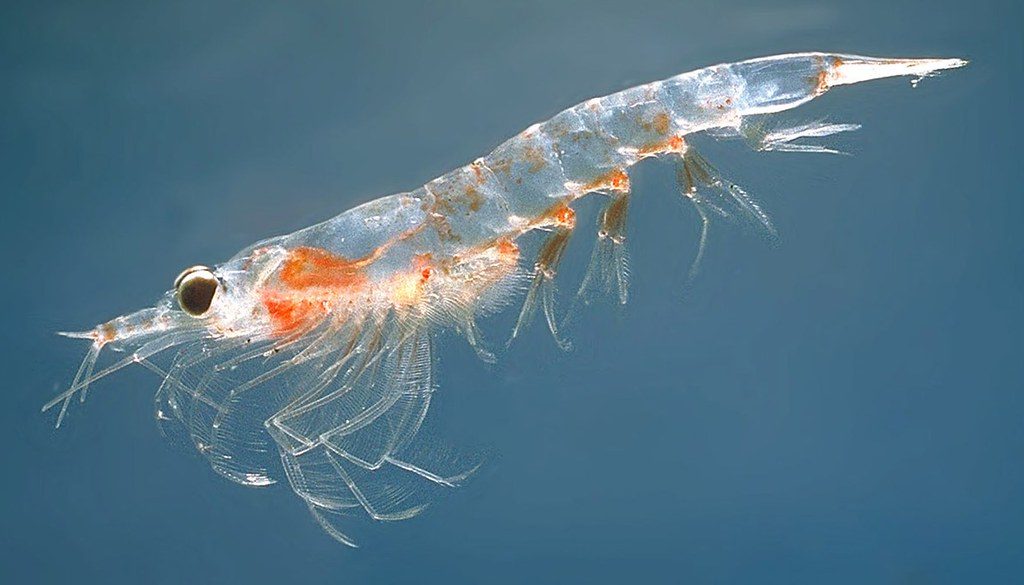
Antarctic krill may be small, but they are the primary food source for countless animals.
Whales, seals, penguins, seabirds, squid, and many species of fish depend on krill for survival. Every summer, massive populations of blue, humpback, fin, minke, and sei whales migrate to Antarctic waters specifically to feed on these nutrient-rich crustaceans.
Without healthy krill populations, the entire Antarctic ecosystem would be at risk.
Tiny Creatures With a Big Climate Role
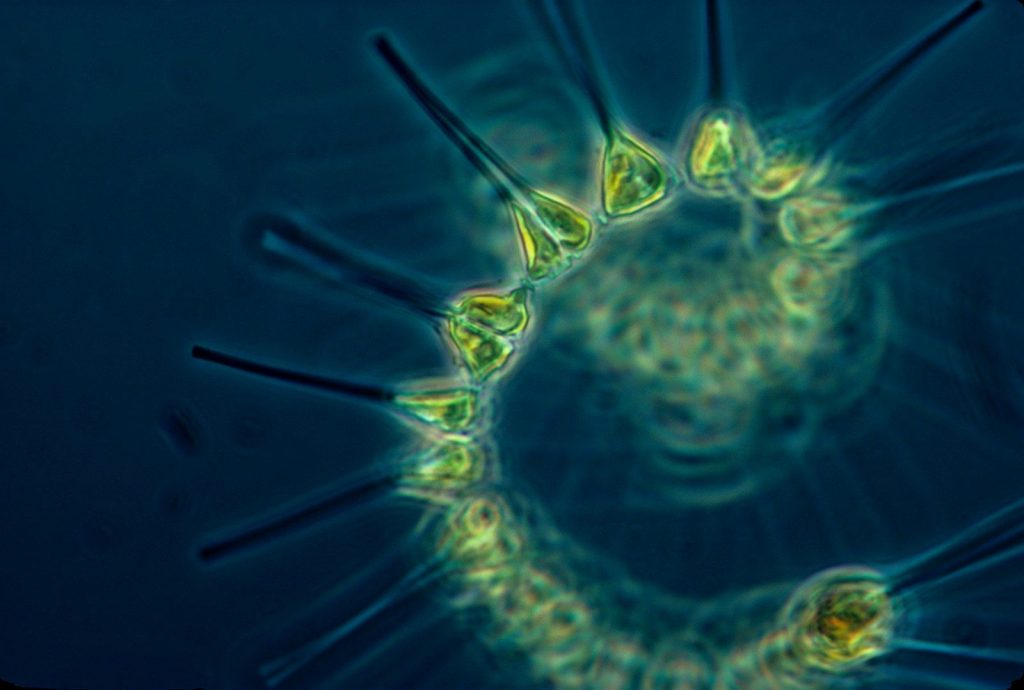
Krill do more than feed wildlife—they also help regulate Earth’s climate.
By consuming microscopic phytoplankton near the ocean’s surface and releasing waste that sinks deep into the sea, krill naturally transport carbon away from the atmosphere. This process helps store carbon in the deep ocean, reducing the amount of carbon dioxide that contributes to global warming.
Scientists consider this natural “carbon pump” an important part of the planet’s climate system.
Rising Demand Is Increasing Pressure
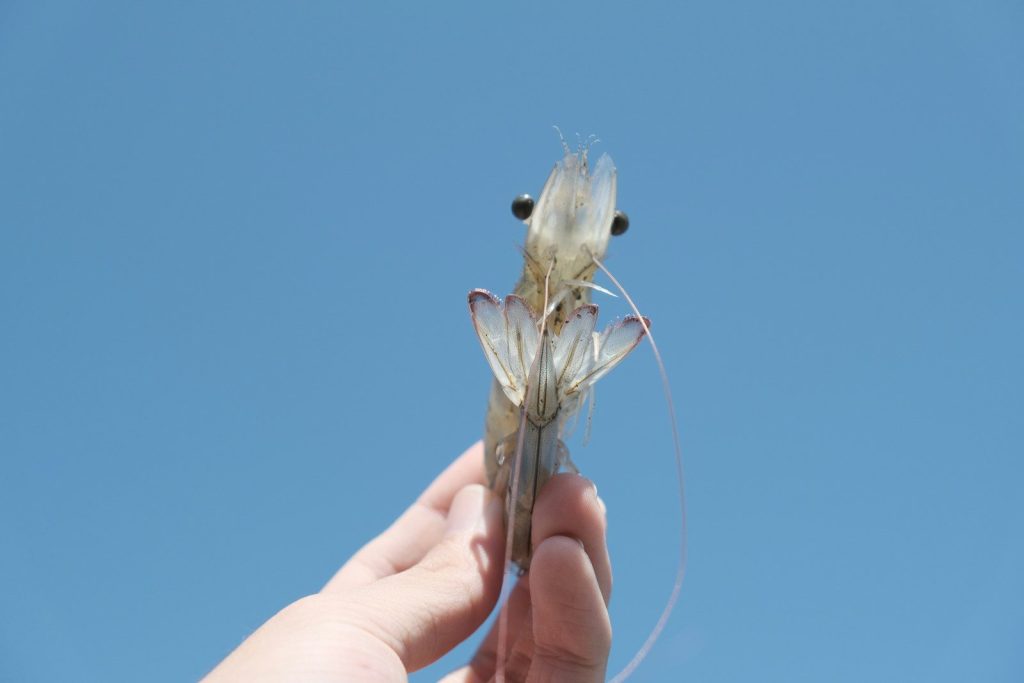
Industrial krill fishing has expanded significantly in recent years.
Krill are harvested for several commercial products, including:
- Omega-3 dietary supplements
- Fish feed for aquaculture
- Pet food
- Animal nutrition products
Modern fishing vessels can operate continuously for months, allowing larger catches than ever before. Conservation groups warn that increasing harvests in key feeding areas could threaten wildlife that relies on abundant krill.
Conservation Efforts Face Challenges
The Southern Ocean is managed by the Commission for the Conservation of Antarctic Marine Living Resources (CCAMLR), an international body responsible for balancing conservation with sustainable resource use.
Several countries have proposed creating vast Marine Protected Areas (MPAs) around Antarctica to safeguard important wildlife habitats and feeding grounds. However, disagreements among member nations have delayed progress, leaving many proposed protected regions without final approval.
Why Protecting Krill Matters
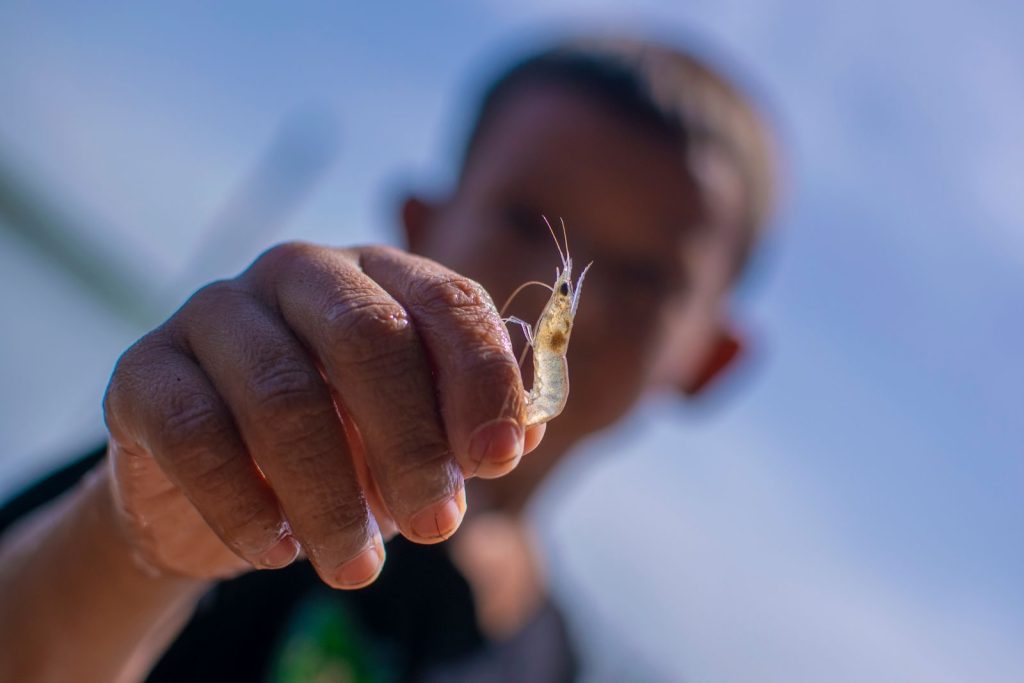
Although they are often overlooked, Antarctic krill are among the most important animals on Earth.
Their survival supports iconic Antarctic wildlife, strengthens global marine food webs, and contributes to natural carbon storage that benefits the entire planet. Protecting krill populations is increasingly viewed by scientists as an essential step toward preserving ocean biodiversity and maintaining healthy ecosystems for future generations.
Featured Image: Photo by HeckiMG on Pixabay