Some people are fascinated by animals that most of us would never consider keeping at home. While certain dangerous species can legally be owned in particular countries, states, or regions, ownership rules vary dramatically. Permits, licenses, specialized facilities, and strict safety regulations may be required, and some animals are completely illegal to keep as pets. Even when ownership is permitted, these creatures remain wild animals with powerful instincts and complex needs. Here are six potentially deadly animals that some private individuals are legally allowed to keep under specific circumstances.
Venomous Snakes
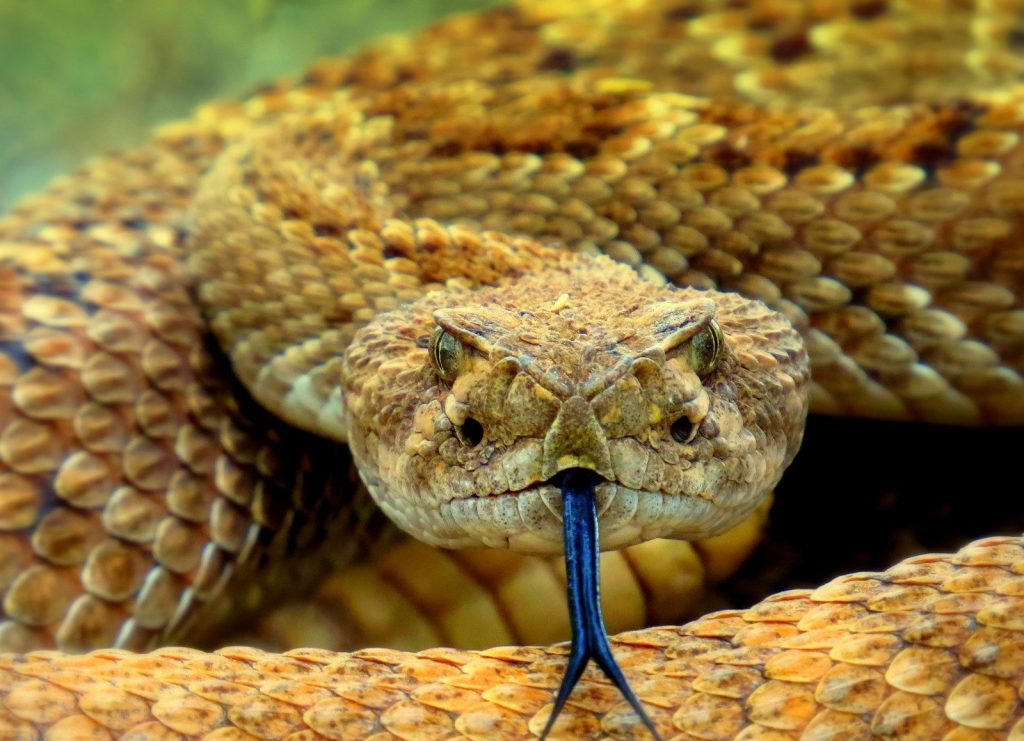
Some private owners legally keep highly venomous snakes, including cobras, vipers, and mambas, depending on local regulations. These reptiles can deliver potentially fatal bites and require secure enclosures, specialized handling procedures, and emergency safety plans.
Even experienced keepers must treat venomous snakes with extreme caution. A single mistake during feeding, cleaning, or handling can have life-threatening consequences.
Big Cats
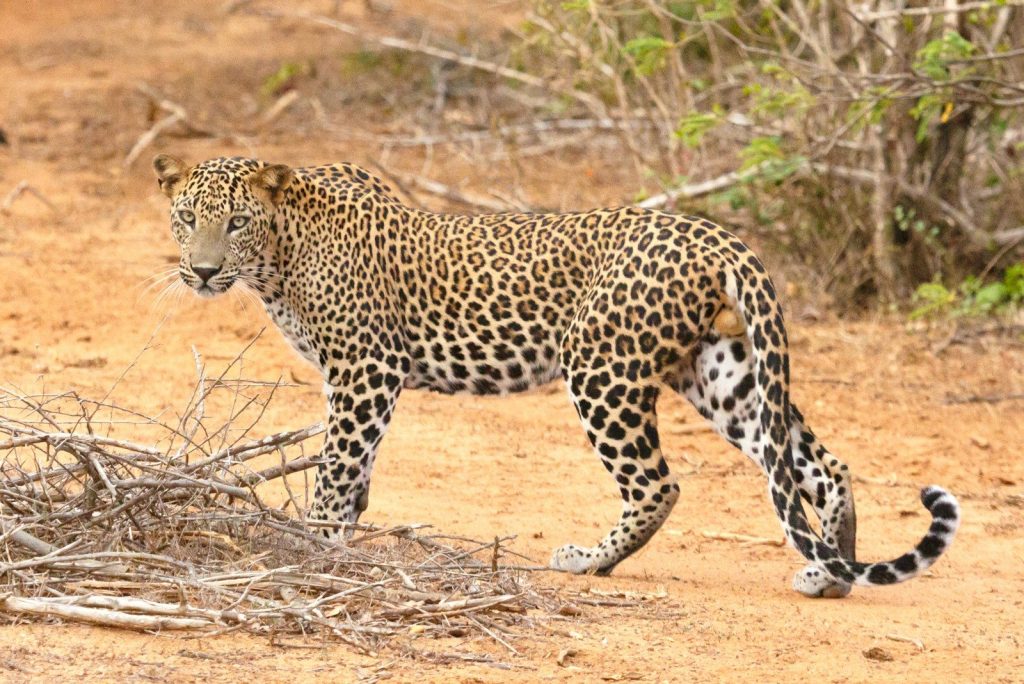
Lions, tigers, leopards, and other large cats have historically been kept by private owners in some locations. Their strength, speed, and hunting instincts make them among the most dangerous animals a person could attempt to keep.
These animals require enormous spaces, specialized diets, veterinary care, and professional expertise. Laws governing private ownership have become stricter in many regions because of the risks to owners, neighbors, and the animals themselves.
Crocodilians
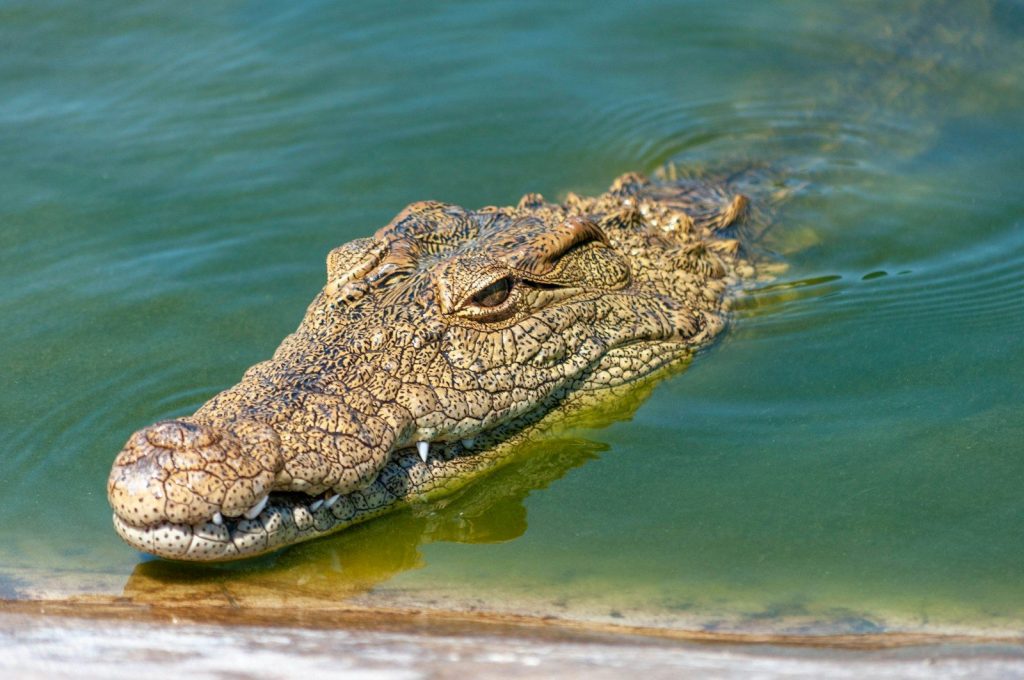
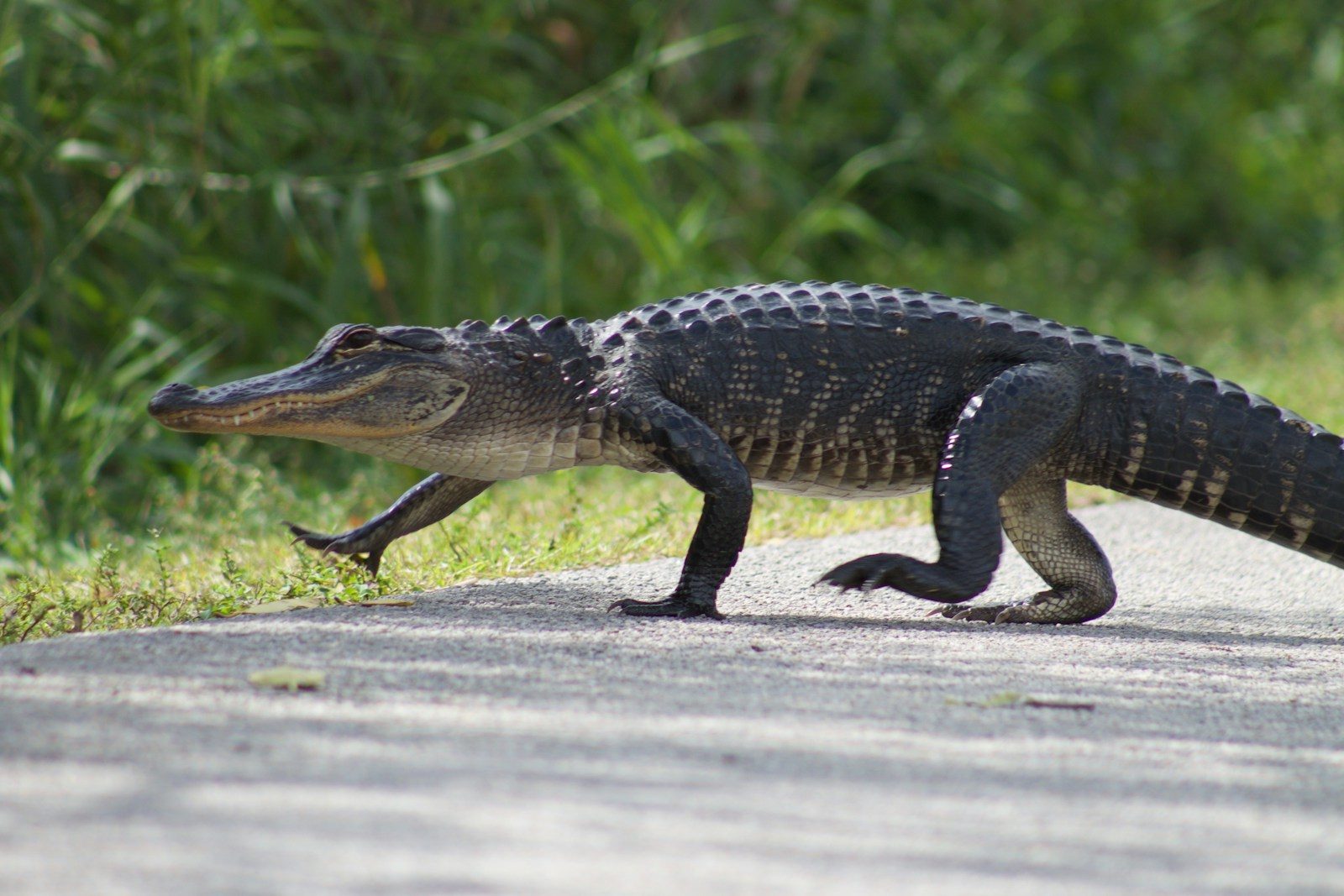
Crocodiles, alligators, and caimans may be legal to own in certain jurisdictions with the proper permits. Even smaller species can become extremely powerful as they mature.
Crocodilians are ambush predators with powerful jaws and strong territorial instincts. They require secure habitats with appropriate water, temperature, and space, making them unsuitable for inexperienced owners.
Wolves and Wolfdogs
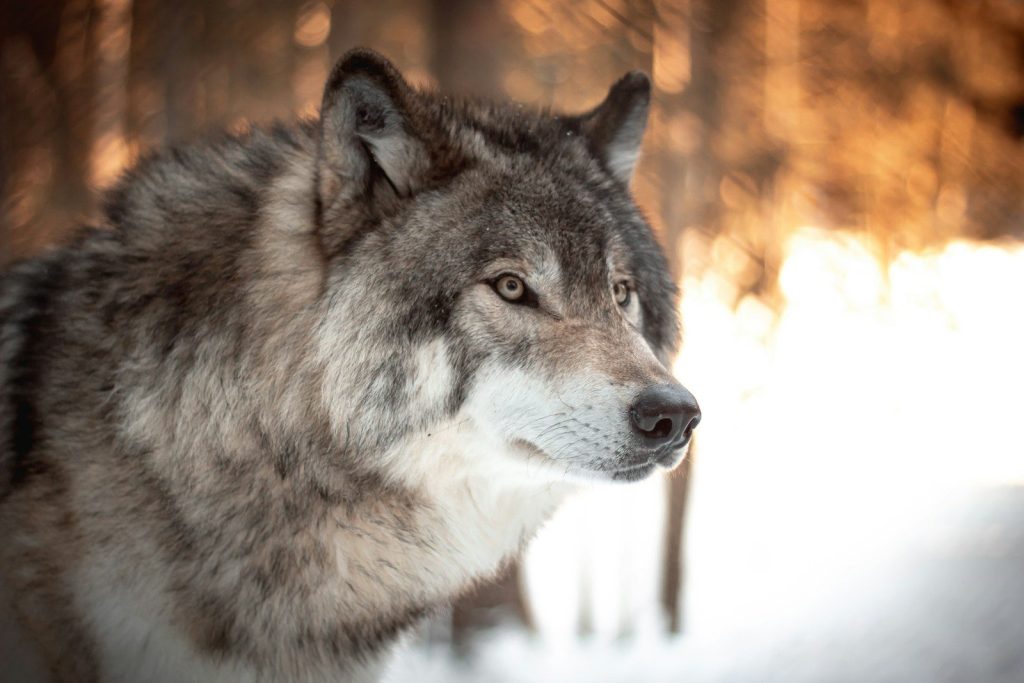
Wolves and wolf-dog hybrids may be legally owned in some areas, although regulations vary considerably. Their intelligence, strength, and natural instincts can make them difficult to manage like ordinary domestic dogs.
Wolfdogs may display behaviors such as strong prey drives, territoriality, and a tendency to escape. Responsible ownership requires extensive knowledge of canine behavior and secure containment.
Venomous Spiders and Scorpions
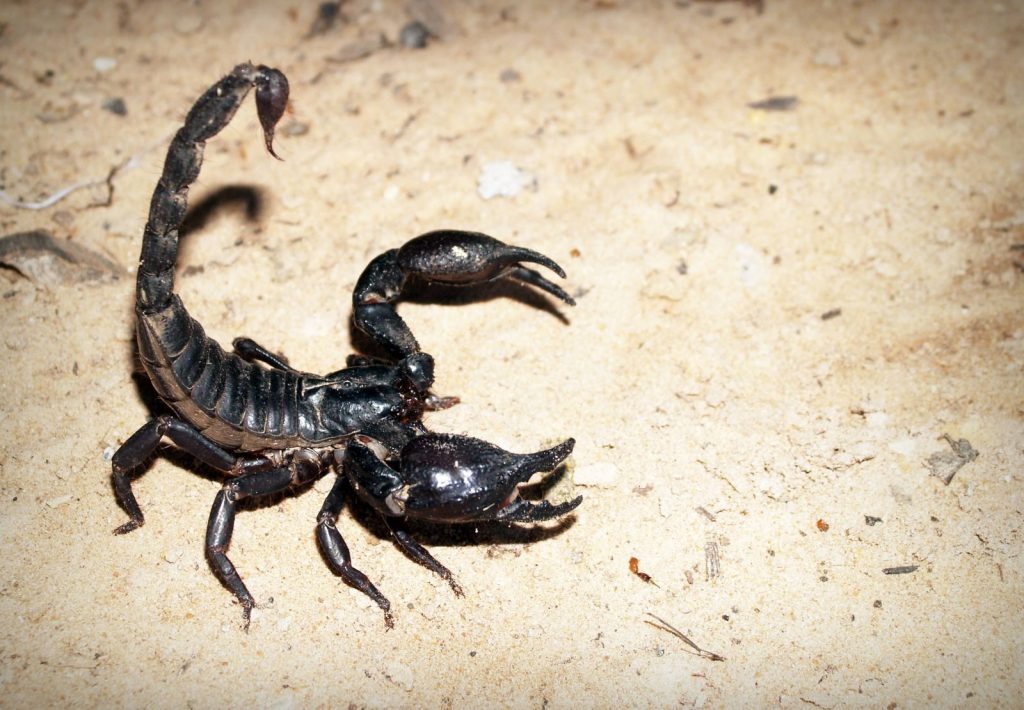
Some owners legally keep highly venomous spiders and scorpions as exotic pets. Although these animals are small, certain species possess venom capable of causing severe illness or even death.
Their enclosures must be carefully secured, and handling is generally discouraged. Even routine maintenance can create risks if the animal escapes or is accidentally disturbed.
Large Primates
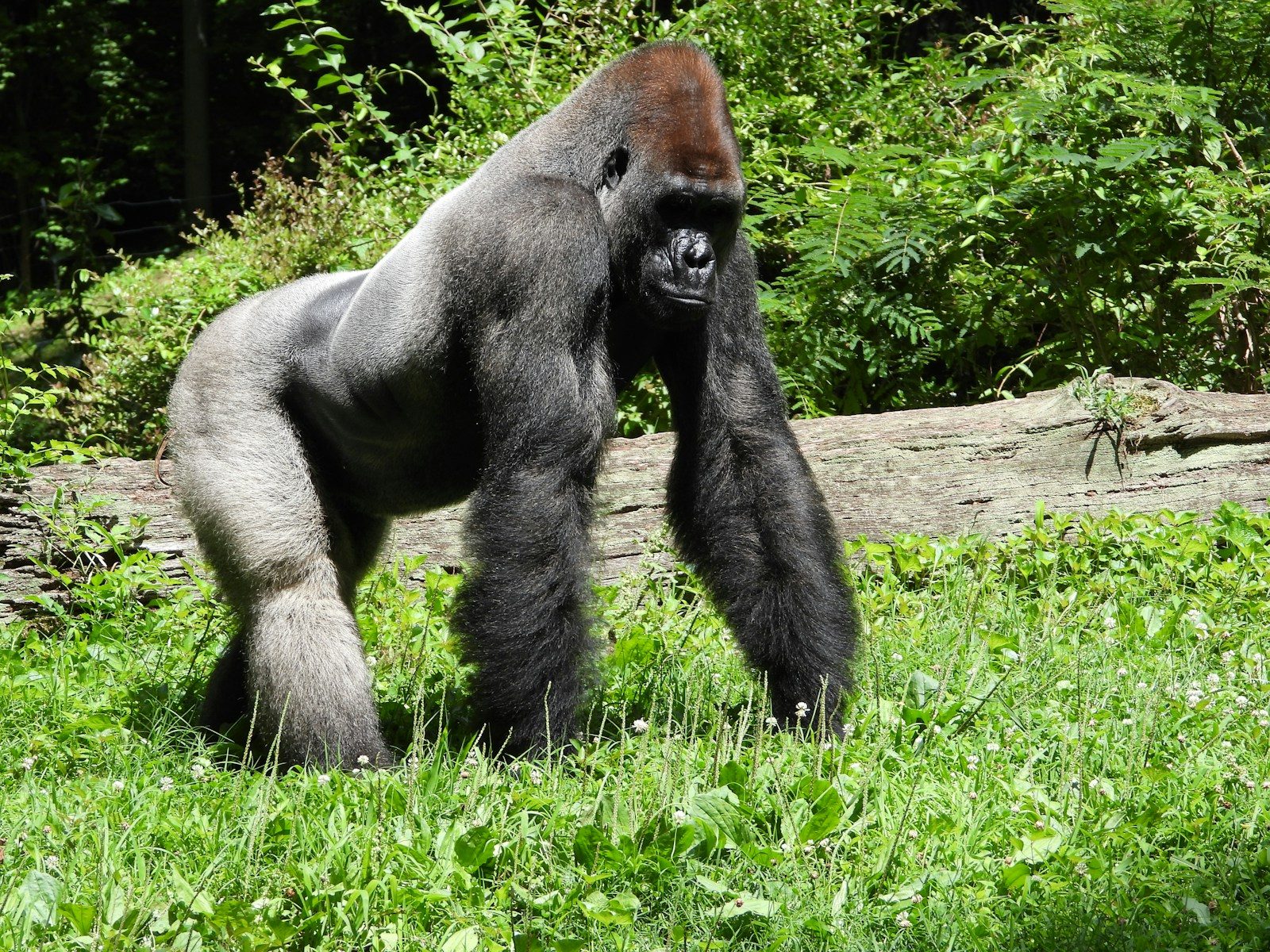
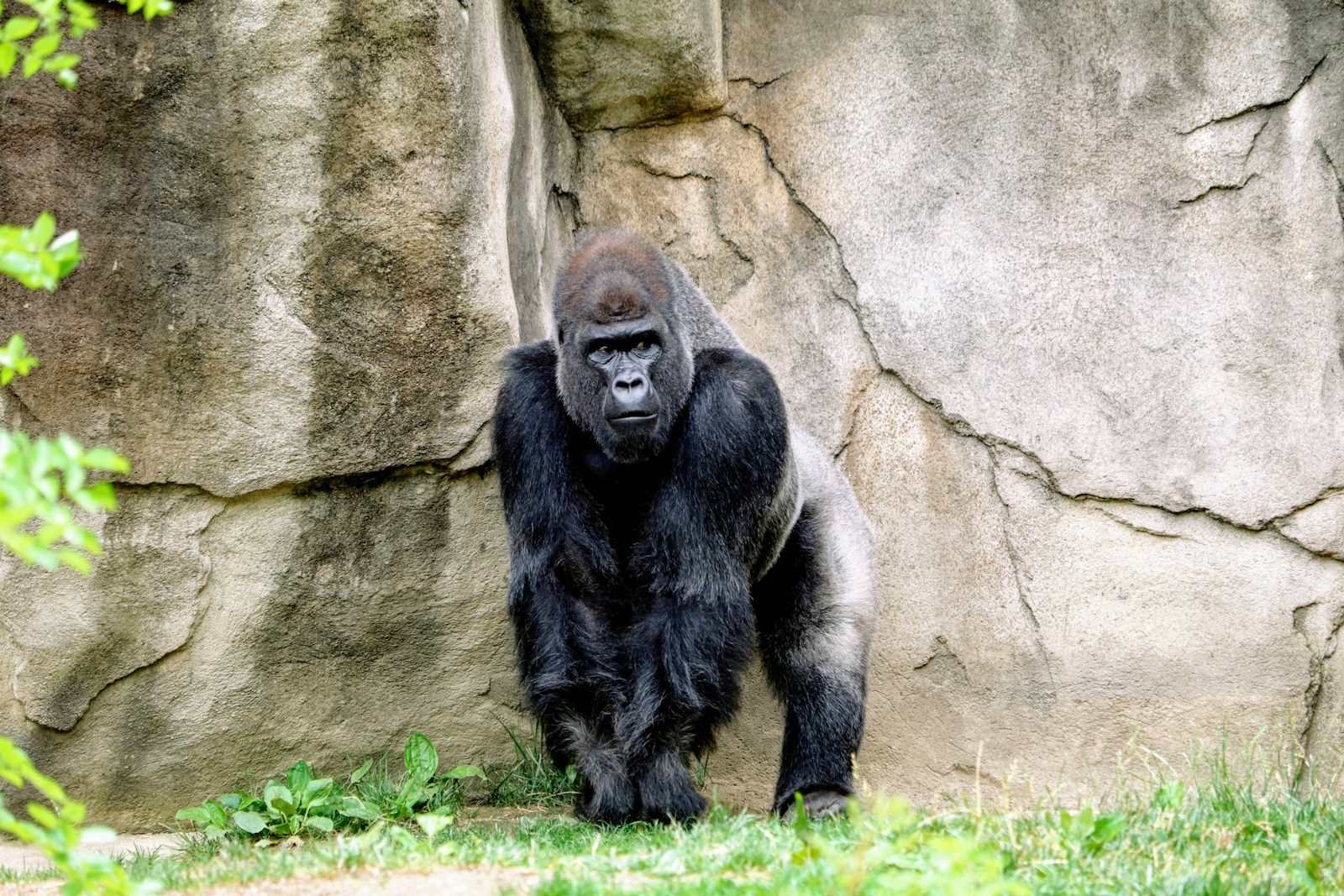
Certain large primates, including some species of monkeys, have been kept privately in places where regulations allow it. Their intelligence and physical strength, however, can make them unpredictable and challenging to control.
Primates require complex social interaction, enrichment, specialized diets, and expert care. As they mature, their strength and behavior can create serious safety concerns, which is why many jurisdictions restrict or prohibit private ownership.
Featured Image: Photo by Amy Reed on Unsplash