Most animals solve problems because they’re motivated by a reward, such as food, shelter, or avoiding danger. Octopuses, however, have repeatedly amazed scientists by tackling puzzles and exploring unfamiliar objects even when no obvious prize is waiting at the end. Their remarkable intelligence, curiosity, and adaptability have made them one of the most studied marine animals in the world. Research suggests that octopuses may engage in problem-solving simply because they enjoy exploring and learning about their environment, offering a fascinating glimpse into the complexity of animal cognition.
They Possess Extraordinary Intelligence
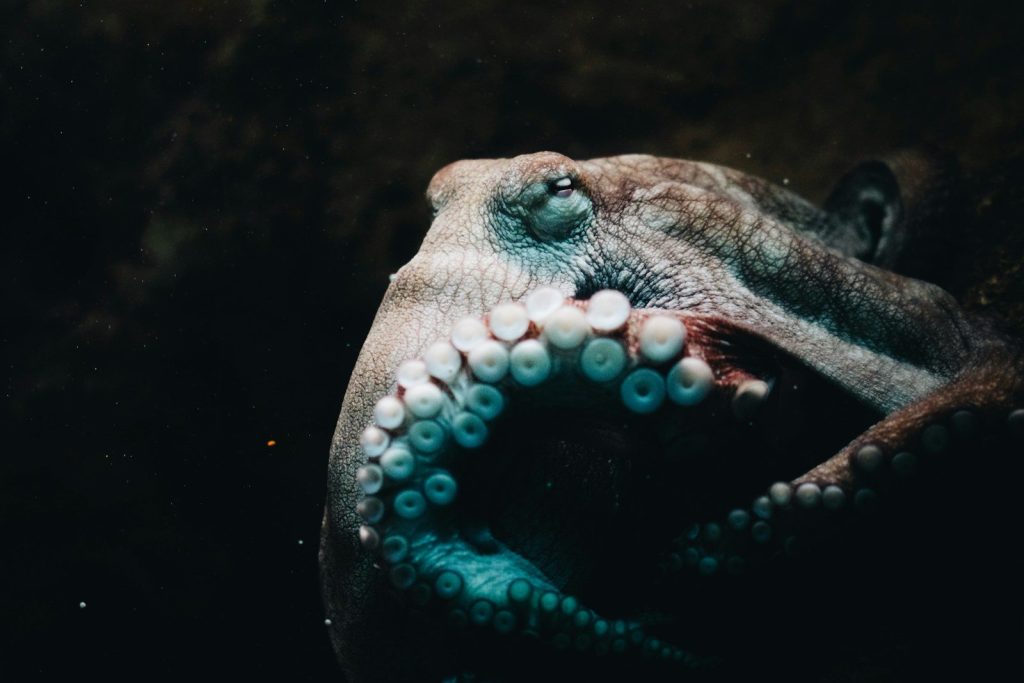
Octopuses are considered the most intelligent invertebrates on Earth. They have large brains relative to their body size and possess hundreds of millions of neurons, allowing them to process information quickly and solve complex problems.
Scientists have observed octopuses navigating mazes, opening screw-top jars, escaping secure enclosures, and remembering solutions to challenges. These abilities demonstrate advanced learning and memory rarely seen in animals without backbones.
Curiosity Drives Their Behavior
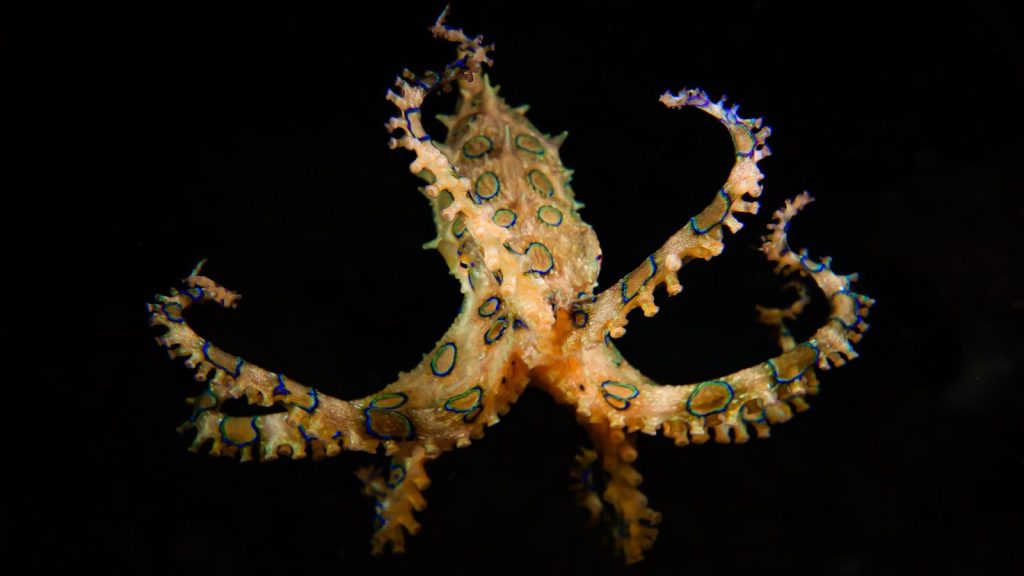
Unlike many animals that interact with objects only when food is involved, octopuses often investigate new items simply because they are curious. They use their flexible arms and sensitive suckers to touch, pull, and manipulate unfamiliar objects.
This exploratory behavior helps them learn about their surroundings and identify potential opportunities or threats. Their curiosity appears to be an important part of how they understand the world.
They Sometimes Solve Problems Without Food Rewards
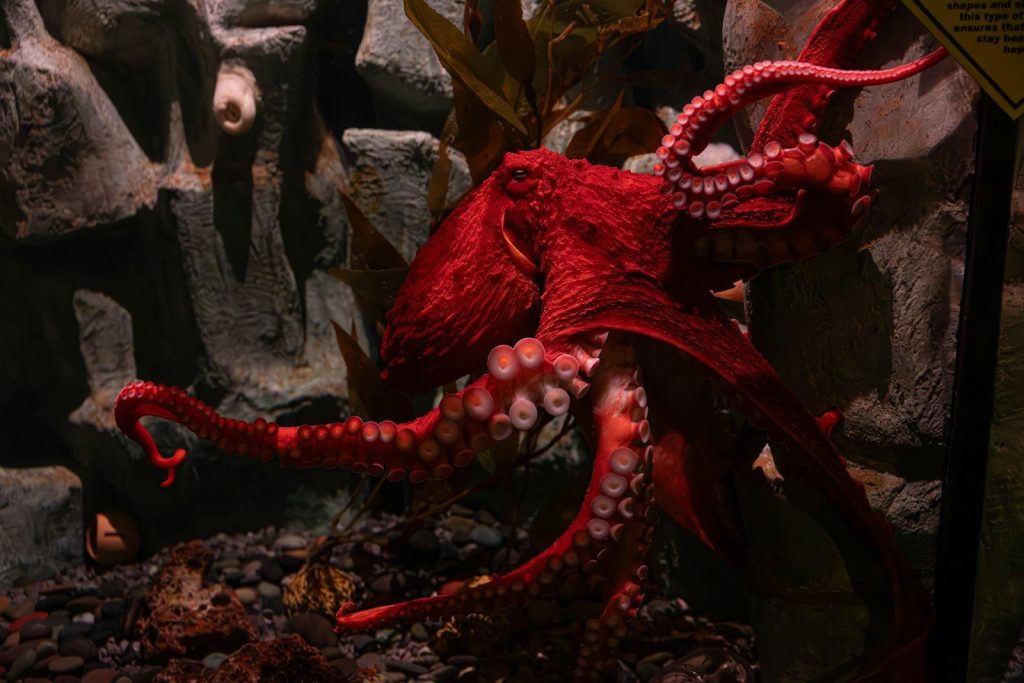
Researchers have found that octopuses occasionally continue working on puzzles even after food rewards have been removed. Instead of losing interest, some individuals remain engaged with the challenge itself.
This suggests that solving problems may provide its own form of mental stimulation. While scientists continue to study this behavior, it points to a level of intrinsic motivation that is uncommon in many other animals.
Their Arms Think Alongside Their Brain
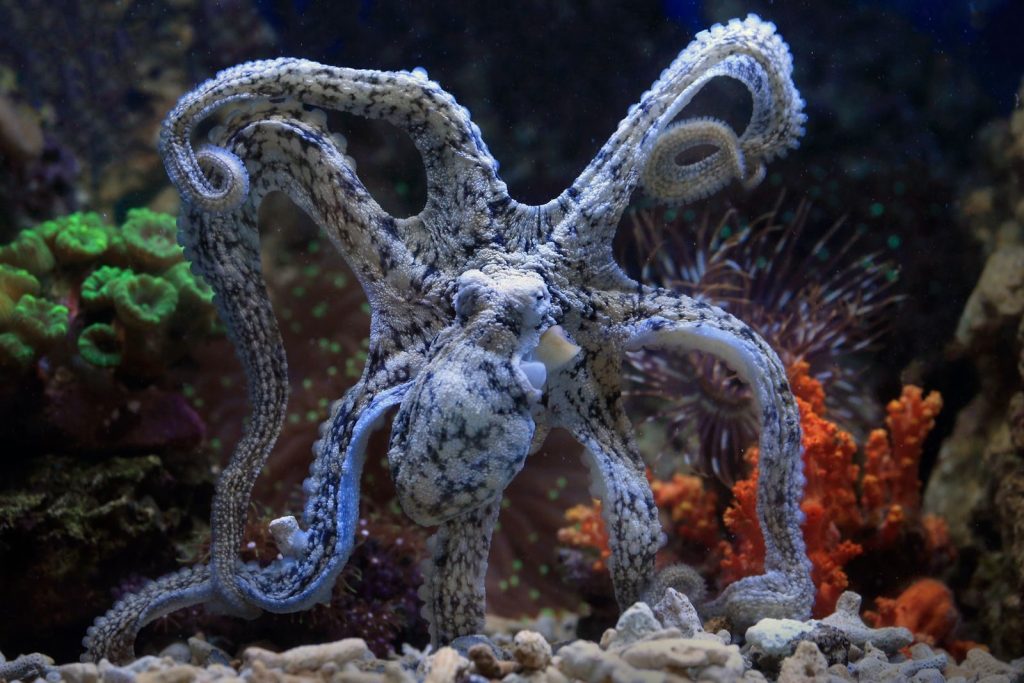
One of the most fascinating aspects of an octopus is its nervous system. More than half of its neurons are located in its eight arms rather than its central brain.
Each arm can process information independently while remaining connected to the brain. This unique arrangement allows octopuses to explore multiple parts of an object simultaneously, making them highly efficient problem solvers.
They Display Behaviors That Resemble Play
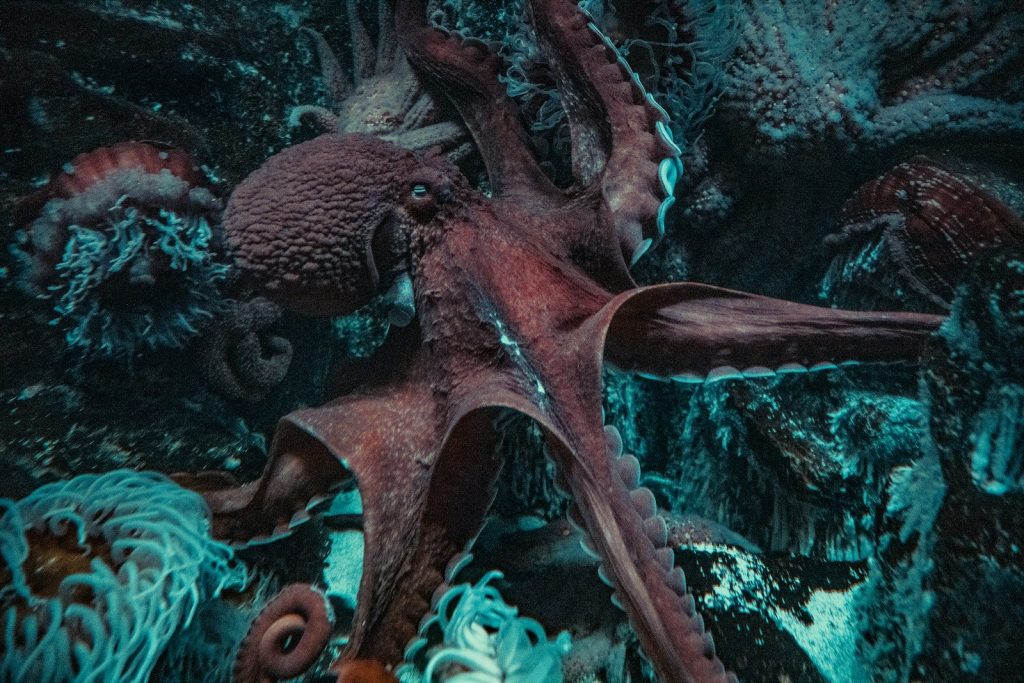
Octopuses have been observed repeatedly interacting with floating toys, shells, bottles, and other objects without any clear survival benefit. In some aquariums, they even appear to invent games by pushing objects through water currents and retrieving them.
Such behavior resembles play, a trait more commonly associated with intelligent mammals and birds. Play helps stimulate the brain and may improve learning and adaptability.
Their Intelligence Continues to Fascinate Scientists
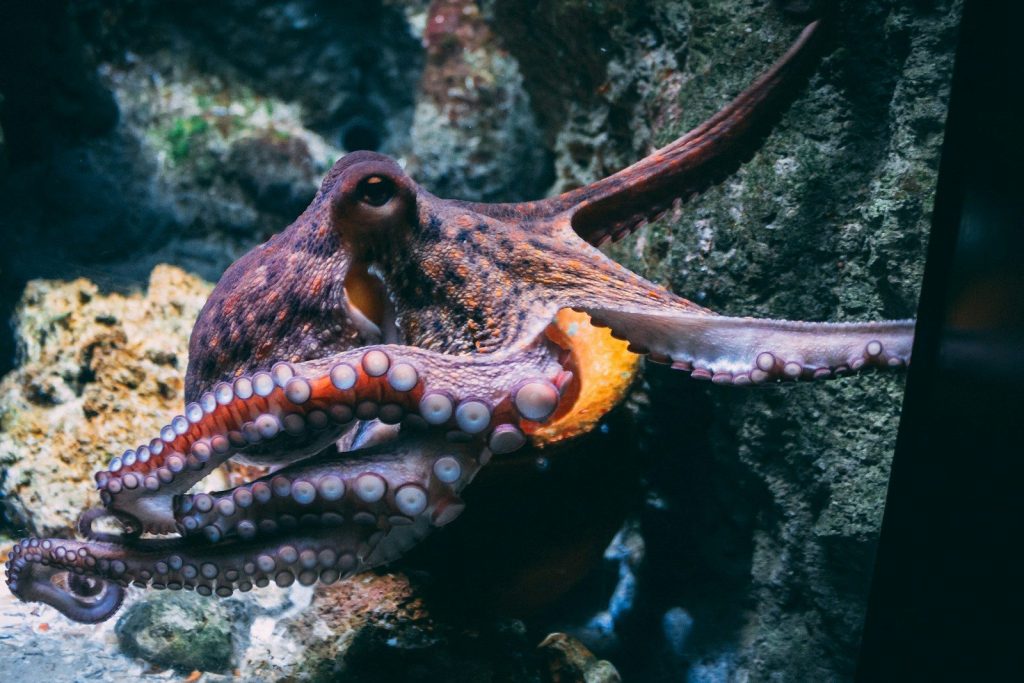
Every new study reveals more about the impressive mental abilities of octopuses. Their capacity for learning, memory, exploration, and flexible problem-solving challenges long-held assumptions about how intelligence evolves.
By studying these remarkable marine animals, researchers hope to better understand not only octopus behavior but also the many different ways complex intelligence can develop in the natural world.
Featured Image: Photo by Hc Digital on Unsplash