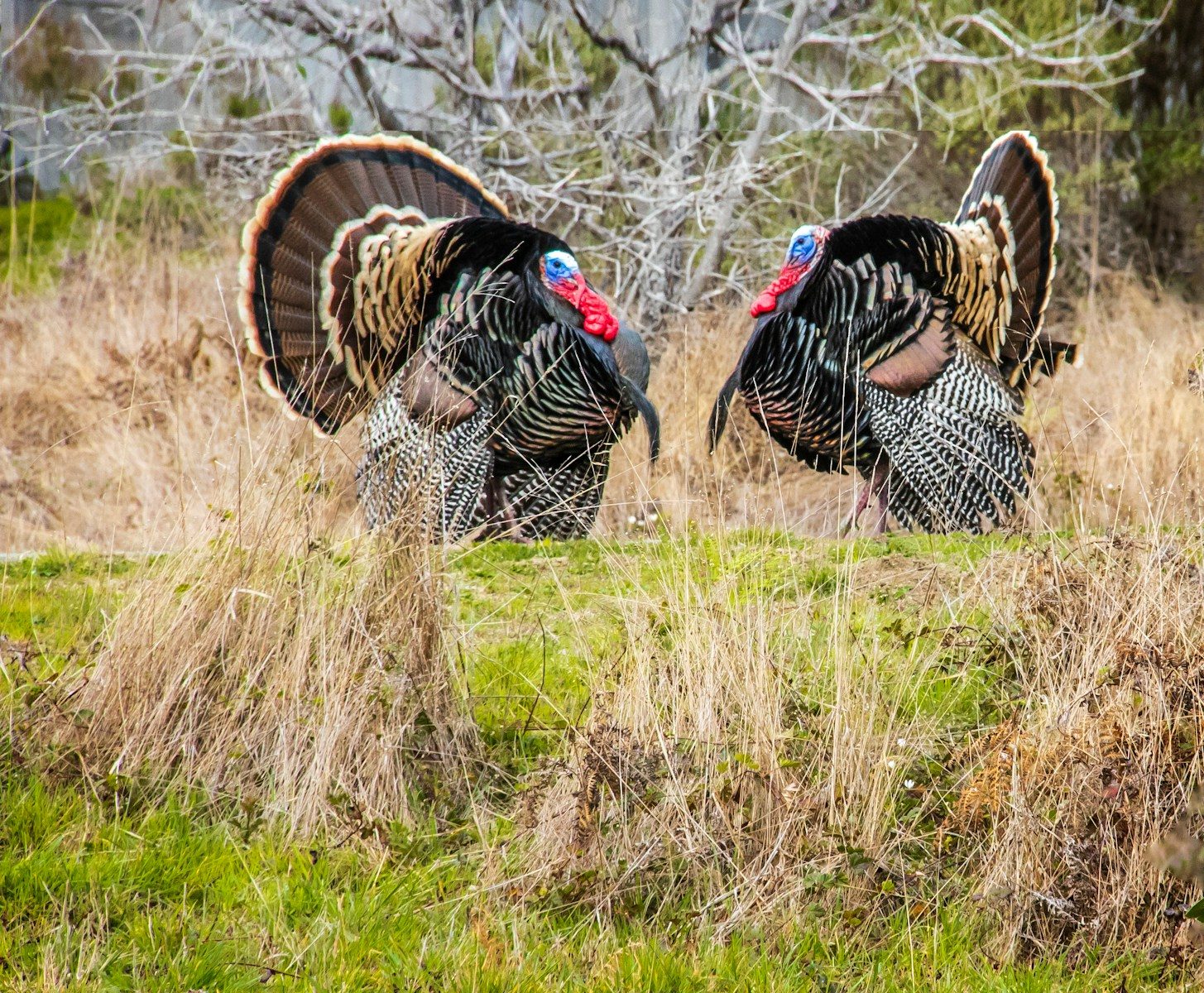
Today, wild turkeys are a common sight across much of North America, but that wasn’t always the case. By the late 1800s, habitat loss and uncontrolled hunting had pushed wild turkey populations to the brink of extinction.
An innovative conservation strategy—trading wild turkeys for other wildlife species between states and provinces—helped reverse their decline. The result is now considered one of North America’s greatest wildlife restoration success stories.
Wild Turkeys Were Nearly Lost Forever
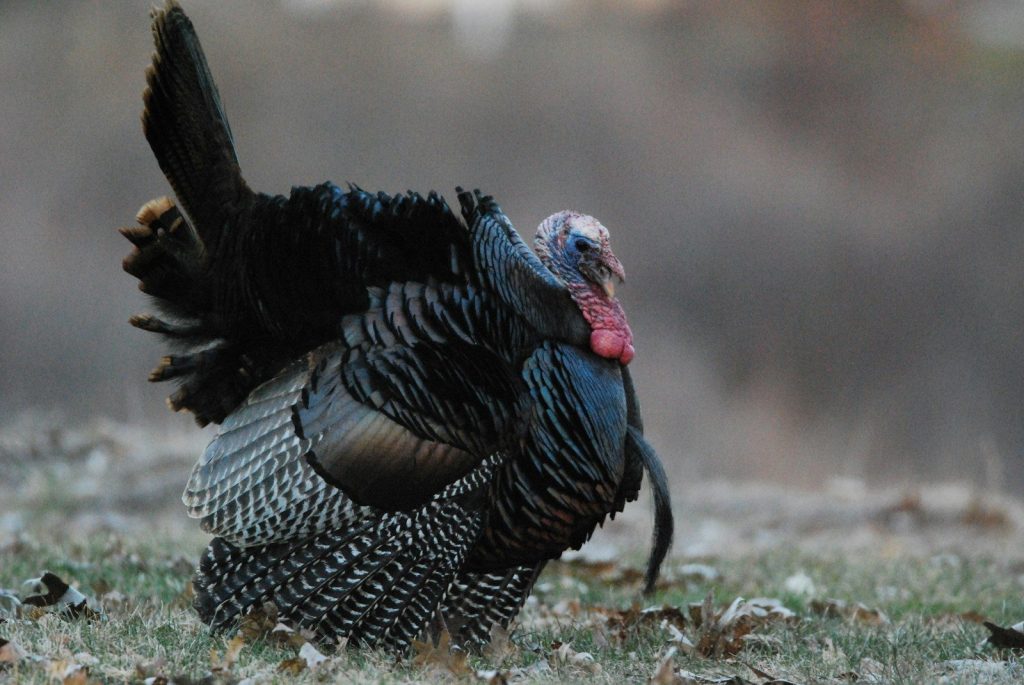
During the 19th century, widespread deforestation and heavy hunting dramatically reduced wild turkey numbers. Once abundant across forests throughout the United States, only a few thousand birds remained by the late 1880s.
Early attempts to rebuild populations using farm-raised turkeys largely failed because captive birds struggled to survive in the wild.
A Creative Conservation Solution
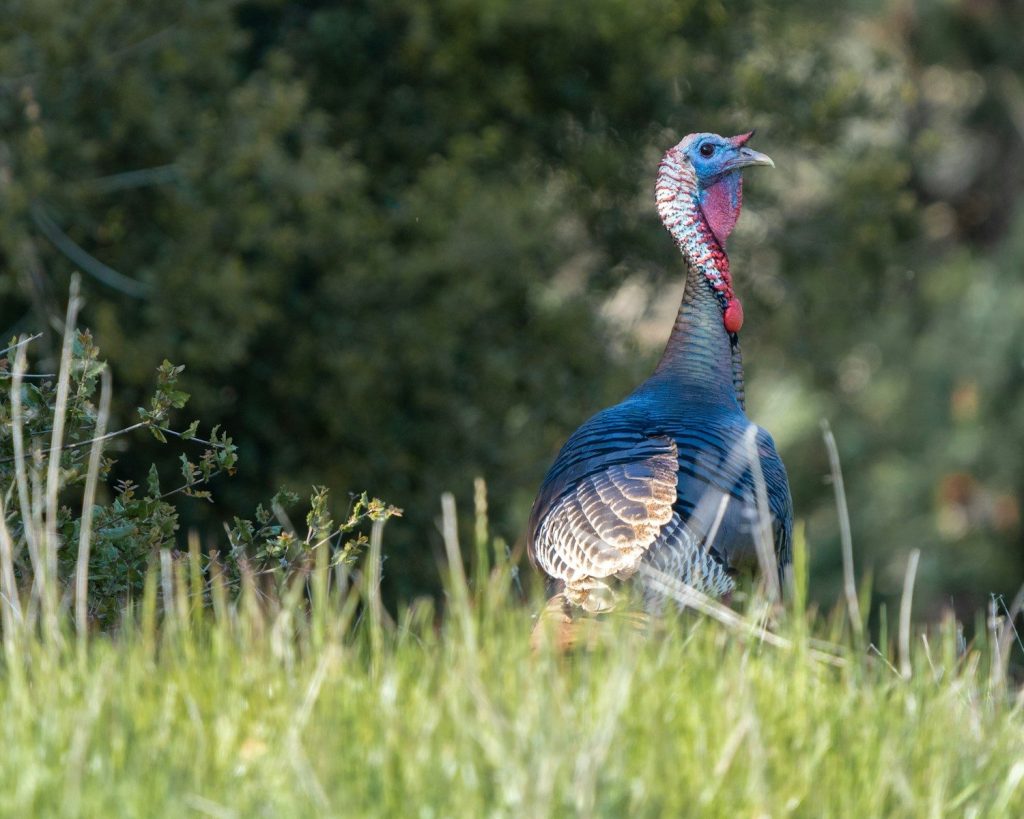
Wildlife biologists soon realized that relocating healthy wild turkeys from thriving populations was far more effective.
Instead of simply purchasing birds, many wildlife agencies began trading animals with one another.
Some memorable exchanges included:
- Oklahoma traded prairie chickens and walleye for wild turkeys.
- Colorado exchanged mountain goats for turkeys from Idaho.
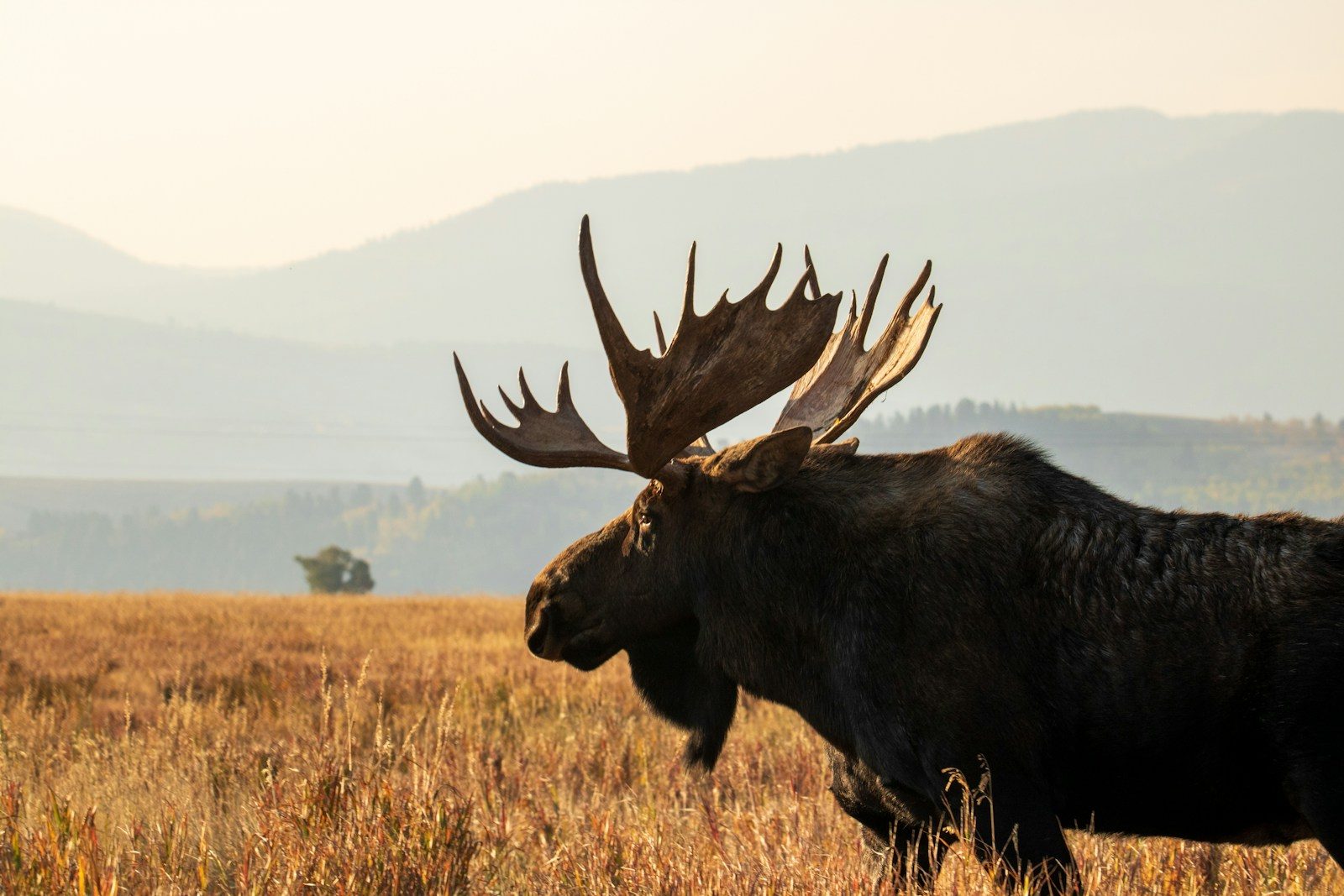
- Ontario received hundreds of turkeys in return for moose, river otters, and partridge.
- West Virginia became known for trading turkeys in exchange for fishers, river otters, and bobwhite quail.
These exchanges allowed states to restore multiple native species while strengthening partnerships between wildlife agencies.
Why Wild Turkeys Adapted So Well
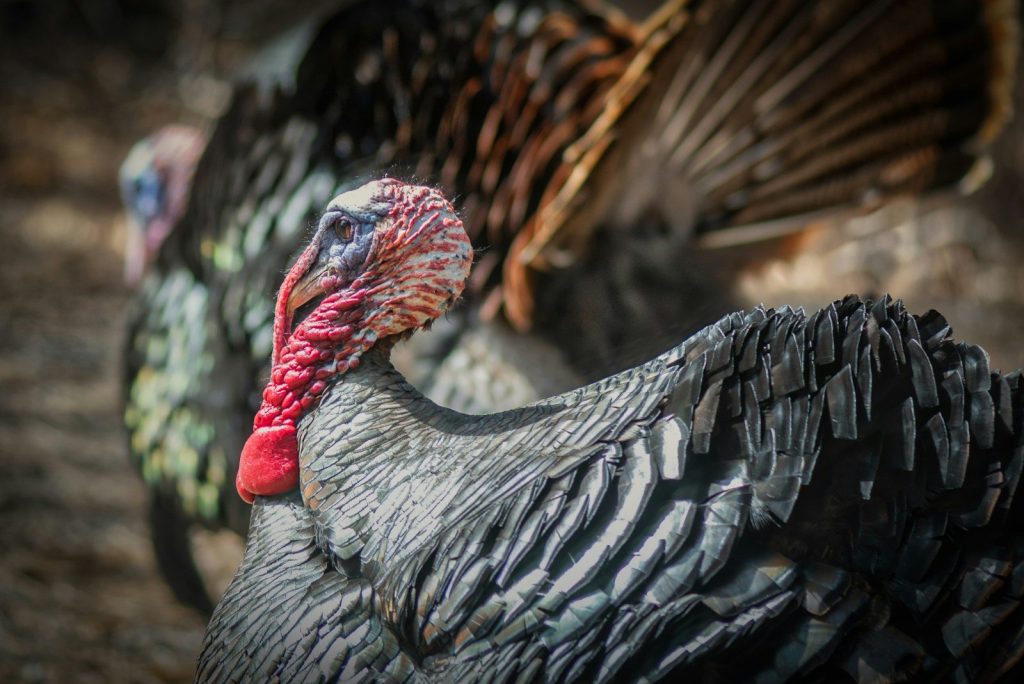
Unlike captive-raised birds, relocated wild turkeys already possessed the survival skills needed to thrive.
Wild turkeys proved remarkably adaptable, successfully establishing populations in forests, farmland, and even areas where they had disappeared for more than a century.
For example, New Hampshire had not seen wild turkeys for over 100 years before successful reintroduction efforts eventually helped the state’s population grow to roughly 40,000 birds.
More Than Just a Hunting Success
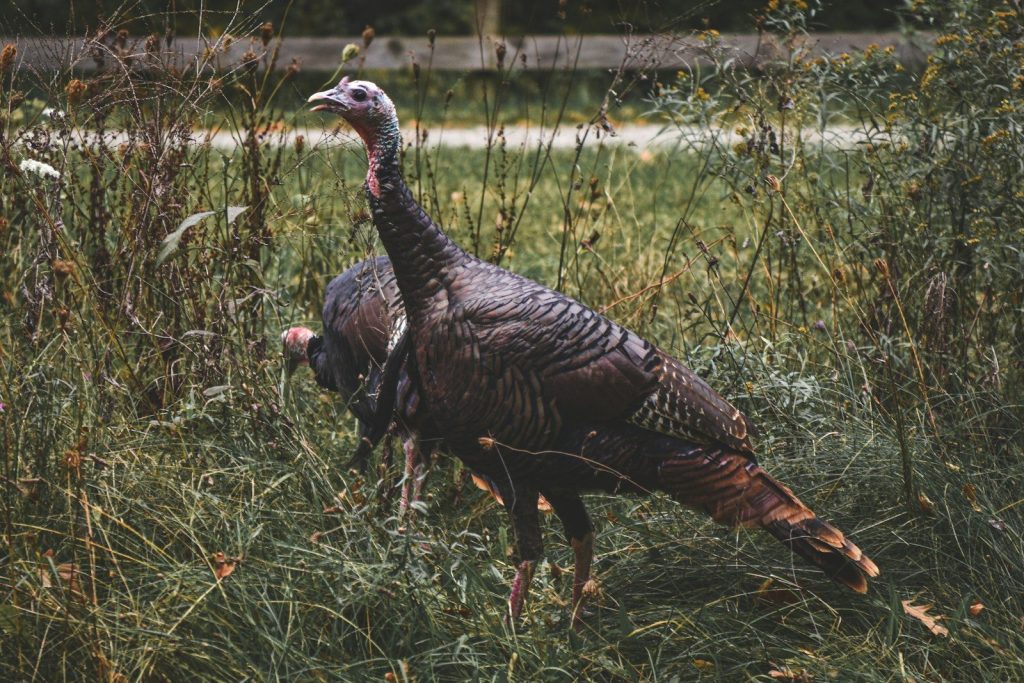
Today, North America is home to an estimated 7 million wild turkeys across 49 U.S. states, with additional populations in Canada and Mexico.
Their return benefits ecosystems in several ways:
- They help control insects and small invertebrates.
- They disperse seeds throughout forests.
- They serve as prey for larger predators.
- They support wildlife tourism and regulated hunting programs that fund conservation.
A Model for Modern Wildlife Recovery
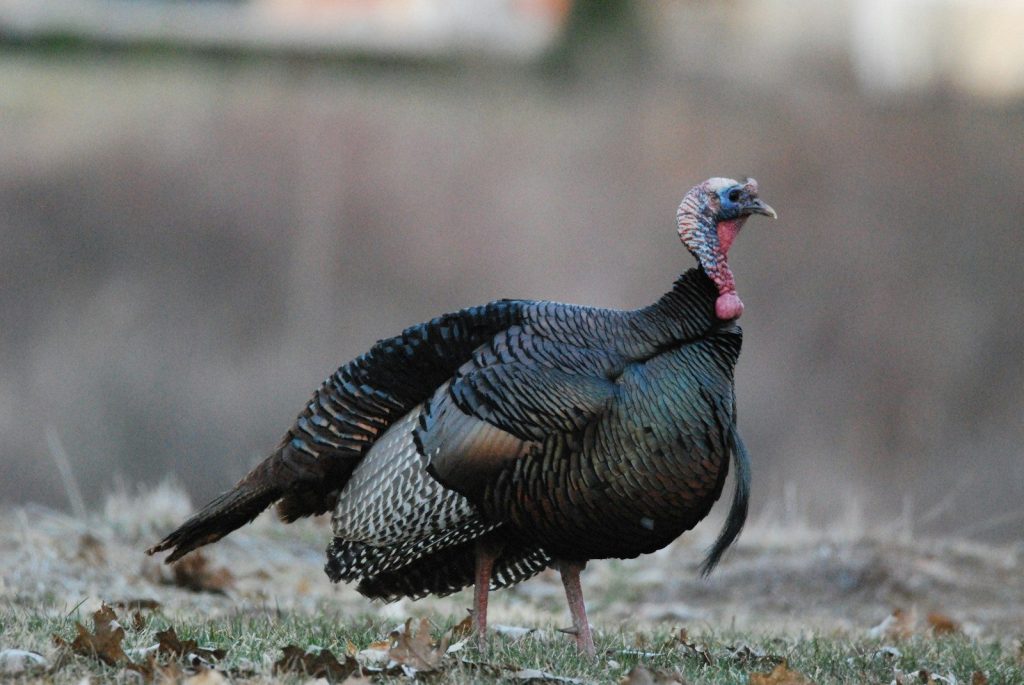
The wild turkey’s comeback demonstrates how cooperation between wildlife agencies, habitat restoration, and science-based management can successfully restore native species.
What began as creative wildlife trades decades ago has become one of conservation’s greatest achievements, showing that with careful planning and collaboration, even species on the verge of disappearing can make an extraordinary recovery.
Featured Image: Photo by Sterling Lanier on Unsplash