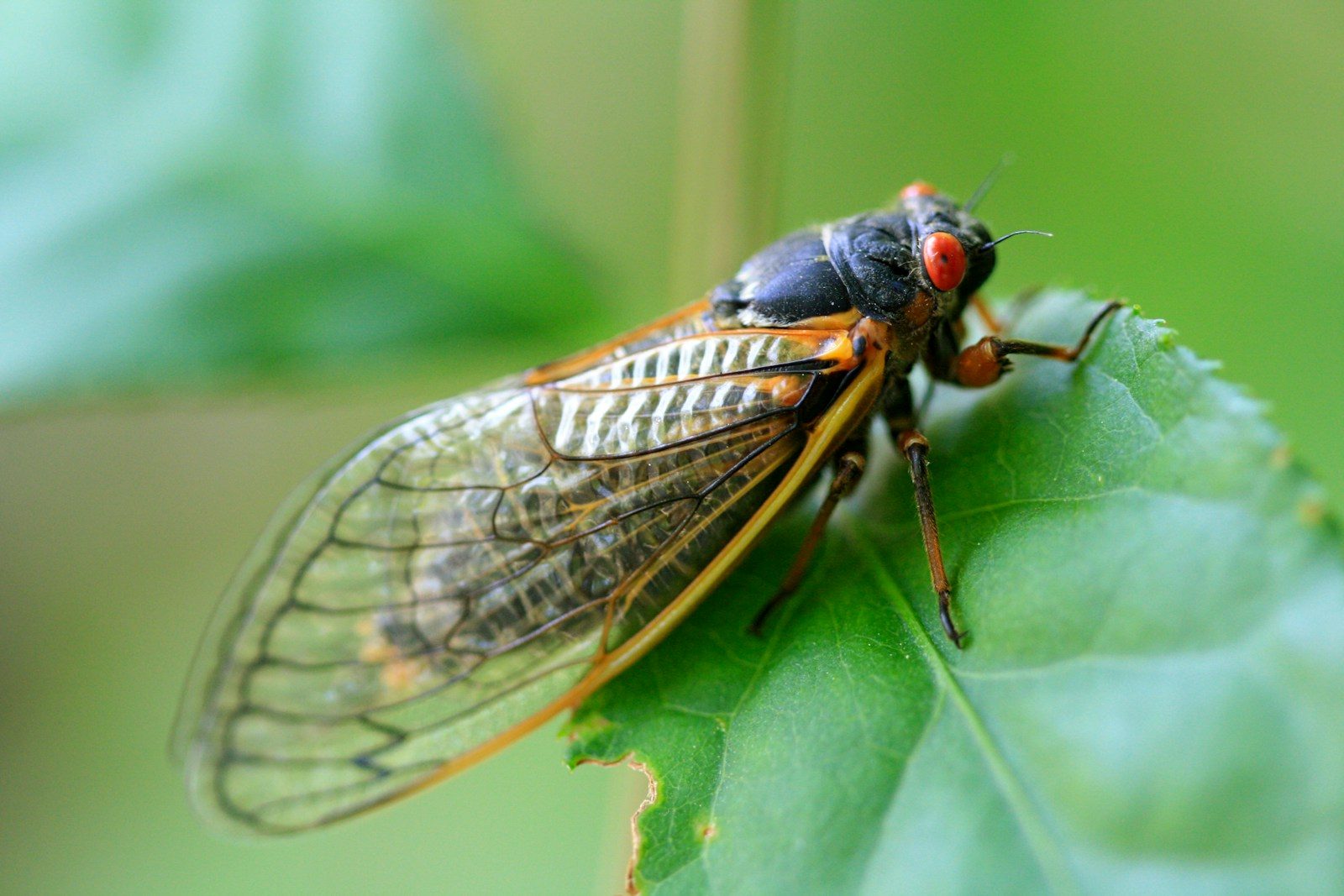
Birds are famous for their beautiful songs, but they are far from the only animals capable of producing complex and musical sounds. Across the animal kingdom, mammals, insects, and even marine creatures use vocalizations to communicate, attract mates, defend territory, or strengthen social bonds. Some of these sounds are so melodic that they can genuinely resemble singing. From the haunting calls of whales to the cheerful songs of gibbons, these animals demonstrate the incredible variety of communication found in nature.
Humpback Whales

Humpback whales are among the most famous singing animals on Earth. Male humpbacks produce long, complex sequences of sounds that can last for hours and may include repeated patterns and phrases.
These songs change over time, with groups of whales in the same region often developing similar musical patterns. Scientists believe the songs play an important role in communication and mating.
Gibbons
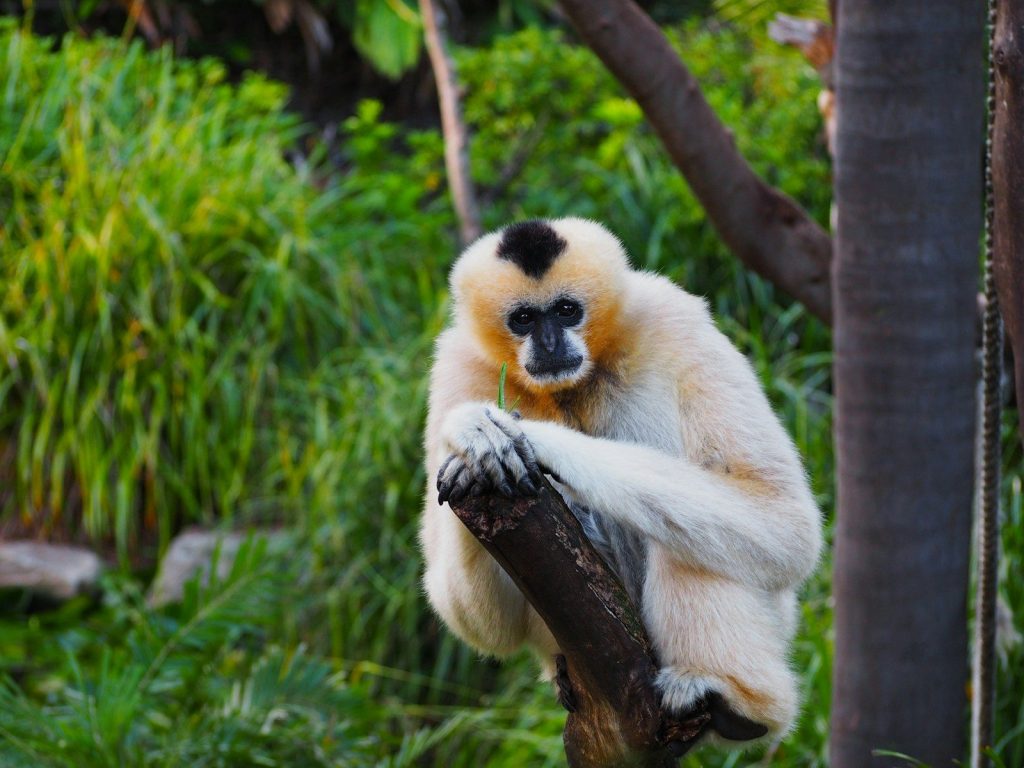
Gibbons are highly vocal apes known for their loud, melodic songs. Pairs often perform coordinated duets, producing calls that echo through tropical forests.
These songs help gibbons defend their territories and strengthen bonds between mates. Different species have distinct vocal patterns, making their calls surprisingly diverse.
Nightingales
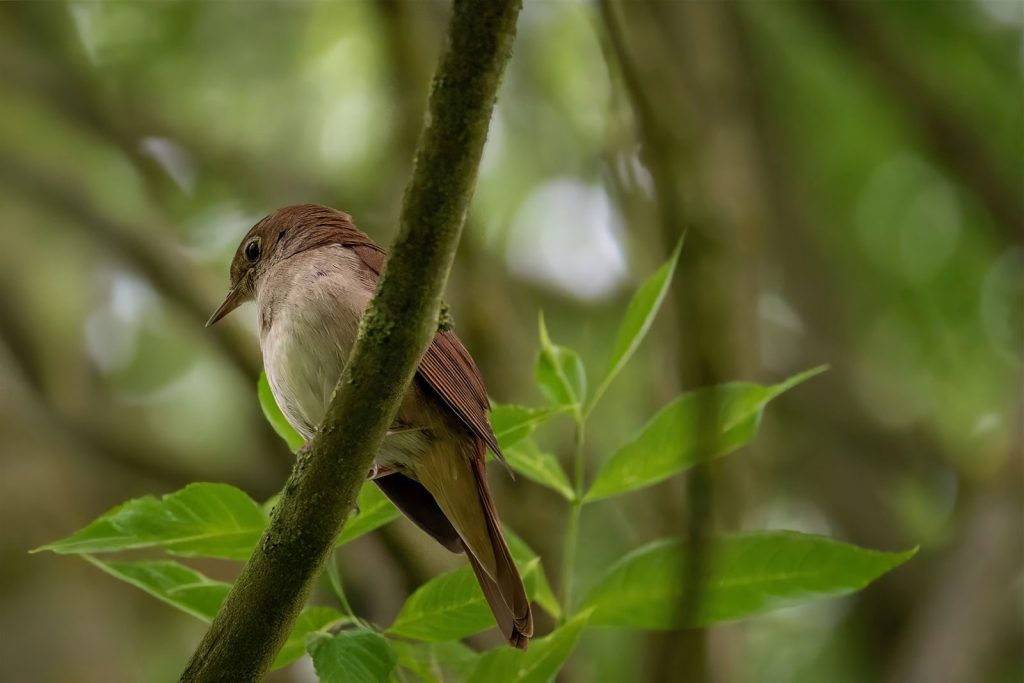
Although nightingales are birds, their songs deserve special recognition because of their extraordinary complexity. They can produce hundreds of different song types and are famous for singing both during the day and at night.
Their rich vocal abilities help attract mates and establish territory, making them one of nature’s most impressive singers.
Howler Monkeys
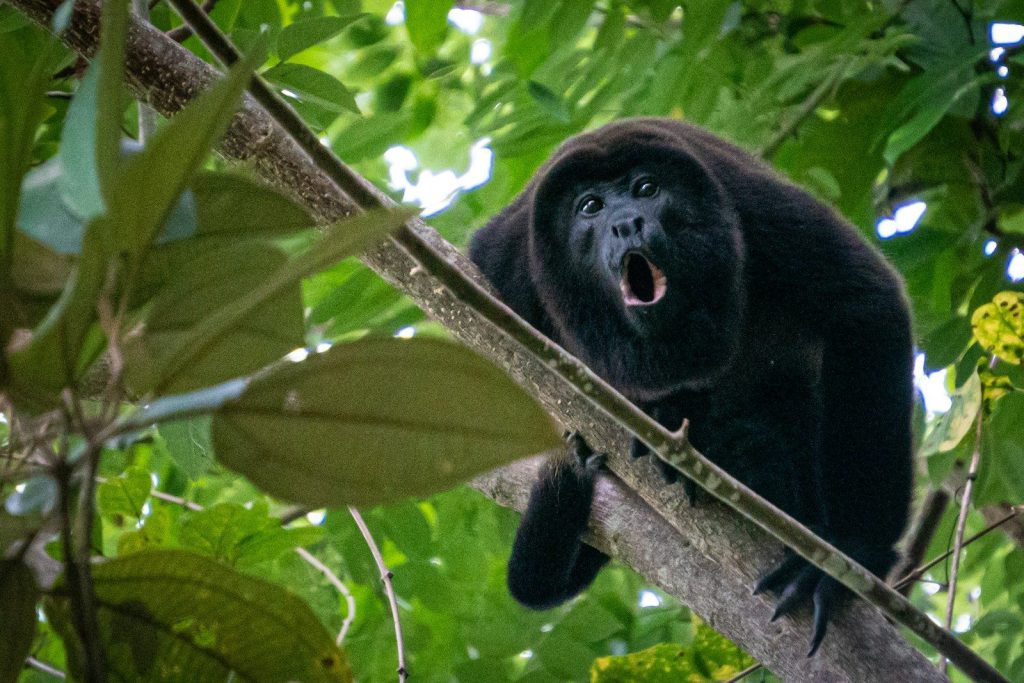
Howler monkeys are among the loudest land animals in the world. Their deep, powerful calls can travel for miles through dense forests.
Although their vocalizations are not melodic in the traditional sense, their repeated calls create a distinctive rhythm that helps groups communicate across long distances.
Crickets
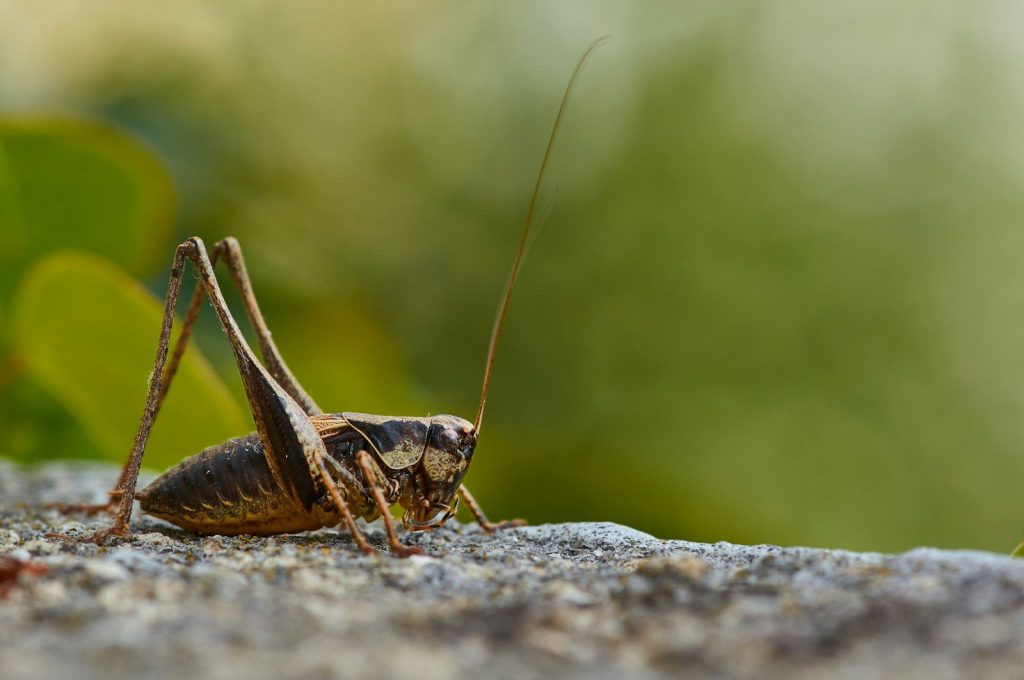
Crickets produce their familiar “songs” by rubbing specialized parts of their wings together. This behavior, known as stridulation, is primarily used by males to attract females.
Different cricket species produce unique sounds, and females can often identify potential mates based on the quality and rhythm of their calls.
Cicadas
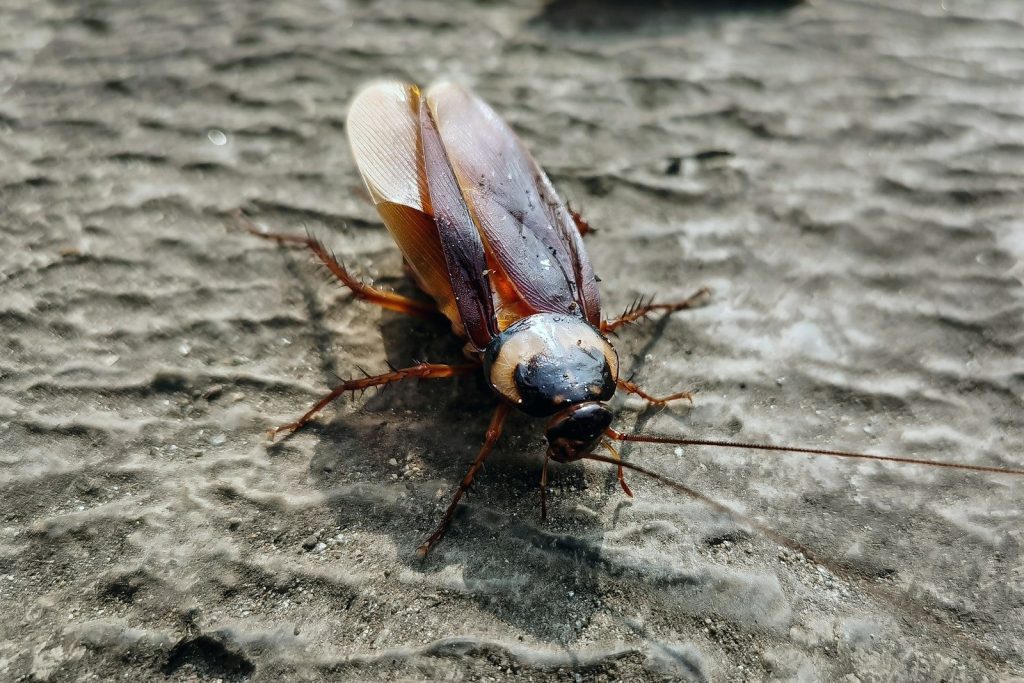
Cicadas are famous for their loud, buzzing songs, which can reach remarkable volumes when large groups sing together. Male cicadas use specialized organs called tymbals to create their distinctive sounds.
Their calls attract females and help individuals locate others of their species. In some regions, entire forests can seem to vibrate with their collective chorus.
Featured Image: Photo by Ashlee Marie on Unsplash