Conservationists around the world have spent decades trying to restore endangered species to places where they once thrived. These animal reintroduction programs are often seen as hopeful victories for nature, helping rebuild ecosystems damaged by hunting, habitat destruction, and human expansion. But not every attempt succeeds. In some cases, introducing animals into new or former habitats has triggered ecological chaos, deadly conflicts, or complete population collapse.
Here are three famous animal reintroduction efforts that produced unexpected and sometimes tragic consequences.
Cane Toads in Australia
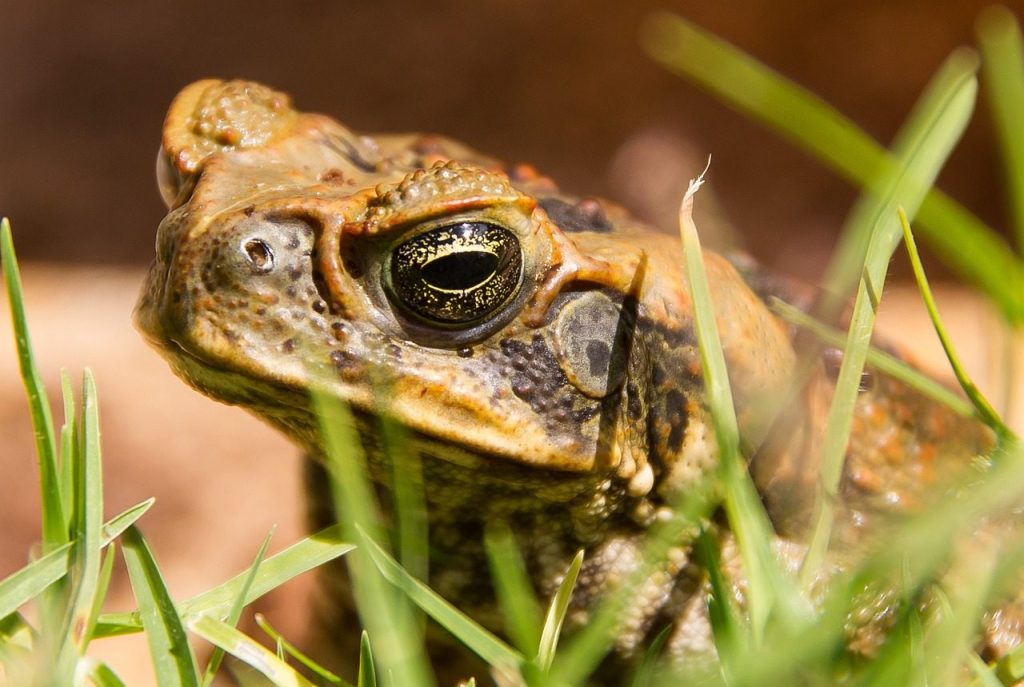
One of the most infamous wildlife disasters began in 1935 when Australia introduced cane toads to control beetles destroying sugarcane crops. Around 100 toads were released in Queensland with hopes they would eliminate agricultural pests.
Instead, the toads ignored most of the beetles and rapidly spread across the country. Because cane toads produce powerful toxins, native predators such as snakes, lizards, crocodiles, and marsupials began dying after trying to eat them. Their population exploded into the millions, devastating ecosystems along the way.
Today, cane toads remain one of Australia’s worst invasive species disasters, proving how dangerous biological control experiments can become when scientists underestimate ecological impacts.
Rabbits Released for Sport Hunting
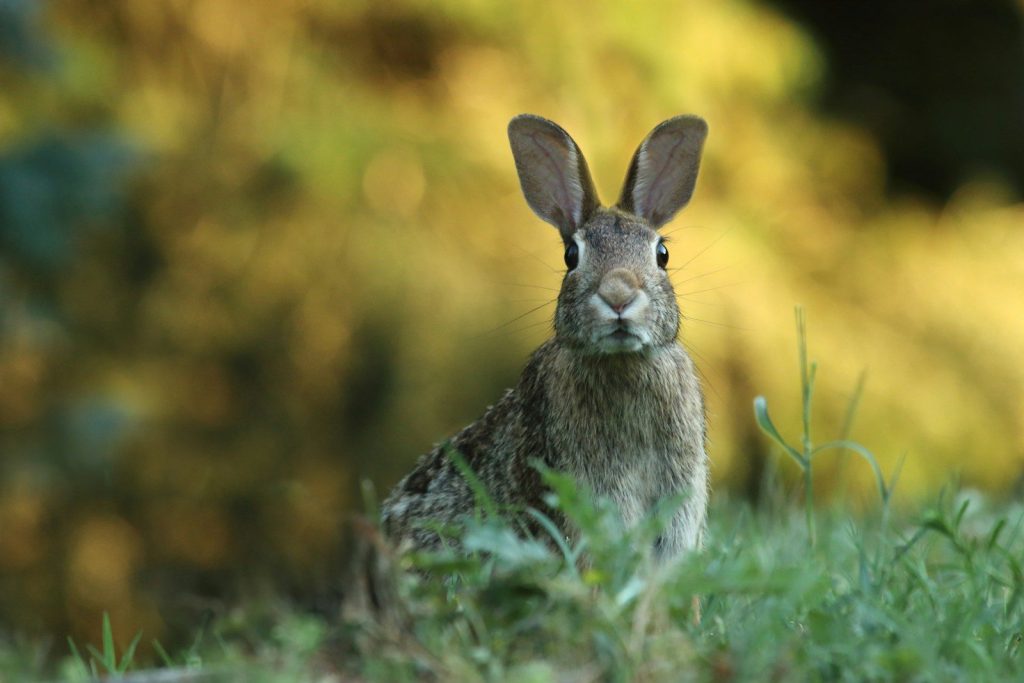
In the 1800s, European settlers introduced rabbits into Australia for recreational hunting. What seemed harmless quickly spiraled out of control. With few natural predators and favorable conditions, rabbit populations multiplied at astonishing speed.
The animals consumed massive amounts of vegetation, stripped landscapes bare, and caused severe soil erosion. Native species struggled to compete for food and habitat, while farmers faced billions in agricultural losses.
Australia eventually built giant fences, launched poisoning campaigns, and introduced diseases like myxomatosis to reduce rabbit numbers. Even after decades of control efforts, rabbits continue to damage ecosystems across the continent.
Reindeer on St. Matthew Island
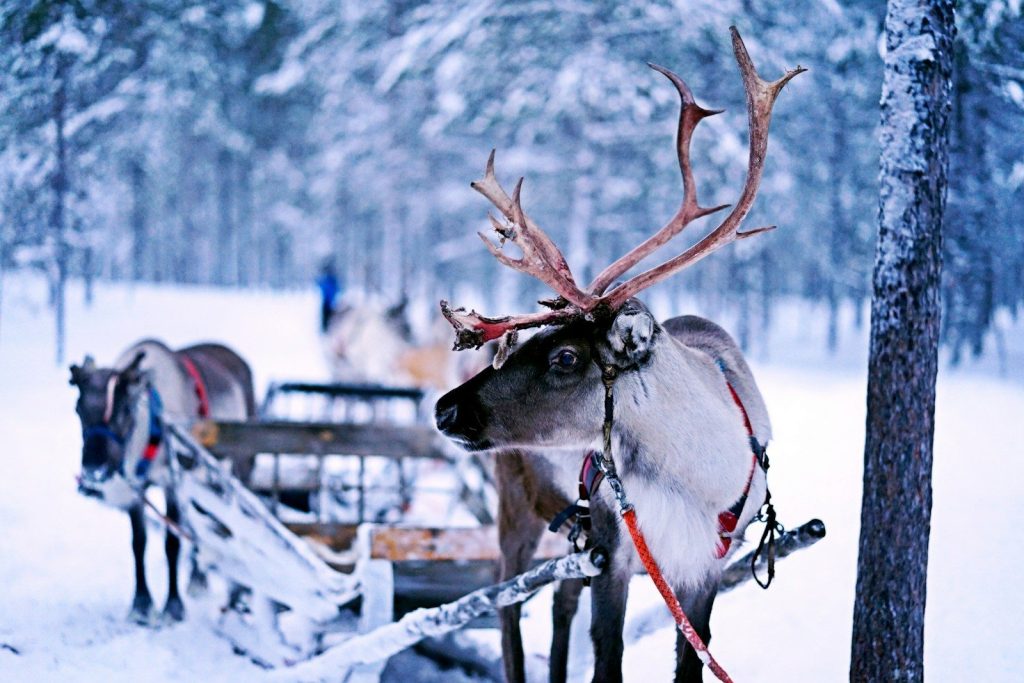
During World War II, the U.S. Coast Guard introduced 29 reindeer to Alaska’s remote St. Matthew Island as a possible emergency food supply for stationed personnel. After the base was abandoned, the reindeer remained alone on the island without predators.
For years, the herd thrived. By 1963, the population had exploded to roughly 6,000 animals. But the island’s fragile vegetation could not support such enormous numbers. The reindeer overgrazed the landscape, exhausting nearly all available food sources.
Then came a brutal winter. Starvation spread rapidly, and within a short time almost the entire herd died. Only a handful survived before the population vanished completely. The event became a classic example of how unchecked population growth can destroy isolated ecosystems.
Why Reintroductions Sometimes Fail
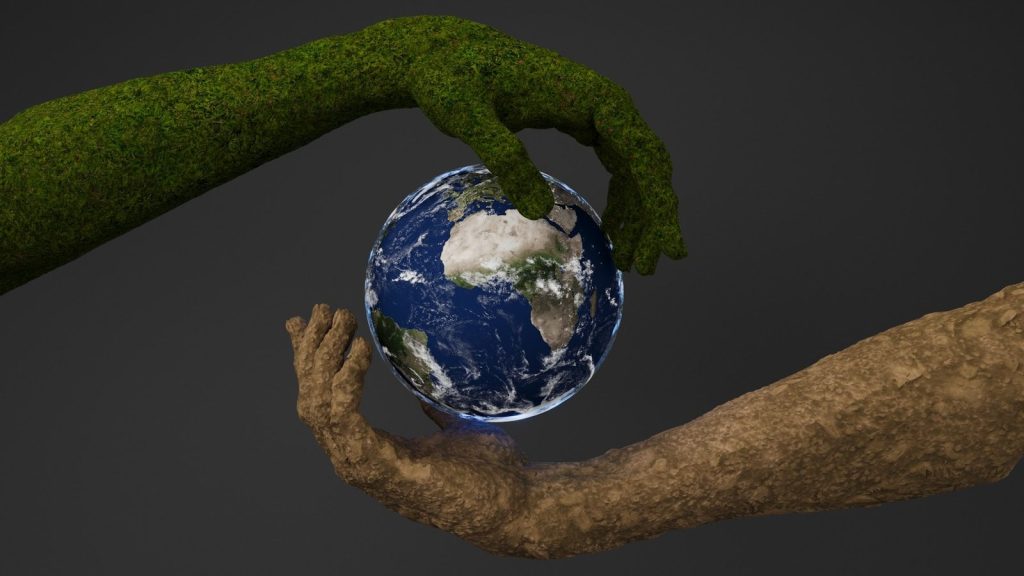
Animal reintroductions are incredibly complex. Scientists must consider food supply, predators, disease, breeding behavior, climate, and interactions with native species. Even small mistakes can trigger cascading environmental problems.
Some species fail because they cannot adapt to modern habitats altered by humans. Others become invasive because they reproduce too quickly or lack natural predators. In many cases, ecosystems are simply too fragile to absorb dramatic changes.
Lessons Conservationists Have Learned
Modern wildlife programs now rely on far more research and long-term monitoring than earlier efforts. Conservation teams use satellite tracking, genetic studies, and ecosystem modeling before releasing animals into the wild.
Many reintroductions today are successful, including wolves in Yellowstone and condors in California. But past disasters remain important reminders that nature is deeply interconnected, and even well-intentioned actions can produce unintended consequences.
The Fine Line Between Restoration and Disaster
Reintroducing animals can heal damaged ecosystems, restore biodiversity, and save species from extinction. Yet history shows that moving wildlife without fully understanding ecological balance can backfire dramatically.
The stories of cane toads, rabbits, and isolated reindeer populations reveal how quickly conservation dreams can turn into environmental nightmares. In the natural world, even a single species introduced at the wrong place or time can reshape an entire ecosystem for generations.