Skip to content

Recent Posts

  • Why a Wild Lynx May Tolerate a Nearby Camera
  • Eight of North America’s Most Imperiled Animals
  • What to Do When a Rattlesnake Enters Your Yard
  • The Reality of Hunting Giant Crabs for Survival
  • How Zebras Defend Their Foals From Lions

Most Used Categories

  • Nature & Wildlife (740)
  • Risk (75)
  • Human Interest (54)
  • Survival (27)
  • Bees/Swarms fear (27)
  • Exotic Animals (26)
  • Hunting (25)
  • Suspense (20)
  • Adventure (3)
  • Gears (2)
Skip to content
  • About Us
  • Contact Us
  • Disclaimer
  • Privacy Policy
  • Terms & Conditions

Hive Hunters Tales

  • Suspense
  • Nature & Wildlife
  • Human Interest
  • Hunting
  • Bees/Swarms fear
  • Exotic Animals
  • Risk
  • Survival
  • Adventure
  • Gears
  • Home
  • Nature & Wildlife
  • The Loudest Animals in the World and the Incredible Sounds They Produce
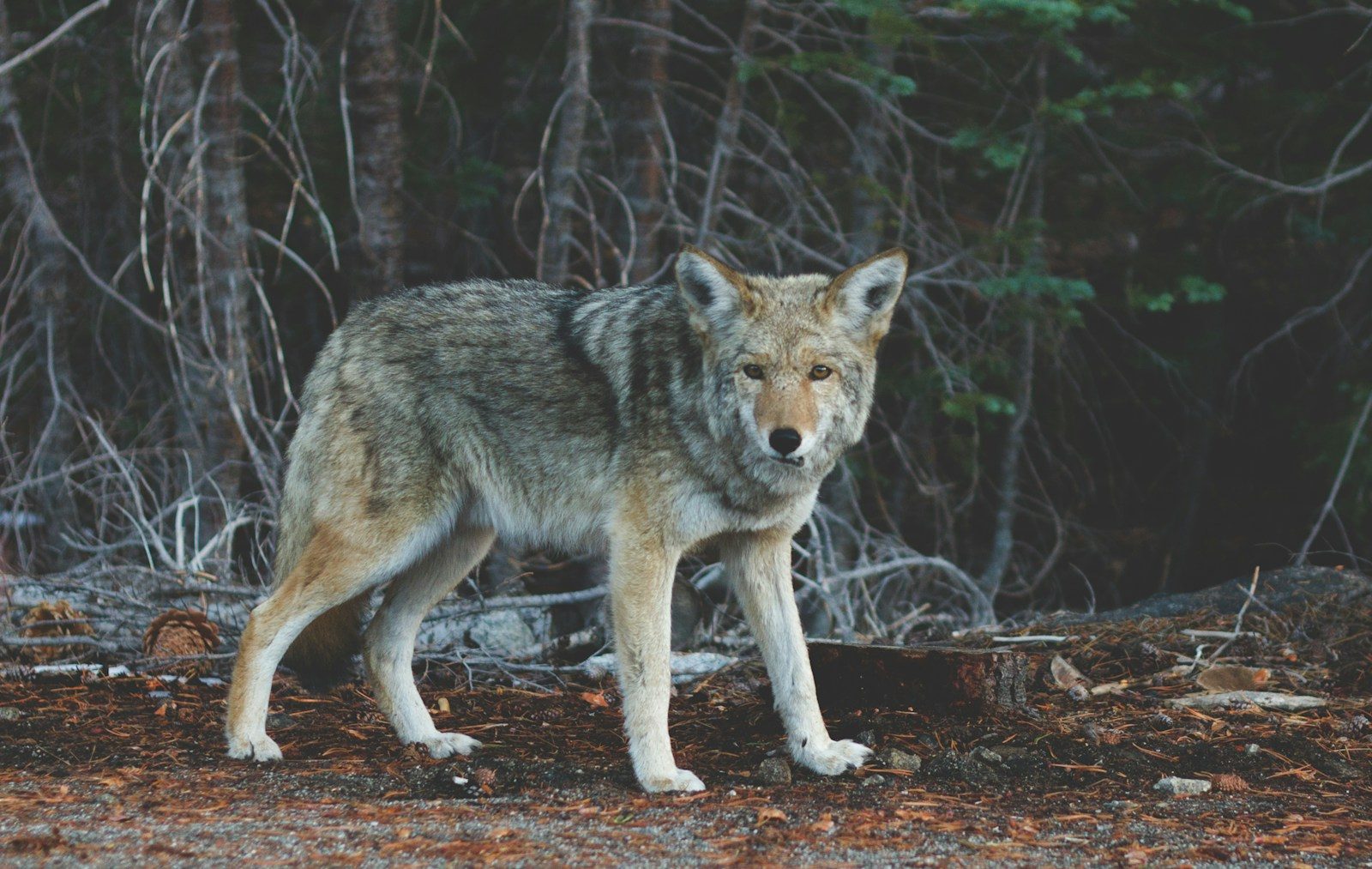
focus photography of standing wolf near tree

The Loudest Animals in the World and the Incredible Sounds They Produce

JakeJune 23, 2026June 23, 2026

The animal kingdom is full of remarkable sounds, from powerful roars and piercing calls to underwater noises that can travel for miles. Many animals rely on loud vocalizations to communicate, attract mates, defend territory, or warn rivals to stay away.

Some species are capable of producing sounds that rival industrial machinery or even aircraft in terms of volume. Here are some of the loudest animals on Earth and the reasons behind their astonishing calls.

Blue Whale
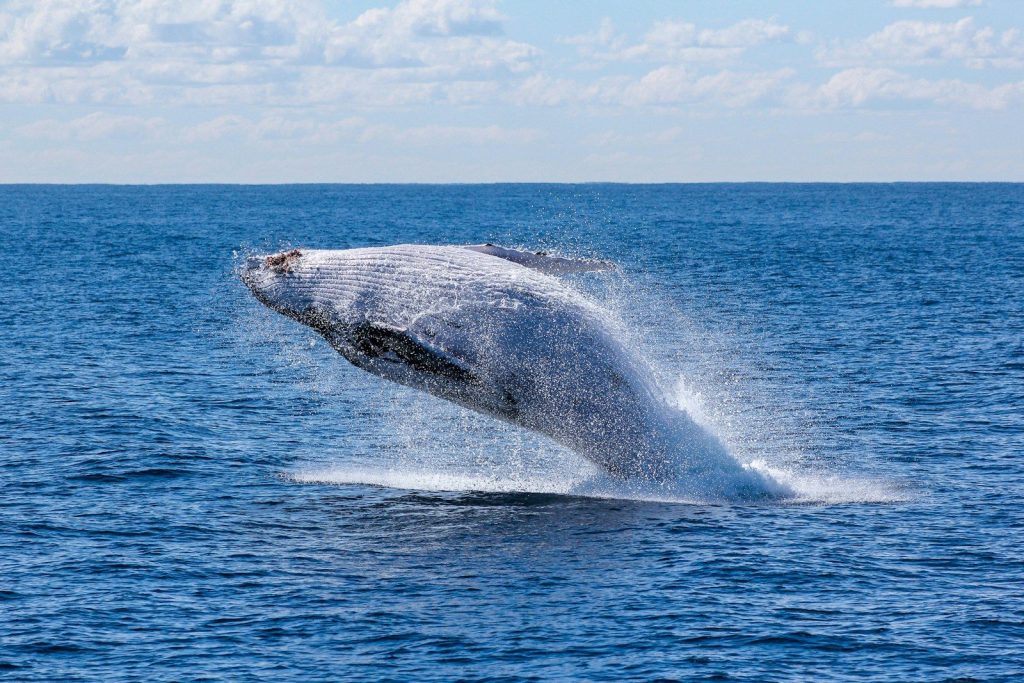
gray whale jumping on sea at daytime
Photo by Georg Wolf on Unsplash

The blue whale is often considered the loudest animal on the planet Blue Whale. Its low frequency calls can travel vast distances through the ocean.

These powerful vocalizations help whales communicate across hundreds of miles. The sounds play an important role in navigation and social interaction.

Howler Monkey
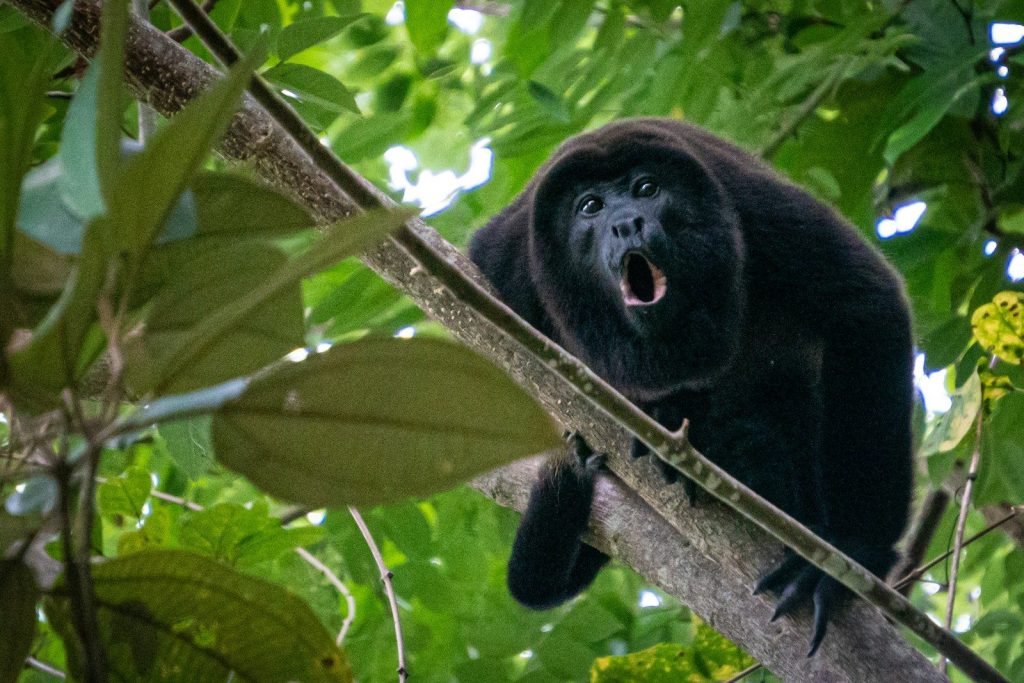
A black monkey sitting on top of a tree branch
Photo by Eric Gilbertsen on Unsplash

Howler monkeys are famous for their booming calls, which can be heard several miles away Howler Monkey. Their enlarged throat structures help amplify these vocalizations.

The calls are primarily used to establish territory and communicate with neighboring groups. They are among the loudest land mammals.

Lion
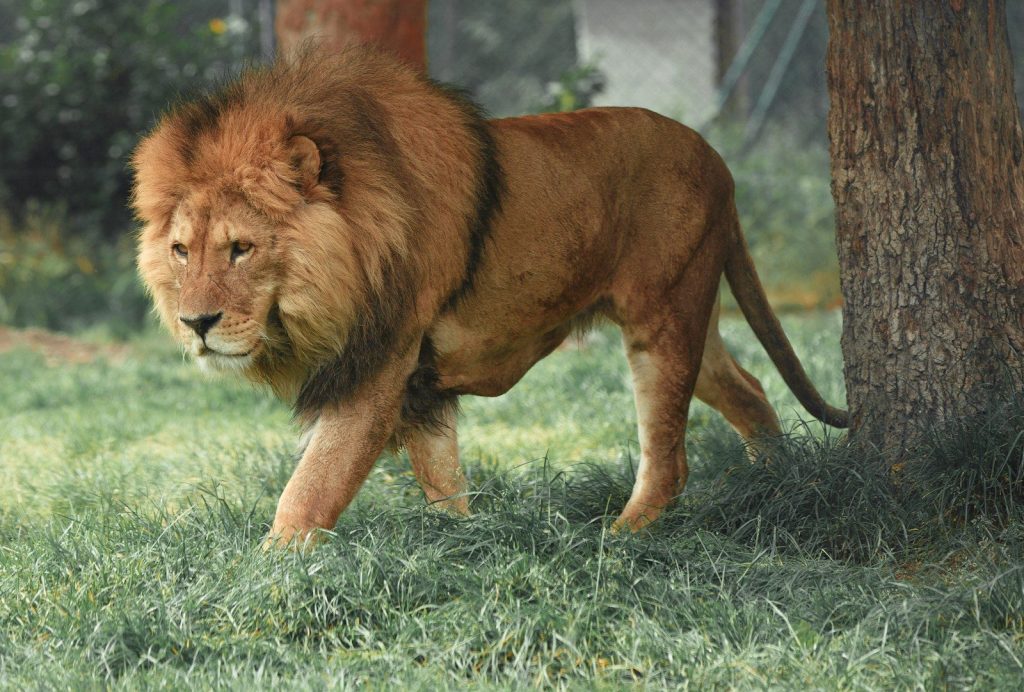
adult lion walking beside tree
Photo by Francesco on Unsplash

The lion’s roar is one of the most recognizable sounds in the animal kingdom Lion. A roar can carry across great distances, especially in open habitats.

Lions use these vocalizations to defend territory and maintain contact with pride members. The sound also serves as a warning to rivals.

Elephant
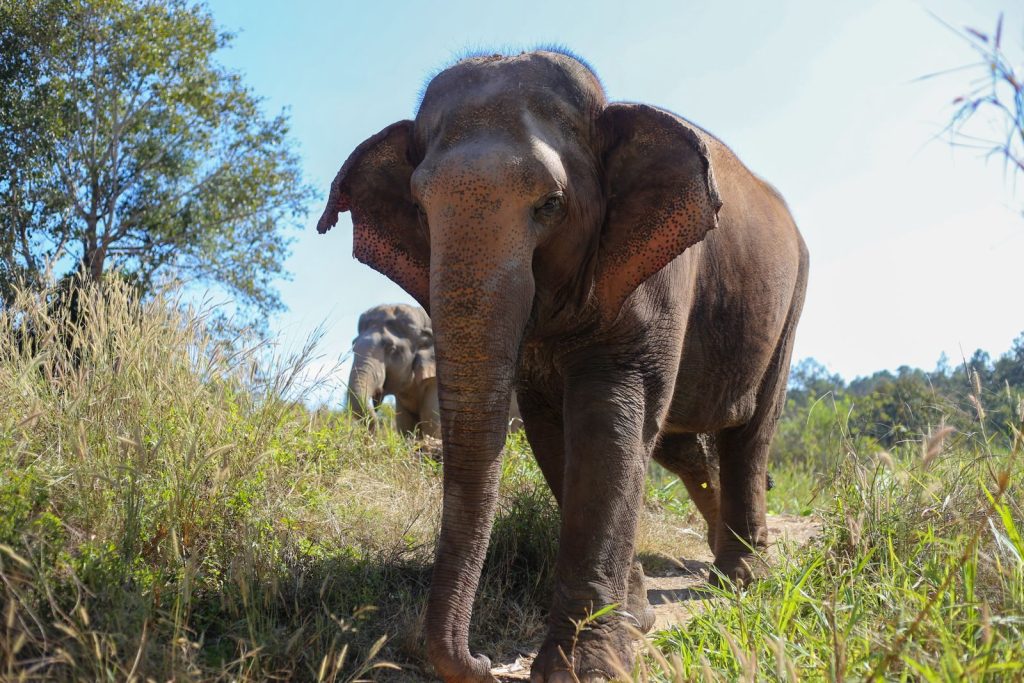
Close-up of an Asian elephant in a sanctuary in Chiang Mai, Thailand under bright sunlight.
Photo by Morgann McKunes on Pexels

Elephants communicate using a variety of sounds, including powerful trumpets and low frequency rumbles Elephant. Some of these sounds travel over long distances.

Their vocalizations help coordinate group movement and strengthen social bonds. Communication is a key part of elephant society.

Wolf
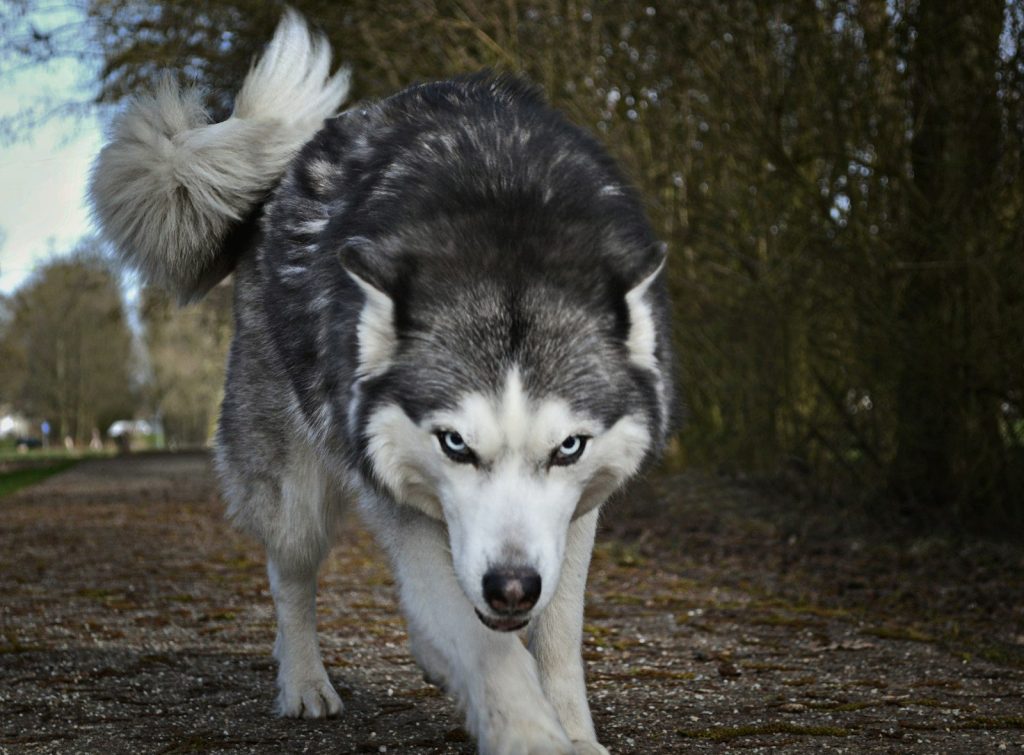
white and gray wolf
Photo by Jeroen Bosch on Unsplash

Wolves use loud howls to communicate with pack members and mark territory Wolf. A single howl can travel across large areas of wilderness.

These vocal signals help keep packs connected even when individuals are far apart. They also discourage rival packs from entering occupied territory.

Kakapo
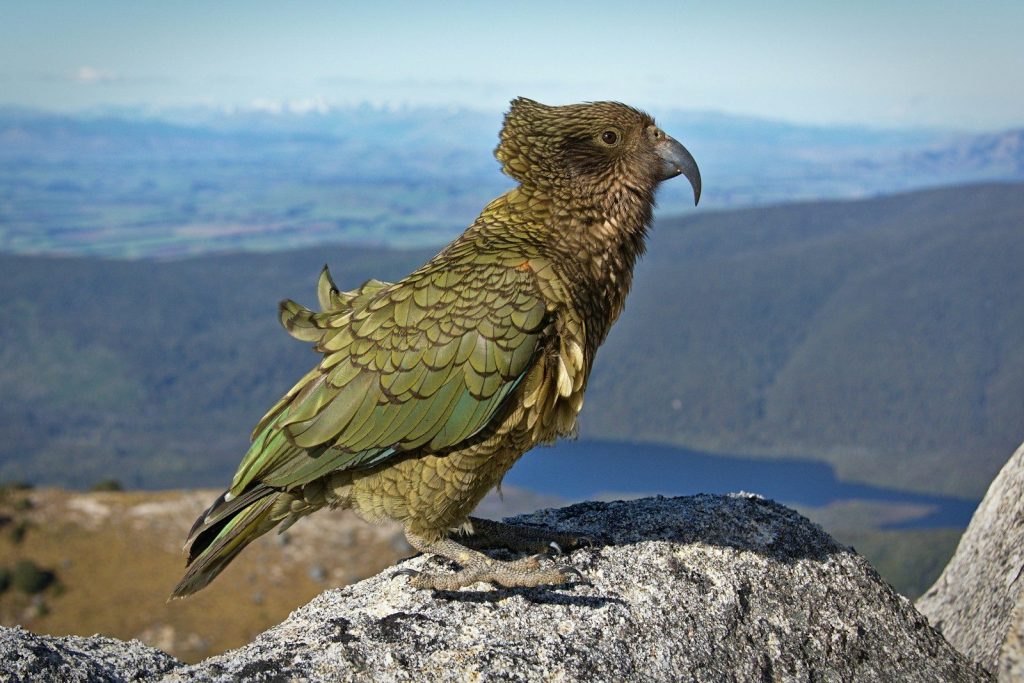
green and gray bird standing on rock
Photo by Tomas Sobek on Unsplash

The kakapo is a flightless parrot known for its deep booming mating calls Kakapo. Males produce these sounds during breeding season to attract females.

The calls can carry surprisingly long distances through forest habitats. This strategy increases the chances of finding a mate.
Post navigation

Previous: Stranded Baby Dolphin Thought It Was Alone Until One Stranger Changed Everything
Next: Animals That Generally Make Poor Pets for Most Households

Related Posts

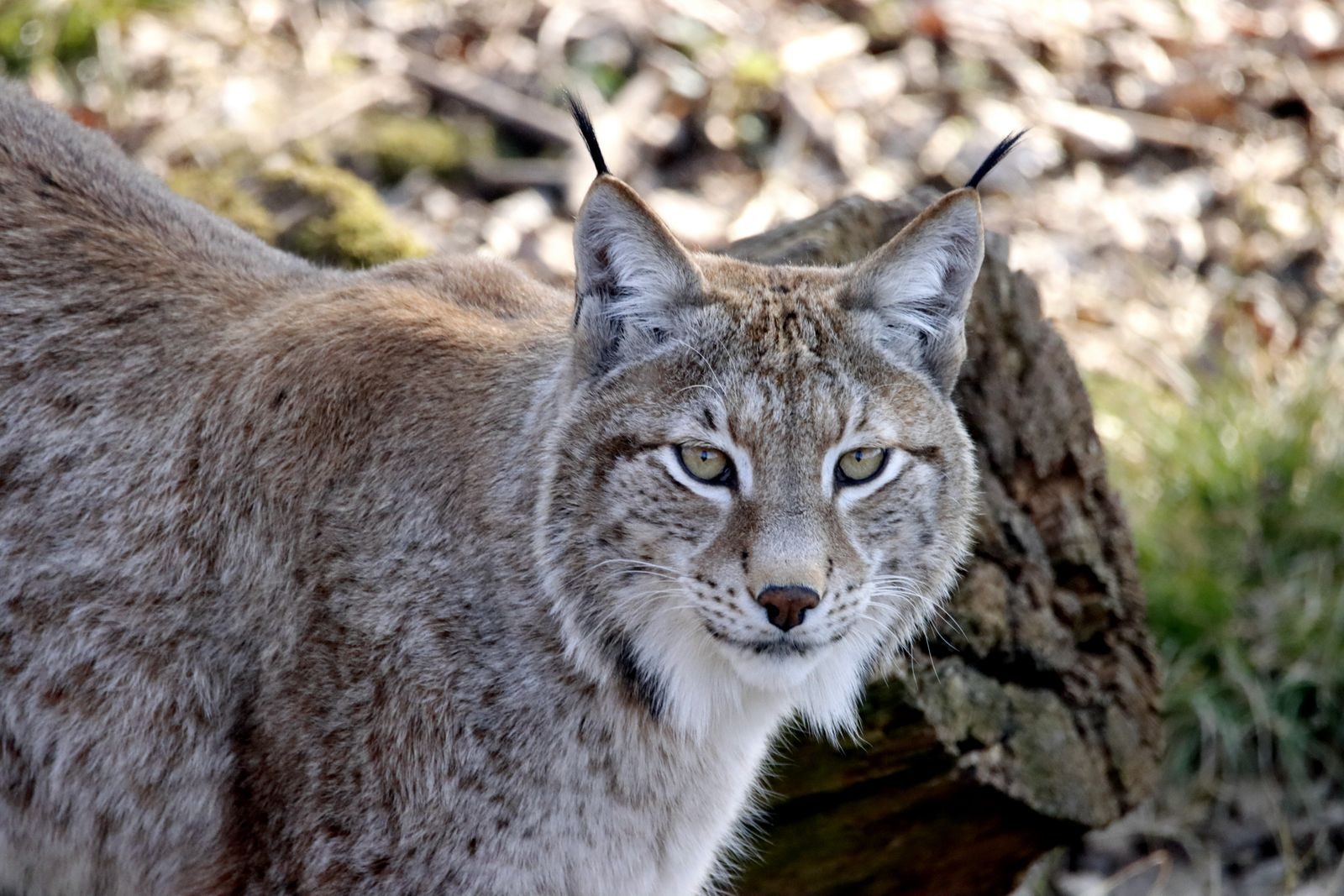
Detailed close-up of a Canada lynx showcasing its alert gaze and distinctive features.

Why a Wild Lynx May Tolerate a Nearby Camera

August 14, 2026August 14, 2026 Jake
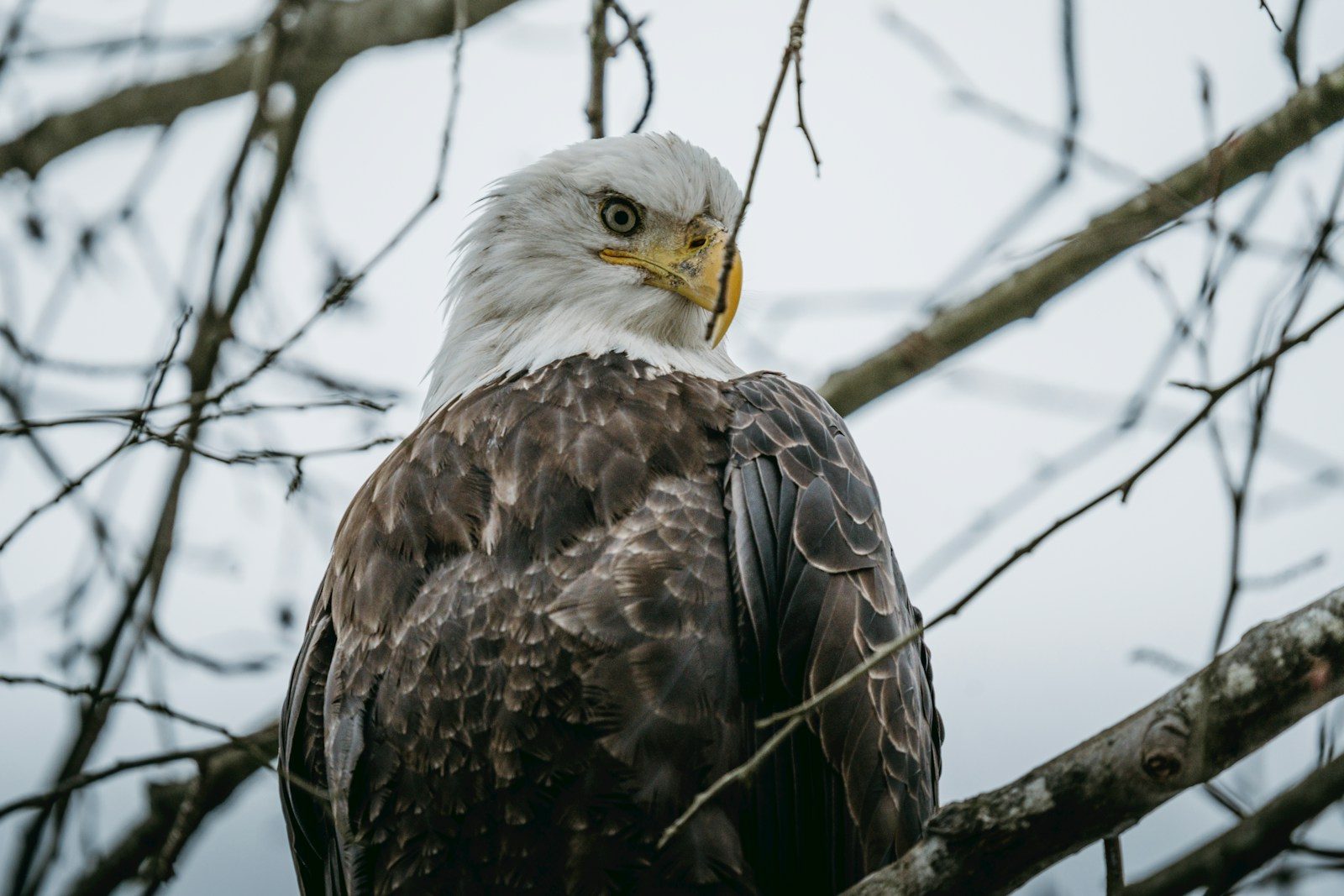
A bald eagle perched on a bare tree branch.

Eight of North America’s Most Imperiled Animals

August 14, 2026August 14, 2026 Jake
A detailed close-up of a zebra among a group of zebras in their natural habitat.

How Zebras Defend Their Foals From Lions

August 14, 2026August 13, 2026 Jake

Leave a Reply Cancel reply

Your email address will not be published. Required fields are marked *

Recent Posts

  • Why a Wild Lynx May Tolerate a Nearby Camera
  • Eight of North America’s Most Imperiled Animals
  • What to Do When a Rattlesnake Enters Your Yard
  • The Reality of Hunting Giant Crabs for Survival
  • How Zebras Defend Their Foals From Lions
Copyright All Rights Reserved | Theme: BlockWP by Candid Themes.