Rabbits are among the most popular small pets, but veterinary experts continue to see widespread health issues linked to poor diet. A new awareness campaign is putting rabbit nutrition in the spotlight, urging owners to reconsider what they feed their pets and whether current diets meet their animals’ complex biological needs.
While rabbits may appear easy to care for, specialists warn that their dietary requirements are highly specific—and mistakes can lead to serious long-term health problems.
Why Rabbit Nutrition Is More Complex Than It Seems

Unlike many domestic pets, rabbits are built to consume fibrous plant material continuously throughout the day. Their digestive systems depend heavily on a steady intake of fiber to function properly.
Their teeth also never stop growing, meaning diet directly influences dental health as well as digestion, energy levels, and overall wellbeing. When nutrition is unbalanced, the effects can quickly extend beyond weight gain or loss.
Hay as the Foundation of a Healthy Diet
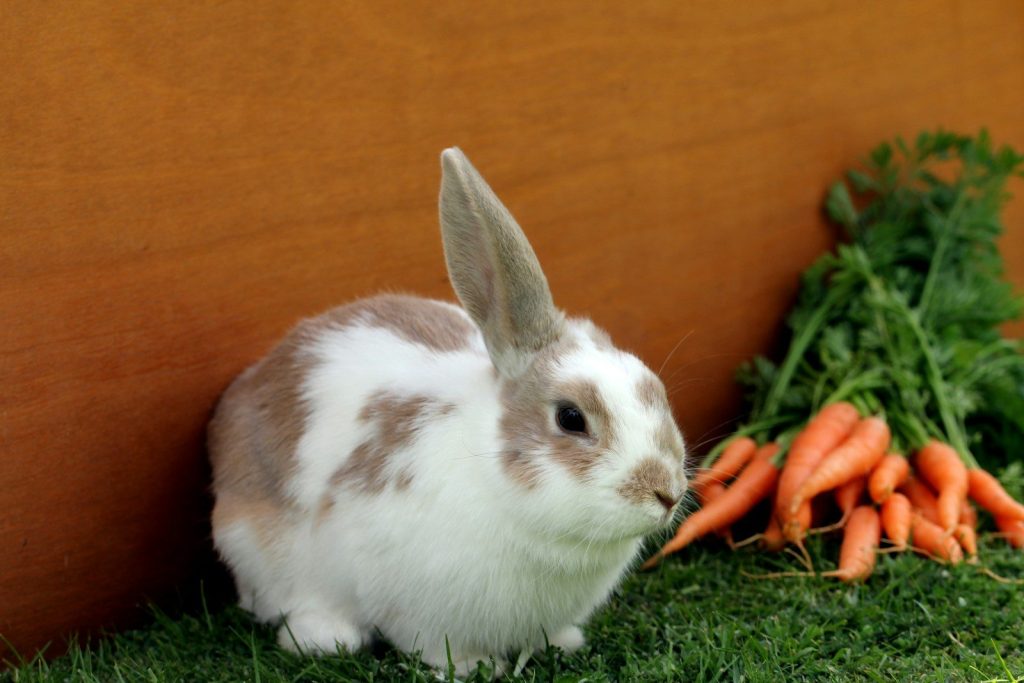
Veterinary guidance consistently emphasizes one key principle: hay should form the core of a rabbit’s daily diet.
High-fiber grass hay supports gut movement and helps naturally wear down teeth. Without enough hay, rabbits may develop serious issues such as digestive slowdown and dental disease.
Many owners unintentionally rely too heavily on pellets or treats, but these should only supplement—not replace—hay. A lack of fiber-rich food can gradually increase the risk of chronic health conditions.
Common Feeding Mistakes and Their Consequences
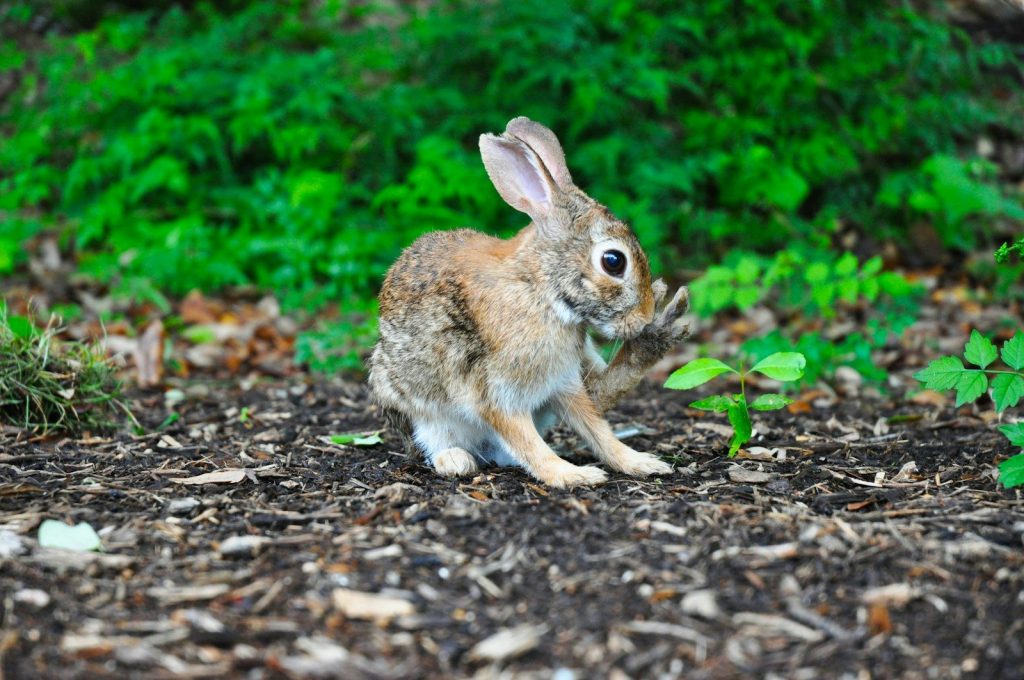
Poor dietary habits are a leading cause of preventable illness in rabbits. When fiber intake is too low, rabbits may develop gastrointestinal stasis, a dangerous condition where digestion slows or stops.
Other risks include dental overgrowth, obesity, and reduced activity levels. Because rabbits often continue eating even when unwell, underlying problems may go unnoticed until they become severe.
Veterinarians stress that regular health checks are essential, even for rabbits that appear healthy on the surface.
The Role of Fresh Greens and Hydration
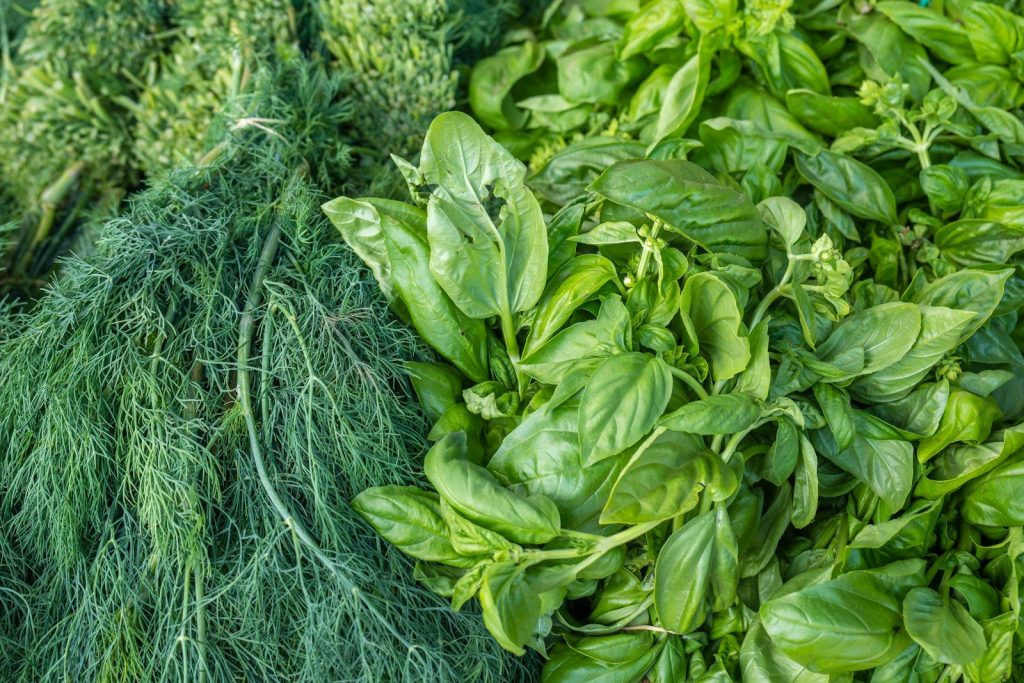
Alongside hay, rabbits benefit from a variety of fresh leafy greens. These foods provide nutrients, hydration, and enrichment while encouraging natural foraging behavior.
Experts recommend introducing new vegetables gradually and maintaining a balanced mix of safe options. Clean, fresh water should always be available to support overall health.
A varied but carefully managed diet helps maintain both physical condition and mental stimulation.
Why Education Is Key to Better Rabbit Welfare
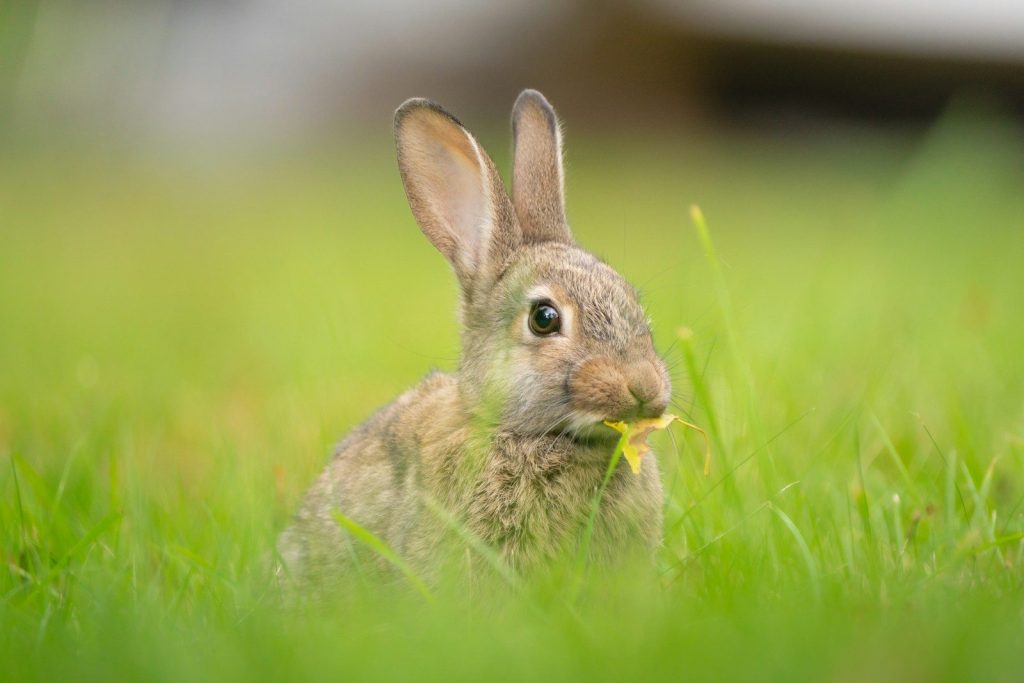
Many rabbit health issues stem from outdated care practices or misunderstandings about their needs. Animal welfare organizations emphasize that rabbits are not low-maintenance pets and require informed, consistent care.
Awareness campaigns aim to close this knowledge gap by helping owners understand proper nutrition, housing, social needs, and veterinary care.