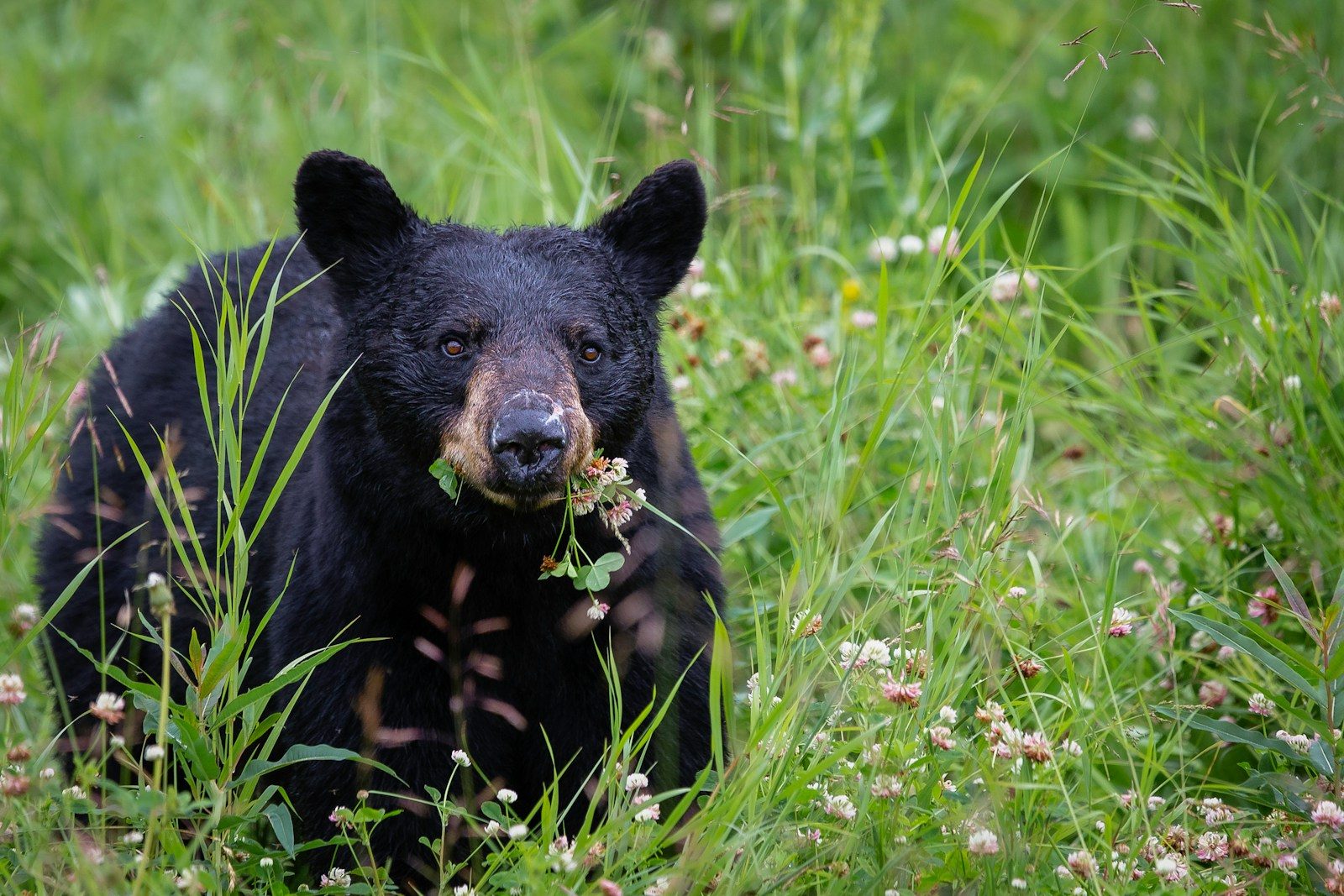
A black bear that attacked two people in separate incidents near Mammoth Lakes, California, has been euthanized after wildlife officials determined it posed an ongoing threat to public safety. The decision has reignited discussions about the complex relationship between humans and wildlife, particularly in areas where growing communities overlap with natural bear habitat.
While black bears are generally shy and avoid human contact, authorities say this case was unusual because the animal reportedly bit and clawed two individuals, prompting concerns that it had become dangerously habituated to people.
A Rare and Serious Encounter
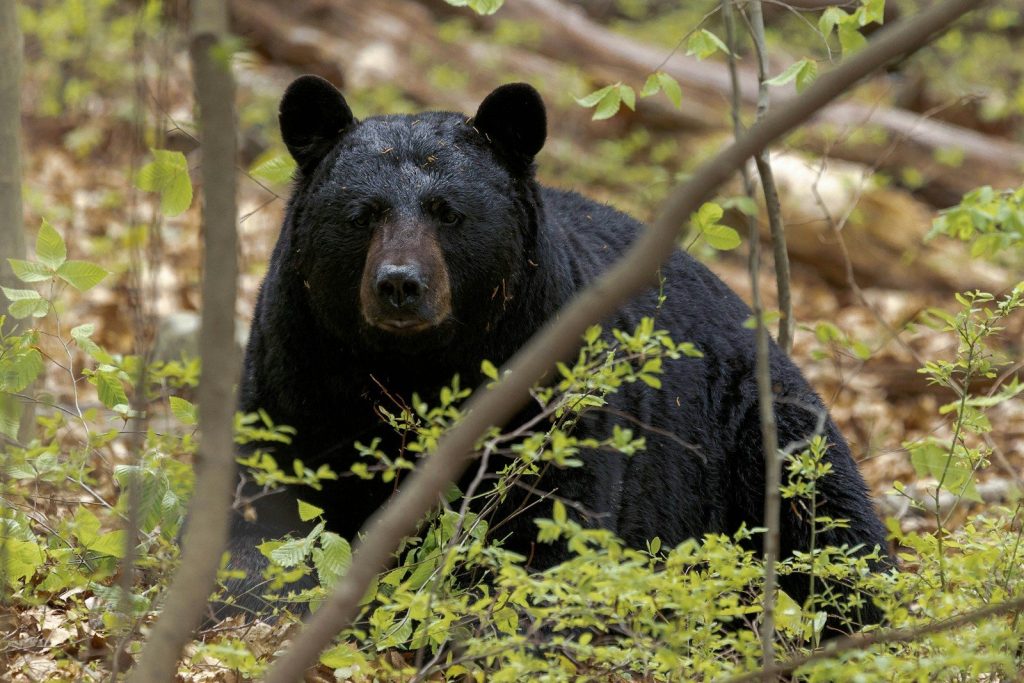
Black bear attacks on humans are relatively uncommon, especially when compared to the thousands of encounters that occur each year across North America. Most bears prefer to retreat when they detect human presence and will avoid confrontation whenever possible.
However, wildlife officials say certain bears can lose their natural fear of people over time. When this happens, the likelihood of dangerous interactions increases significantly.
In the Mammoth Lakes case, officials concluded that the bear’s behavior represented an unacceptable risk after it injured two people during separate encounters.
How Bears Become Comfortable Around Humans
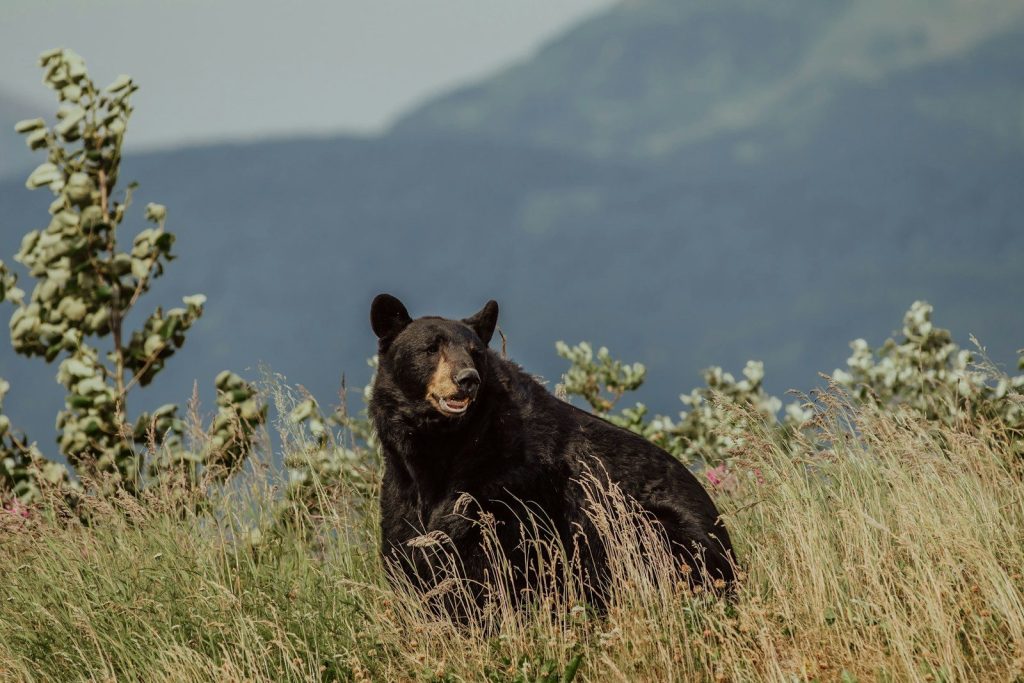
Many wildlife conflicts begin with access to food.
Bears possess an extraordinary sense of smell and can detect food sources from long distances. Garbage bins, pet food, bird feeders, coolers, and improperly stored camping supplies can all attract bears into human-populated areas.
When bears repeatedly find easy meals near homes or recreational sites, they begin associating people with food. Wildlife experts refer to this process as food conditioning.
Over time, food-conditioned bears may become increasingly bold, returning frequently to neighborhoods, campsites, and tourist areas. As their fear of humans diminishes, the potential for dangerous encounters grows.
Why Relocation Is Not Always the Answer
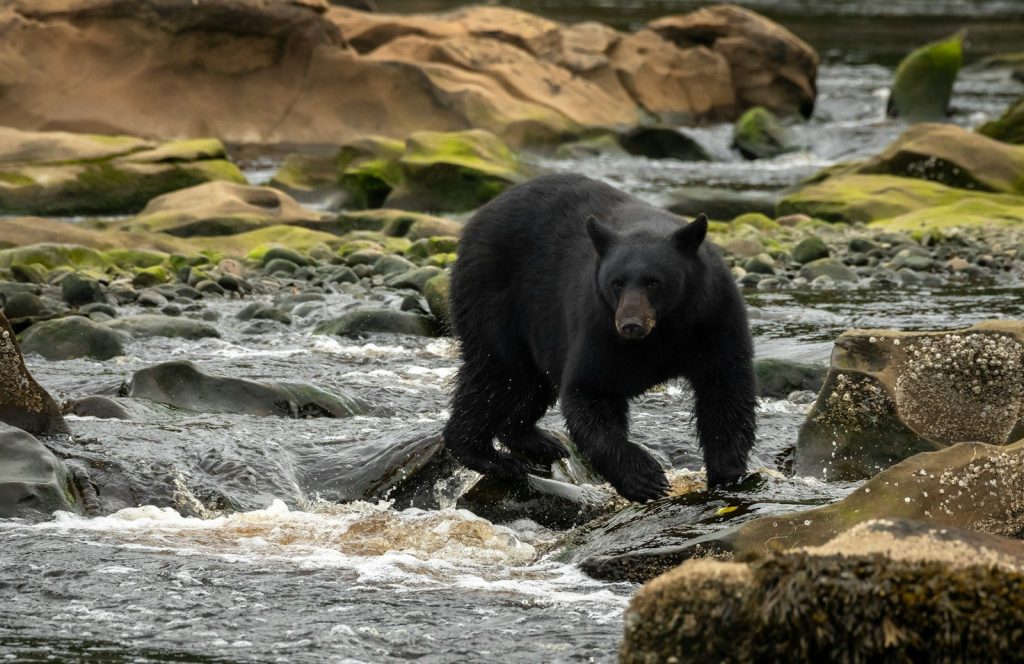
Many people wonder why wildlife agencies do not simply relocate problem bears instead of euthanizing them.
While relocation is sometimes used, research has shown that it is often ineffective for bears that have developed problematic behavior. Many relocated bears travel hundreds of miles to return to familiar territory, while others continue seeking food around humans in their new locations.
When a bear has already injured people, wildlife managers may determine that relocation is unlikely to eliminate the risk.
In these situations, officials must weigh the welfare of the animal against public safety concerns.
Mammoth Lakes and Bear Country

Mammoth Lakes sits within the Sierra Nevada region, an area that supports a healthy population of black bears. Residents and visitors regularly share the landscape with wildlife, making bear awareness an important part of everyday life.
The community has invested heavily in bear-resistant trash systems, public education campaigns, and wildlife management programs aimed at reducing conflicts. Despite these efforts, encounters remain inevitable because bears and humans frequently occupy the same environment.
Wildlife experts stress that coexistence is possible, but it requires constant vigilance and responsible behavior from people.
The Challenge of Balancing Conservation and Safety
Cases like this often divide public opinion.
Some people focus on the loss of the bear, particularly if human actions contributed to its food-conditioned behavior. Others emphasize the need to protect people after an animal has demonstrated aggression.
Conservationists note that both perspectives are understandable. Wildlife managers are often tasked with making difficult decisions in situations where no outcome feels entirely satisfactory.
The euthanization of a bear is rarely viewed as a success. Instead, it is often considered the final result of a conflict that could ideally have been prevented.
Preventing Future Conflicts
Experts agree that prevention remains the most effective solution. Simple actions can significantly reduce the likelihood of bears becoming habituated to human environments:
- Garbage should be stored in bear-resistant containers, and food should never be left accessible outdoors.
- Campers should properly store food, cooking equipment, and scented items when visiting bear habitat.
- Feeding bears intentionally or unintentionally encourages them to associate people with food rewards.
- Pet food, bird feeders, and other attractants should be secured whenever possible.