Ibiza is known for beaches, nightlife, and Mediterranean scenery, but conservationists are now focused on a very different problem: invasive snakes.
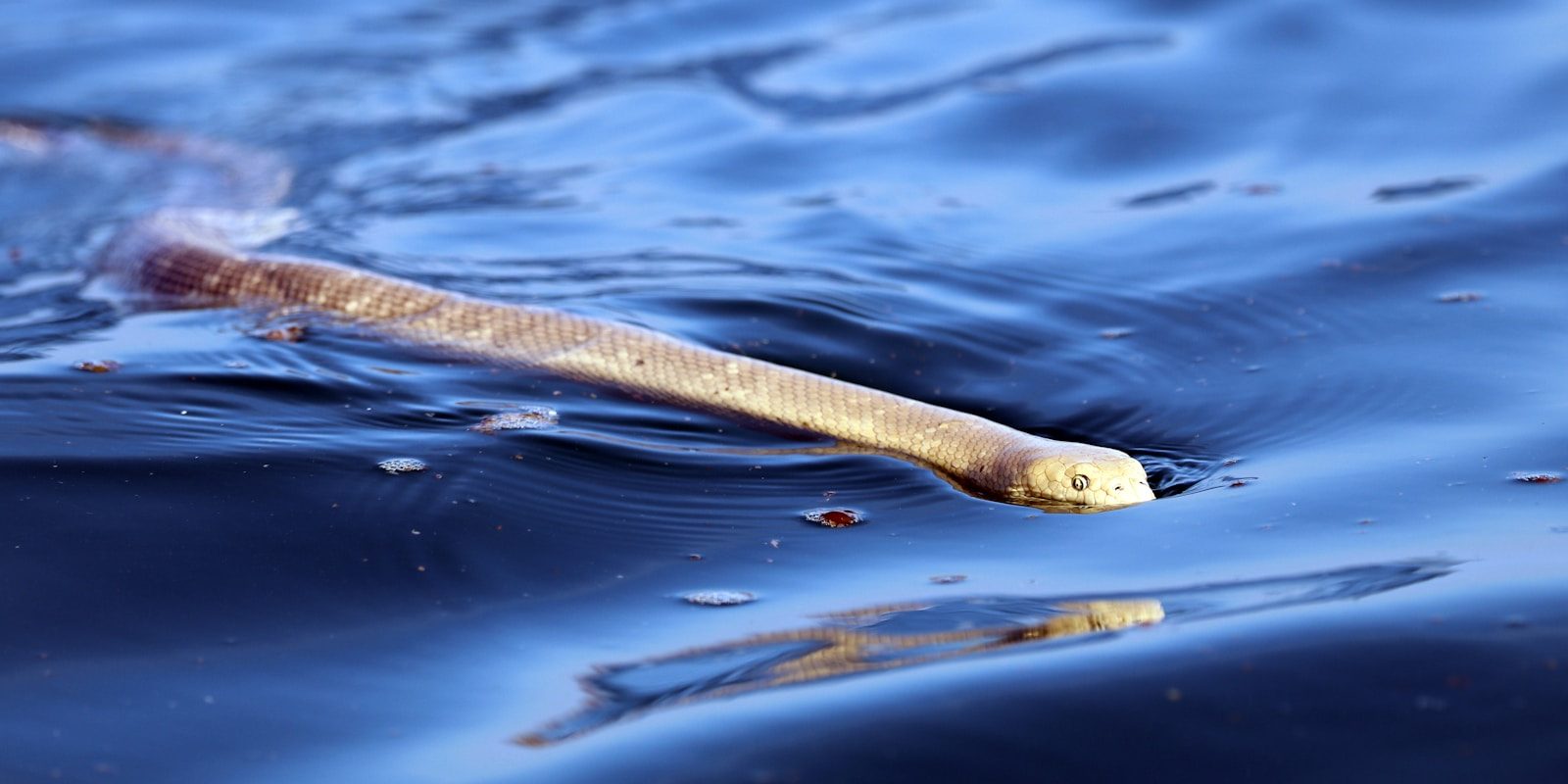
The horseshoe whip snake has become a serious threat to Ibiza’s native wall lizard, a reptile found nowhere else in the world. Scientists say the snakes are spreading across the Balearic Islands and can even swim between islands, putting once-safe lizard populations at risk.
An Island Species Under Pressure
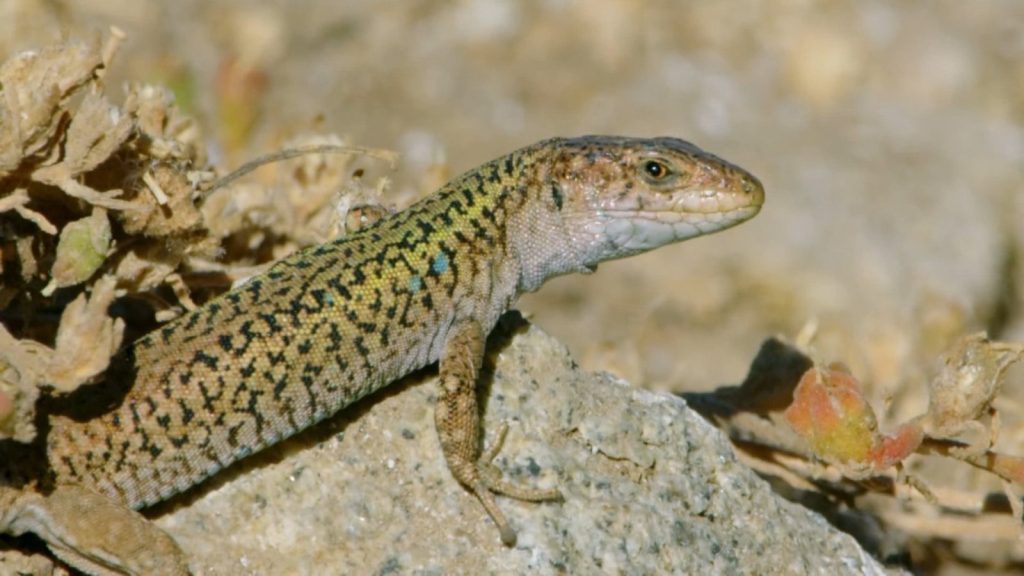
The Ibiza wall lizard, known scientifically as Podarcis pityusensis, evolved in isolation on Ibiza and nearby islets. For thousands of years, it lived without many major predators.
The lizards are a familiar sight on stone walls, rocky coastlines, gardens, and protected areas. They also play an ecological role by eating insects and helping spread seeds.
For locals and visitors, the lizard is part of Ibiza’s natural identity. But its survival is now being challenged by a predator it did not evolve to face.
How the Snakes Reached Ibiza
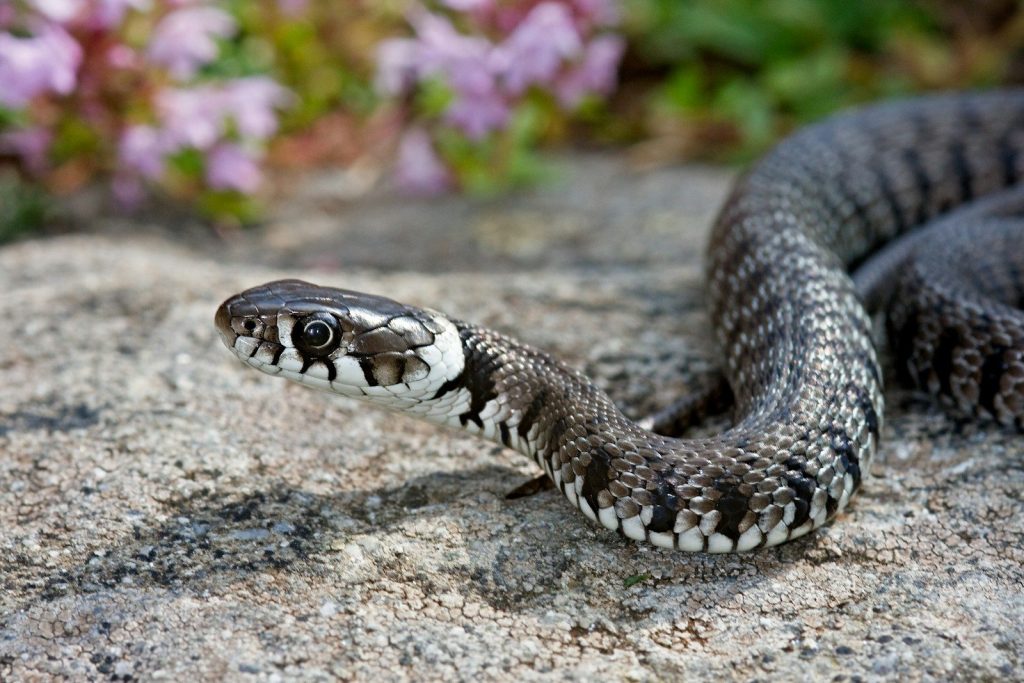
The horseshoe whip snake is native to parts of mainland Europe and North Africa. It is not naturally found on Ibiza.
Researchers believe the snakes arrived accidentally through imported ornamental olive trees and other plants. Hidden in roots or soil, they entered an island ecosystem that was not prepared for them.
Once established, the snakes found plenty of prey and few natural barriers. Their numbers grew, and native lizards became one of their main targets.
Swimming Makes the Threat Worse
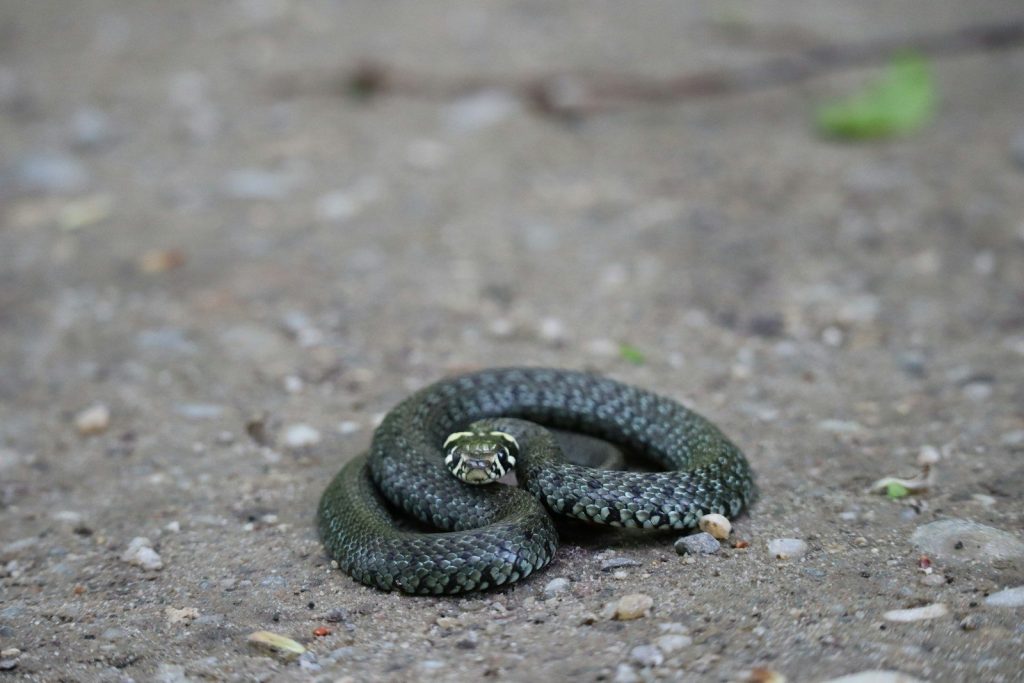
One of the biggest concerns is the snake’s ability to swim. Conservationists have observed horseshoe whip snakes crossing coastal waters and reaching nearby islands.
This is alarming because some offshore islets had acted as safe refuges for lizard populations. These areas were important because snakes had not previously reached them.
Now, those natural sanctuaries may no longer be secure. If snakes continue spreading by water, more isolated lizard populations could come under pressure.
Why Island Wildlife Is So Vulnerable
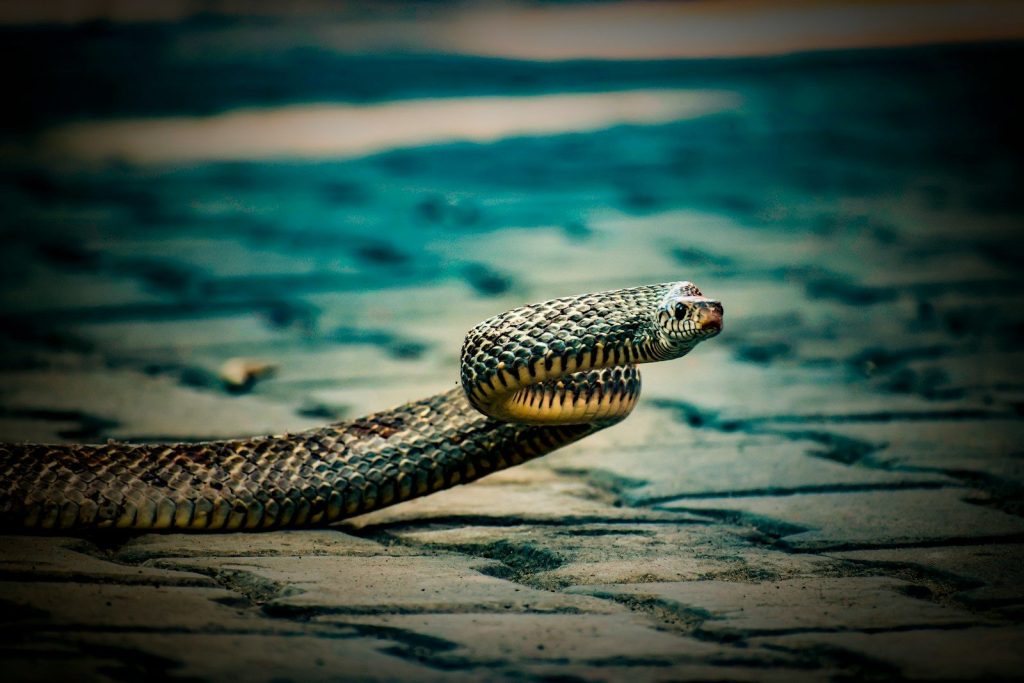
Island species are often highly sensitive to invasive predators. Because they evolve in isolation, they may not develop strong defenses against new threats.
This has happened around the world, where invasive animals have contributed to declines or extinctions of native birds, reptiles, mammals, and insects.
The Ibiza wall lizard faces a similar challenge. It remains present in parts of its range, but scientists worry that unchecked snake populations could cause long-term declines.
Conservationists Are Taking Action

Wildlife teams are already working to control the invasive snakes. Trapping programs are being used to reduce snake numbers and protect key lizard habitats.
Researchers are also monitoring where the snakes are spreading. This helps identify which areas need urgent protection.
The work is difficult because invasive species are much harder to remove once they become established. Still, conservationists say action is necessary to protect the island’s native lizards.