Skip to content

Recent Posts

  • Why Wyoming’s Wolves Appear Larger Than Many Other Gray Wolves In The Lower 48
  • Shark Attack Off Florida Coast Sparks Fresh Debate About Human Encounters With Wildlife
  • Bear Sightings Surge Across Japan As Hungry Animals Venture Closer To Communities
  • Beloved Wild Stallion Dies Suddenly After a Single Kick
  • Study Highlights Welfare Concerns for Britain’s Often-Overlooked Working Donkeys

Most Used Categories

  • Nature & Wildlife (257)
  • Risk (45)
  • Human Interest (20)
  • Hunting (17)
  • Survival (15)
  • Bees/Swarms fear (13)
  • Exotic Animals (9)
  • Suspense (6)
  • Adventure (3)
  • Gears (2)
Skip to content
  • About Us
  • Contact Us
  • Disclaimer
  • Privacy Policy
  • Terms & Conditions

Hive Hunters Tales

  • Suspense
  • Nature & Wildlife
  • Human Interest
  • Hunting
  • Bees/Swarms fear
  • Exotic Animals
  • Risk
  • Survival
  • Adventure
  • Gears
  • Home
  • Risk
  • Ethical Ways to Stop Animals Entering Your Yard
Man walks through a lush garden with a house.

Ethical Ways to Stop Animals Entering Your Yard

JakeJune 14, 2026June 14, 2026

Keeping unwanted animals out of your yard doesn’t have to involve harm or harsh measures. With a few simple changes, you can protect your garden, reduce mess, and still respect local wildlife. Humane deterrents focus on prevention, barriers, and natural repellents rather than confrontation.

Understanding Why Animals Enter Your Yard

a patio with a table and chairs and a couch
Photo by Clay Banks on Unsplash

Wild animals and small critters usually enter yards in search of food, water, or shelter. Overgrown plants, unsecured trash, pet food, and bird feeders can unintentionally attract them. Once they find a reliable source, they often return repeatedly.

Secure Food Sources and Waste

a patio with a table, chairs, and potted plants
Photo by Nick Night on Unsplash

One of the most effective steps is removing easy food access. Keep garbage bins tightly sealed and avoid leaving pet food outdoors. Compost piles should be covered, and fallen fruit from trees should be cleaned up regularly to avoid attracting animals like raccoons, rodents, and birds.

Use Natural Deterrents and Scents
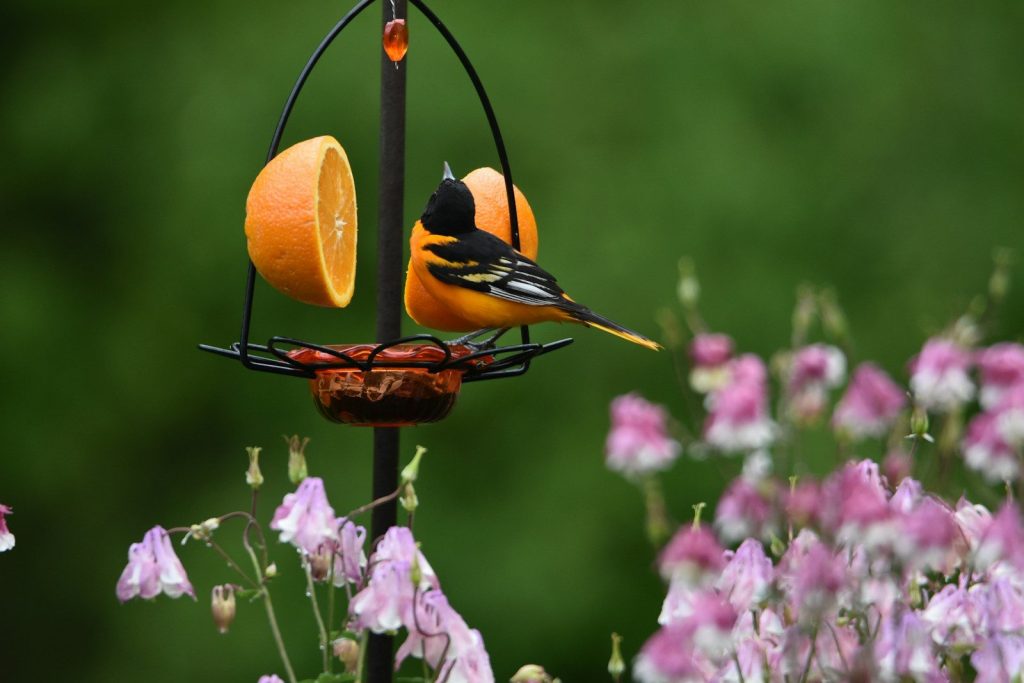
orange and black butterfly on purple flower
Photo by Mary Farrell on Unsplash

Many animals rely heavily on their sense of smell. Certain natural scents, such as vinegar, citrus peels, garlic, or peppermint oil, can discourage them from entering specific areas. These options are non-toxic and safe when used correctly around plants and pathways.

Install Physical Barriers
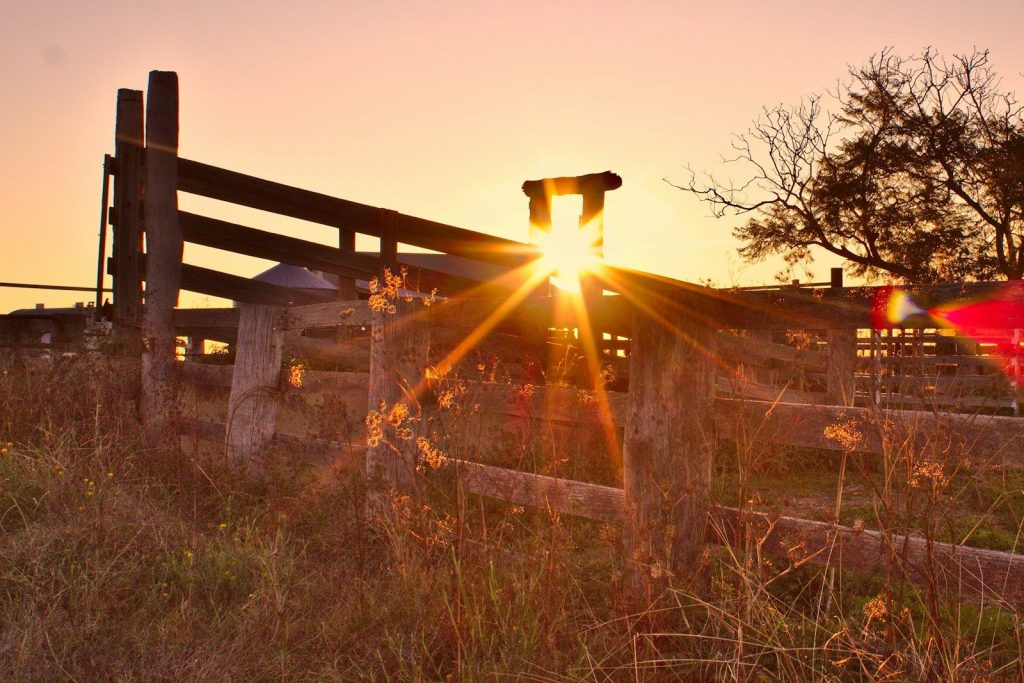
brown wooden fence on green grass field during sunset
Photo by elaine alex on Unsplash

Fencing remains one of the most reliable ways to protect gardens and yards. Mesh fences can block rabbits and deer, while buried edging helps prevent digging animals. Raised garden beds and netting also reduce access to vulnerable plants without harming wildlife.

Remove Shelter Opportunities

a large yard with a pool and a house in the background
Photo by Point3D Commercial Imaging Ltd. on Unsplash

Overgrown bushes, piles of wood, and cluttered outdoor spaces can become hiding or nesting spots. Keeping your yard tidy reduces the chances of animals settling in. Trimming vegetation and sealing gaps under sheds or decks can make a big difference.

Use Light and Sound as Gentle Deterrents

a metal wind chime hanging from a tree
Photo by Glen Michaelsen on Unsplash

Motion-activated lights or sprinklers can gently startle animals without causing harm. Some homeowners also use wind chimes or ultrasonic devices, though effectiveness varies depending on the species and environment.

Post navigation

Previous: Why Albino Animals Struggle to Survive in the Wild
Next: The Oldest Animals on Earth and Their Incredible Lifespans

Related Posts

brown snake on brown sand

Can You Survive a Black Mamba Bite?

June 14, 2026June 14, 2026 Jake
white and brown long coat large dog

Why Your Dog’s Thyroid Can Change Its Behavior

June 14, 2026June 14, 2026 Jake
white and black dog

Why Poor Dental Health Can Be Dangerous for Dogs

June 14, 2026June 14, 2026 Jake

Leave a Reply Cancel reply

Your email address will not be published. Required fields are marked *

Recent Posts

  • Why Wyoming’s Wolves Appear Larger Than Many Other Gray Wolves In The Lower 48
  • Shark Attack Off Florida Coast Sparks Fresh Debate About Human Encounters With Wildlife
  • Bear Sightings Surge Across Japan As Hungry Animals Venture Closer To Communities
  • Beloved Wild Stallion Dies Suddenly After a Single Kick
  • Study Highlights Welfare Concerns for Britain’s Often-Overlooked Working Donkeys
Copyright All Rights Reserved | Theme: BlockWP by Candid Themes.