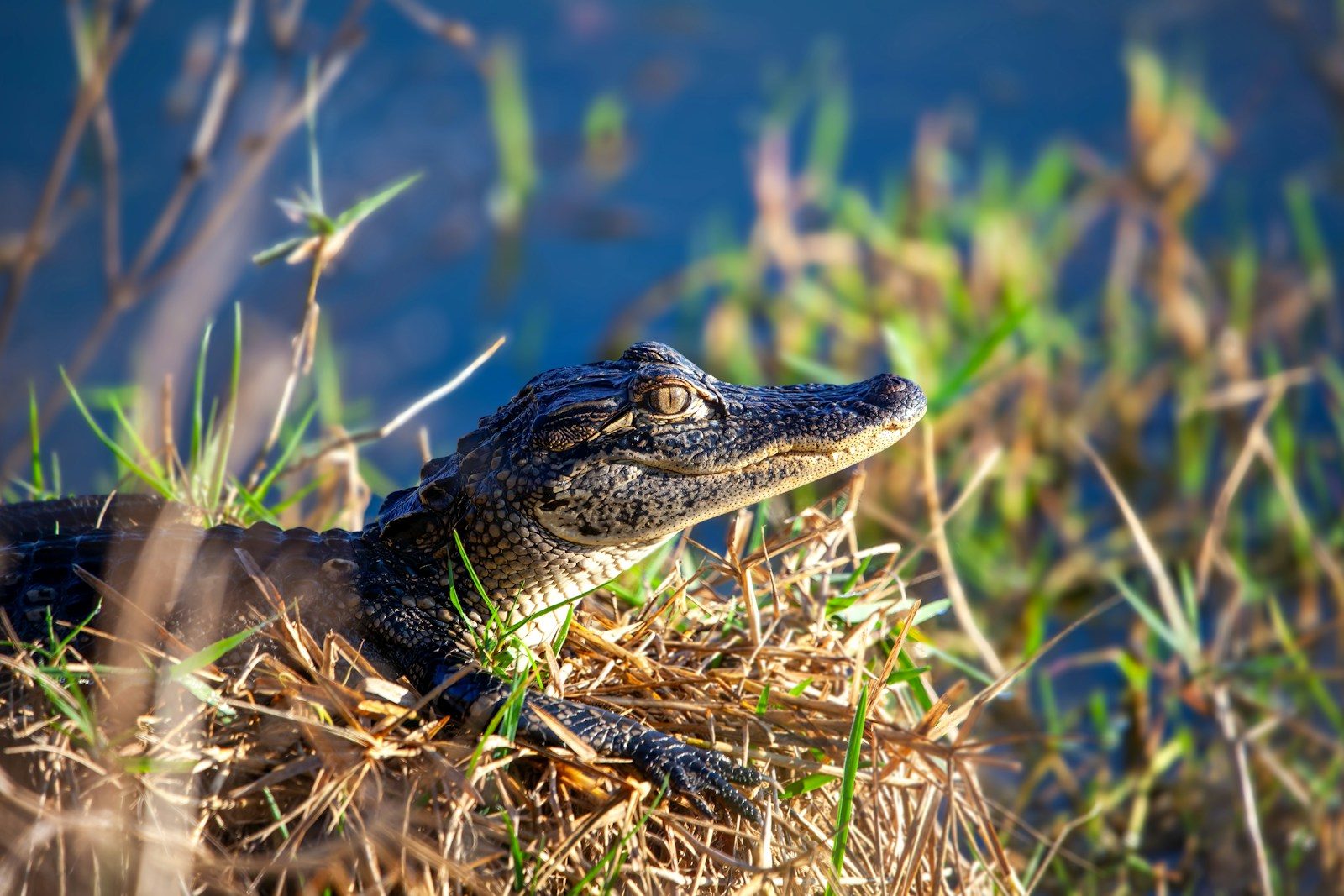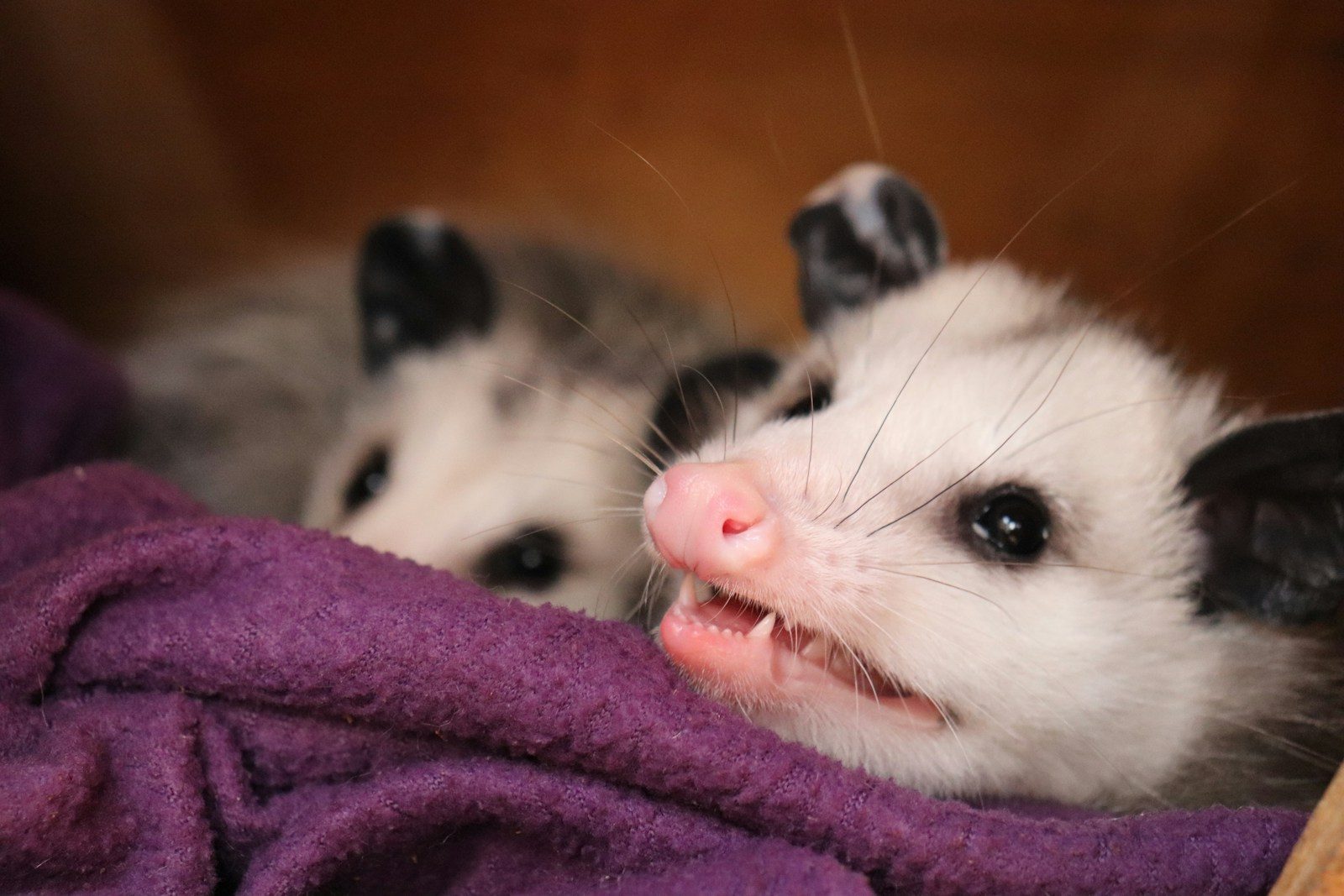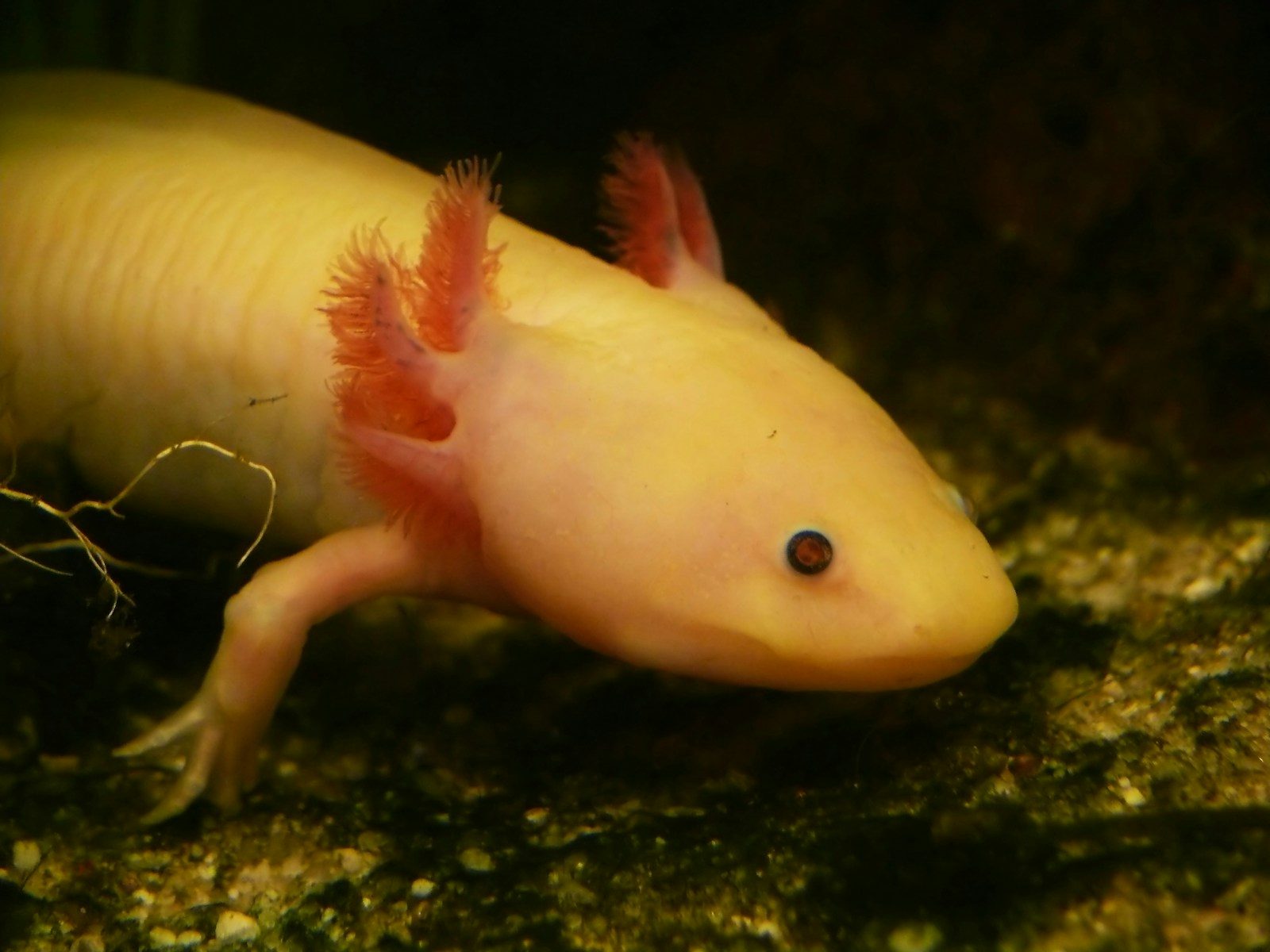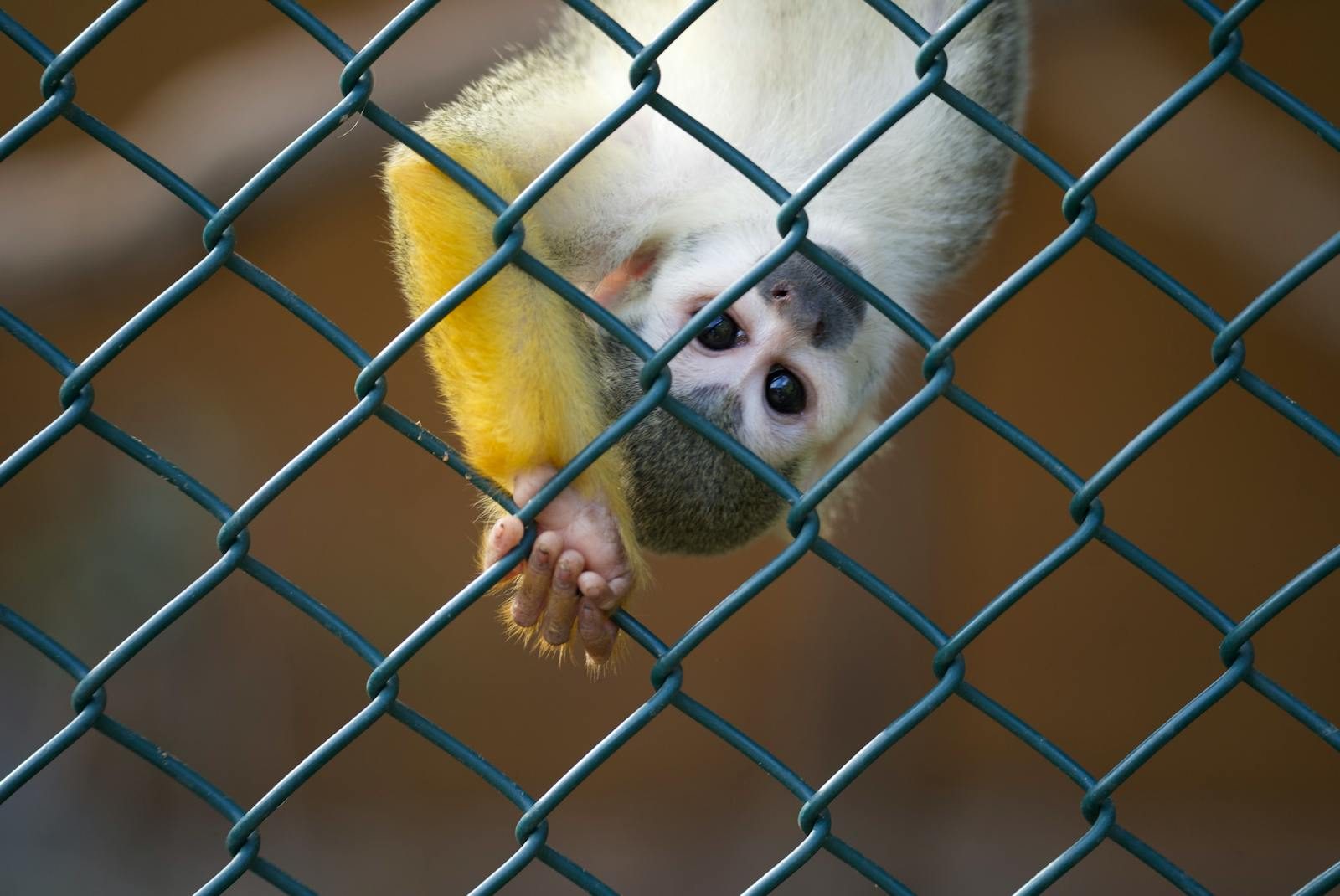
Exotic animals—from reptiles and birds to small wild mammals—can survive in captivity, but survival is not the same as thriving. Their long-term health depends heavily on how closely their captive environment matches their natural habitat.
The truth is simple: captivity can either support life or slowly break it down, depending on care, knowledge, and responsibility.
Survival Is Possible, But Conditions Matter
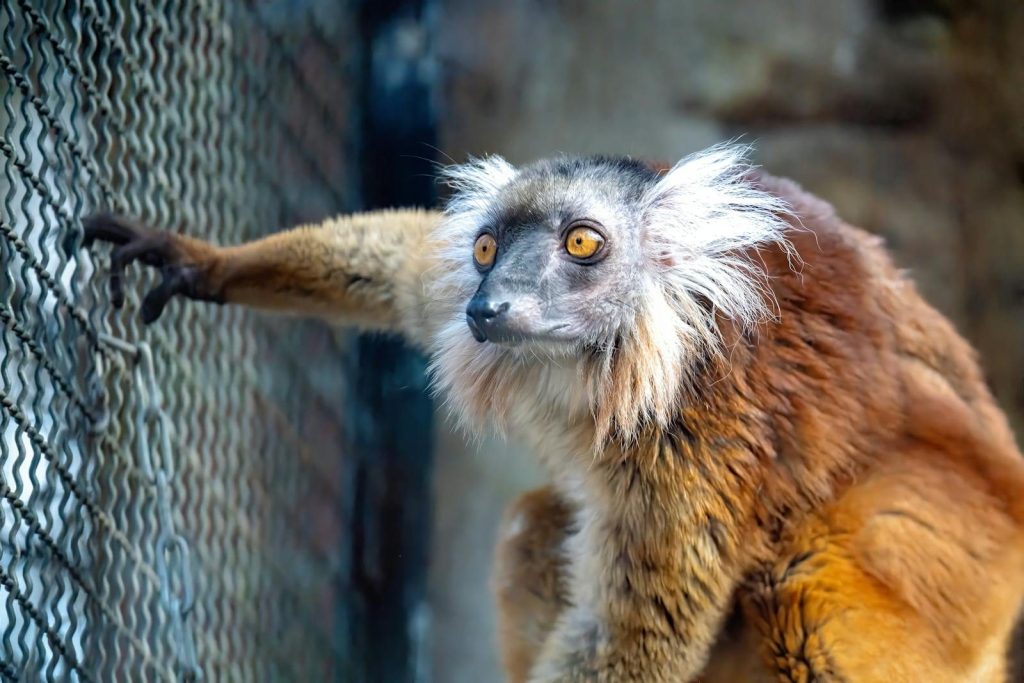
Many exotic animals do survive in captivity when their basic needs are met. This includes proper temperature, diet, space, and hygiene.
However, even small mistakes in care can create chronic stress or illness that shortens lifespan and reduces quality of life.
Natural Behavior Is Hard to Replicate
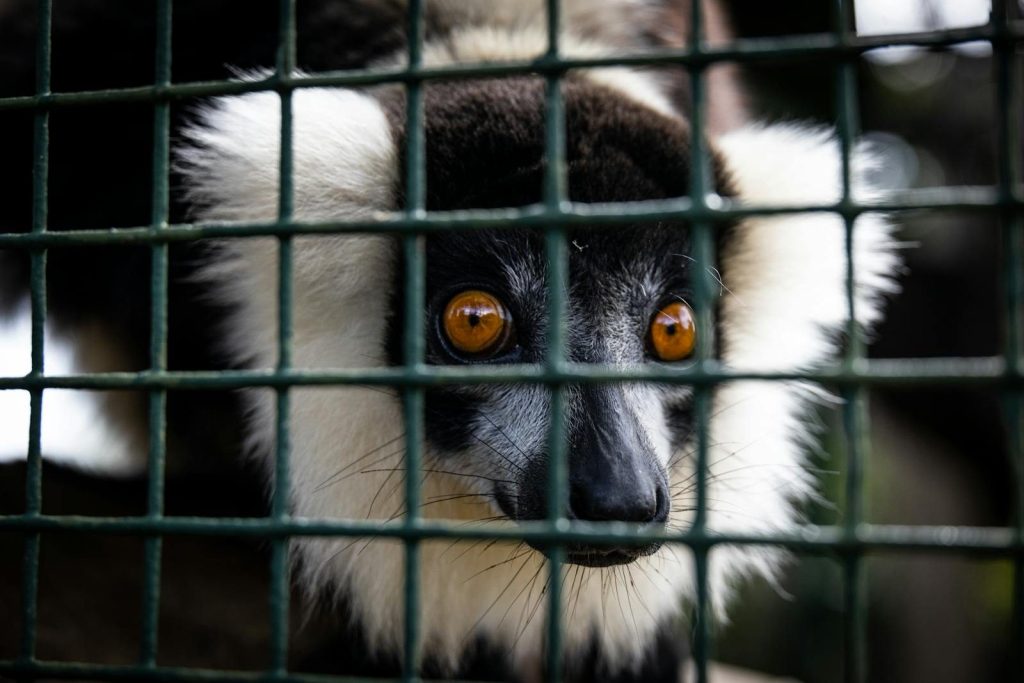
In the wild, exotic animals spend their time hunting, climbing, migrating, or exploring large territories. Captivity often restricts these behaviors.
Without proper enrichment, animals may develop repetitive actions, stress responses, or loss of appetite due to boredom and confinement.
Diet Is One of the Biggest Challenges
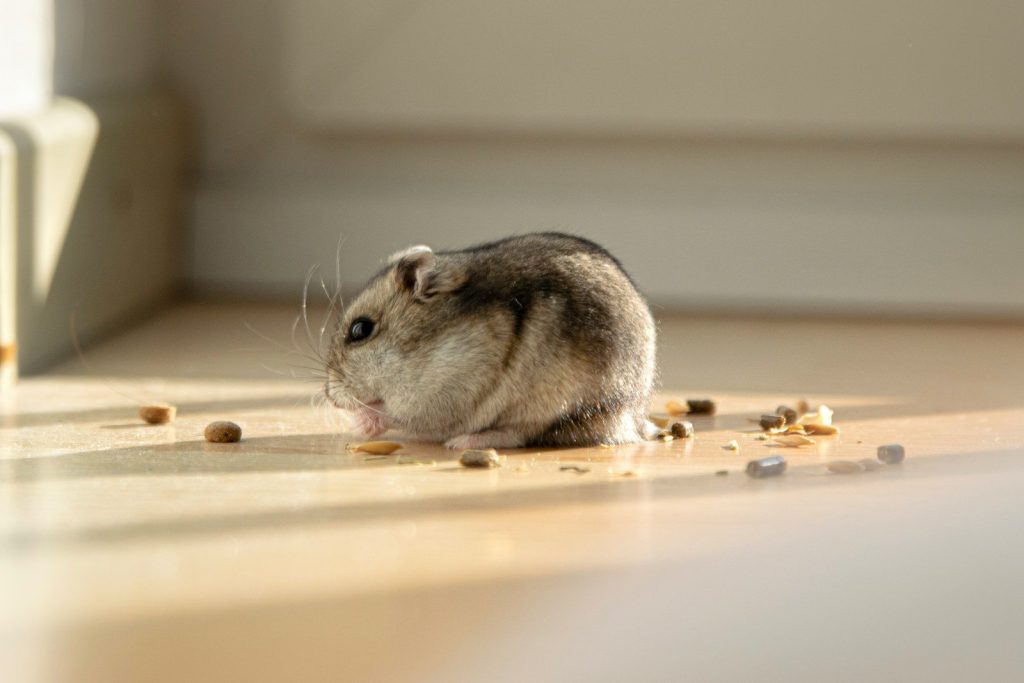
Feeding exotic animals correctly is one of the most difficult parts of captivity. Many species require very specific diets that are hard to replicate outside the wild.
Nutritional imbalance can lead to metabolic disorders, weakened immune systems, and long-term health issues.
Enclosures Must Replace Entire Ecosystems
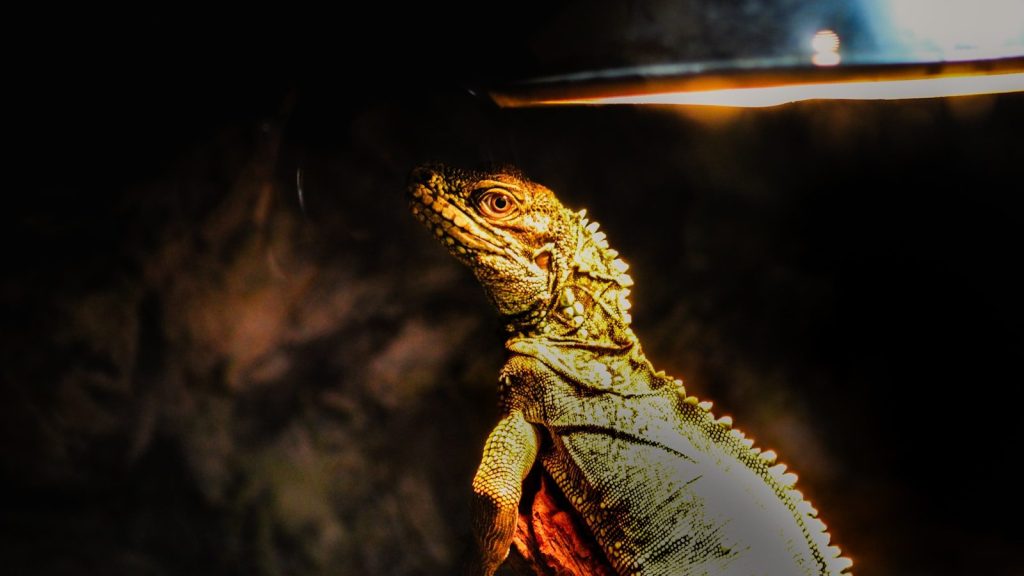
A cage or tank is not just housing, it must function like a controlled ecosystem. Temperature, humidity, lighting, and space all play a critical role in survival.
Reptiles, amphibians, and tropical species are especially sensitive to environmental changes that don’t match their natural conditions.
Stress Has a Major Impact on Health
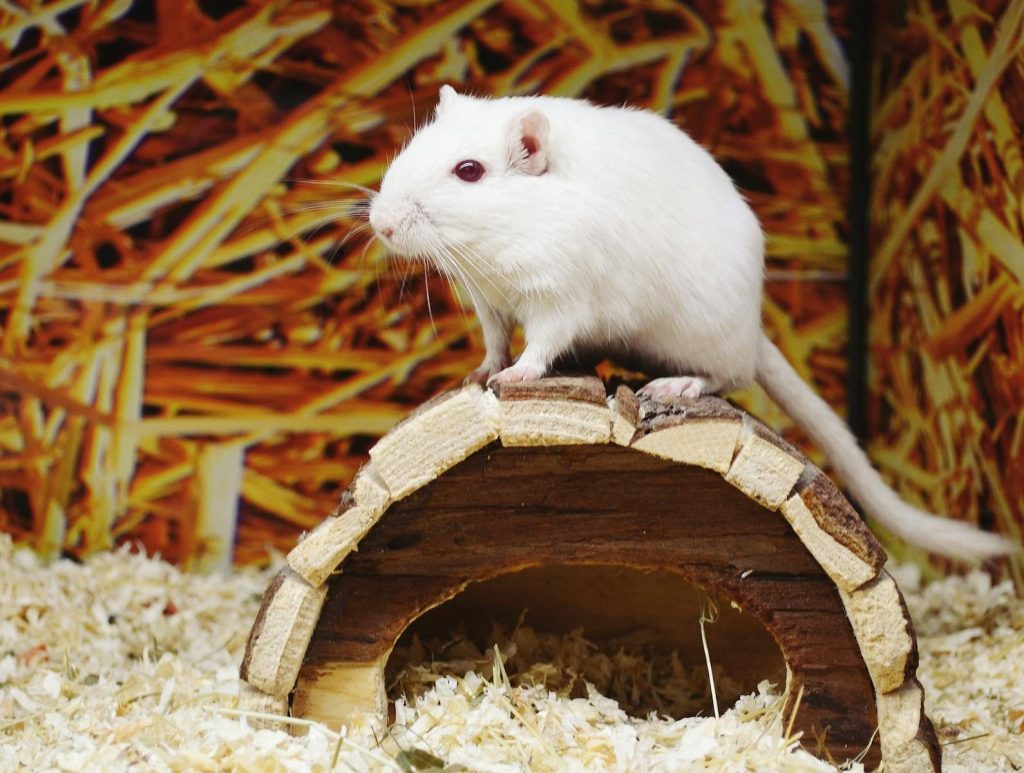
Exotic animals are often highly sensitive to stress. Loud environments, frequent handling, or improper enclosure setup can trigger long-term physiological problems.
Chronic stress weakens immune systems and makes animals more vulnerable to disease.
Veterinary Care Is Often Limited
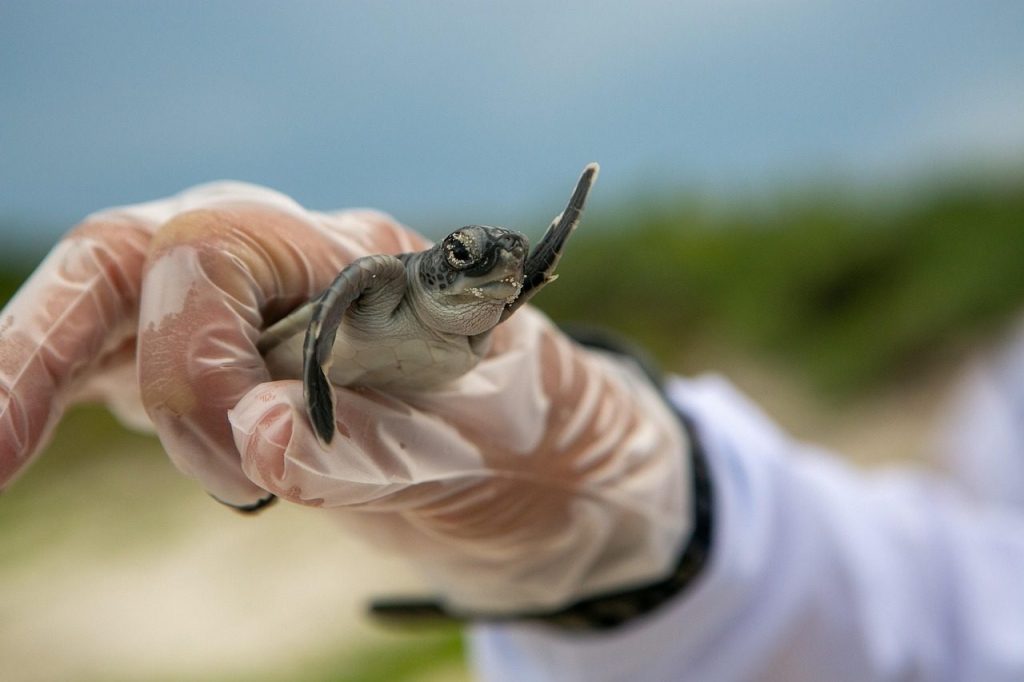
Unlike cats and dogs, exotic pets require specialized veterinary care. Not all clinics are equipped to handle their unique biology.
This makes early detection and treatment of illness more difficult, increasing risks in captivity.
Ethical Responsibility Comes Before Ownership

Keeping exotic animals is not just about fascination; it is a long-term responsibility. Some species live decades and require consistent, informed care throughout their lives.
Understanding whether an animal can truly thrive in captivity is essential before bringing it into a human environment.