Spring and early summer in the Northern Hemisphere is baby animal season, and Yellowstone National Park is no exception. As temperatures rise, many young animals begin exploring the world for the first time, creating plenty of memorable wildlife sightings for visitors.
Baby Animals Are Everywhere in Yellowstone
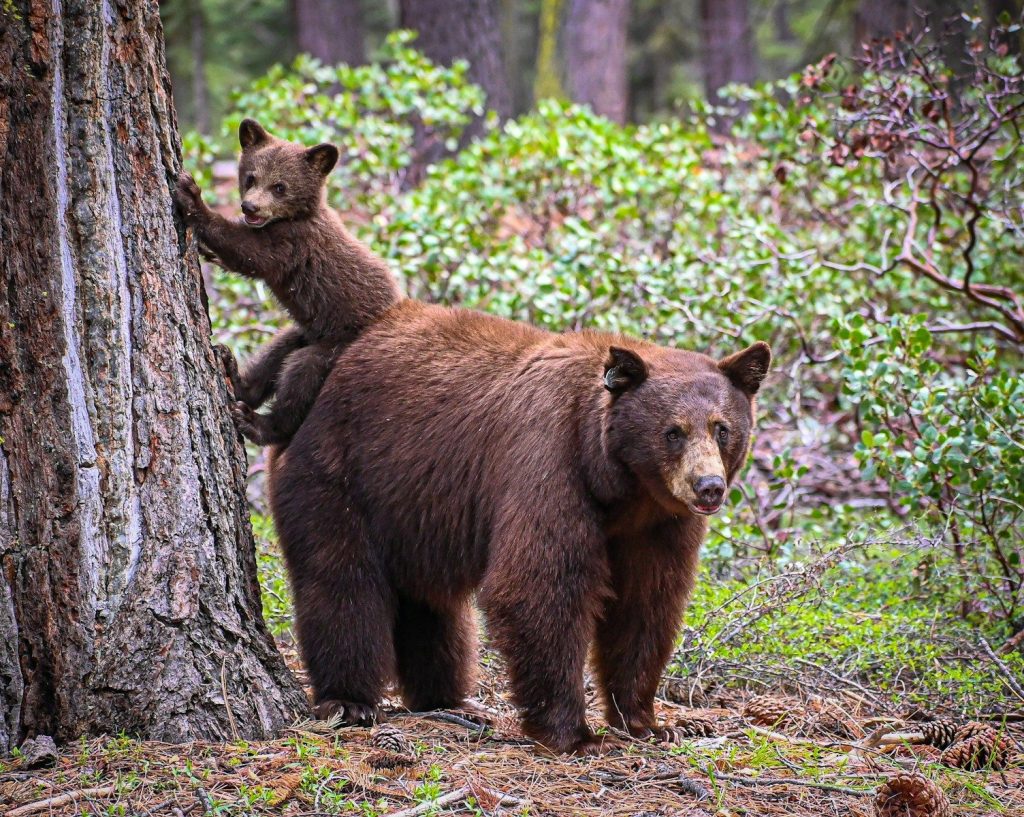
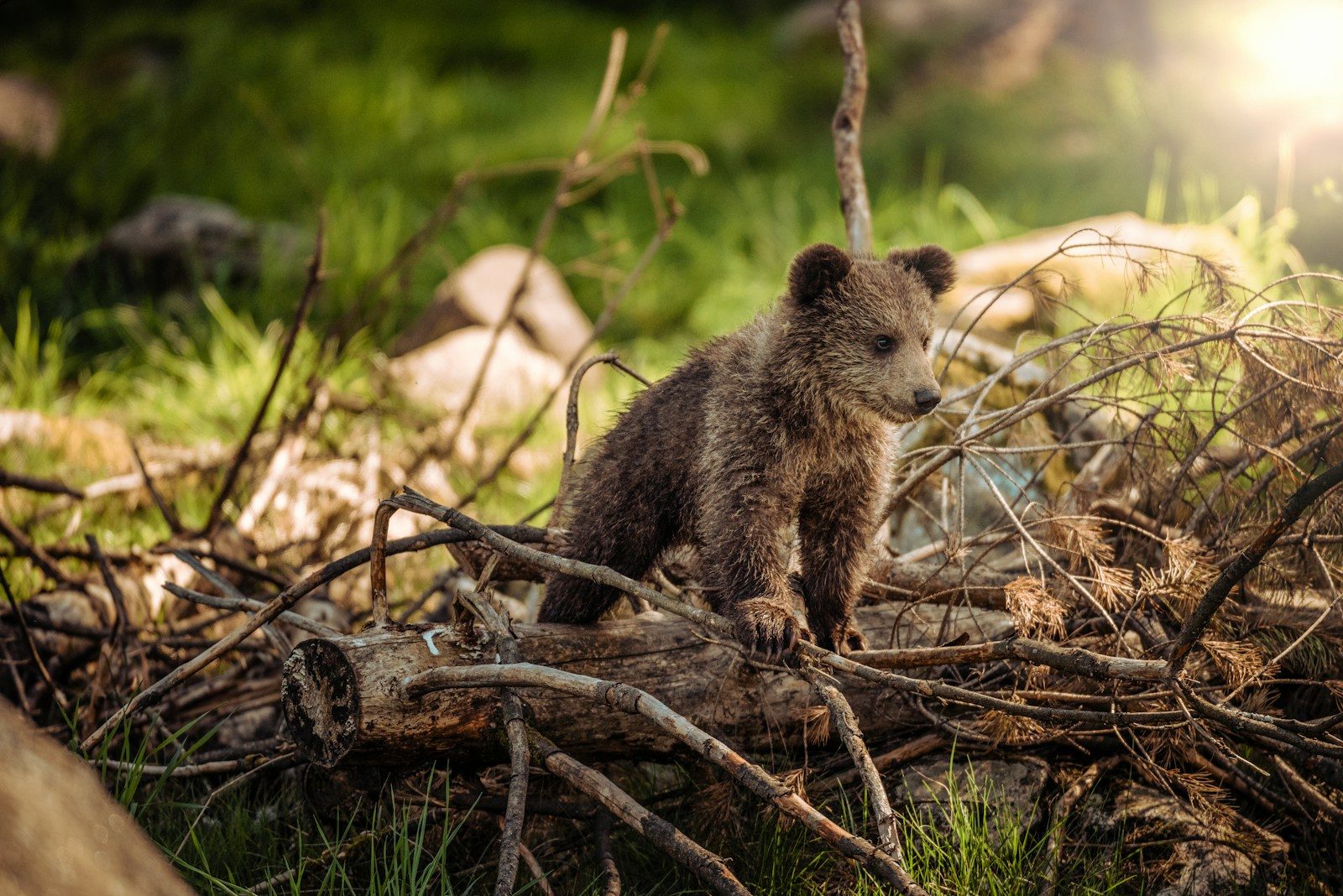
Yellowstone is home to a wide variety of wildlife, including bison, black bears, elk, moose, and pronghorns. During this time of year, visitors may spot adorable young animals such as bear cubs, elk calves, and bighorn sheep lambs.
Park officials often highlight these sightings to raise awareness about wildlife behavior. While these animals may look harmless, they are still wild and can be dangerous if approached too closely.
“Give Wildlife Room and Use a Zoom”
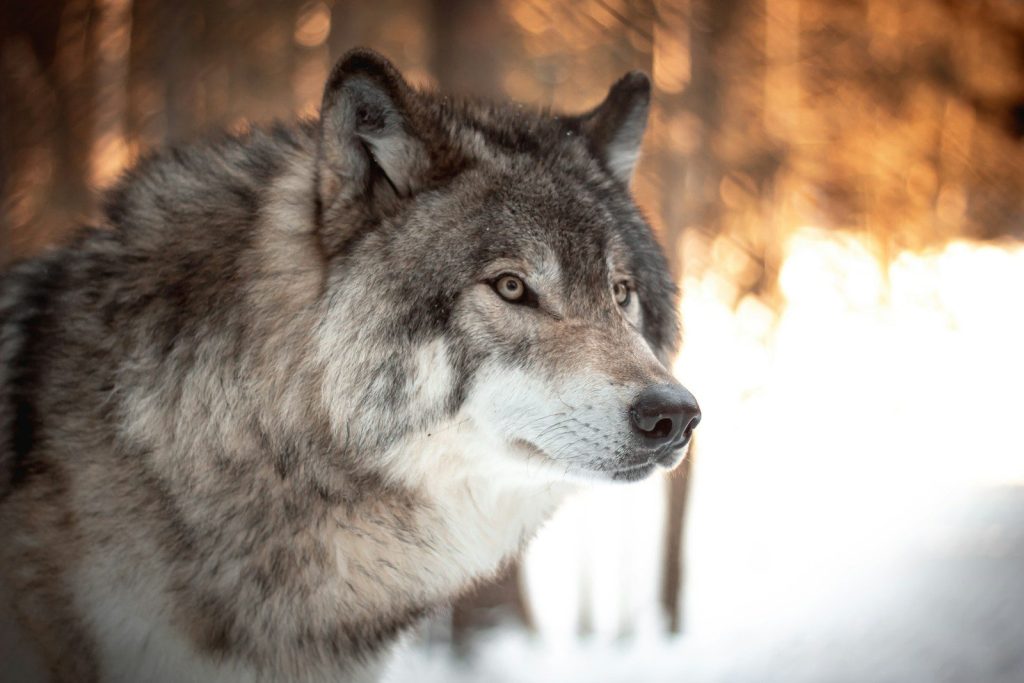
Yellowstone officials regularly remind visitors to keep a safe distance from all wildlife. The park recommends staying at least 100 yards away from predators like bears, wolves, and cougars.
For other animals such as bison and elk, a minimum distance of 25 yards is required. Instead of approaching, visitors are encouraged to use binoculars or camera zoom lenses to observe animals safely.
Why Distance Matters for Safety
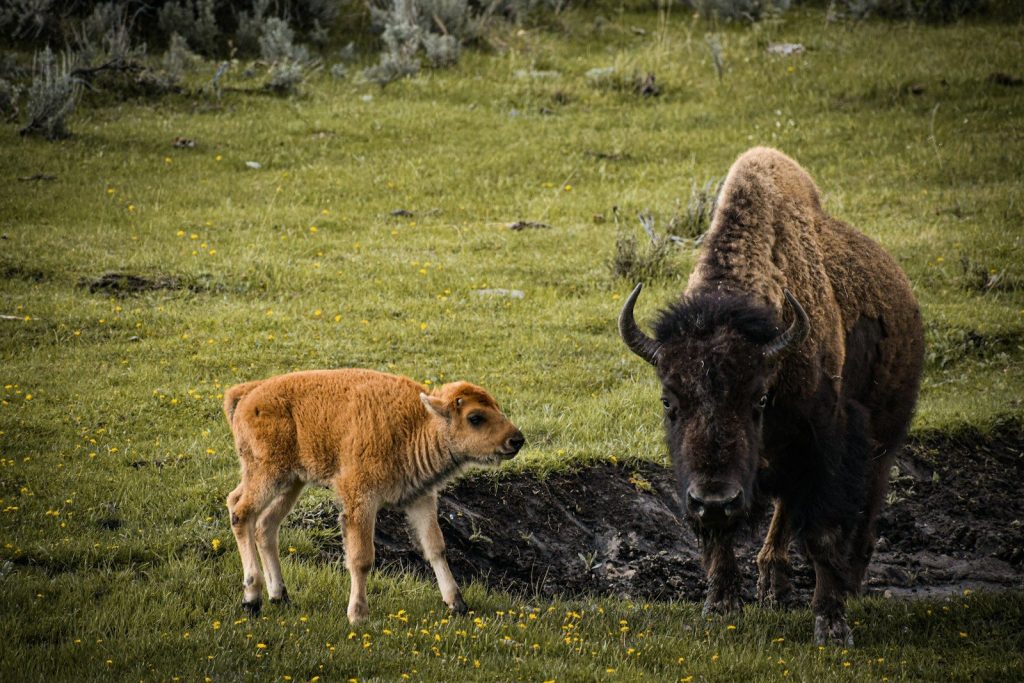
Even young animals can behave unpredictably when they feel threatened. Parent animals, especially bears and bison, can become highly defensive if they sense humans nearby.
Maintaining distance helps protect both visitors and wildlife. It also reduces the chance of disturbing natural behaviors such as feeding, resting, or caring for young.
Not All Baby Animals Should Be Left Alone
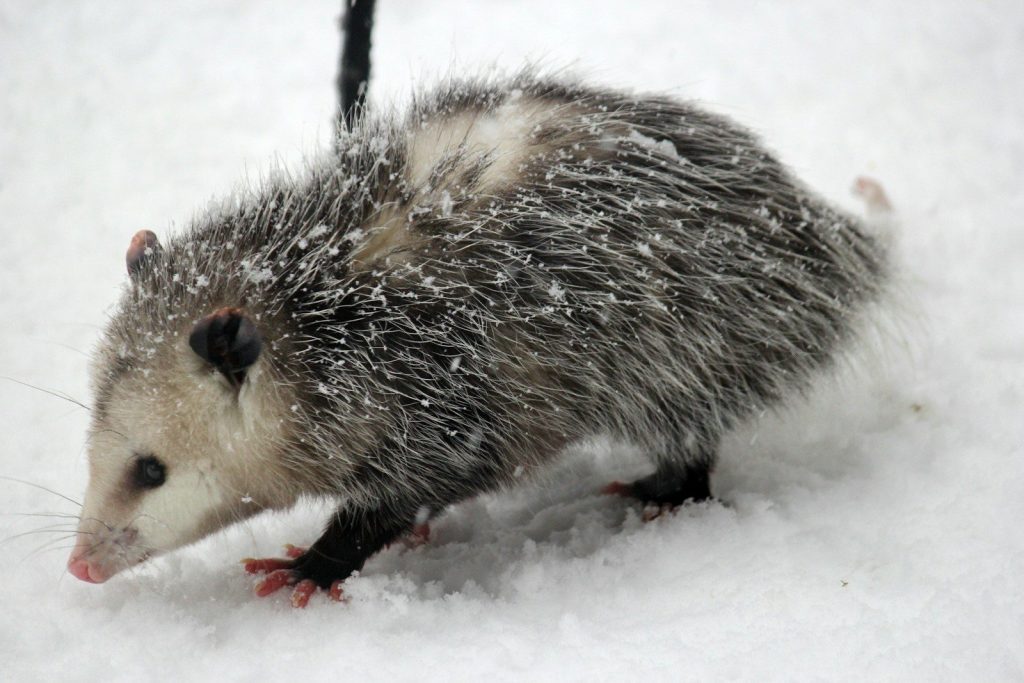
In some cases outside of national parks, baby animals may appear abandoned when they are actually not. Wildlife experts note that species like opossums and squirrels sometimes leave young temporarily or lose them during movement.
However, intervention should only happen when absolutely necessary and under expert guidance. Most wildlife agencies recommend contacting a licensed rehabilitator before taking any action.
When Human Help May Be Needed
Baby opossums are especially vulnerable because mothers may not always return after separation. If a young opossum is found alone, wildlife professionals often advise contacting a rehab center immediately.
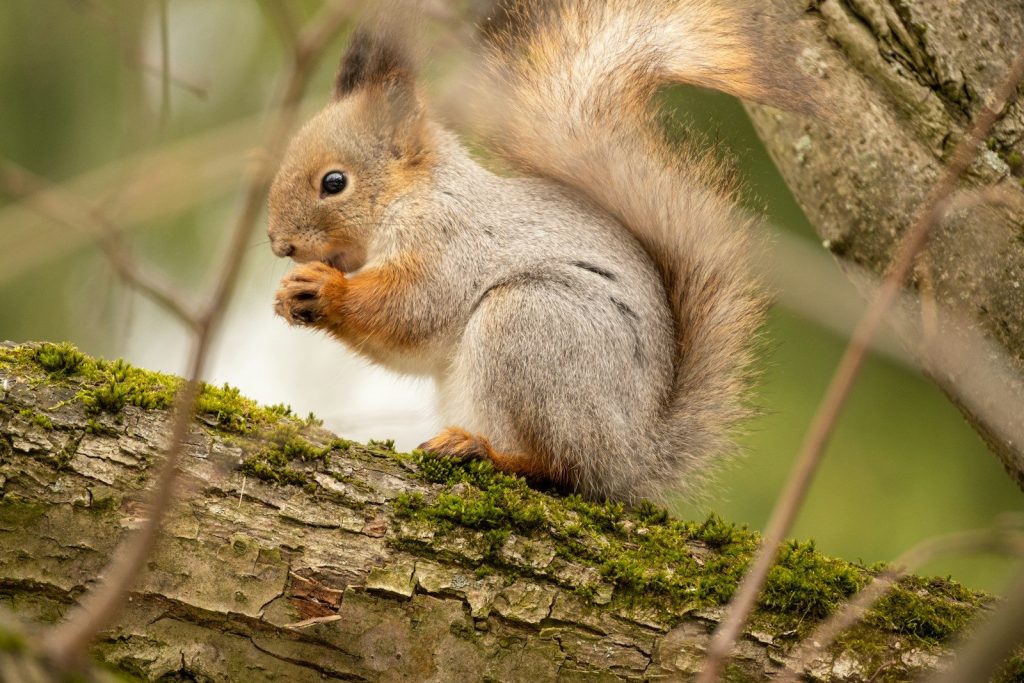
Squirrels may also fall from nests, but reuniting them with their mother is sometimes possible if done carefully. Experts emphasize that timing and proper handling are critical in these situations.
Why You Should Never Approach Wild Babies
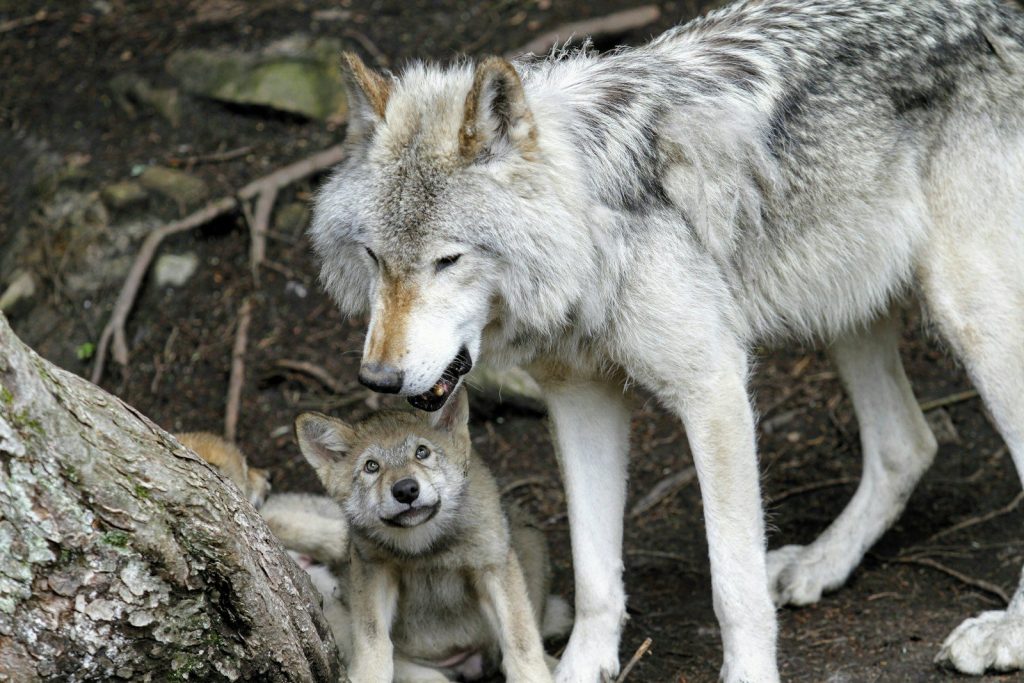
Even though baby animals often appear harmless or “cute,” they are still part of the wild ecosystem. Approaching them can stress the animal or trigger defensive behavior from nearby adults.
Park rangers strongly warn against touching or attempting to “rescue” wildlife inside national parks. In many cases, the best action is simply observing from a safe distance.
Enjoy Wildlife the Right Way
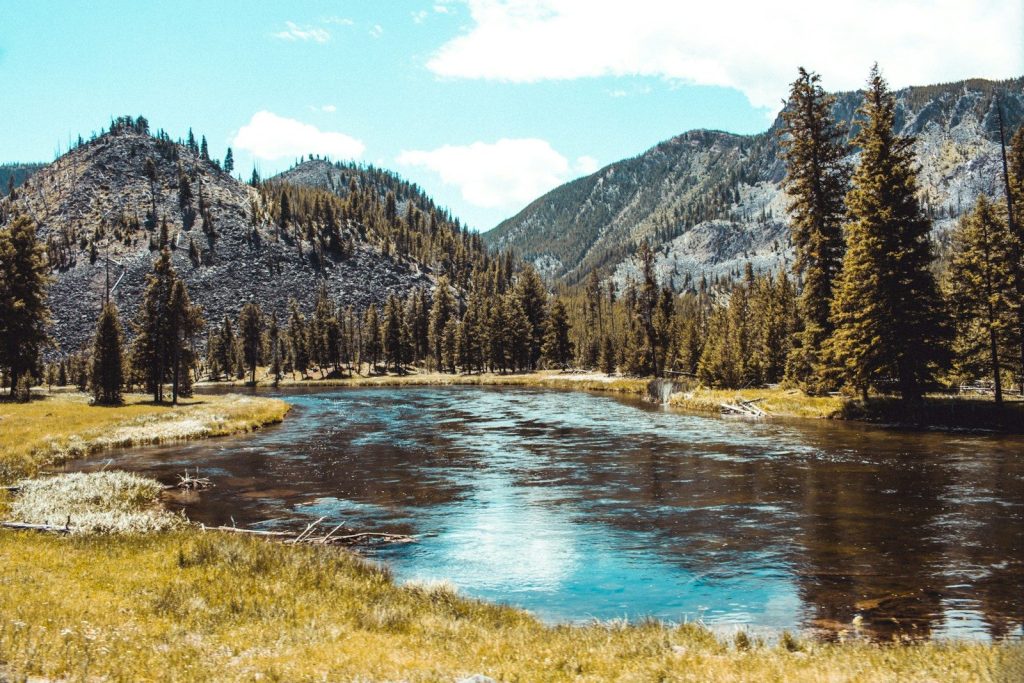
Seeing baby animals in Yellowstone is one of the most rewarding parts of visiting the park. With proper distance and respect, visitors can safely enjoy these rare and beautiful moments.
Wildlife thrives best when humans allow nature to take its course. Using a zoom lens instead of getting closer helps ensure both safety and preservation of these incredible animals.