Florida is famous for beaches, swamps, and tropical wildlife, but hidden beneath the beauty are some of the most venomous creatures in North America. From deadly snakes to toxic marine animals, the state’s warm climate creates the perfect environment for dangerous species to thrive.
Most encounters are rare, but when they happen, they can become serious very quickly. Knowing which creatures to avoid is essential for anyone exploring Florida’s forests, wetlands, or coastlines.
The Eastern Diamondback Rattlesnake

The eastern diamondback rattlesnake is considered Florida’s most dangerous venomous snake. It is the largest rattlesnake in North America and can inject a massive amount of venom in a single bite.
These snakes are usually found in dry forests, coastal dunes, and grassy habitats. Despite their deadly reputation, they typically avoid humans unless threatened.
Coral Snakes and Their Powerful Neurotoxin

Florida’s eastern coral snake carries highly potent neurotoxic venom that attacks the nervous system. Its bright red, yellow, and black bands make it one of the most recognizable snakes in the state.
Unlike rattlesnakes, coral snakes are secretive and less aggressive. However, a bite can become life-threatening without rapid medical treatment.
Cottonmouths in Florida’s Wetlands

Cottonmouths, also called water moccasins, are venomous pit vipers commonly found near swamps, ponds, and marshes. Their defensive posture and white open mouth make them instantly intimidating.
Their venom destroys tissue and causes severe pain, although fatalities are uncommon with proper treatment.
Black Widow Spiders Hidden in the Shadows

Black widow spiders are among Florida’s most feared arachnids. Their venom affects the nervous system and can cause intense pain, muscle cramps, and severe reactions.
They prefer dark sheltered places such as garages, woodpiles, and sheds, making accidental encounters surprisingly common.
Venomous Marine Creatures Along the Coast
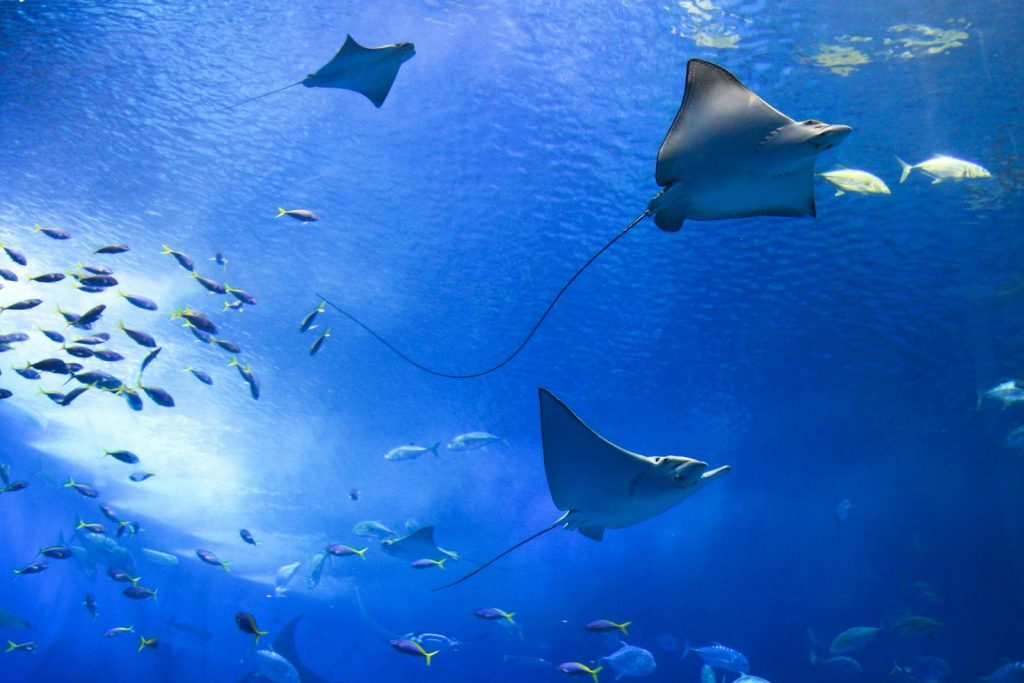
Florida’s waters contain dangerous marine animals including stingrays, lionfish, jellyfish, and venomous catfish. Many injuries happen when swimmers accidentally step on hidden creatures underwater.
Some marine venom causes extreme pain, while others can trigger dangerous allergic reactions or paralysis.
Scorpions and Painful Stings

Florida is home to several scorpion species, though most are not deadly to healthy adults. Their stings can still cause severe pain, swelling, and numbness.
Scorpions often hide under rocks, bark, or inside homes, especially in warm and humid environments.
Why Florida Supports So Many Venomous Animals

Florida’s tropical climate, wetlands, and dense ecosystems create ideal habitats for venomous species. Warm temperatures allow reptiles, insects, and arachnids to remain active throughout much of the year.
As cities continue expanding into natural habitats, encounters between humans and venomous wildlife are becoming increasingly common.