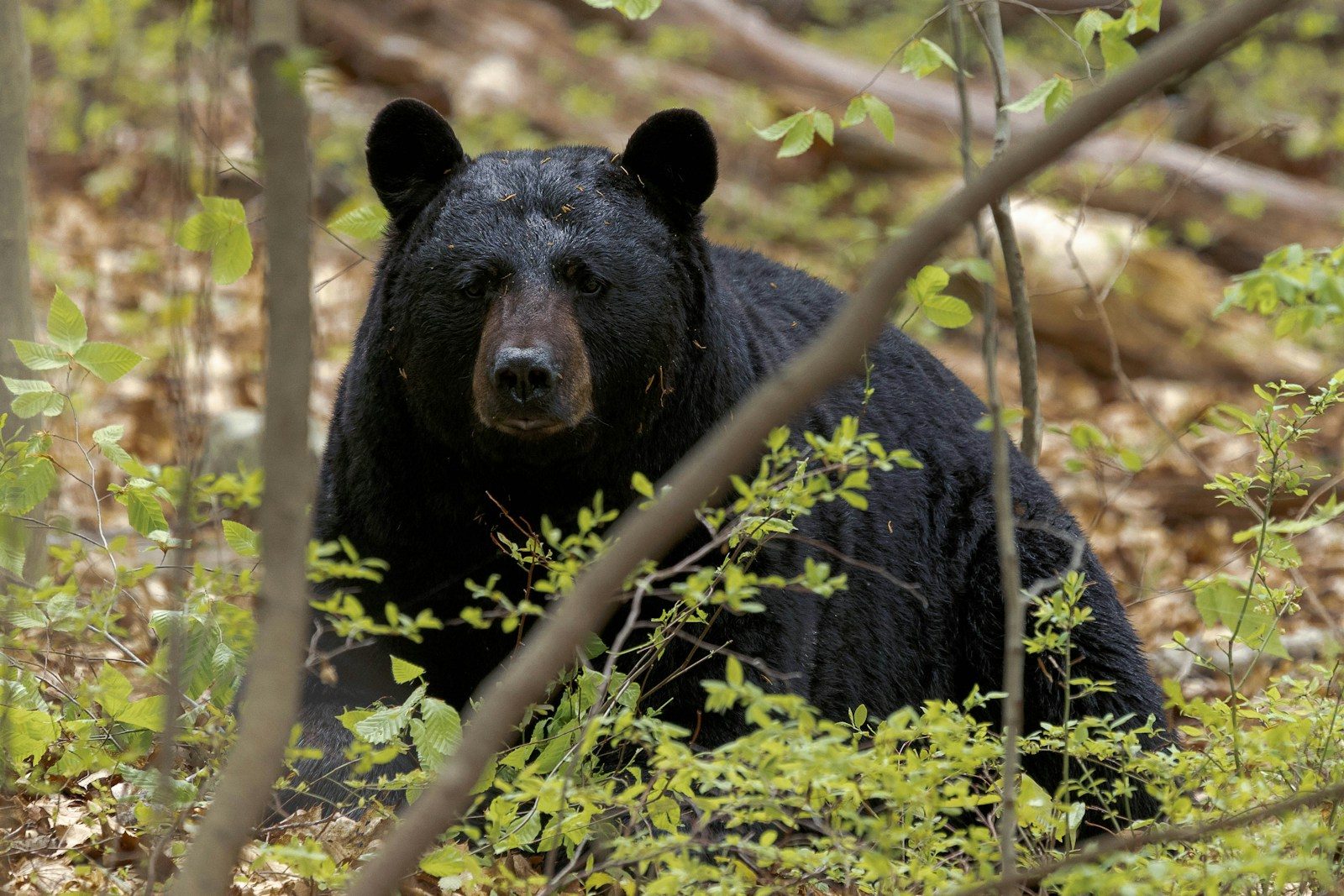
Black bear hunting is one of the most challenging and rewarding big game pursuits in North America. Unlike deer hunting, it requires a deeper understanding of complex regulations, baiting laws, and animal behavior that changes dramatically across regions.
From baited setups to hound-assisted hunts and traditional spot-and-stalk methods, success depends on preparation, patience, and respect for the animal’s intelligence and strength.
Black Bear: A Powerful and Widespread Game Animal
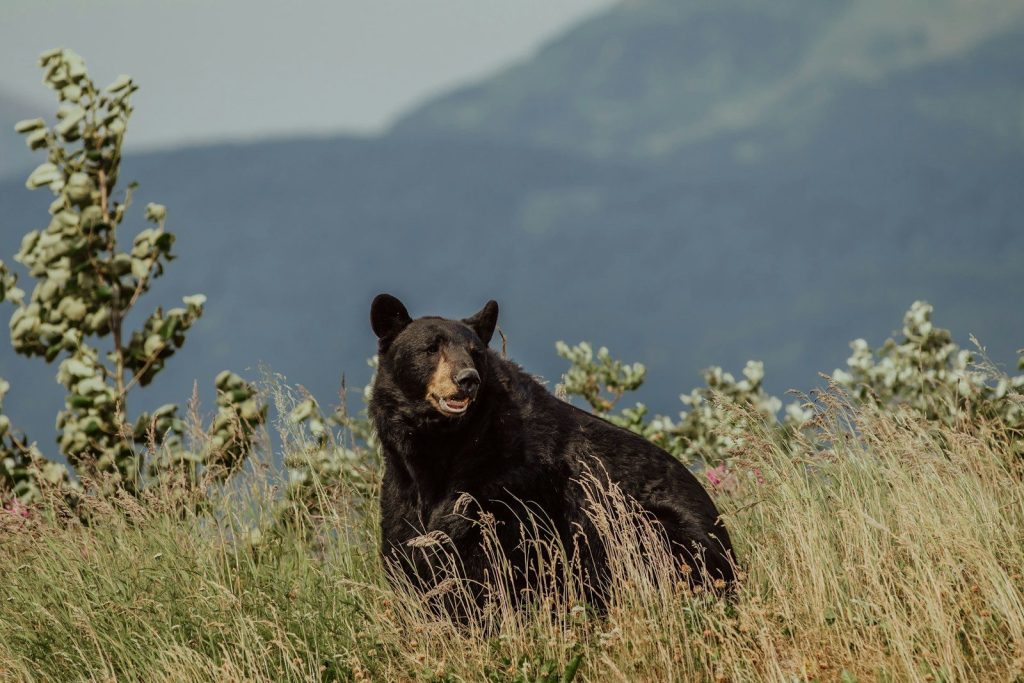
The American black bear is the most widely distributed bear species in North America, found across forests, mountains, and wetlands. With populations rebounding in many regions, hunting opportunities have increased significantly.
Despite their abundance, black bears remain highly intelligent and cautious animals, making them a challenging target even in well-managed hunting areas.
Understanding Bear Behavior and Movement
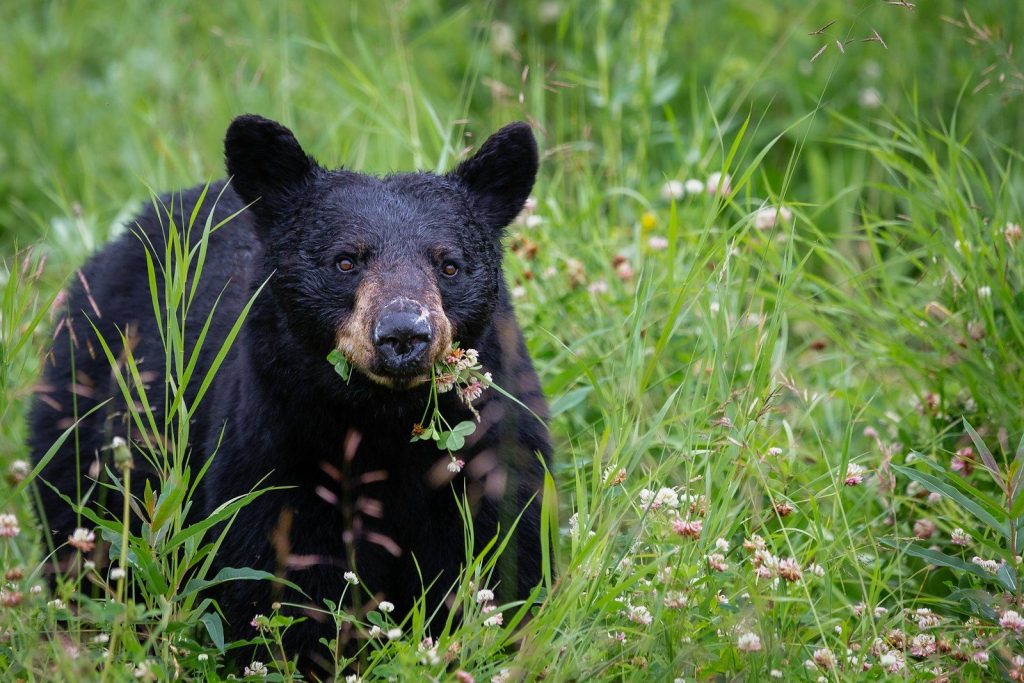
Black bears are driven primarily by food and seasonal patterns. Their movements often follow natural food sources such as berries, nuts, insects, and carrion.
Hunters who understand these patterns can predict travel routes, feeding times, and bedding areas more effectively than those relying on chance encounters.
Baiting Strategies Where Legal
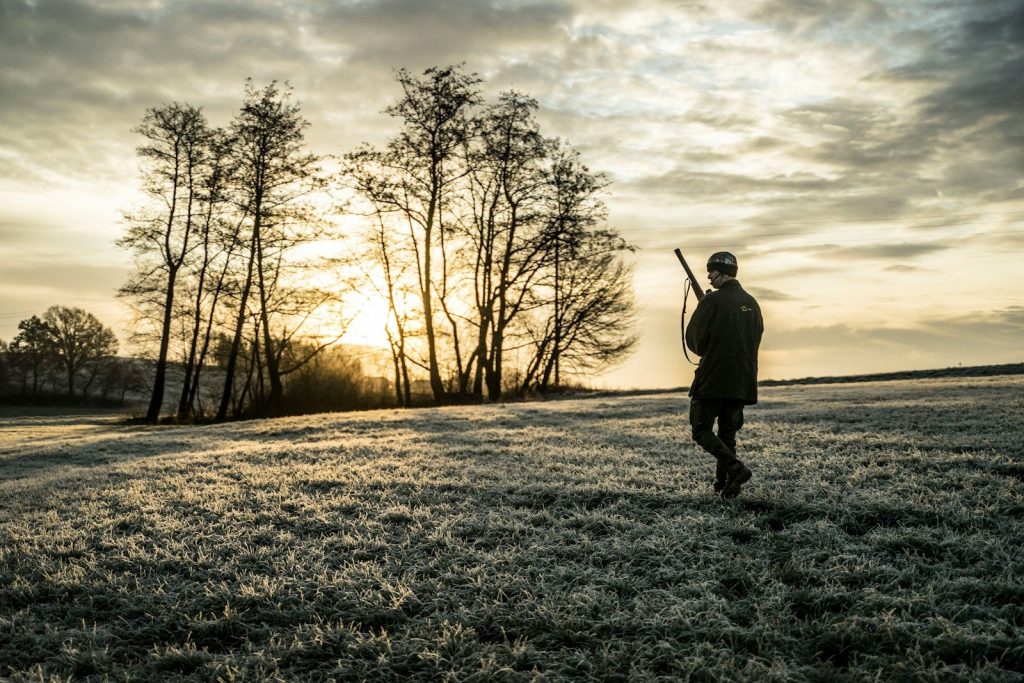
In many regions, baiting is used to attract bears to a controlled hunting location. Regulations vary widely, and hunters must follow strict state or provincial rules before setting bait.
Successful bait sites are placed in areas with natural cover, predictable wind direction, and clear shooting lanes to ensure safe and ethical opportunities.
Choosing Effective Bear Bait
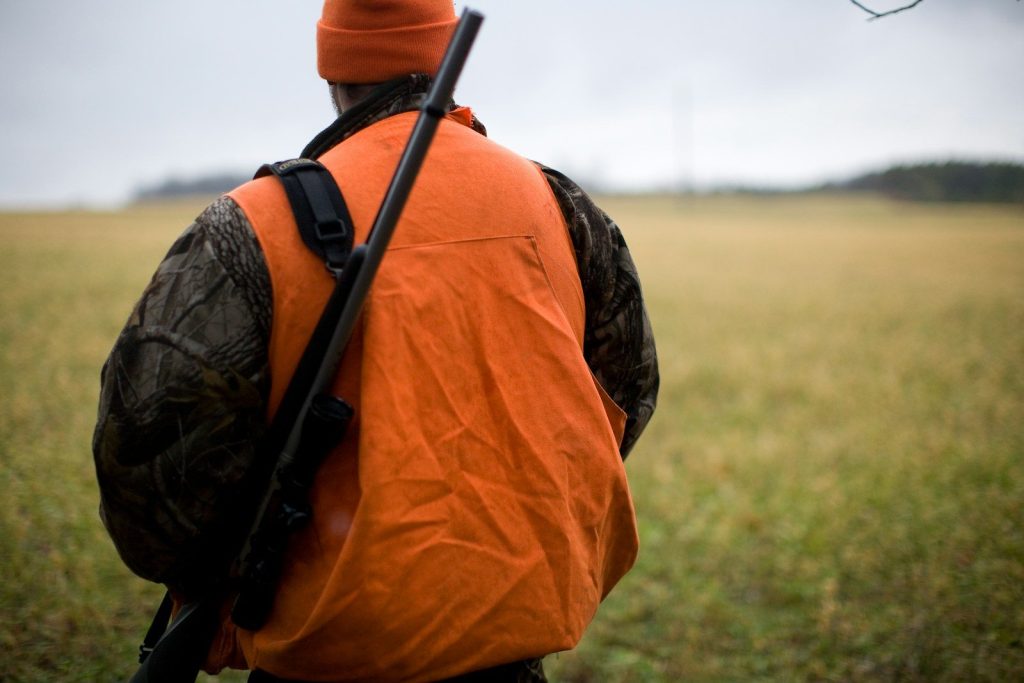
Bears rely heavily on their sense of smell, which is extremely powerful compared to most animals. This makes scent-based baiting highly effective when done correctly.
Common bait combinations include sweet attractants, fats, baked goods, and strong-smelling food sources layered to create long-lasting scent trails.
The Role of Scent and Stealth
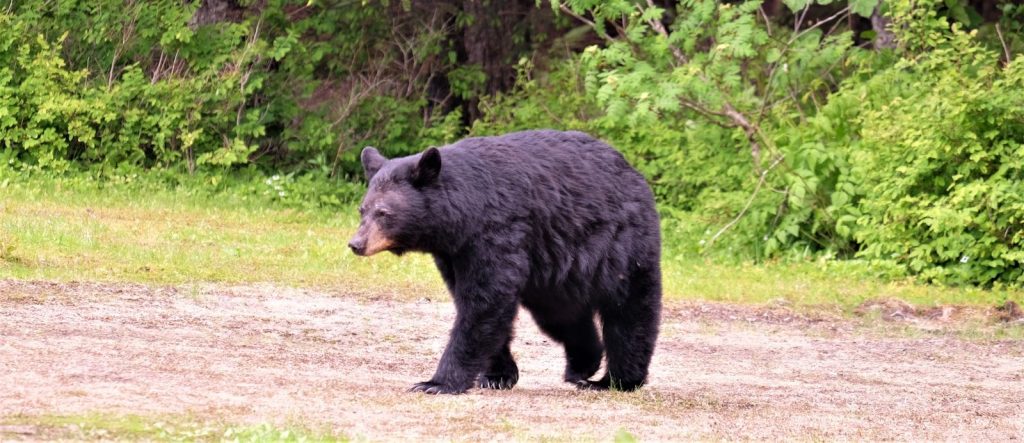
Human scent is one of the biggest reasons bear hunts fail. Bears quickly learn to avoid areas where they detect danger or human presence.
Hunters must minimize scent contamination through careful movement, clean gear, and limited disturbance around bait sites or travel routes.
Hound Hunting Techniques
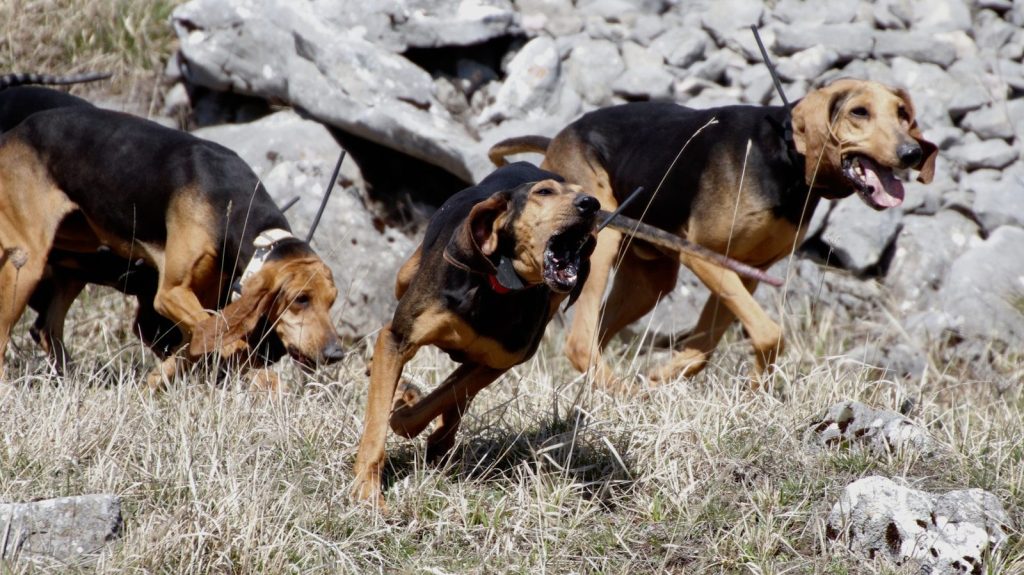
In some regions, trained hounds are used to track and tree bears. This method relies on dogs following scent trails until the bear is located and held in place.
Hound hunting requires experience, coordination, and strong control over working dogs in rugged terrain, making it a specialized form of hunting.
Shot Placement and Ethical Considerations
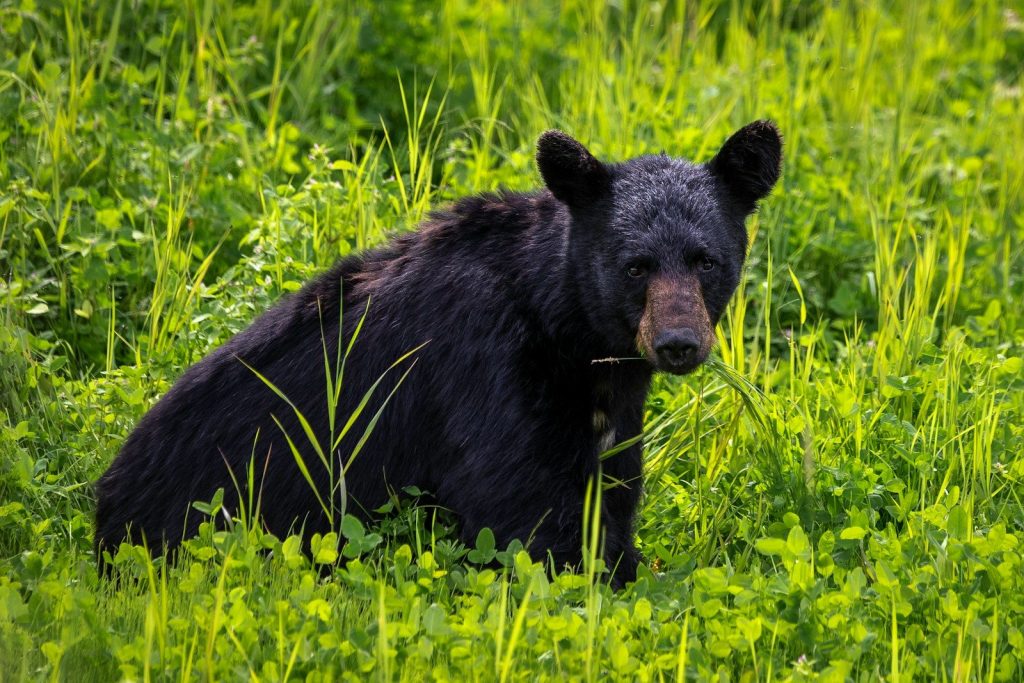
Black bears have thick fur, heavy bone structure, and dense muscle, making proper shot placement critical. Ethical hunters aim for clean, effective shots that ensure quick recovery.
Understanding anatomy and choosing the right angle is essential for both safety and humane harvesting.
Meat Care and Field Processing
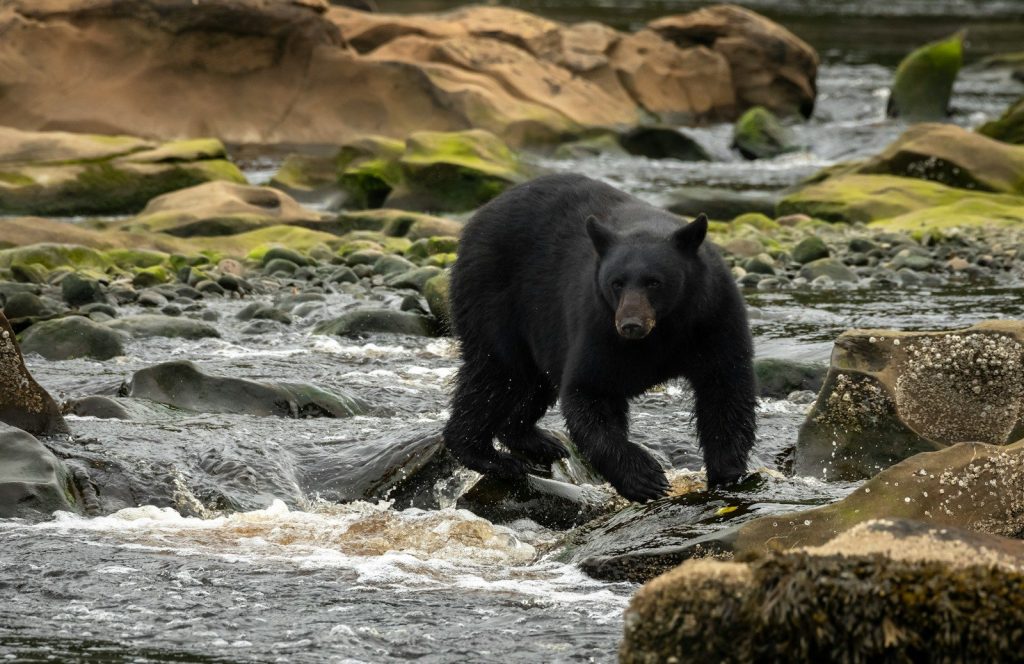
Bear meat requires careful handling immediately after the harvest. Proper cooling, cleaning, and storage are essential to preserve quality and prevent spoilage.
When handled correctly, bear meat is rich, flavorful, and often compared to high-quality pork, making it a valuable part of the hunt.