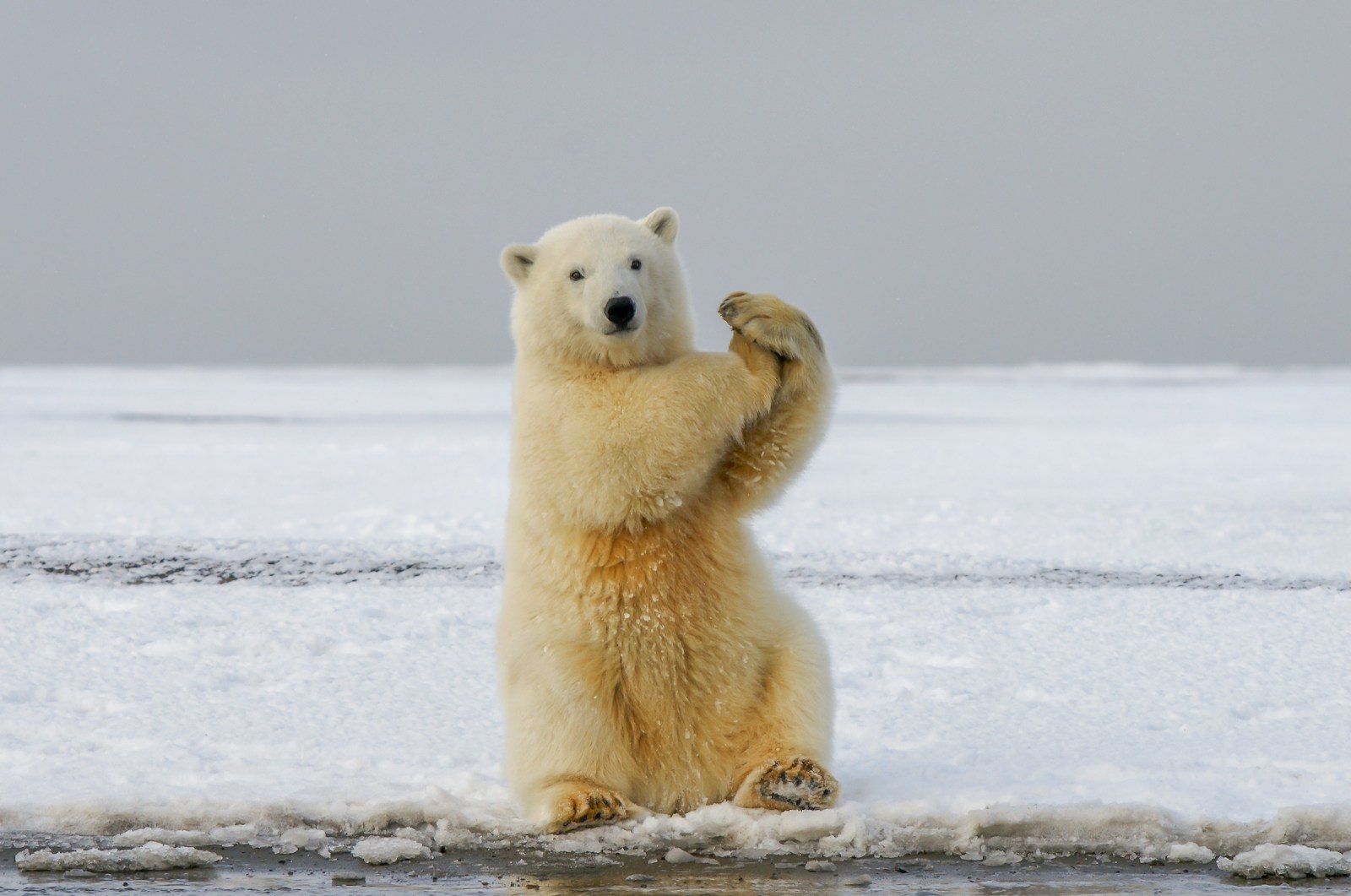
Polar bears are facing one of the fastest-changing environments on Earth as Arctic sea ice continues to shrink. Since sea ice is their primary hunting platform for catching seals, scientists have long warned that declining ice would seriously threaten their survival. However, recent research shows a more complex picture, with some populations continuing to maintain stable or even healthy body conditions despite these changes.
A surprising level of resilience in some regions
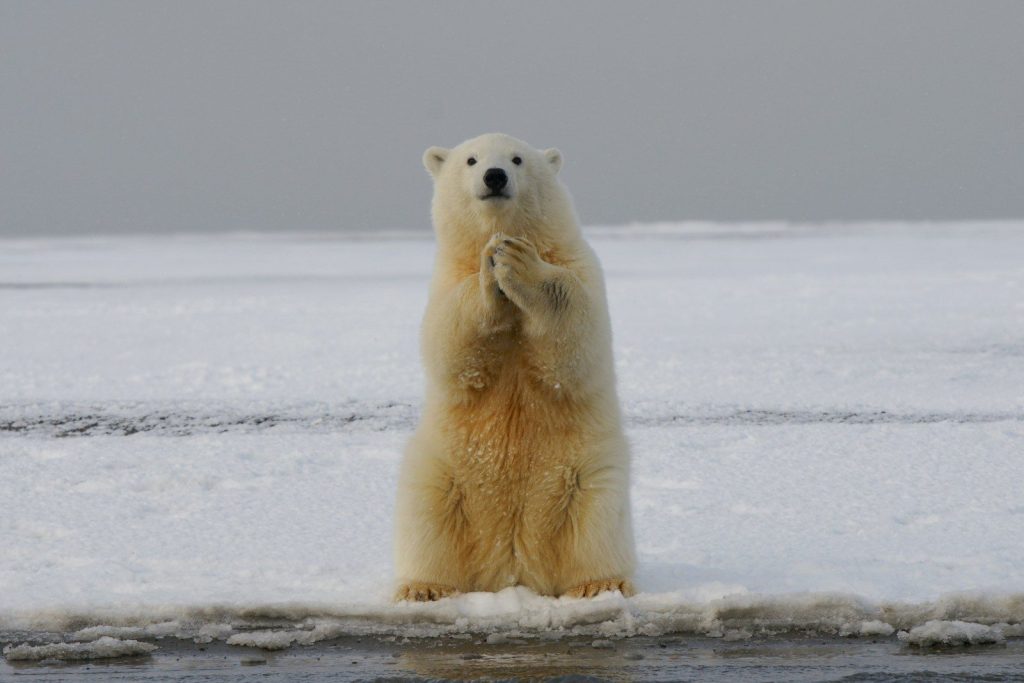
In parts of the Arctic such as Svalbard, researchers have observed that polar bears are not declining as quickly as expected. Long-term studies tracking hundreds of bears over several decades found that many adults are still able to build up fat reserves and successfully raise cubs, even as the ice-free season has grown longer.
This suggests that certain populations may be adapting better than previously thought, at least in the short term.
How polar bears are adapting to changing ice
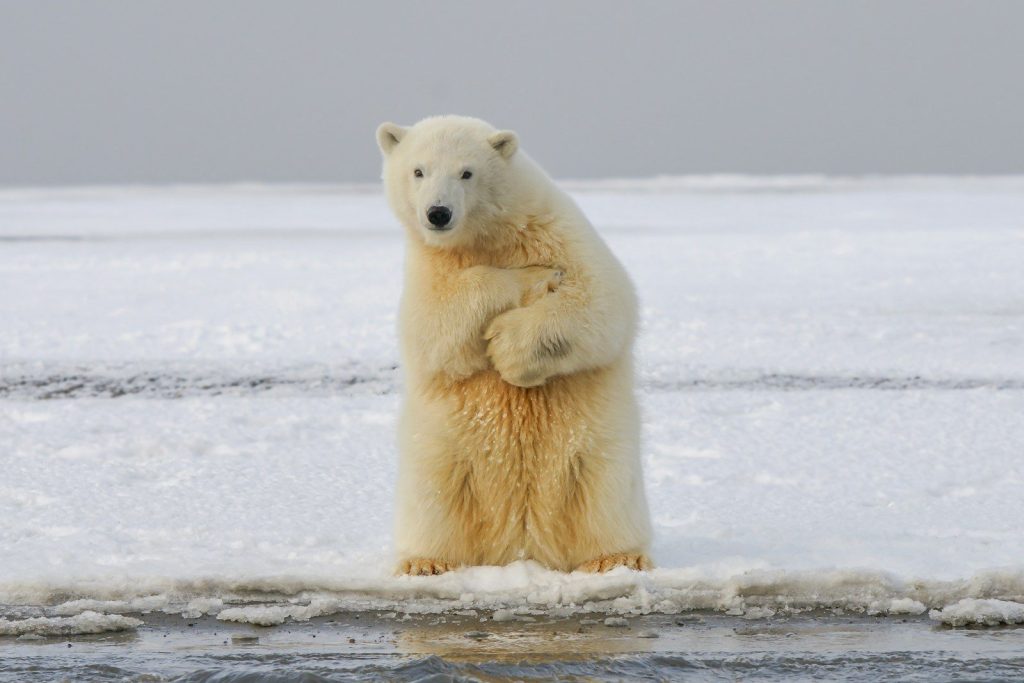
One reason for this resilience is behavioral flexibility. Some bears are adjusting their hunting strategies and diet when sea ice is limited. Instead of relying solely on seals from the ice, they may spend more time on land and consume alternative food sources such as bird eggs, scavenged carcasses, or terrestrial prey when available.
These changes can help them survive temporary food shortages, but they are not a perfect substitute for their high-fat marine diet.
Not all populations are doing equally well
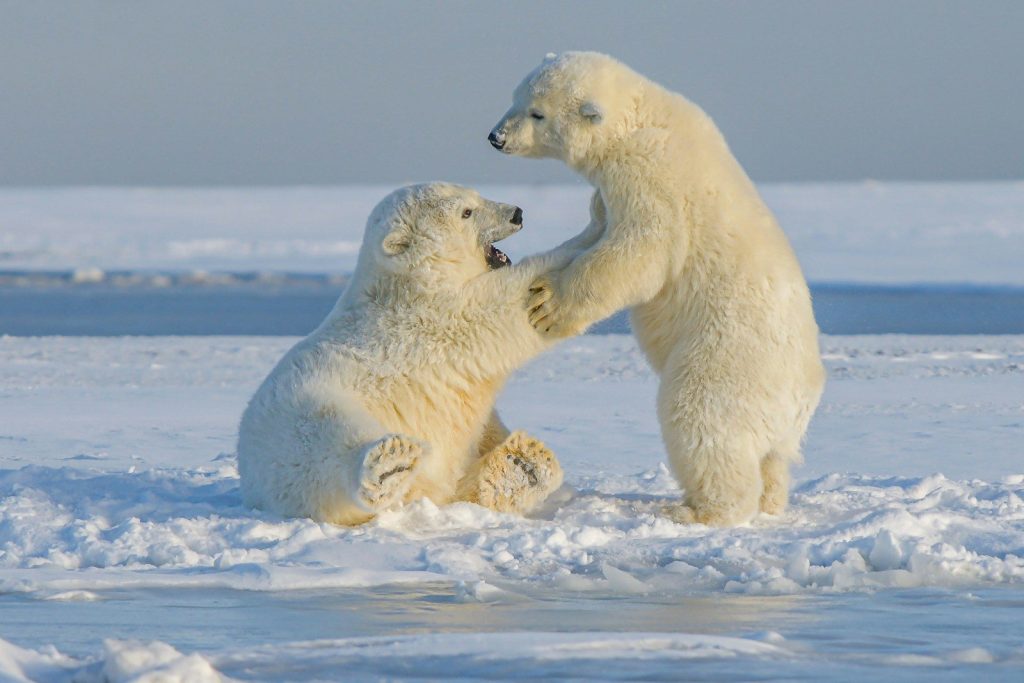
While some groups appear stable, others are still in decline. Polar bear subpopulations in areas with severe ice loss are struggling with reduced hunting opportunities, lower reproduction rates, and declining body condition.
This uneven trend shows that polar bear survival depends heavily on local environmental conditions, not just overall Arctic averages.
Why sea ice loss remains the biggest threat
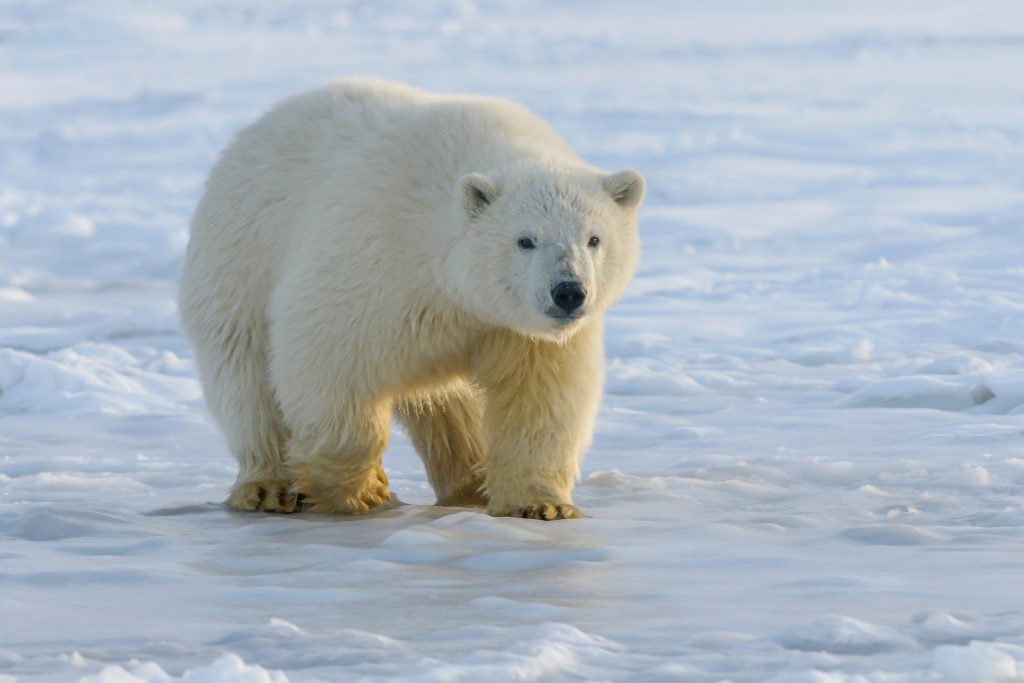
Even with signs of adaptation, scientists emphasize that shrinking sea ice remains the central threat to polar bears. Sea ice is essential for hunting seals, especially during critical feeding periods when bears build fat reserves for survival and reproduction.
Without enough ice, bears are forced to travel longer distances, expend more energy, and spend more time on land where food is less reliable.
Healthier bears now, uncertain future ahead
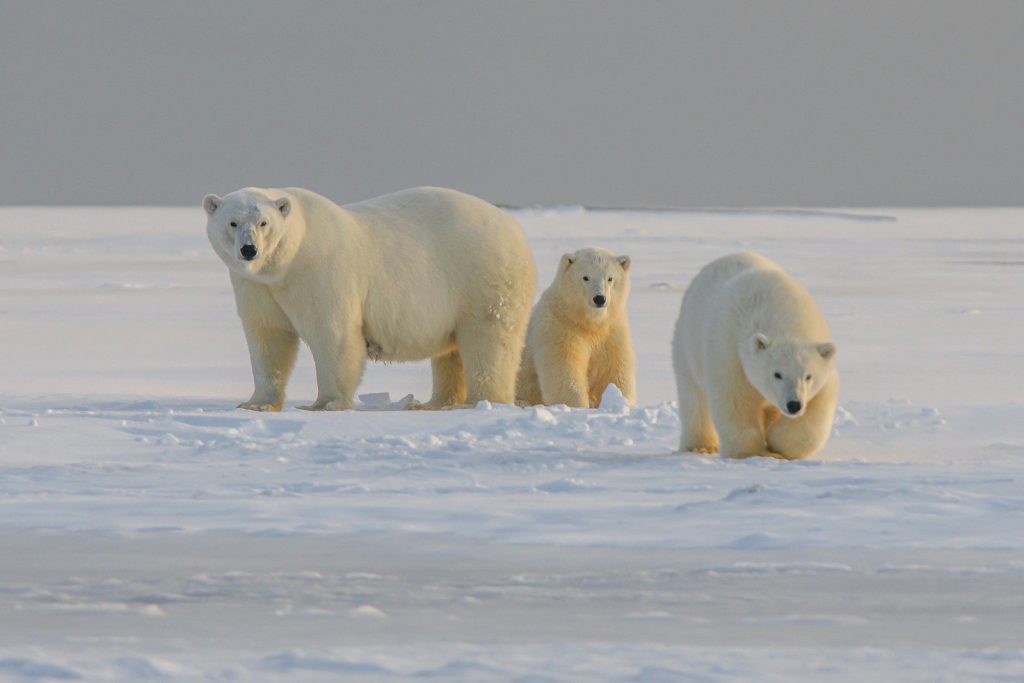
Some studies suggest that polar bears in certain regions may currently be maintaining good physical condition, and in rare cases even gaining weight. However, researchers caution that this does not mean the species is safe. These improvements may be temporary and could reverse if ice loss continues at the same pace.
Conservation concerns remain
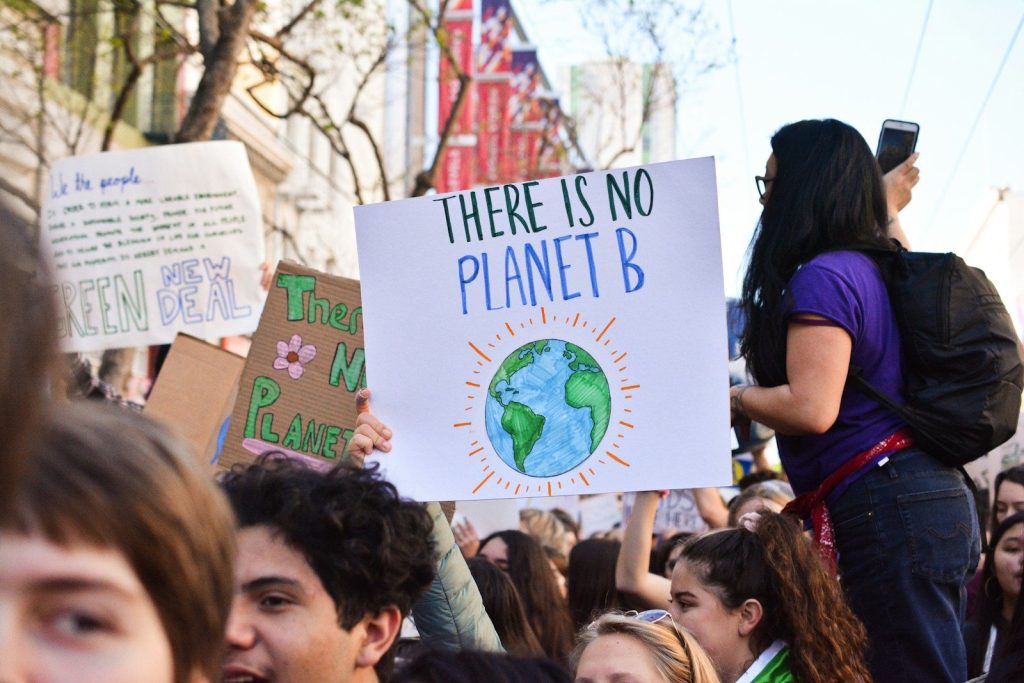
Polar bears are still classified as a vulnerable species, and global population trends remain uncertain. Scientists continue to monitor changes closely, as future projections suggest significant declines could occur if Arctic warming continues.