Deep in the Lusatian Mountains along the Czech-German border, something extraordinary appeared on a wildlife camera trap: a European wildcat moving silently through the forest, followed days later by a second adult and then, most importantly, three tiny kittens. For researchers, it was more than a rare sighting—it was evidence that European wildcats had successfully bred in the region for the first time in nearly a hundred years.
The animals, identified as Jonáš and Tonka, represent a quiet but powerful ecological comeback. Their presence suggests that parts of Central Europe’s forests are once again capable of supporting a species that was once pushed to the edge of disappearance.
A Rare Birth in a Forest Long Devoid of Wildcats
European wildcats once ranged widely across much of Europe, but centuries of hunting, habitat loss, and persecution drove them into fragmented pockets. In many regions, they vanished entirely, including large areas of Central Europe where they had not been confirmed breeding for generations.
The discovery of kittens in the Czech forests marks a significant shift. Breeding success is one of the clearest indicators that a species is not just surviving, but re-establishing itself in the wild.
Jonáš and Tonka: The Wildcats Behind the Discovery
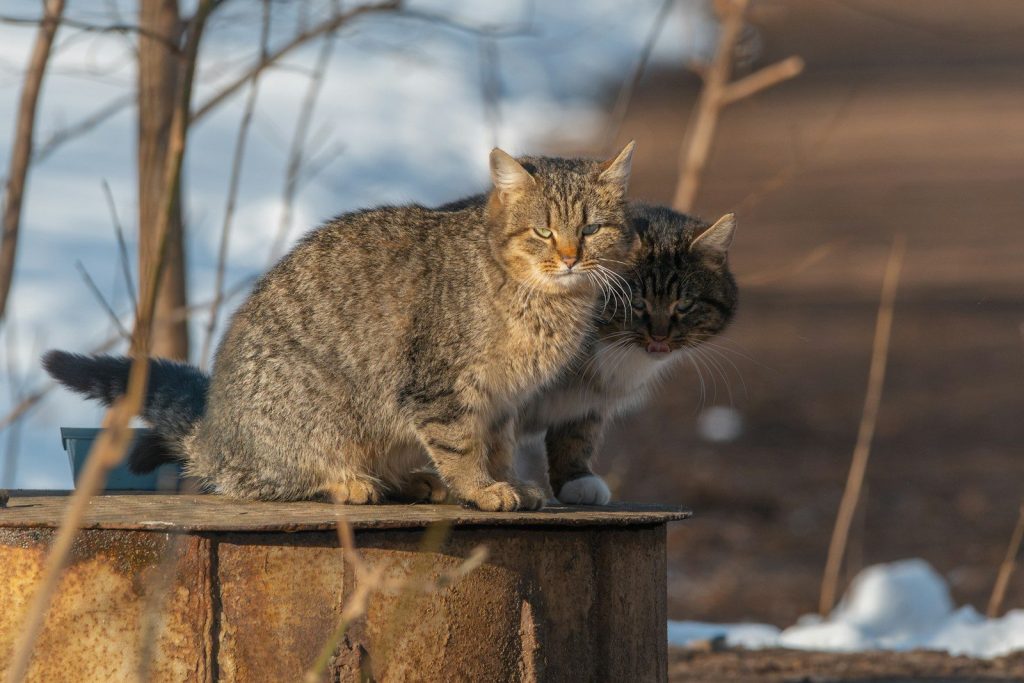
The male wildcat, Jonáš, and the female, Tonka, were identified through camera trap imagery and genetic confirmation. Unlike many conservation projects that rely on reintroduction, these animals arrived naturally from neighboring populations.
Their successful pairing suggests that wildcats are slowly recolonizing suitable habitats where conditions allow. It also indicates that prey populations, shelter, and forest continuity are sufficient to support breeding behavior.
What Makes European Wildcats Different From Domestic Cats
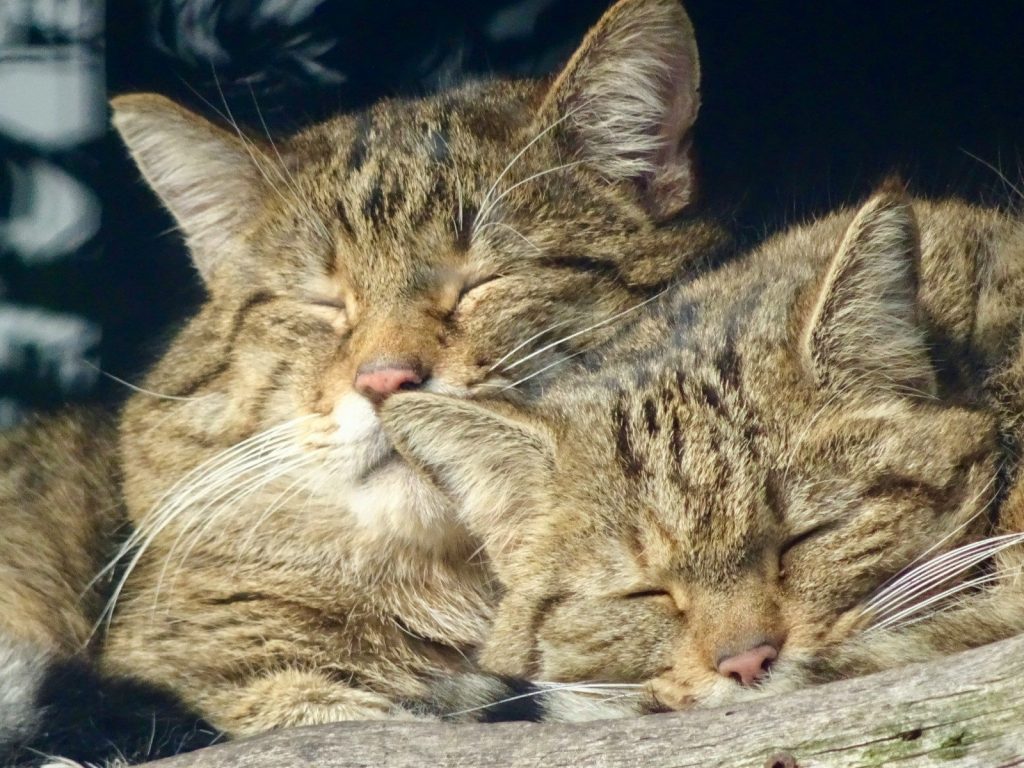
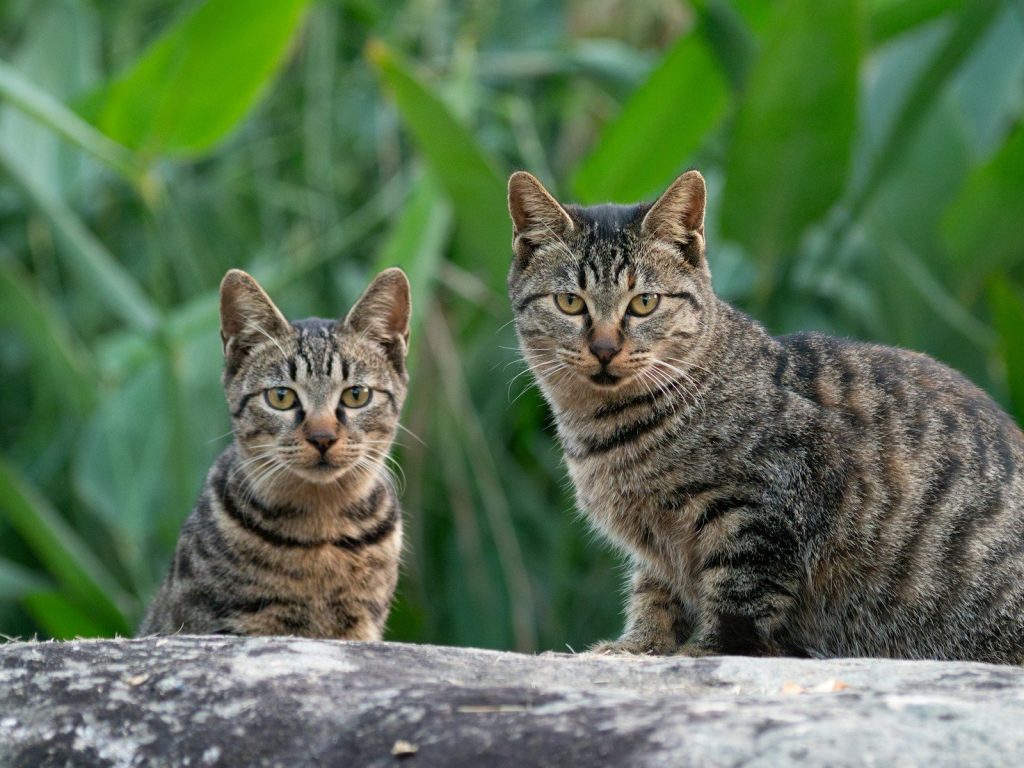
European wildcats are often mistaken for domestic tabby cats, but they are distinct in both behavior and biology. They have thicker, more muscular bodies, bushy blunt-tipped tails, and stronger territorial instincts.
Unlike house cats, wildcats avoid humans, hunt independently, and rely on dense forest cover for survival. They feed primarily on rodents, rabbits, and small birds, playing an important role in balancing forest ecosystems.
A Species Once Driven Back by Human Pressure

The decline of European wildcats has been largely caused by human activity over centuries. Hunting, trapping, poisoning, and deforestation dramatically reduced their range and population size.
Modern threats continue to exist, including road collisions and habitat fragmentation. In some regions, genetic mixing with domestic cats has further complicated conservation efforts by reducing the number of genetically pure wildcats.
The Hidden Challenge of Hybridization
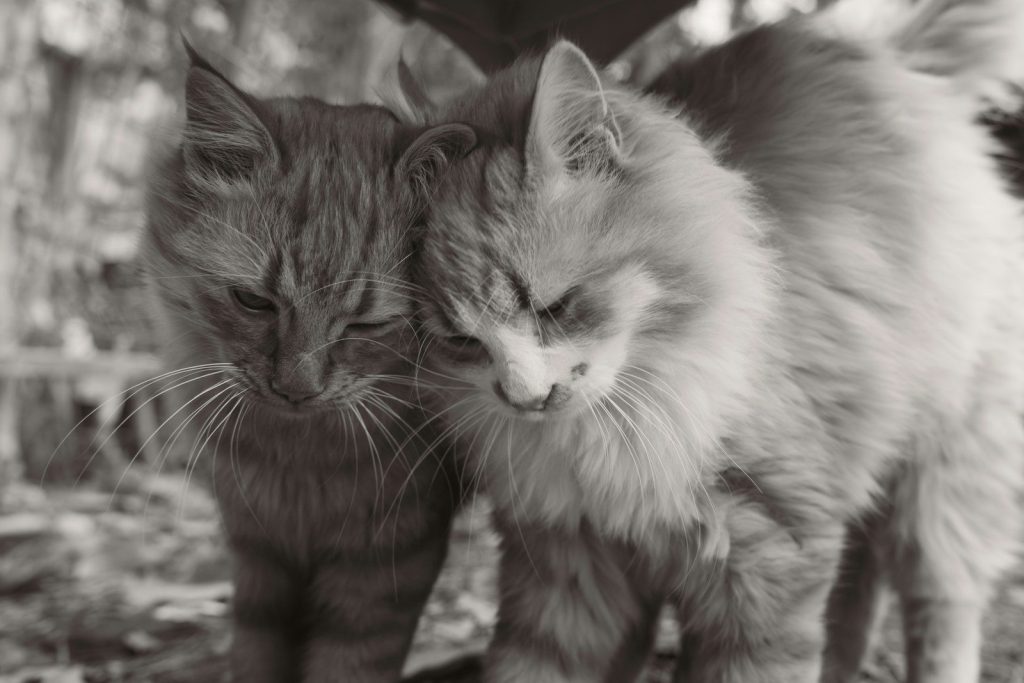
One of the most serious long-term threats to wildcats is hybridization with domestic cats. When the two interbreed, the resulting offspring can survive and reproduce, gradually blending wild and domestic traits.
Over time, this process can erase genetically pure wildcat populations even when cat-like animals still remain in the wild. Conservationists consider this a form of “genetic extinction,” which has already affected wildcat populations in parts of Europe.
A Slow but Visible Return Across Europe
Wildcat populations are not recovering evenly across the continent. In some regions like parts of France and Germany, conservation efforts and habitat protection have supported gradual population increases.
However, in other areas, populations remain small and fragile. This uneven recovery highlights how local conservation decisions directly shape the survival of the species.