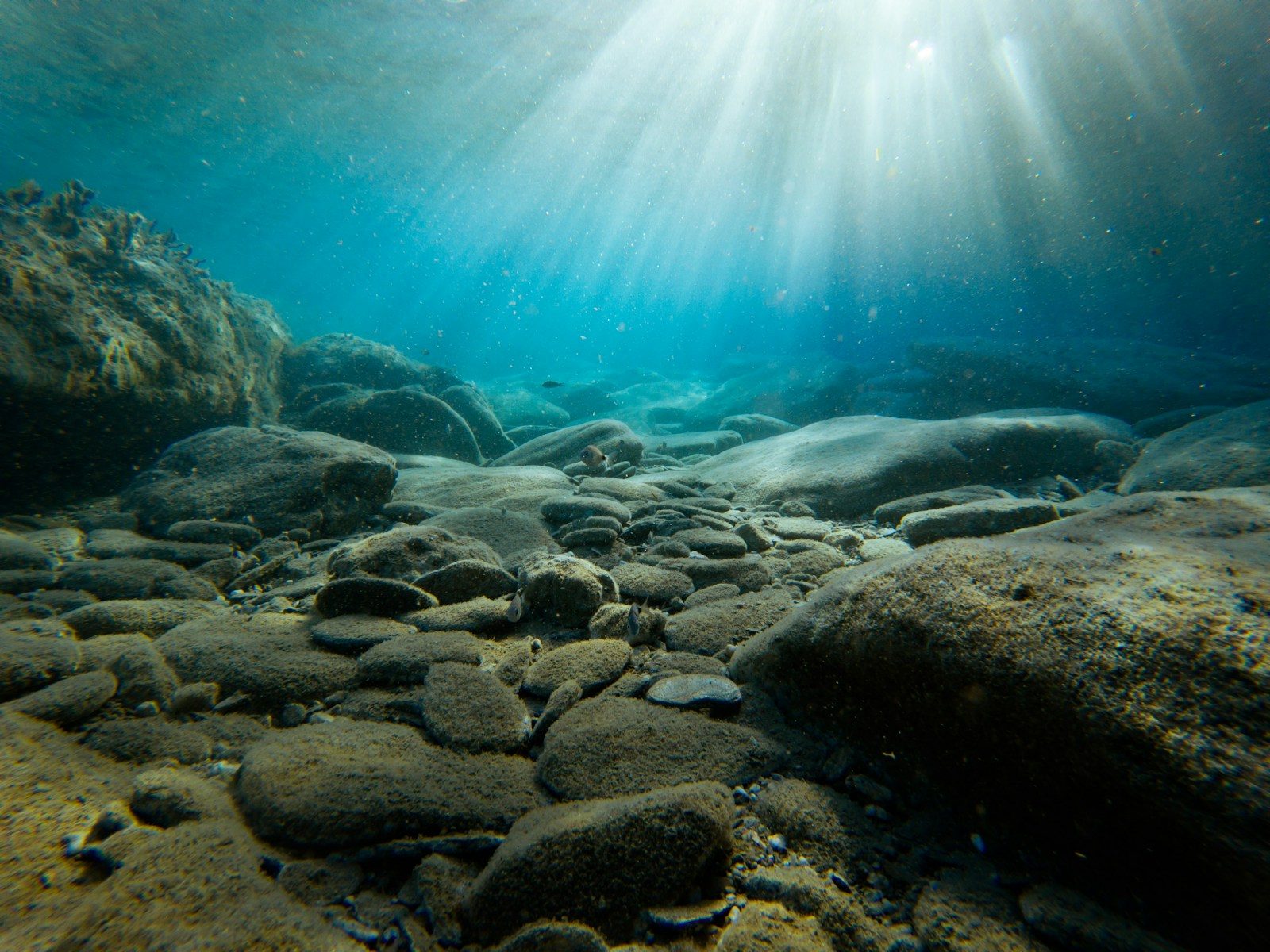
More than a mile beneath the surface of the Red Sea, scientists discovered something that looked impossible, a dark underwater lake resting on the seafloor. Complete with a visible shoreline, strange wave patterns, and a fog-like border, the eerie formation appeared almost like a hidden alien world beneath the ocean.
What researchers actually found was an ultra-salty brine pool so extreme that most marine animals die within seconds of entering it. Yet despite its deadly conditions, the area surrounding the mysterious lake is surprisingly full of life.
A Lake Beneath the Ocean
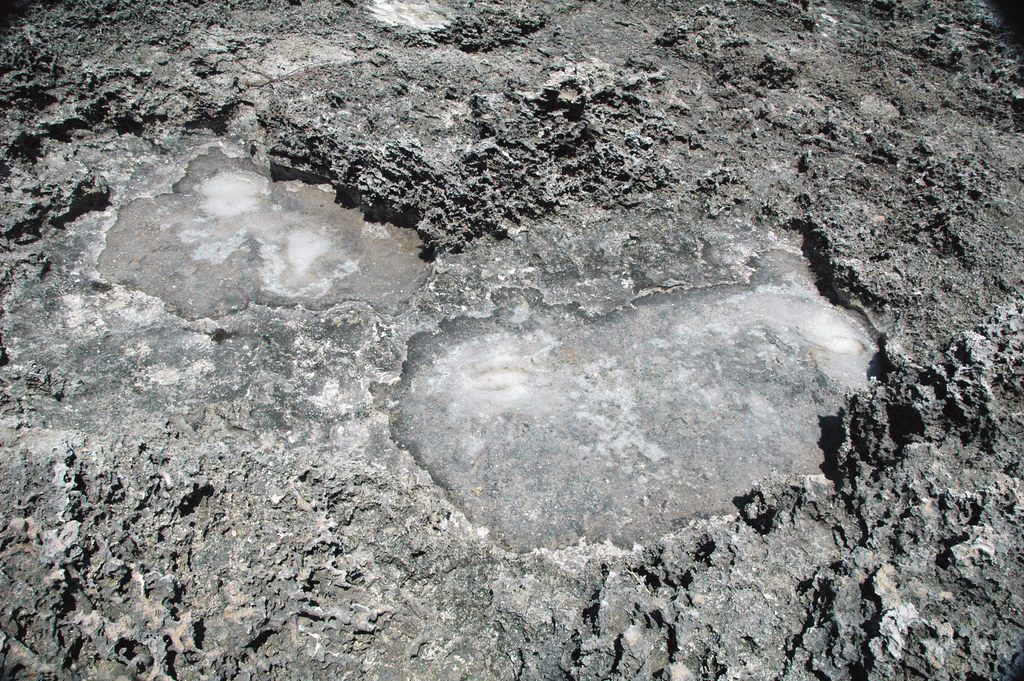
The strange formation is known as a brine pool, a body of water far saltier and denser than the surrounding ocean. Because of its unusual chemistry, the brine does not easily mix with normal seawater.
This creates the astonishing appearance of an underwater lake with clearly defined edges and even wave-like movements. Scientists say the visual effect is unlike almost anything else found in Earth’s oceans.
The Water Is Deadly to Most Creatures
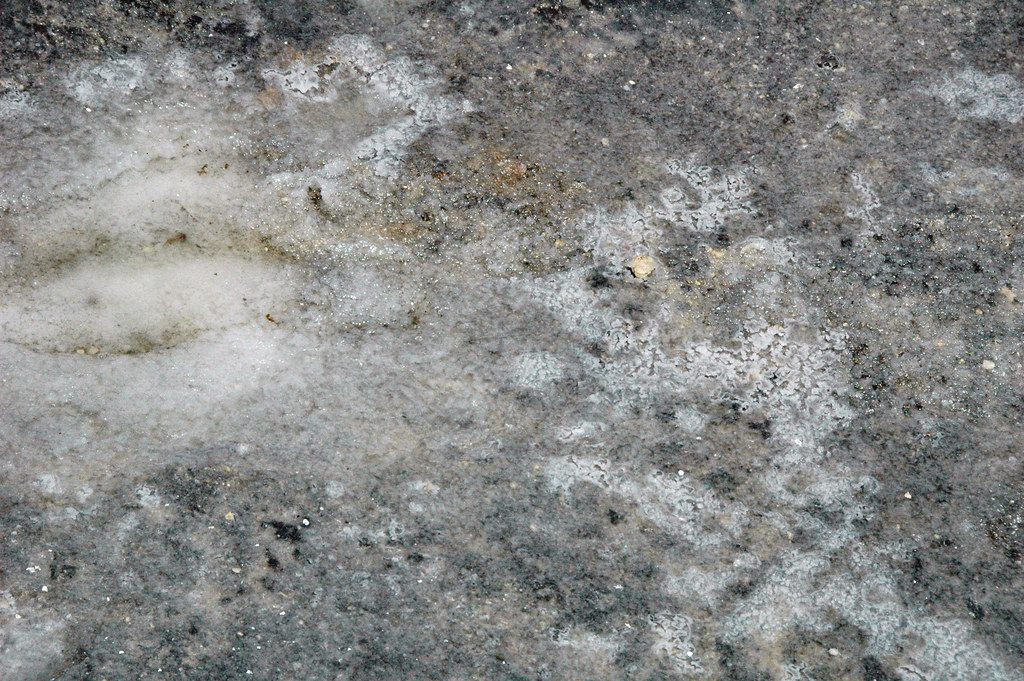
The brine pool contains extremely high salt concentrations and very little oxygen. Most fish, crabs, lobsters, and eels that accidentally drift into the toxic water quickly become disoriented and die.
Researchers observed animals convulsing moments after crossing the invisible boundary. Many bodies remain preserved along the edges of the pool because the harsh conditions slow decomposition.
A Submersible Could Bounce Off the Surface
One of the most surprising discoveries was how dense the brine pool actually is. Scientists reported that robotic submersibles could partially bounce or glide across the surface instead of sinking directly through it.
The dense liquid behaves almost like a separate layer inside the ocean. This dramatic difference in density creates the strange mirror-like appearance that first caught researchers’ attention.
A Graveyard Hidden in the Deep Sea
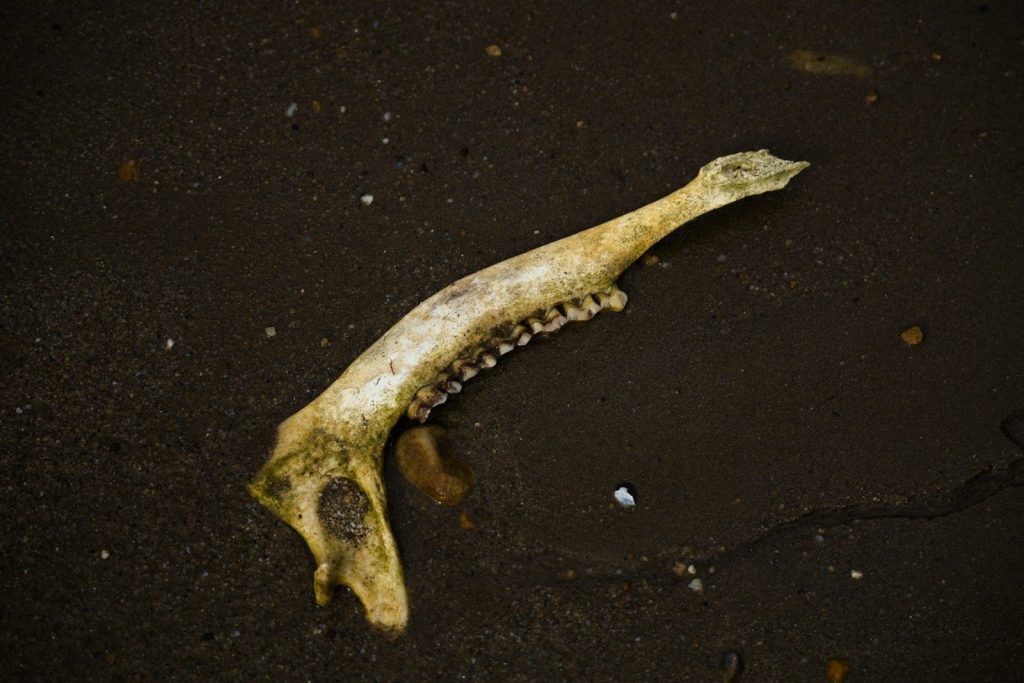
The shoreline surrounding the brine pool is littered with dead marine animals that failed to escape after entering the toxic water. Some predators even appear to wait nearby for weakened prey drifting too close.
The scene has been described as both fascinating and horrifying. It serves as a reminder that some of the ocean’s deadliest environments are completely invisible from above.
Strange Life Still Thrives Nearby
Despite the deadly conditions inside the pool, scientists found thriving ecosystems around its borders. Tube worms, hagfish, giant mussels, and specialized bacteria survive in the extreme environment.
Some of these organisms do not rely on sunlight at all. Instead, bacteria use chemicals like methane to produce energy through a process called chemosynthesis.
Ancient Creatures Survive in Extreme Conditions
Researchers discovered giant mussels believed to live for more than 100 years near the brine pools. These animals survive by forming partnerships with bacteria capable of processing toxic chemicals.
The discovery helps scientists better understand how life can adapt to some of the harshest environments on Earth. Similar ecosystems may even exist on distant moons or planets with underground oceans.