The animal kingdom operates on wildly different biological clocks. Some creatures complete their lives rapidly, while tortoises, whales, sharks, and certain shellfish can persist for extraordinarily long periods. There is no single longevity switch that explains these differences. Instead, lifespan emerges from an evolutionary combination of ecology, body size, reproduction, predation, cellular maintenance, and genetics.
Scientists are increasingly discovering that long-lived animals do not all reach old age in the same way. Some experience unusually low adult mortality, while others possess impressive DNA-repair or cancer-resistance mechanisms. Comparing species that evolved dramatically different lifespans helps researchers investigate not just why animals age, but why evolution allows some lineages to postpone the consequences of aging much longer than others.
Evolution Shapes Lifespan
Natural selection does not simply reward living as long as possible. It favors traits that help organisms successfully reproduce in their particular environment. If an animal faces a high likelihood of dying young from predators or environmental hazards, evolution may favor earlier reproduction rather than investing heavily in decades of bodily maintenance. Species with much lower adult mortality can benefit more from slower development and repeated reproduction over many years. Lifespan therefore makes more sense when viewed as part of an animal’s entire life-history strategy.
Predators Change Everything

Predation can strongly influence how longevity evolves. An animal that is regularly killed before reaching old age gains relatively little evolutionary advantage from maintaining its body for extreme lengths of time. Species that escape many external causes of death can follow a different path. Comparative research has found that traits reducing predation risk, including large body size, flight, and protected lifestyles, are associated with longer maximum lifespans in many groups. Living safely does not guarantee longevity, but it can create evolutionary conditions in which longevity becomes worthwhile.
Bigger Often Lives Longer

Across many mammals, larger species tend to live longer than smaller ones. Elephants and whales commonly outlive mice and shrews, partly because large animals usually face different metabolic, developmental, and ecological pressures. They often mature more slowly and have lower rates of natural adult mortality. Yet body size is only one piece of the puzzle. Some small animals live unexpectedly long, while similarly sized species can age at very different rates. Those exceptions are especially valuable because they allow researchers to look for mechanisms beyond simple size.
Flight Offers Safety

Birds and bats provide a striking longevity puzzle. Many species live far longer than similarly sized terrestrial mammals. Flight offers one possible evolutionary advantage because it allows animals to escape many predators and environmental dangers that would otherwise increase adult mortality. Burrowing can provide a comparable benefit for some ground-dwelling species. Research comparing mammals and birds supports the broader idea that reduced exposure to predators can favor longer lifespans. When an animal has a good chance of surviving another year, maintaining its body becomes a more valuable investment.
Better DNA Repair

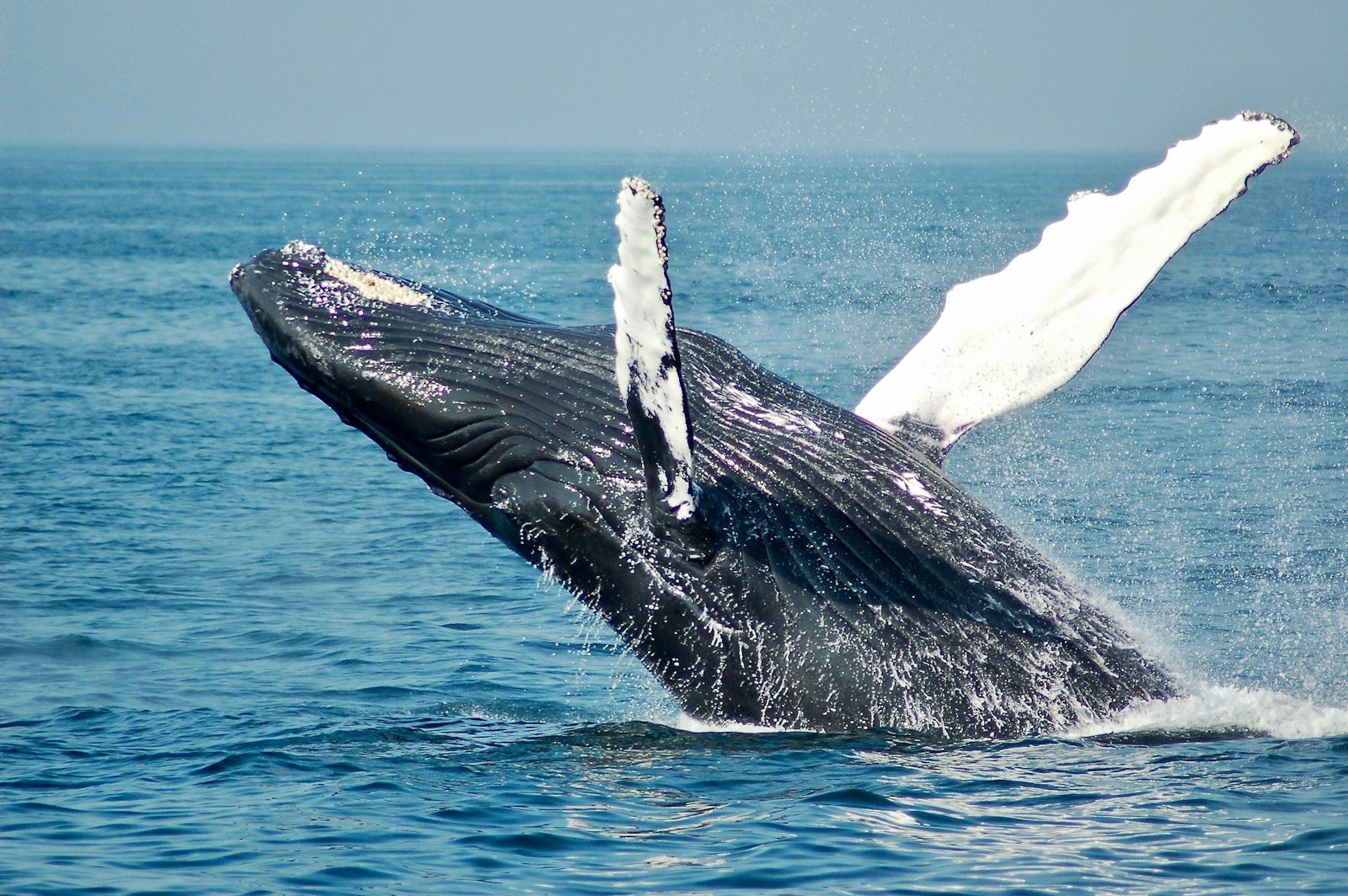
Long-lived species must keep cellular damage under control for extraordinary periods. Research on bowhead whales, which can survive for more than two centuries, has identified particularly effective mechanisms involved in repairing damaged DNA. Such findings are important because DNA damage accumulates throughout life and can contribute to both aging and cancer. Longevity therefore may depend partly on how effectively cells detect and repair problems before they become dangerous. Different species appear to have evolved different solutions rather than relying on one universal anti-aging mechanism.
Mutation Rates

A large comparative study across mammals found that somatic mutation rates were inversely related to lifespan. In simpler terms, species that live longer tended to accumulate certain mutations more slowly each year than short-lived species. That does not mean mutations alone determine when an animal dies, because aging involves many interacting processes. The result nevertheless suggests that long-lived species have evolved ways to preserve genetic stability over longer periods. Studying these differences may help researchers understand why cellular deterioration proceeds rapidly in some mammals but slowly in others.
Cancer Defenses

Long life creates another challenge: cells have more years in which potentially dangerous changes can occur. Some unusually long-lived animals have therefore evolved impressive cancer defenses. Naked mole-rats are a famous example studied for mechanisms that appear to suppress uncontrolled cell growth despite lifespans far exceeding those of similarly sized rodents. Large, long-lived animals also require solutions to this problem because having many more cells might otherwise increase cancer risk dramatically. Longevity is therefore partly a story of evolving stronger biological maintenance and tumor-suppression systems.
Metabolism Is Not Destiny

An older idea called the rate-of-living theory suggested that animals with faster metabolism simply burn through life more quickly. Metabolic rate does relate to many aspects of biology, but modern comparative research shows lifespan cannot be explained by metabolism alone. Birds, bats, naked mole-rats, whales, and numerous other exceptions demonstrate that ecology and cellular biology matter enormously. Evolution can modify repair, immunity, reproduction, growth, and mortality risk in different combinations. That is why there is no single formula capable of predicting every animal’s lifespan.
Featured Image: Photo by Todd Cravens on Unsplash