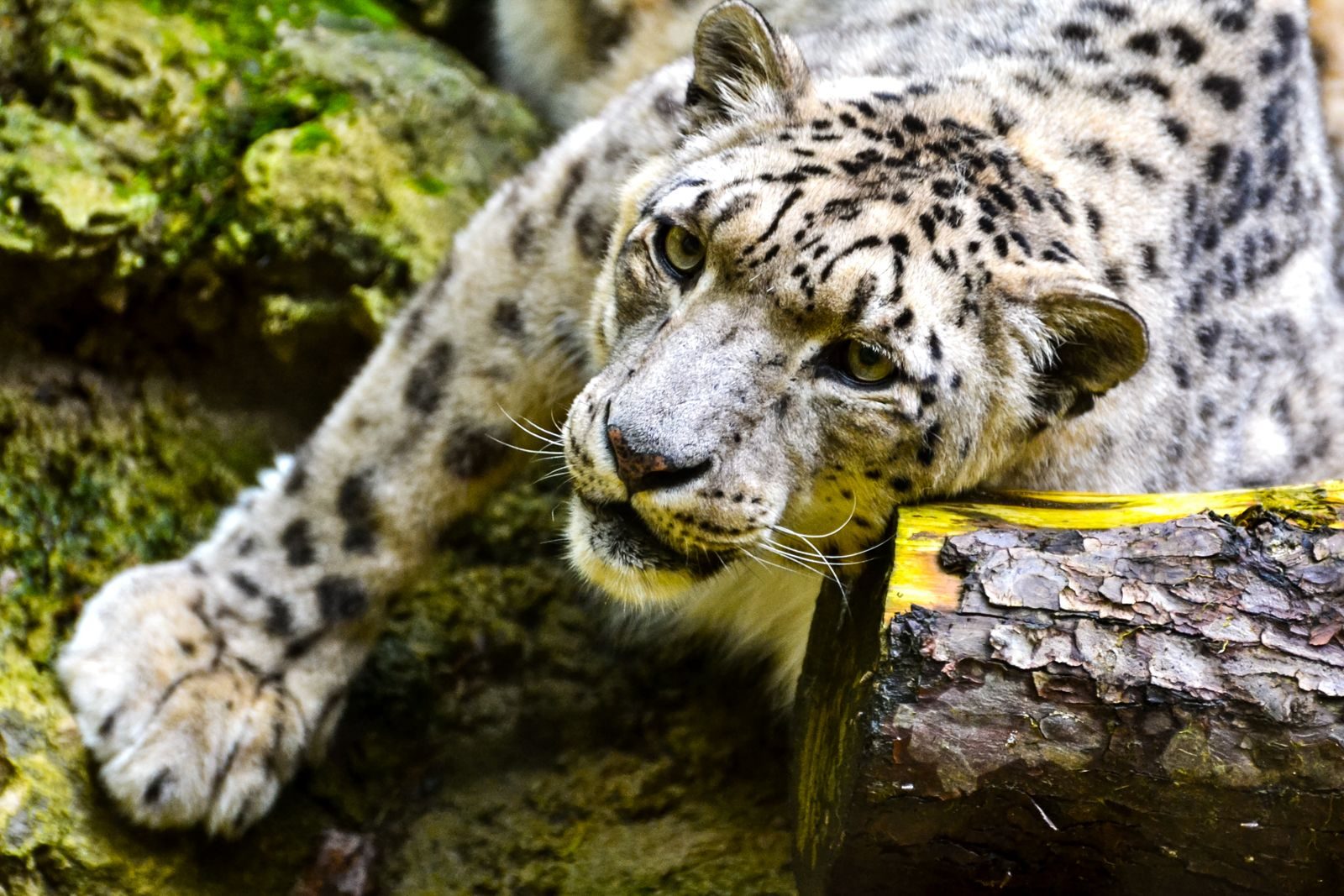
Few predators are as closely associated with mountains as the snow leopard. In Nepal, these elusive cats occupy some of the country’s most remote Himalayan landscapes, moving across steep slopes, rocky valleys, and alpine environments where human observation is difficult. Their pale coats and secretive habits can make even a large predator seem almost invisible.
Nepal’s first consolidated national assessment produced an estimate of roughly 397 snow leopards, providing conservationists with a stronger baseline than earlier sign-based estimates alone. Protecting those cats requires far more than counting them. Their future also depends on wild prey, mountain communities, livestock management, anti-poaching efforts, connected habitat, and a rapidly changing Himalayan climate.
About 397 Leopards

Nepal’s national snow leopard assessment estimated approximately 397 individuals, giving the country its first robust, consolidated population figure. Earlier estimates were based more heavily on signs, local surveys, and habitat modelling, so the newer assessment marked an important improvement in understanding the species nationally. Even 397 is an estimate rather than a literal head count because these cats range across huge, inaccessible mountain areas. A credible baseline nevertheless allows conservationists to identify important landscapes and judge whether future populations are increasing, stable, or declining.
Himalayan Habitat

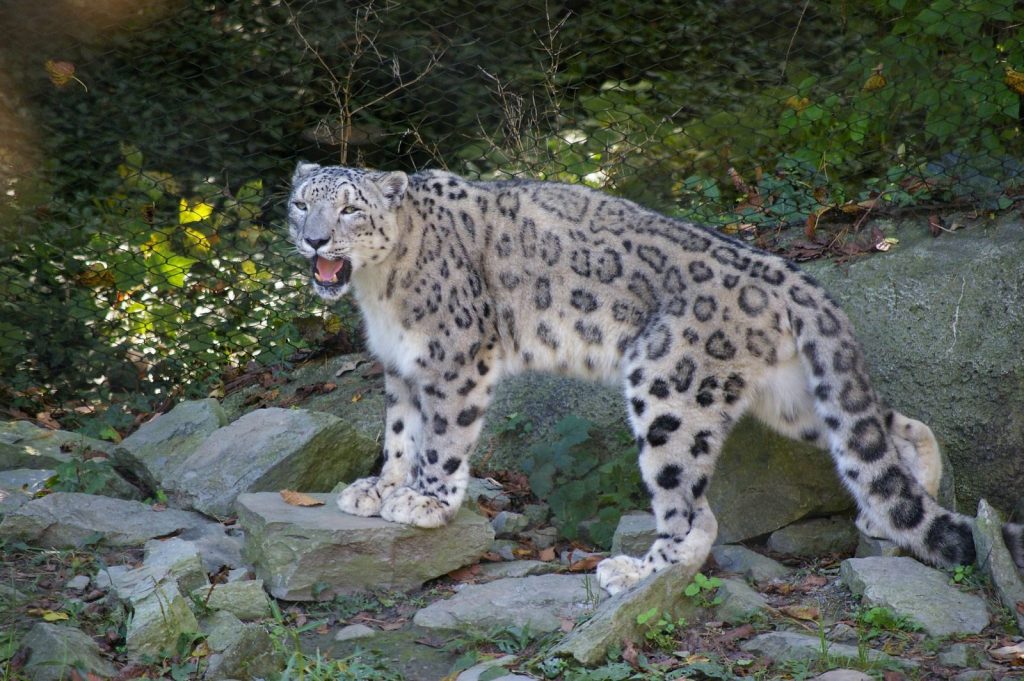
Snow leopards are built for steep, cold mountain country. Nepal’s northern Himalayas provide rocky slopes, cliffs, alpine grasslands, and broken terrain where the cats can travel while remaining remarkably difficult to detect. Their broad paws help them move over snow and uneven ground, while long tails contribute to balance on steep slopes. These landscapes may appear empty from a distance, but they support complicated food webs involving wild ungulates, smaller animals, domestic livestock, predators, and communities whose livelihoods are closely connected with high-altitude ecosystems.
Camouflaged Predator
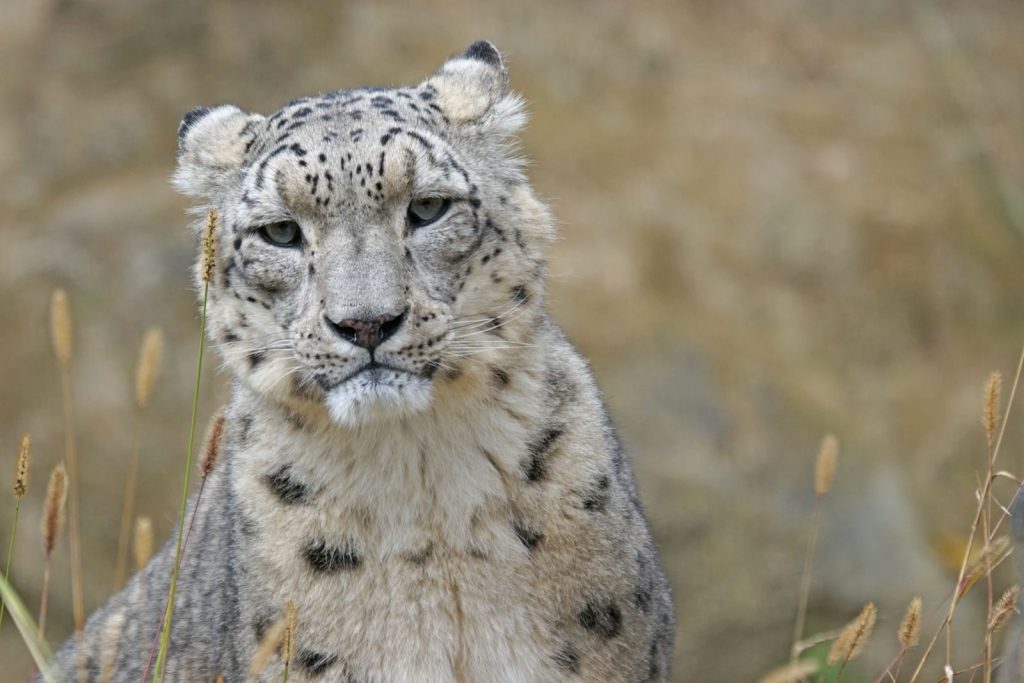
A snow leopard’s grey-white coat is patterned with dark rosettes and spots that break up its outline among rocks and shadows. This camouflage is one reason encounters remain so rare even in areas known to contain the cats. Their secretive behavior adds another challenge. A leopard can travel through rugged terrain while remaining almost completely unseen by people nearby. For researchers, that means direct visual counts are impractical. Conservation work instead depends heavily on indirect evidence and technologies capable of identifying individual cats without repeatedly disturbing them.
Wild Mountain Prey

Snow leopards depend on healthy populations of wild mountain herbivores, including blue sheep and other ungulates across their range. When wild prey becomes scarce, the ecological pressure does not stop with the predator. A hungry snow leopard may turn more frequently toward domestic livestock, bringing it into direct conflict with herding families. Protecting prey populations is therefore also a strategy for protecting snow leopards. A mountain landscape containing enough natural prey can reduce one of the major pressures pushing predators and people into costly confrontations.
Livestock Conflict

For a herder, losing a yak, goat, or sheep to a predator can represent a serious economic blow. That makes livestock depredation one of the most difficult challenges in snow leopard conservation. Retaliatory killing can occur when communities feel they bear the cost of protecting wildlife without receiving meaningful support. Conservation groups in Nepal therefore work with communities on measures intended to reduce losses and build tolerance. Long-term snow leopard survival depends on making coexistence realistic for people who actually share the landscape with these predators.
Poaching Pressure

Snow leopards and their prey can also be affected by illegal hunting. Poaching removes individual cats directly, while the depletion of wild ungulates can reduce the food available to surviving predators. International wildlife trade has historically increased pressure on snow leopards because their skins and other body parts can command illegal value. Effective protection therefore requires patrols, enforcement, intelligence gathering, and cooperation across remote landscapes. Preventing poaching of prey animals is nearly as important as protecting the cats themselves because predator conservation depends on preserving the entire mountain food web.
Warming Mountains

Climate change poses a slower but potentially enormous threat. WWF has warned that warming could significantly alter Himalayan snow leopard habitat, with changes in vegetation and ecological zones reshaping areas the cats depend upon. Climate effects can also influence prey, water, livestock practices, and human use of high mountain landscapes. Snow leopards are adapted to cold, rugged environments, but adaptation does not make them immune to rapid ecological change. Protecting connected landscapes gives populations more opportunity to move and respond as suitable conditions shift over coming decades.
Conservation Partnerships
Nepal’s improved population estimate provides a foundation, not an endpoint. Protecting snow leopards requires researchers, protected-area staff, local communities, conservation organizations, and neighboring countries to keep working across enormous landscapes. Monitoring can reveal where important populations persist, while community programs can address livestock losses and improve tolerance for predators. Because snow leopards occupy the top of their mountain food webs, protecting them can also benefit prey species and high-altitude habitats. Their future ultimately depends on conservation that works for both wildlife and people.
Featured Image: Photo by Davide Negro on Pexels