Skip to content

Recent Posts

  • Why a Wild Lynx May Tolerate a Nearby Camera
  • Eight of North America’s Most Imperiled Animals
  • What to Do When a Rattlesnake Enters Your Yard
  • The Reality of Hunting Giant Crabs for Survival
  • How Zebras Defend Their Foals From Lions

Most Used Categories

  • Nature & Wildlife (740)
  • Risk (75)
  • Human Interest (54)
  • Survival (27)
  • Bees/Swarms fear (27)
  • Exotic Animals (26)
  • Hunting (25)
  • Suspense (20)
  • Adventure (3)
  • Gears (2)
Skip to content
  • About Us
  • Contact Us
  • Disclaimer
  • Privacy Policy
  • Terms & Conditions

Hive Hunters Tales

  • Suspense
  • Nature & Wildlife
  • Human Interest
  • Hunting
  • Bees/Swarms fear
  • Exotic Animals
  • Risk
  • Survival
  • Adventure
  • Gears
  • Home
  • Nature & Wildlife
  • Why Wild Animals Keep Raising Their Babies Near Human Homes
a bird with white feathers sitting on a branch

Why Wild Animals Keep Raising Their Babies Near Human Homes

JakeMay 26, 2026May 25, 2026

Every spring, wild animals across North America begin raising their young, and increasingly, they are doing it surprisingly close to people. Ducks build nests beside front doors, rabbits hide babies in lawns, and deer leave fawns curled quietly in suburban yards.

Wildlife experts say these encounters are becoming more common and are usually a normal part of nature adapting to human environments.

A Duck Returned to the Same Home Every Year
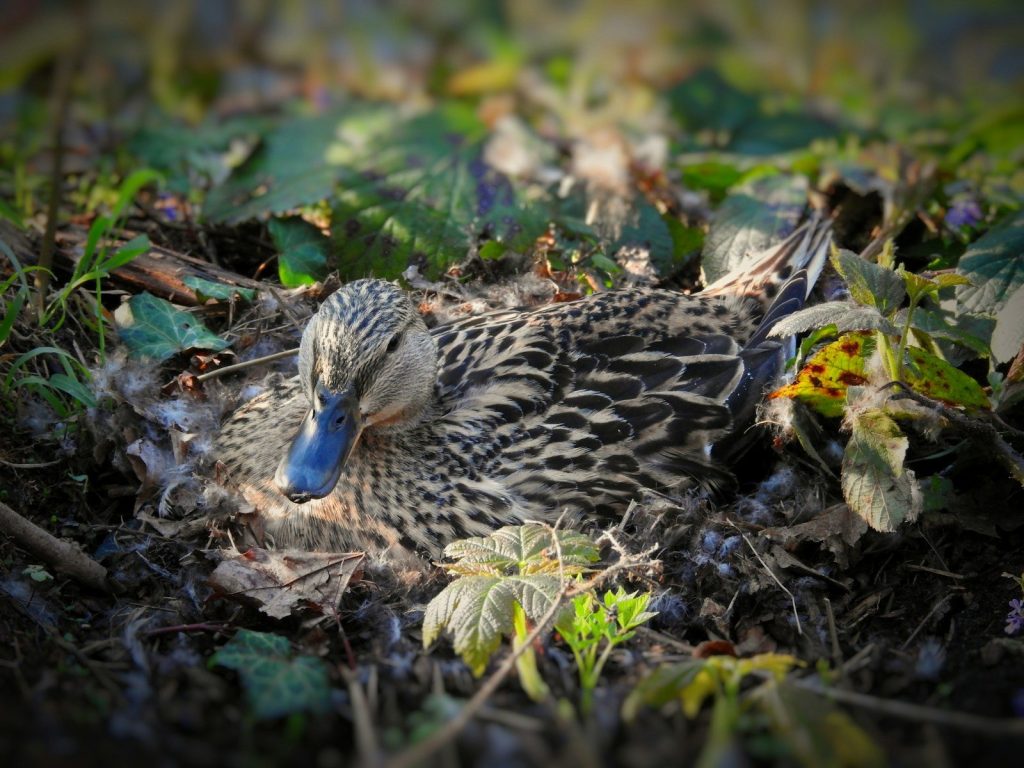
A duck is resting amidst the foliage.
Photo by Lukáš Kadava on Unsplash

In Eagan, a mallard duck reportedly returned year after year to nest near a family’s front entrance. The duck quietly laid eggs behind a bush and remained there for weeks before leading her ducklings away after they hatched.

Stories like this are becoming increasingly familiar in suburban neighborhoods filled with trees, gardens, and quiet spaces.

Why Animals Choose Residential Areas
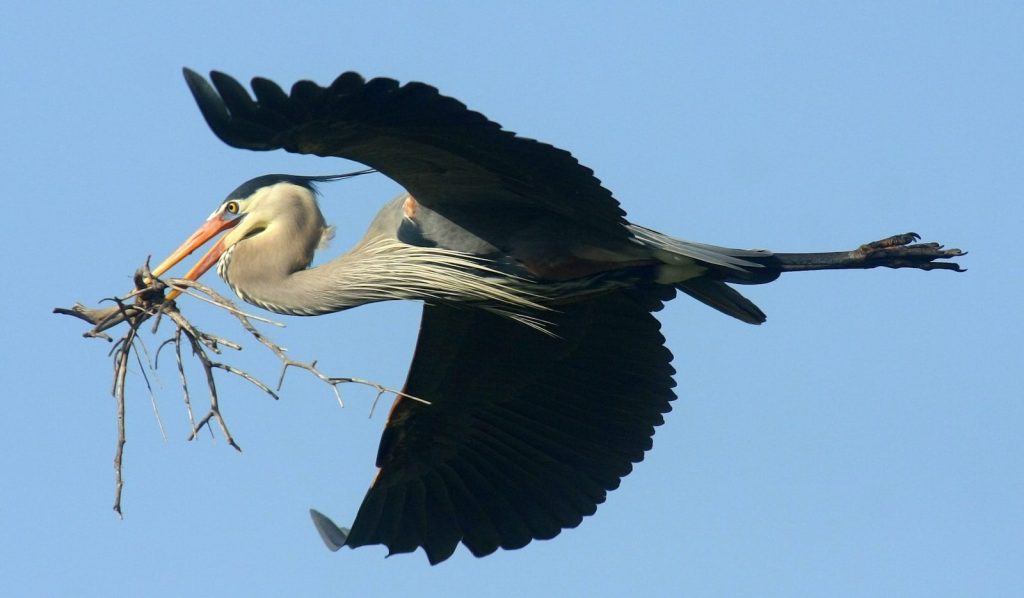
black and white bird on tree branch
Photo by William Foley on Unsplash

Many neighborhoods unintentionally provide ideal nesting conditions. Shrubs, ponds, decks, gardens, and quiet corners can offer shelter from predators and harsh weather.

Some animals may also feel safer around humans if larger predators such as coyotes or foxes avoid busy residential areas.

Experts Say Leave Wildlife Alone
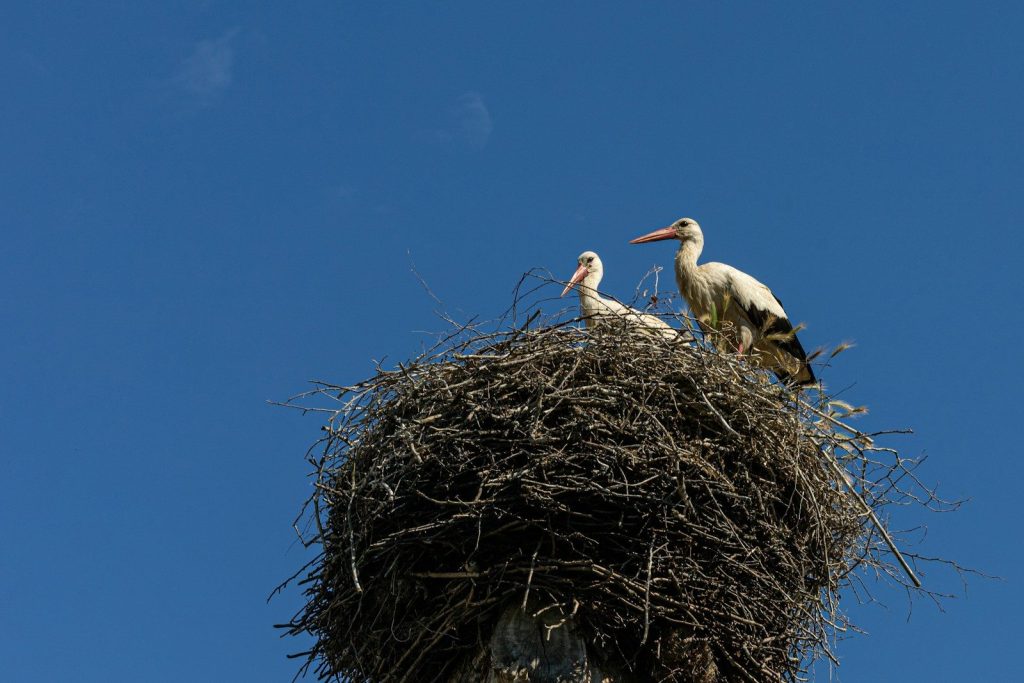
Two storks are sitting on top of a nest
Photo by Kaptured by Kasia on Unsplash

Wildlife rehabilitation experts strongly advise people not to disturb nests or baby animals unless they are clearly injured or in immediate danger.

Young deer, rabbits, and birds are often left temporarily alone while parents search for food nearby. What appears abandoned is usually part of normal animal behavior.

Protective Parents Can Become Dangerous
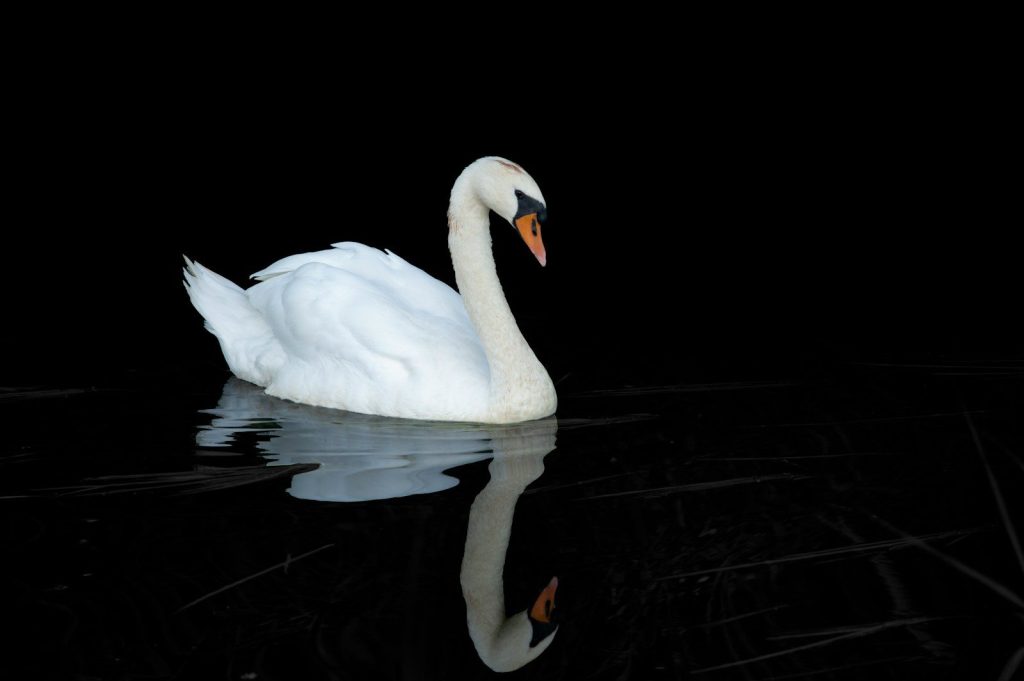
white swan on water during daytime
Photo by Erik van Dijk on Unsplash

While baby animals may seem harmless, parents can become extremely defensive. Canada geese, swans, elk, and even alligators may aggressively protect nests or young if people or pets get too close.

Wildlife officials recommend giving animals plenty of space and avoiding attempts to touch or move babies.

Pets Create the Biggest Problems

shallow focus photography of white shih tzu puppy running on the grass
Photo by Joe Caione on Unsplash

Dogs and cats are among the greatest threats to nesting wildlife in suburban areas. Curious pets may chase birds, disturb nests, or injure young animals without meaning to.

Experts recommend keeping pets leashed or supervised whenever wildlife is nesting nearby.

How To Handle Animals Nesting Around Your Home
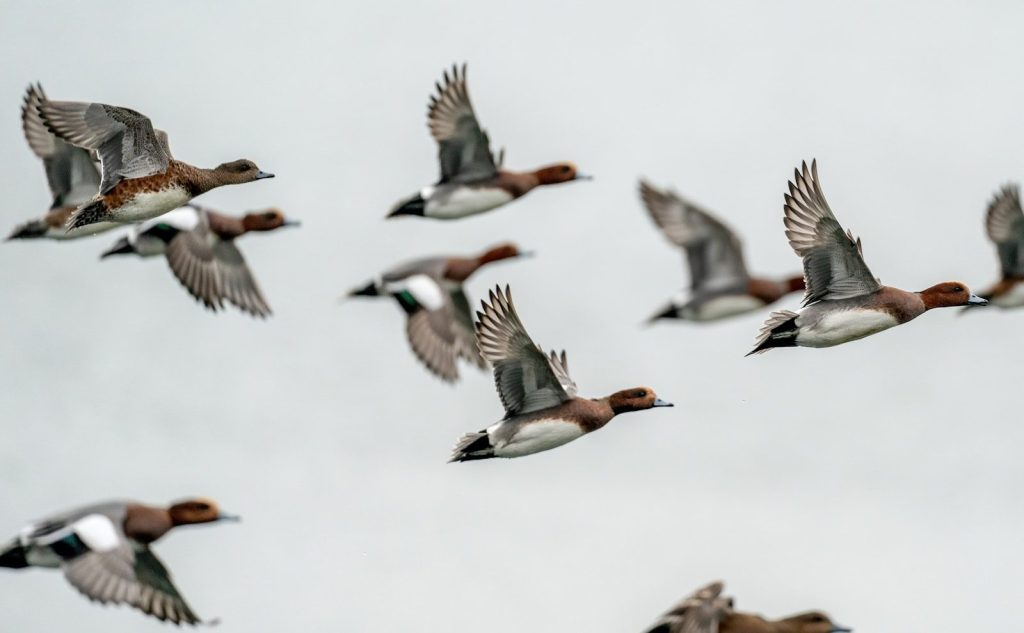
a flock of ducks flying through a cloudy sky
Photo by Bob Brewer on Unsplash

If wildlife settles somewhere inconvenient, experts often recommend humane deterrents rather than trapping or relocation. Bright lights, blocking entry points, or simply waiting a few weeks may solve the problem naturally.

Most nesting situations are temporary and end once the young animals grow and move on.
Post navigation

Previous: 7 Best Places in the World to See Wild Wolves
Next: The Animal Bites and Stings Humans Say Hurt the Most

Related Posts

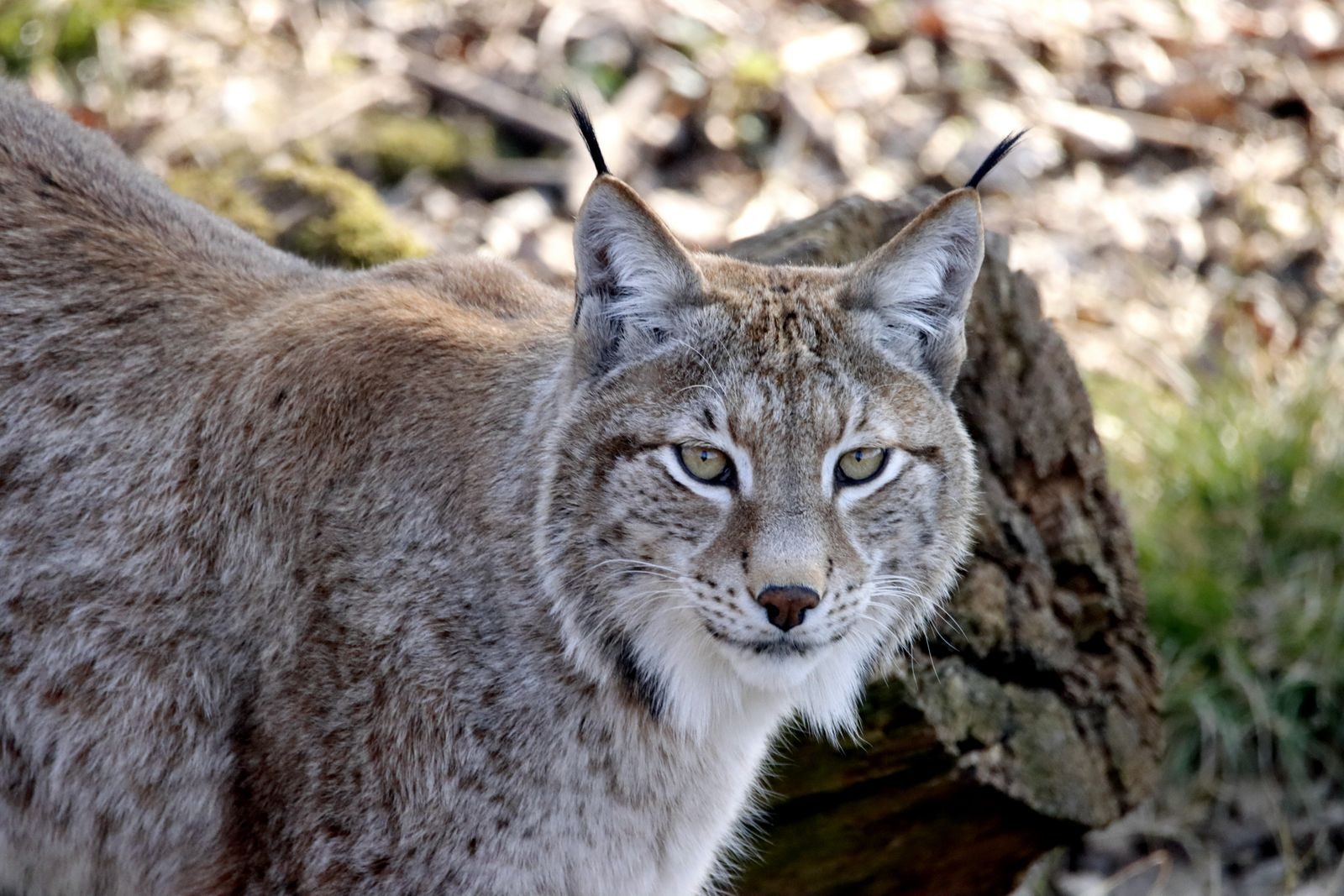
Detailed close-up of a Canada lynx showcasing its alert gaze and distinctive features.

Why a Wild Lynx May Tolerate a Nearby Camera

August 14, 2026August 14, 2026 Jake
A bald eagle perched on a bare tree branch.

Eight of North America’s Most Imperiled Animals

August 14, 2026August 14, 2026 Jake
A detailed close-up of a zebra among a group of zebras in their natural habitat.

How Zebras Defend Their Foals From Lions

August 14, 2026August 13, 2026 Jake

Leave a Reply Cancel reply

Your email address will not be published. Required fields are marked *

Recent Posts

  • Why a Wild Lynx May Tolerate a Nearby Camera
  • Eight of North America’s Most Imperiled Animals
  • What to Do When a Rattlesnake Enters Your Yard
  • The Reality of Hunting Giant Crabs for Survival
  • How Zebras Defend Their Foals From Lions
Copyright All Rights Reserved | Theme: BlockWP by Candid Themes.