“Smallest animal” sounds like one record, but animal groups differ so much that the fairest comparisons are within categories. The smallest bird is still enormous beside the smallest insect, while mammal records depend on whether scientists compare weight, body length, or skull size. Some fish records are disputed because tiny males and larger females complicate what counts as the smallest species.
These eight miniature animals represent striking size records or near-records within their groups. Several live in highly specialized habitats such as rainforest leaf litter, limestone caves, peat swamps, or isolated islands. Their scale may make them easy to overlook, but small animals can have complicated lives, unusual adaptations, and serious conservation problems. Tiny size does not mean simple biology or minor ecological importance.
Nano-Chameleon
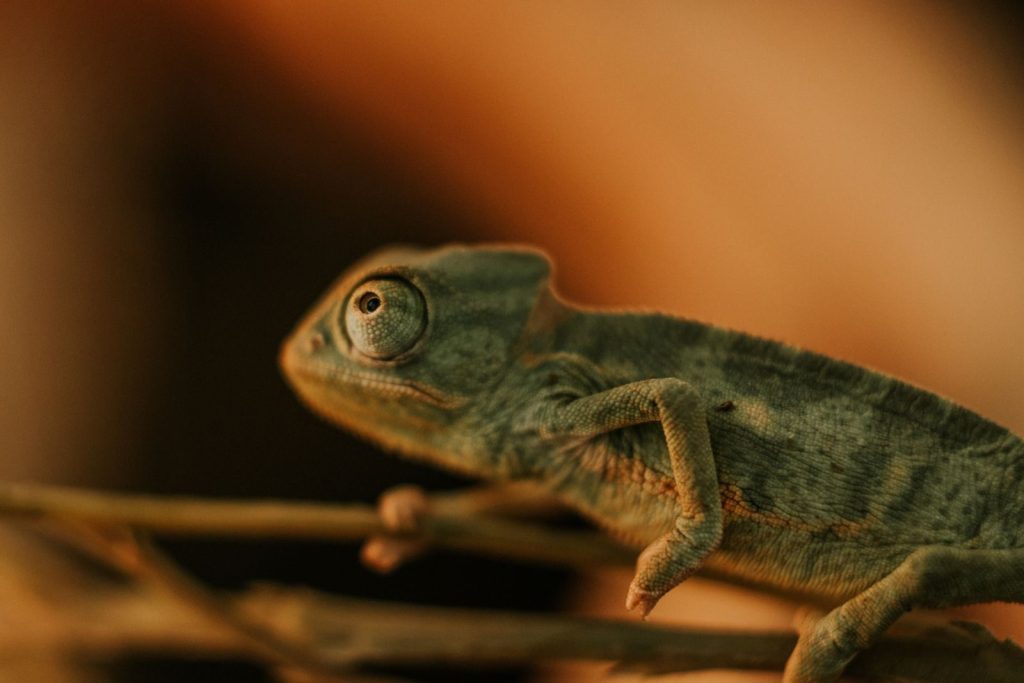
The nano-chameleon Brookesia nana was scientifically described in 2021 from northern Madagascar and is widely recognized as the smallest known reptile. The adult male measured about 20 millimeters from nose to tail, while females are larger. Its tiny range is a major concern because habitat loss can threaten a species quickly when nearly all known individuals come from one limited area. Miniaturization also creates unusual anatomical pressures, showing that becoming smaller is not simply a matter of shrinking every body part in equal proportion.
Bee Hummingbird
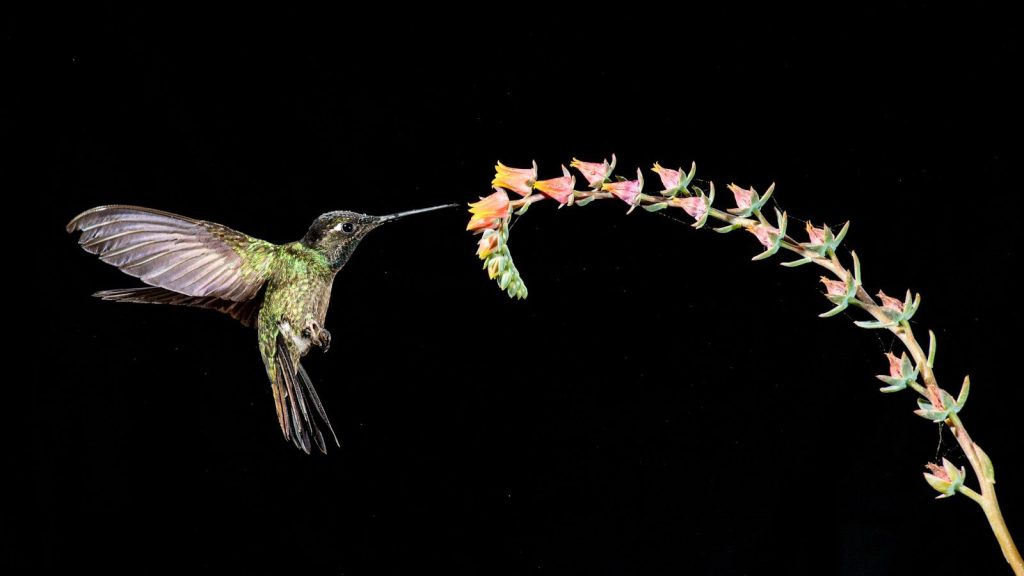
Cuba’s bee hummingbird is the smallest living bird. Smithsonian’s National Zoo reports an average weight of about 1.95 grams, lighter than many coins. Despite its size, it performs the demanding hovering flight typical of hummingbirds and feeds from flowers, moving pollen as it travels. The species occurs only in Cuba and depends on suitable habitat with reliable floral resources. Its record is a useful reminder that the smallest bird is still an active, warm-blooded vertebrate capable of sustained flight, territorial behavior, and rapid metabolism.
Paedophryne Frog
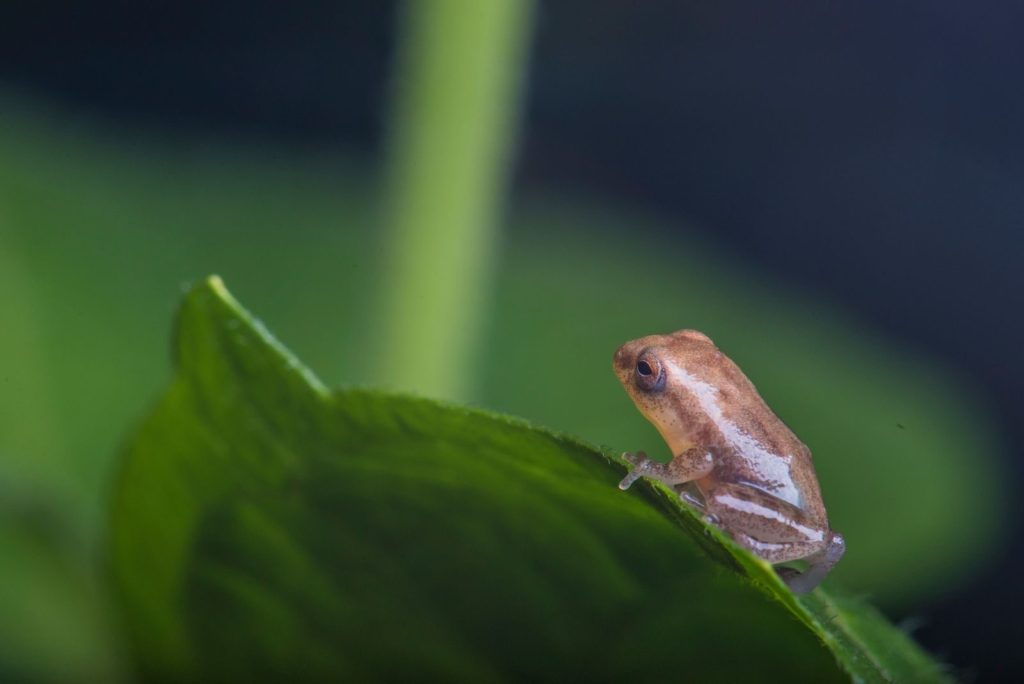
Paedophryne amauensis, a tiny frog from Papua New Guinea, averages about 7.7 millimeters in adult male body length and has been described as the smallest known amphibian. It lives in moist rainforest leaf litter rather than ponds. Its development skips the free-swimming tadpole stage, with tiny froglets emerging directly from eggs laid on land. That life cycle is useful at miniature scale because an aquatic larval stage would create different constraints. Its size also lets the frog exploit extremely small invertebrates living among decomposing leaves.
Fairyfly Wasp
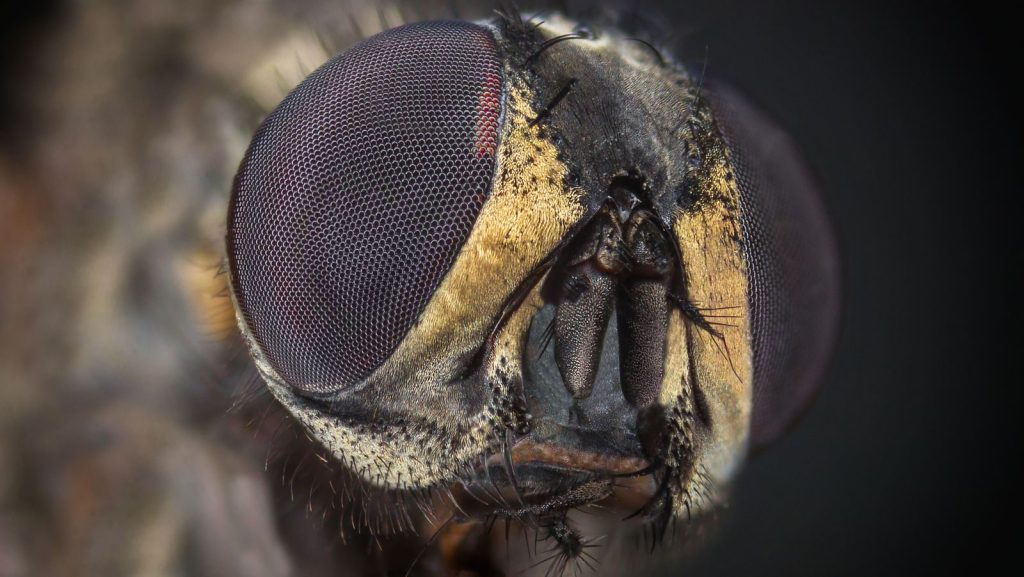
The parasitic wasp Dicopomorpha echmepterygis includes males reported at only about 0.139 millimeters long, making it a contender for the smallest known insect. The males are wingless and extremely simplified because they spend their lives inside the host egg where they developed. Females are larger and leave to find new hosts. This life history helps explain how an insect can become so extraordinarily small: the male does not need the full set of structures required for long-distance movement or an independent adult life outside its host.
Bumblebee Bat
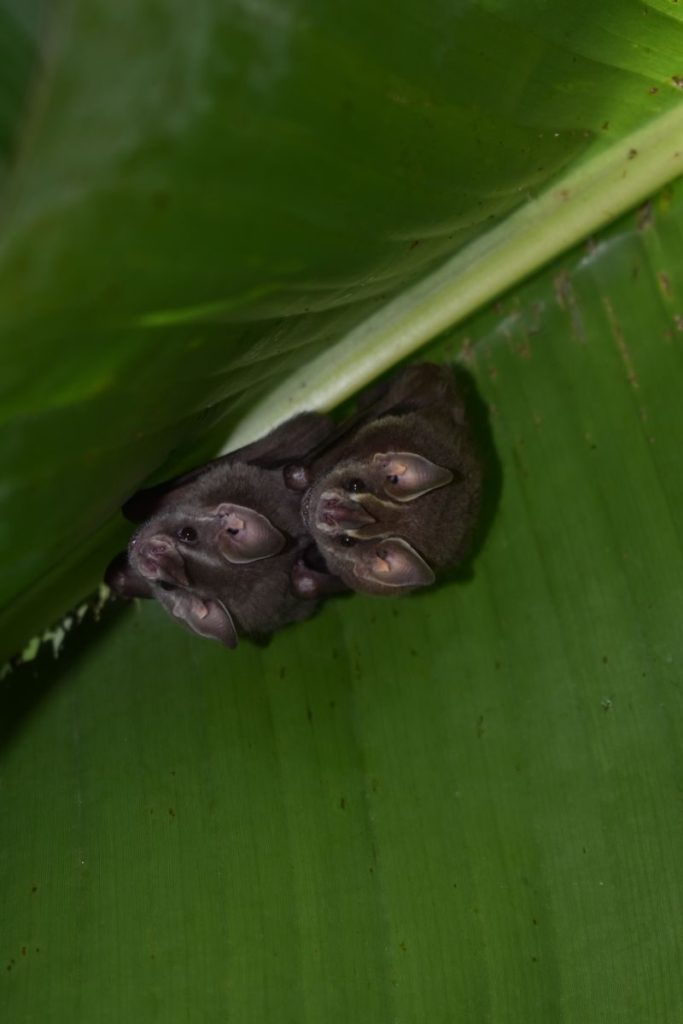
Kitti’s hog-nosed bat, often called the bumblebee bat, is one of the two strongest contenders for the title of smallest mammal. It weighs around two grams and has a body roughly three centimeters long. The species lives in limestone caves in Thailand and Myanmar and uses echolocation to hunt insects. Its wingspan is much larger than its body length, showing why mammal size can be measured in different ways. By mass it rivals the Etruscan shrew, while by body dimensions it is exceptionally tiny.
Etruscan Shrew

The Etruscan shrew is another contender for the world’s smallest mammal, particularly when body mass is the measure. Natural History Museum specialists report typical weights of roughly 1.2 to 2.7 grams. This tiny insect-eater has an extremely fast metabolism and must feed frequently to support its active lifestyle. Unlike the bumblebee bat, it runs through vegetation and ground cover rather than flying. Having two legitimate “smallest mammal” contenders shows why record claims depend on whether scientists compare mass, length, or another anatomical measurement.
Tiny Fish Debate

The title of smallest fish is disputed, but Paedocypris progenetica remains one of the most remarkable candidates. Adults can mature at less than eight millimeters and live in acidic peat-swamp waters in Sumatra. Another claimant is a tiny male anglerfish that becomes permanently attached to a much larger female, which raises the question of whether one extremely small sex should define the size of an entire species. The debate is useful because it shows that biological records become complicated when males and females have radically different bodies.
Mouse Lemur

Madame Berthe’s mouse lemur is the smallest living primate, weighing only about 30 grams. It is found in western Madagascar and is dramatically smaller than the monkeys and apes people usually picture when they hear the word primate. Duke Lemur Center notes that mouse lemurs as a group are the smallest primates on Earth. Their tiny scale does not erase typical primate challenges: they still navigate complex habitats, communicate, forage, avoid predators, and depend on forests that can be damaged or fragmented by human activity.
Featured Image: Photo by Egor Kamelev on Pexels