The original headline is too broad because many common garden flowers can help bees. The bigger problem is often the cultivar, especially heavily double blooms bred for extra petals. Those changes can hide reproductive structures, reduce accessible pollen or nectar, and sometimes leave a beautiful flower offering bees little food.
Pollinator groups recommend favoring simple, open flowers with visible centers and choosing a diverse mix of appropriate plants. You do not need to ban every ornamental listed here. Instead, avoid relying on densely doubled forms as major bee forage, and pair decorative favorites with proven pollen and nectar sources nearby.
Double Roses
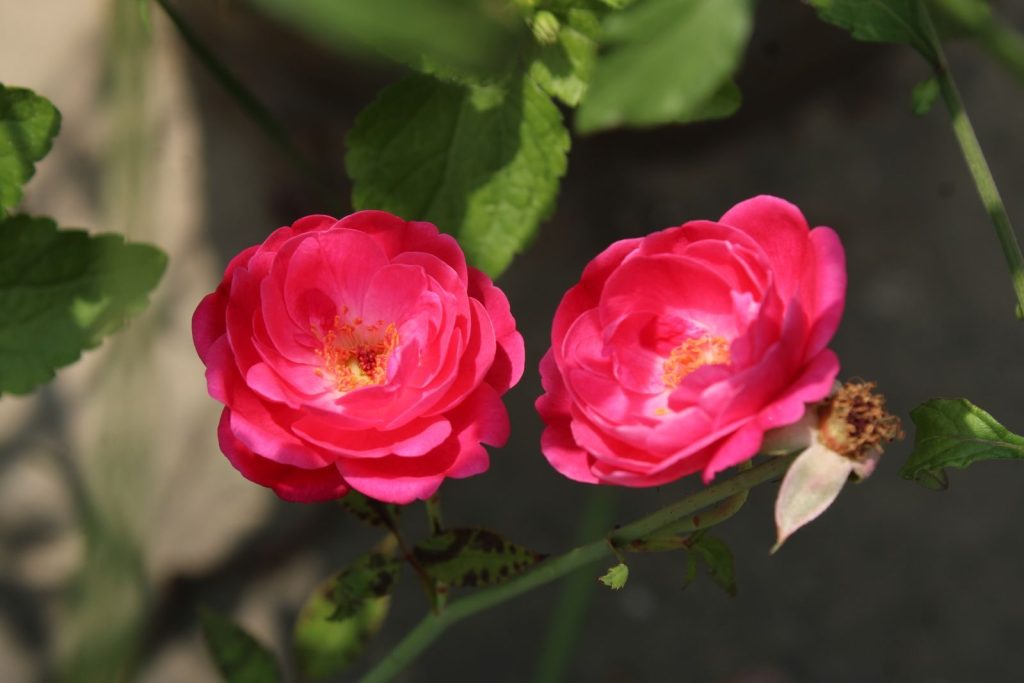
Roses are not automatically poor choices for bees. The concern is with heavily doubled forms in which extra petals replace or conceal stamens and other reproductive structures. Xerces guidance notes that modern ornamental breeding can reduce pollen or nectar value, and double blooms may block access entirely. If you want roses in a pollinator garden, look for single or semi-double flowers with open centers, where bees can land easily and reach pollen-bearing parts without forcing through layers of petals.
Double Dahlias
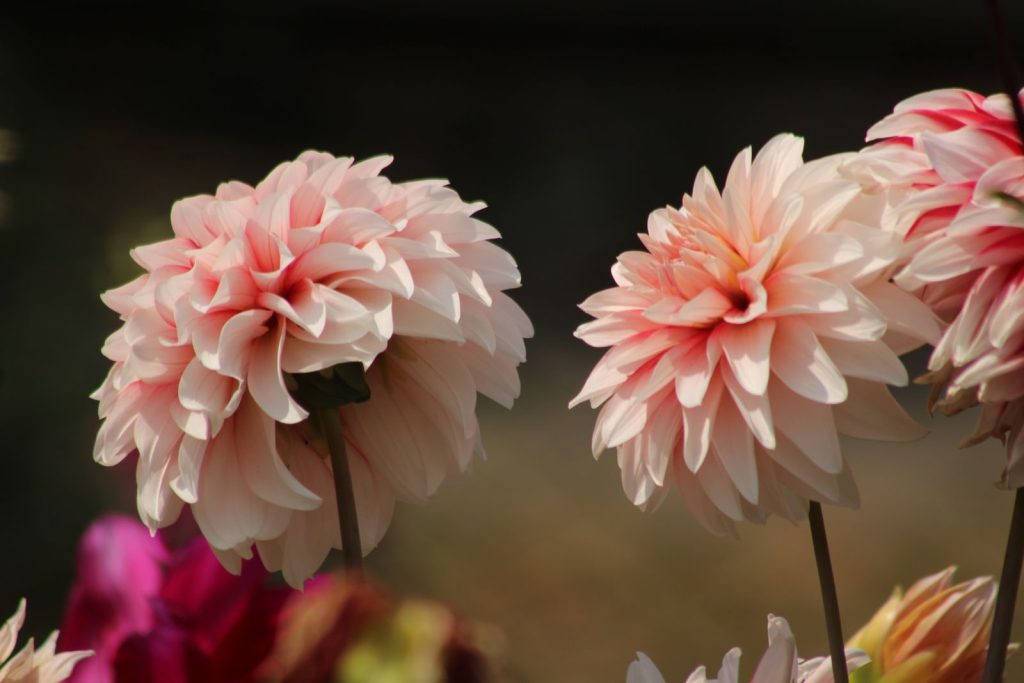
Dahlias range from open-centered forms to densely packed decorative blooms. For bees, that difference matters. A simple dahlia exposes its central disk and gives visiting insects a clear place to land and forage. Heavily double cultivars can hide or replace useful floral structures beneath layers of petals. Gardeners do not need to abandon dahlias, but choosing open forms makes the planting more functional for pollinators while preserving the color and long flowering season that make dahlias popular.
Double Zinnias
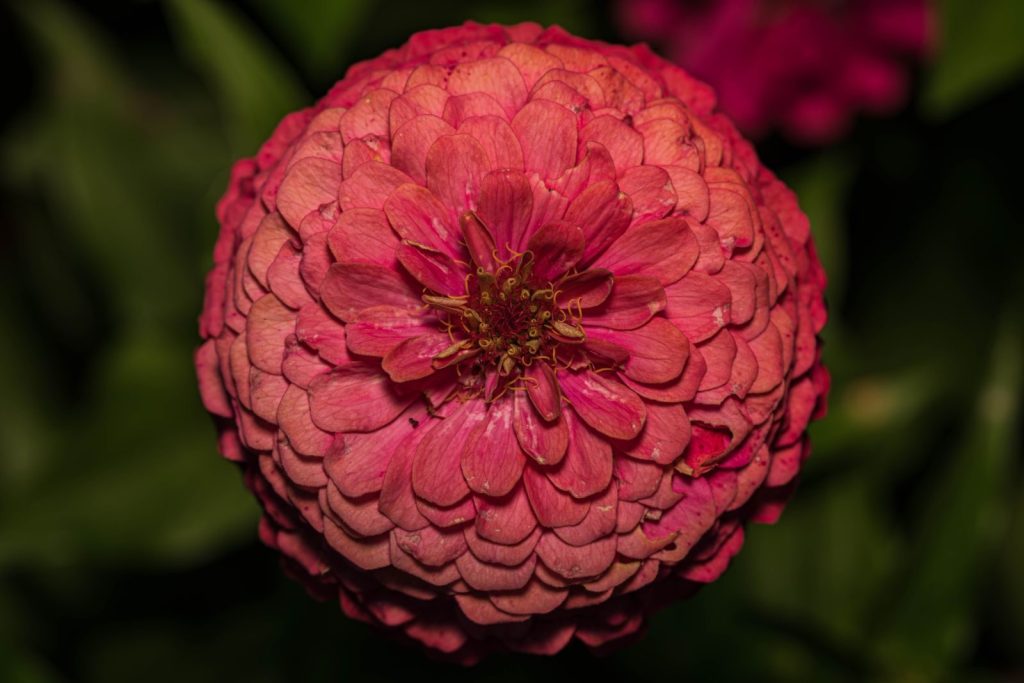
Zinnias can attract bees and butterflies, especially when flowers have open, accessible centers. Densely doubled zinnias may be less useful because multiple rows of petals can make pollen and nectar harder to reach. The simplest test is visual: if the flower’s center is clearly exposed, a visiting bee has a straightforward landing and feeding area. For a pollinator bed, mix open zinnias with native flowering plants so bees have dependable forage even when ornamental cultivars vary in value.
Double Marigolds

Marigolds are widely planted for color, but heavily doubled varieties can create the same accessibility problem seen in other ornamentals. A flower head packed with petals may offer less usable pollen or nectar than a simpler form with reproductive structures exposed. If bee support is the main goal, choose open-centered marigolds rather than the roundest, most densely petaled cultivars. Better still, combine them with regionally suitable native flowers that provide reliable resources across different parts of the growing season.
Double Chrysanthemums

Chrysanthemums come in many forms, from daisy-like flowers with visible centers to dense pompons with tightly packed petals. For pollinators, open flowers are generally the safer choice because pollen and nectar are easier to reach. Highly modified decorative forms may provide much less food. If chrysanthemums are important for late-season color, select simpler cultivars and add other fall-blooming plants that are known to supply bees with accessible nectar and pollen when fewer flowers remain available.
Double Peonies

Peonies illustrate why flower structure matters. Single peonies expose a clear center containing stamens, while fully double forms can be crowded with petals. That ornamental transformation may reduce the amount of accessible pollen and make foraging more difficult. Gardeners who love peonies can still include them, but pollinator-focused beds benefit from single or semi-double selections. Pairing peonies with additional flowering species also prevents one short blooming period from becoming the garden’s only source of bee food.
Double Begonias

Begonias are grown mainly for ornamental value, and many cultivars have been selected for large, showy, double flowers. Those extra petals can make floral rewards less accessible or reduce the reproductive structures bees use. If your priority is supporting pollinators, do not assume a large bloom automatically provides more food. Choose simpler flower forms where possible and devote more garden space to plants known to produce accessible pollen and nectar for local bees throughout the season.
Double Impatiens
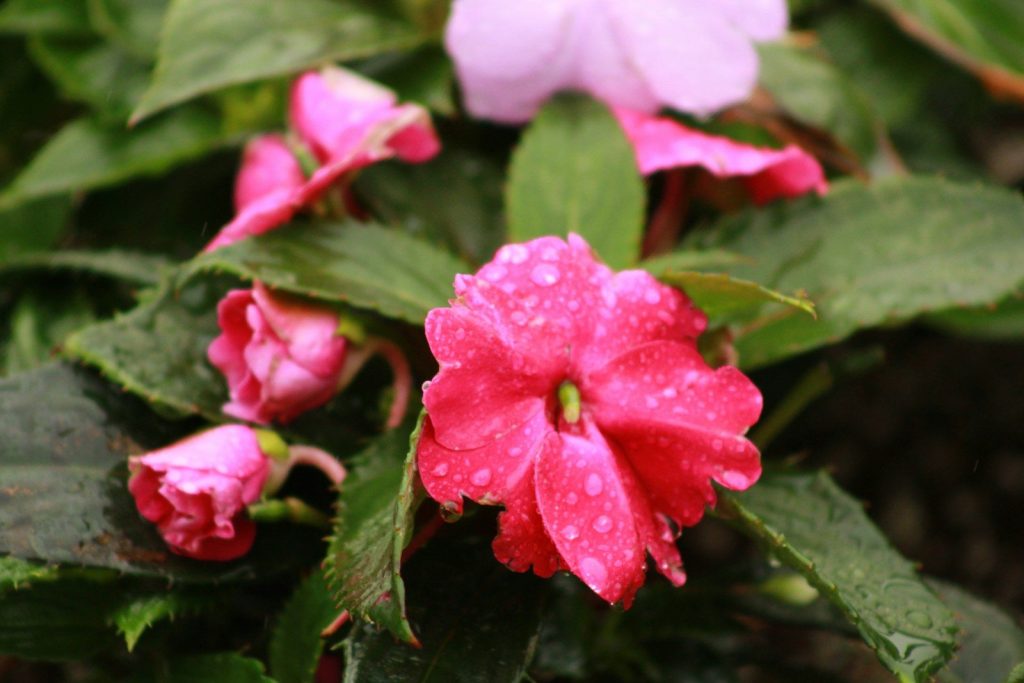
Double impatiens produce rose-like blooms with extra petals, but decorative complexity is not the same as pollinator value. Heavily modified flowers may offer less accessible pollen or nectar than open forms. In shady gardens, where impatiens are often used, consider combining ornamental plants with shade-tolerant native flowers suited to your region. That approach preserves the visual effect you want while ensuring bees have dependable food sources rather than relying on a cultivar bred mainly for human preferences.
Double Hollyhocks and Camellias

Hollyhocks and camellias both come in simple and heavily doubled forms, so neither plant should be rejected as an entire group. The useful distinction is whether bees can easily reach the flower’s reproductive structures. Single blooms with visible stamens are generally more accessible than densely petaled varieties. When buying either plant, examine the flower rather than relying only on the species name. A garden built around open blooms and diverse flowering periods offers bees more dependable feeding opportunities.
Featured Image: Photo by Markus Spiske on Pexels