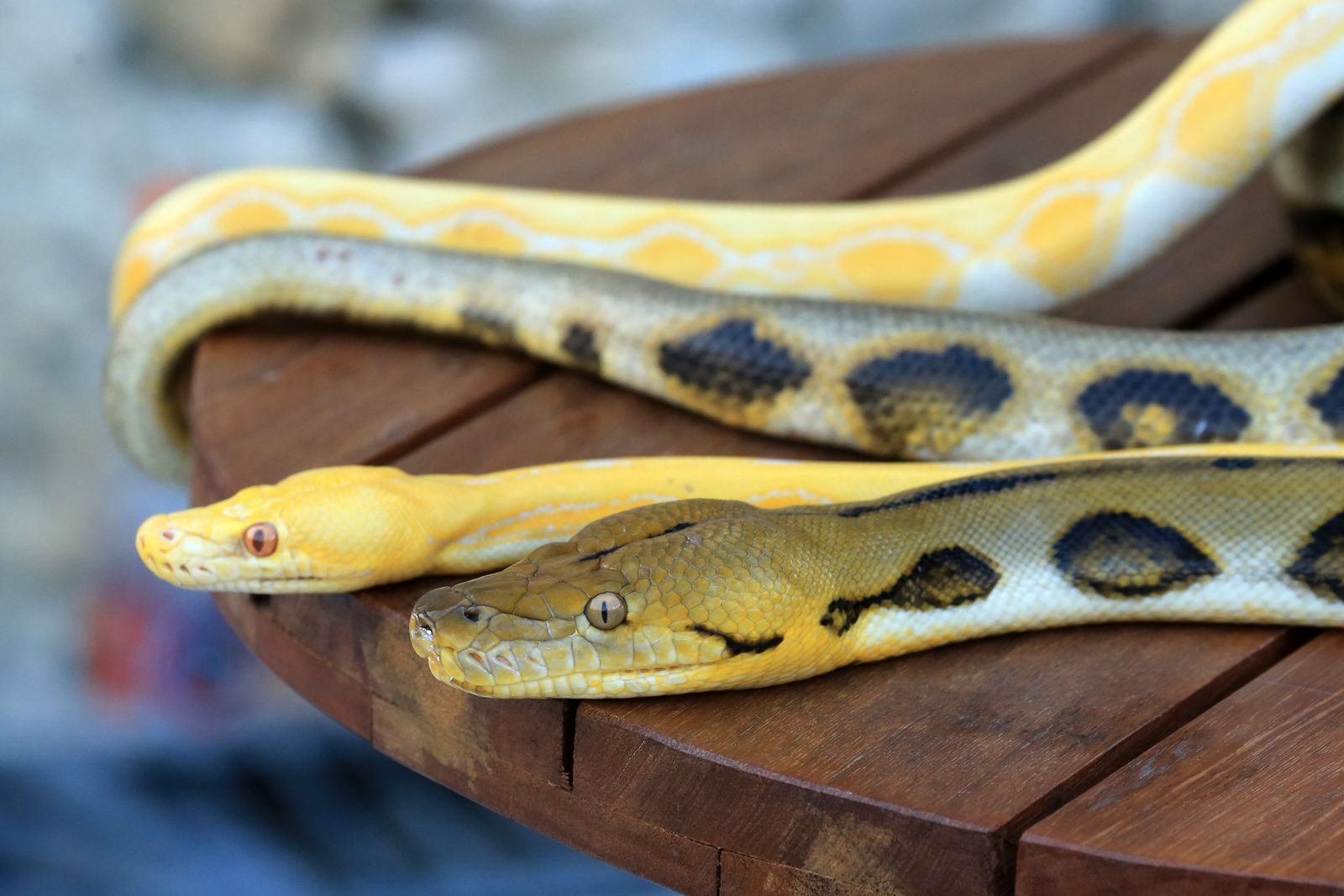
The snake behind this concern is the Burmese python, an invasive constrictor already established across much of South Florida. In 2026, attention shifted northward after wildlife officials confirmed another established population in western Charlotte County, outside the species’ better-known Everglades stronghold.
That does not mean Burmese pythons are spreading across the entire United States. The immediate issue is regional: a large, secretive predator has established another Florida population, raising fresh questions about native wildlife, detection, and control.
Burmese Python

Burmese pythons are large, nonvenomous constrictors native to parts of South and Southeast Asia. Florida wildlife officials classify them as invasive because established populations prey on native animals and can reduce local wildlife numbers. Adults captured in Florida commonly reach several feet long, while exceptional individuals exceed 18 feet.
Their size attracts attention, but venom is not the concern. These snakes kill prey by constriction and eat mammals, birds, and reptiles. Florida necropsies have also found protected native species in python stomachs, showing why managers treat the invasion primarily as an ecological problem rather than a typical snakebite threat.
Charlotte County Pythons

In July 2026, the Florida Fish and Wildlife Conservation Commission told ABC News that Burmese pythons were considered established in part of western Charlotte County on Florida’s Gulf Coast. That matters because the location sits north of the invasion’s long-recognized core in and around the Everglades.
Officials indicated that this population was probably linked to escaped or released captive snakes rather than a simple northward march from the Everglades. Establishment means evidence points to a reproducing local population, not merely one wandering pet. That creates a second management front where early detection could be especially important.
Everglades Python Invasion

Florida’s best-known Burmese python population became established in the Greater Everglades ecosystem after nonnative snakes entered the wild. The pet trade played an important role in introductions, although no single release explains the entire population. Warm South Florida wetlands provided suitable conditions for a large tropical constrictor.
Once established, pythons became extremely difficult to eradicate. They can move through wetlands, use canals and levees, remain hidden in dense vegetation, and reproduce in the wild. The result is not simply a collection of escaped pets anymore, but a self-sustaining invasive predator population requiring long-term control.
Native Mammal Declines

USGS research has linked the Burmese python invasion to dramatic declines in several medium-sized mammals in parts of the Everglades. Road surveys documented steep reductions in sightings of raccoons, opossums, rabbits, and bobcats where pythons had become established, although wildlife populations can be influenced by more than one factor.
Experimental and field evidence strengthened the case that python predation is a major driver. This is the core reason wildlife agencies worry about range expansion: a new breeding population can place unfamiliar native prey communities under pressure before managers fully understand how many snakes are present.
Burmese Python Diet

Burmese pythons are generalist predators, meaning they are not dependent on one prey species. Florida wildlife officials have documented mammals, birds, and reptiles in their diets, including animals that are themselves protected. Large pythons can also swallow surprisingly large prey because their anatomy allows an enormous gape.
That flexibility helps an invasive predator survive in new environments. If one prey species becomes scarce, a python can exploit others rather than immediately disappear. The concern in Charlotte County is therefore broader than any single threatened animal: many species sharing the same wetlands and uplands could potentially become prey.
Hidden Burmese Pythons
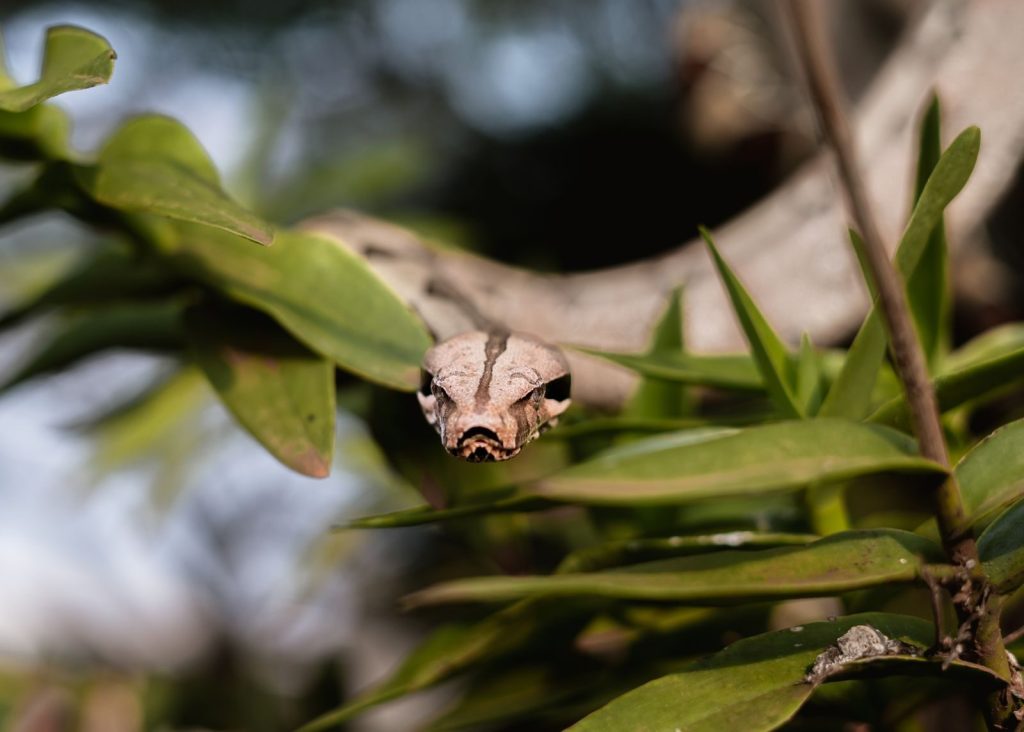
One of the biggest management problems is simple detection. Burmese pythons have patterned skin that blends into vegetation, spend time near or in water, and can remain motionless for long periods. Even trained searchers can pass close to a snake without seeing it, especially in dense subtropical habitat.
That means capture numbers do not reveal the true population size. A place can contain reproducing pythons before people collect enough observations to prove establishment. Florida officials specifically note that the species’ cryptic nature can make range changes slow to confirm, which helps explain why new hotspots demand careful monitoring.
Florida Python Removal
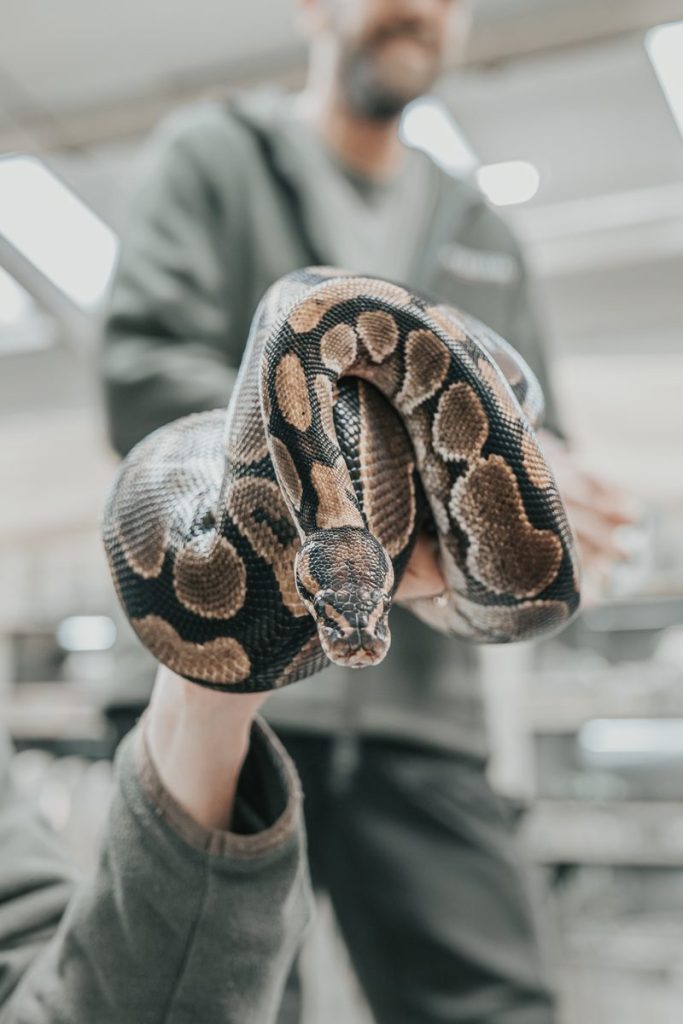
Florida uses several approaches rather than relying on one annual hunt. Professional contractors remove pythons throughout the year, members of the public can legally remove them in authorized circumstances, and agencies run training, research, tracking, and reporting programs. The Florida Python Challenge adds a short, highly visible removal competition.
In the 2026 challenge, 907 participants removed 280 Burmese pythons during the ten-day event. That effort raises awareness and removes real predators, but managers do not describe a single contest as a cure. Long-term pressure and better detection remain necessary because the established population is widespread and difficult to count.
Reporting Python Sightings

Florida residents who think they have seen a Burmese python should document the animal from a safe distance rather than handling it. The FWC asks for a clear photograph, an accurate location, and the date because those details help biologists verify nonnative-wildlife reports and map possible range changes.
Reports can be submitted through Florida’s IveGot1 system or invasive-species hotline. The new Charlotte County concern shows why public observations matter: repeated, verifiable records can reveal populations outside known strongholds. A python sighting in another state would require local wildlife guidance, because laws and appropriate responses differ by jurisdiction.
Featured Image: Photo by Jeffry Surianto on Pexels