A Virginia opossum wandering through a yard is usually not a reason to panic. These nocturnal marsupials are opportunistic scavengers and foragers that often pass through neighborhoods while searching for insects, fallen fruit, carrion, and other easy food.
They can create minor nuisances, but wildlife agencies also recognize useful roles for opossums around developed areas. One popular claim needs correction, however: current evidence does not support the idea that every opossum devours thousands of ticks each season.
Virginia Opossum
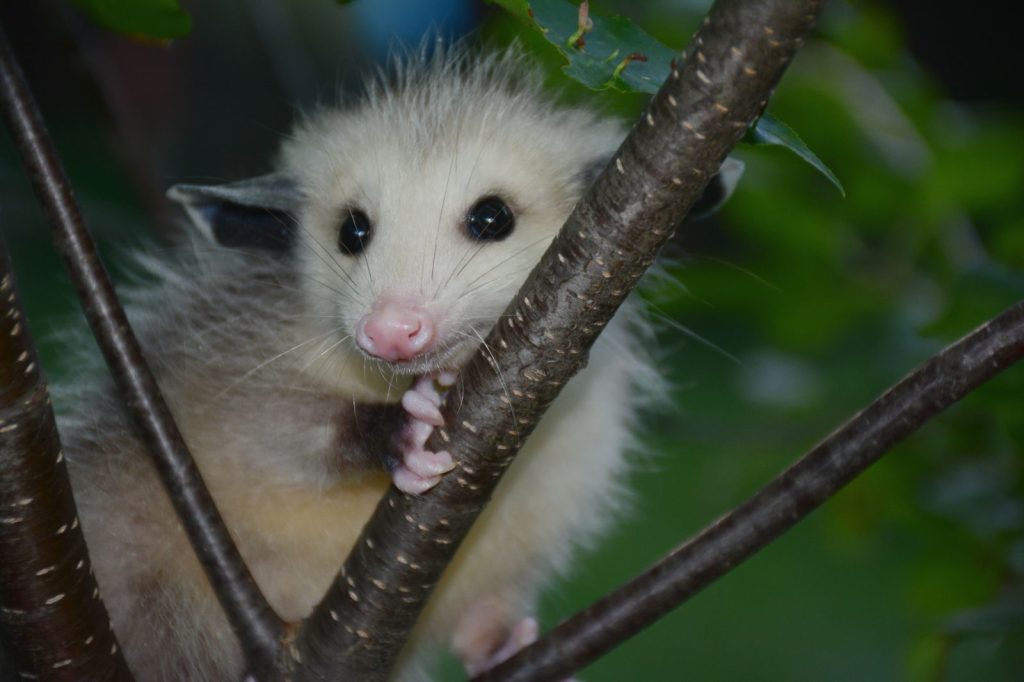
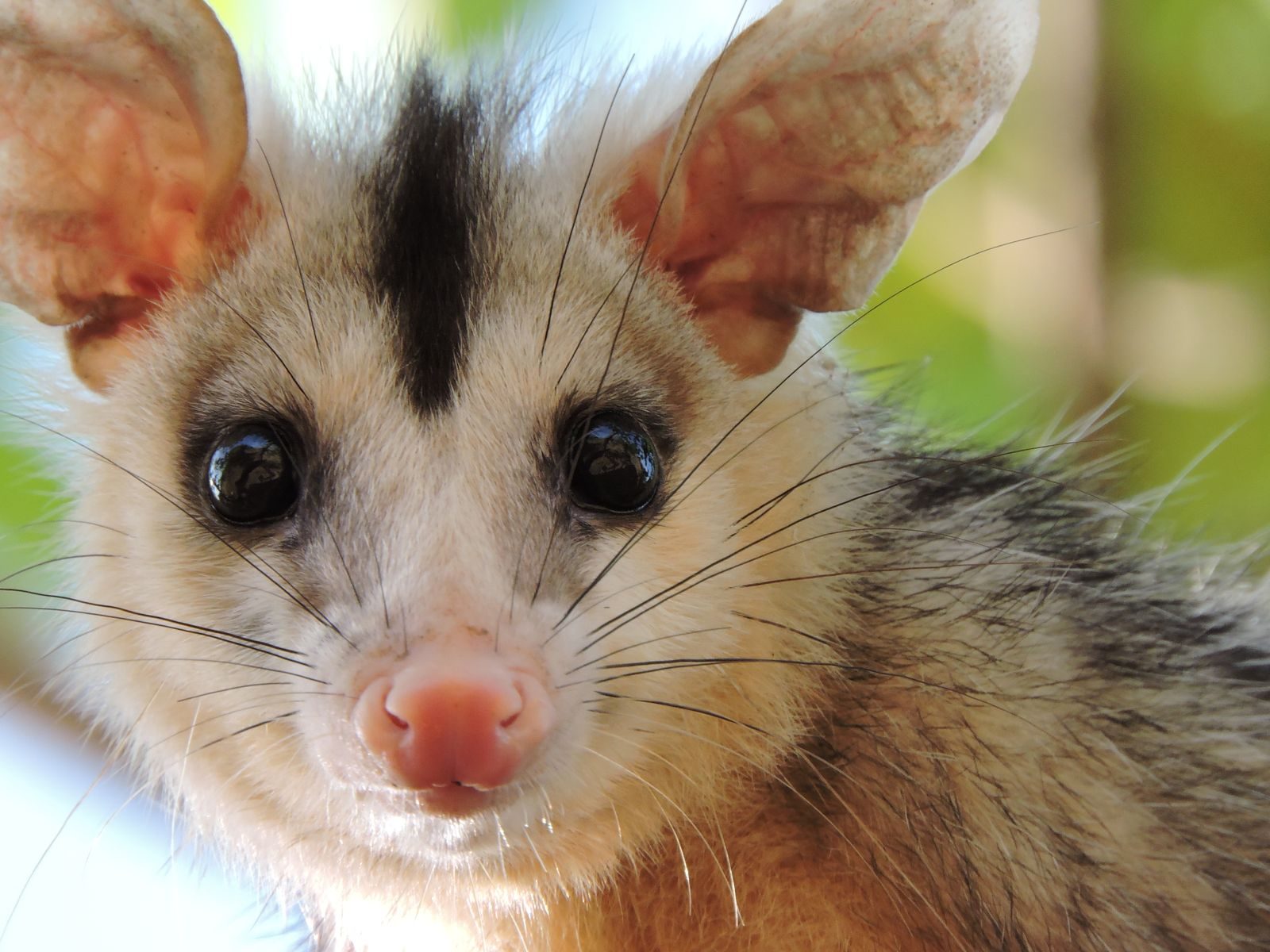
The Virginia opossum is the only marsupial native to the United States and Canada. Adults are roughly cat-sized, with grayish fur, a pointed face, rounded bare ears, and a long prehensile tail. They are mostly nocturnal, so a yard visit often happens after people have gone indoors.
Opossums are adaptable rather than highly territorial backyard residents. They may shelter beneath decks, in sheds, tree cavities, hollow logs, or abandoned burrows, then move on to another resting place. Seeing one outdoors does not automatically mean it has moved permanently into the house or established a dangerous den nearby.
Opossum Scavenging
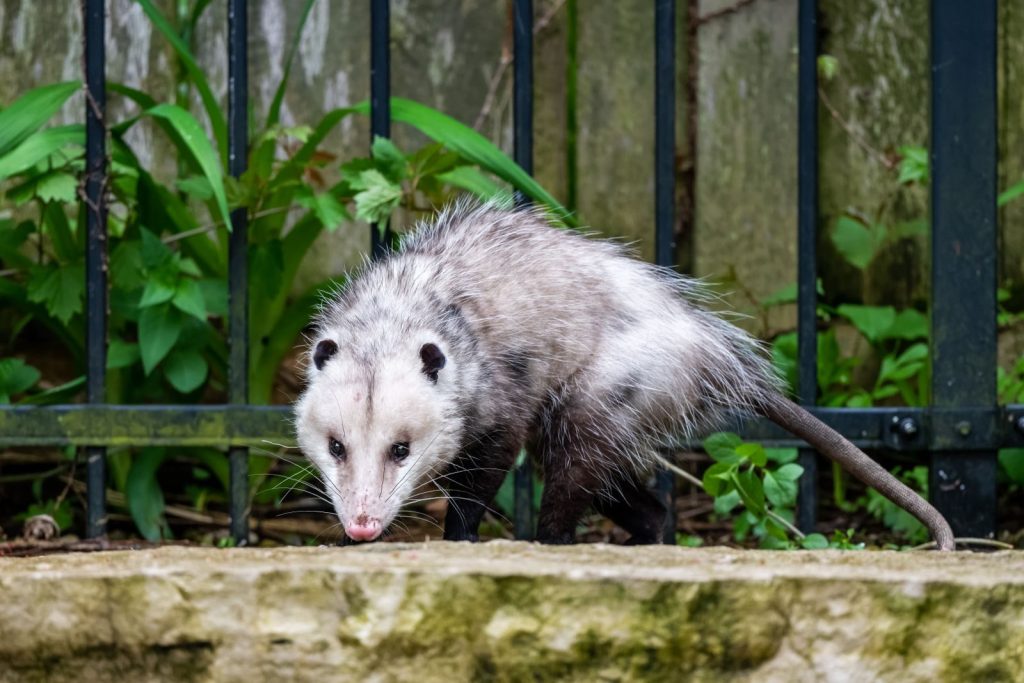
Opossums are omnivores and scavengers, so part of their ecological role involves eating material other animals leave behind. State wildlife agencies list carrion among their normal foods, along with insects, worms, fruits, small vertebrates, and other items they encounter while foraging at night.
That scavenging can be useful in developed areas. Washington wildlife officials specifically describe urban opossums as beneficial consumers of carrion and rodents, while also noting that they clean up uneaten food that could otherwise attract mice and rats. They are not sanitation workers, but their diet can remove some unwanted organic material.
Opossum Diet

A backyard opossum may eat beetles, worms, snails, slugs, other invertebrates, and occasionally small mammals or reptiles. Its diet changes with whatever food is available, which is why wildlife agencies describe the species as an opportunistic omnivore rather than a specialist pest-control animal.
This feeding behavior can still benefit a yard because some prey items are species homeowners consider pests. The important point is not to exaggerate the service. An opossum will not selectively patrol a property for unwanted insects or rodents; it simply eats many different foods as it travels through its home range.
Opossums and Ticks
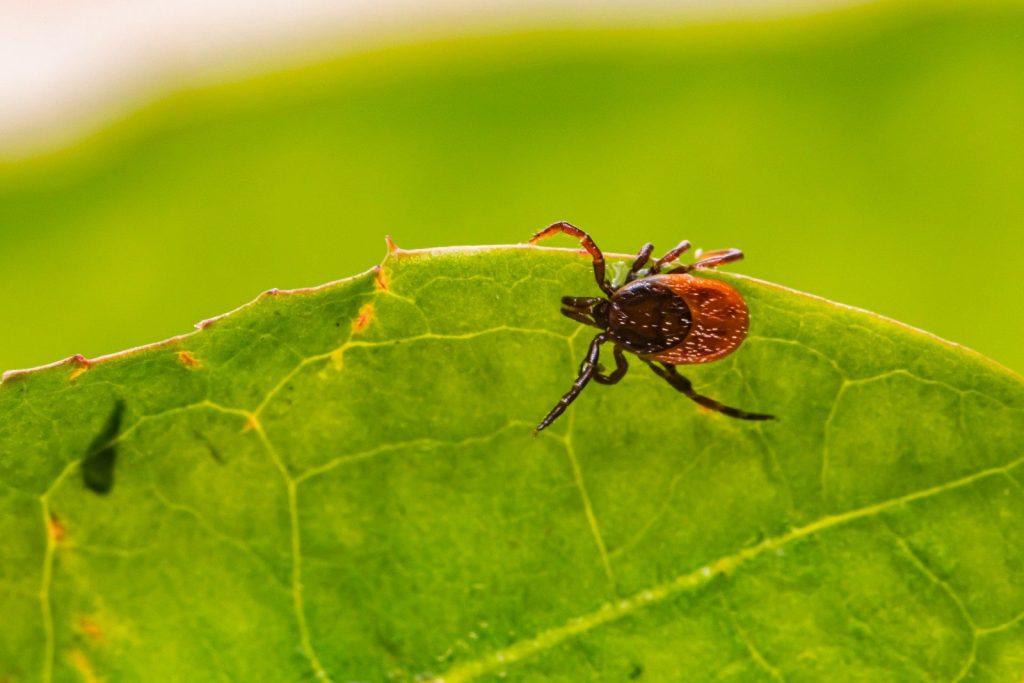
For years, popular posts claimed one opossum could eat thousands of ticks every season. That number grew from a laboratory study in which researchers placed ticks on captive animals and inferred that missing ticks had probably been groomed off and swallowed. Later work challenged that assumption.
A 2021 study examined stomach contents from wild Virginia opossums and found no tick parts, even though ticks were present on some carcasses. Illinois Extension now advises against attracting opossums specifically for tick control. They may occasionally consume ticks, but strong evidence for the famous thousands-per-season claim is lacking.
Opossums and Rabies

Opossums are reported with rabies far less often than major U.S. wildlife reservoirs such as bats, raccoons, skunks, and foxes. CDC material has also described rabies transmission from opossums as rare. That lower frequency should not be turned into the claim that opossums can never become infected.
Any mammal can potentially carry rabies after exposure to the virus, and documented opossum cases exist. People should therefore avoid touching, cornering, or attempting to handle a wild opossum. A bite or scratch that breaks the skin deserves prompt medical advice and contact with local public-health authorities.
Playing Dead
When escape fails, an opossum may enter the famous state called “playing possum.” The animal can become motionless, lie on its side, bare its teeth, drool, and release a strong odor. This response can make a predator lose interest in what appears to be dead prey.
The defensive state may continue while the perceived threat remains nearby, so an apparently lifeless opossum is not necessarily dead. If the animal has no obvious severe injury, giving it space is safer than approaching, poking, or attempting to pick it up to determine whether it is alive.
Backyard Opossums

If an opossum is merely crossing a yard, the simplest response is usually to leave it alone. Homeowners can reduce repeated visits by securing garbage, bringing pet food indoors, collecting fallen fruit, and blocking access beneath structures after confirming that no animal is trapped inside.
Feeding opossums intentionally is unnecessary and can create new problems by attracting other wildlife or changing natural behavior. A passing animal may disappear on its own because opossums use multiple shelter sites. Pets should be supervised outdoors, and direct contact with any wild mammal should be avoided.
Injured Opossums

Professional help becomes appropriate when an opossum is clearly injured, trapped inside a building, repeatedly entering a dangerous location, or when dependent young are involved. Wildlife rehabilitation and nuisance-animal rules vary by state, so local wildlife agencies are better guides than improvised relocation.
Do not assume that a solitary juvenile automatically needs rescue, and do not attempt to raise a wild opossum as a pet. If an animal is behaving abnormally, has had direct contact with a person or pet, or cannot leave safely, contact animal control, a licensed rehabilitator, or the relevant wildlife authority.
Featured Image: Photo by Gleive Marcio Rodrigues de Souza on Pexels