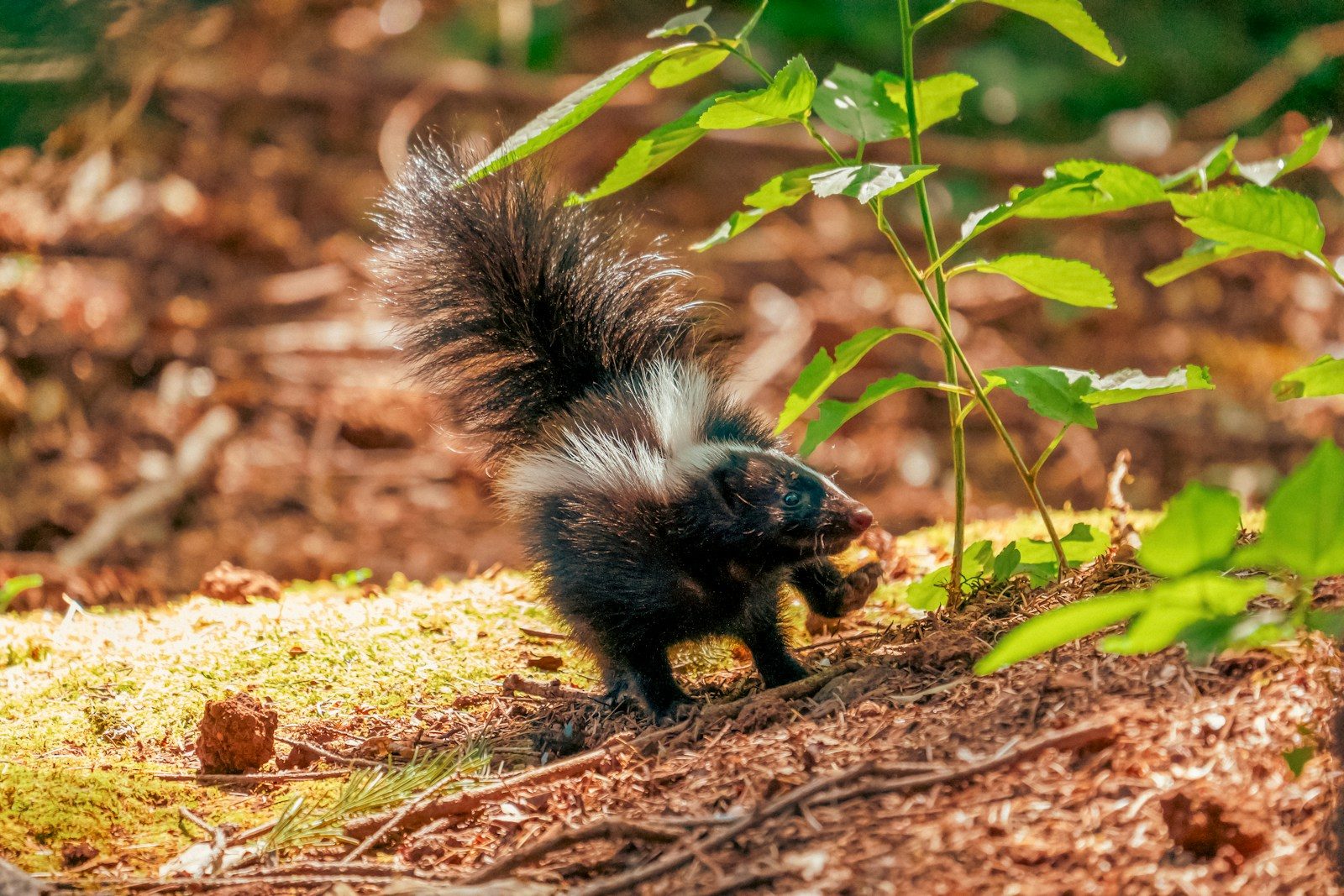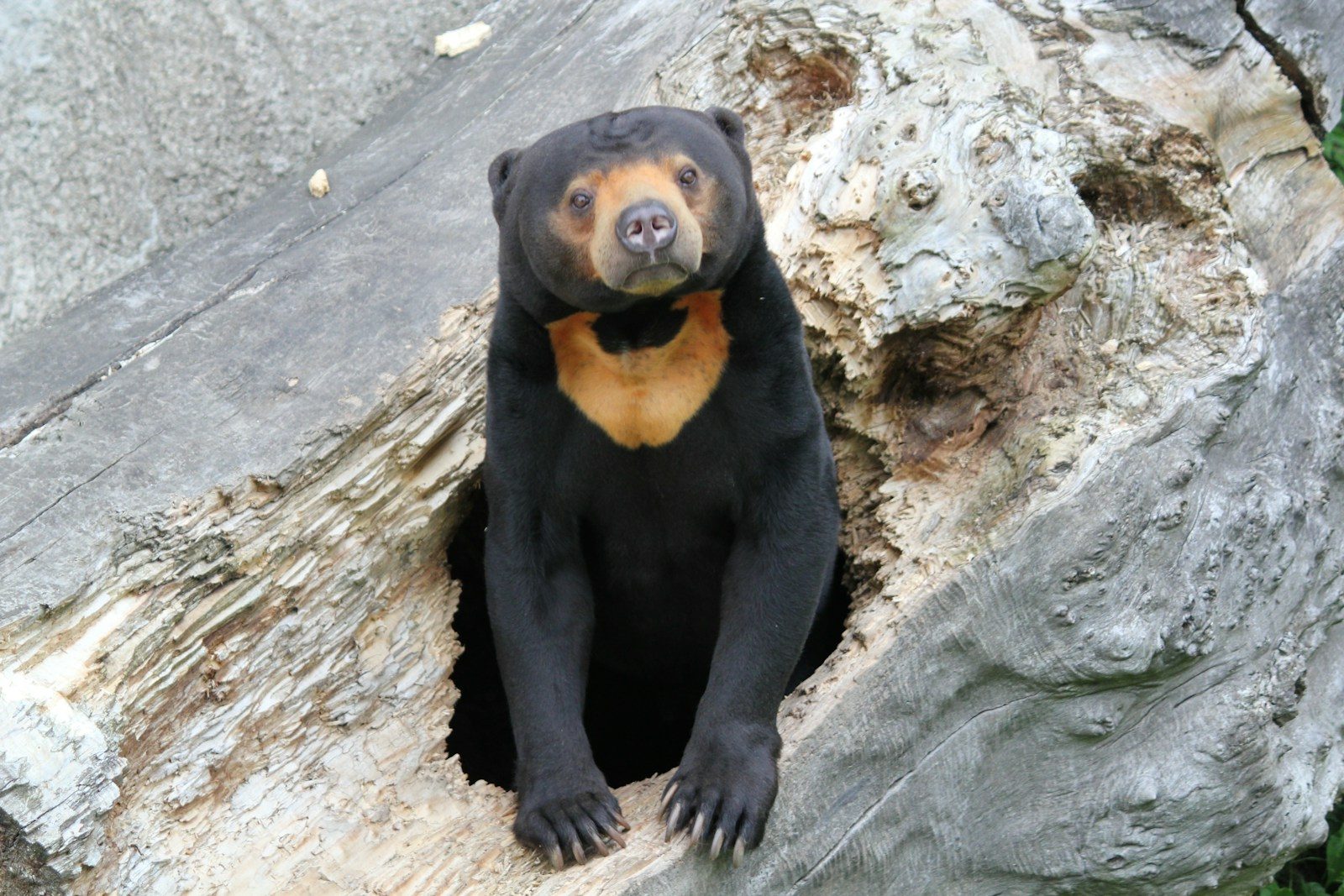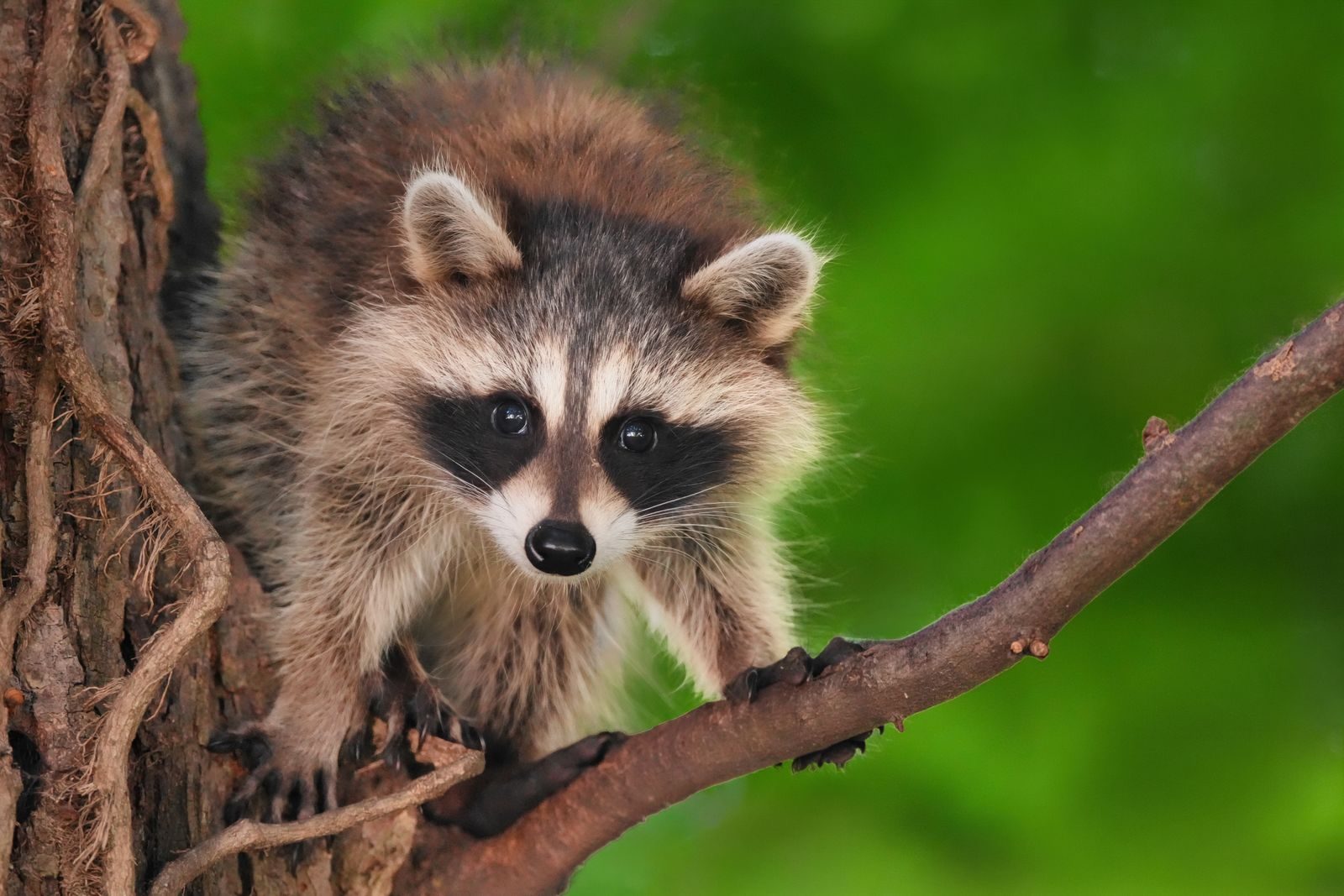
Injured or trapped animals sometimes approach people or remain unusually calm during rescue attempts. Their behavior can look like a direct request for help, especially when they allow an obstruction to be removed.
Scientists cannot always determine what an animal intended. Exhaustion, confusion, curiosity, learned experience, or the absence of another escape route can produce behavior that humans interpret as trust.
Intent Is Difficult to Prove

An animal that remains near a person may understand that interference is ending its discomfort, but that conclusion cannot always be demonstrated. Responsible reporting should describe what the animal did without claiming to know every thought or emotion behind the behavior.
A Dolphin Approaches a Diver
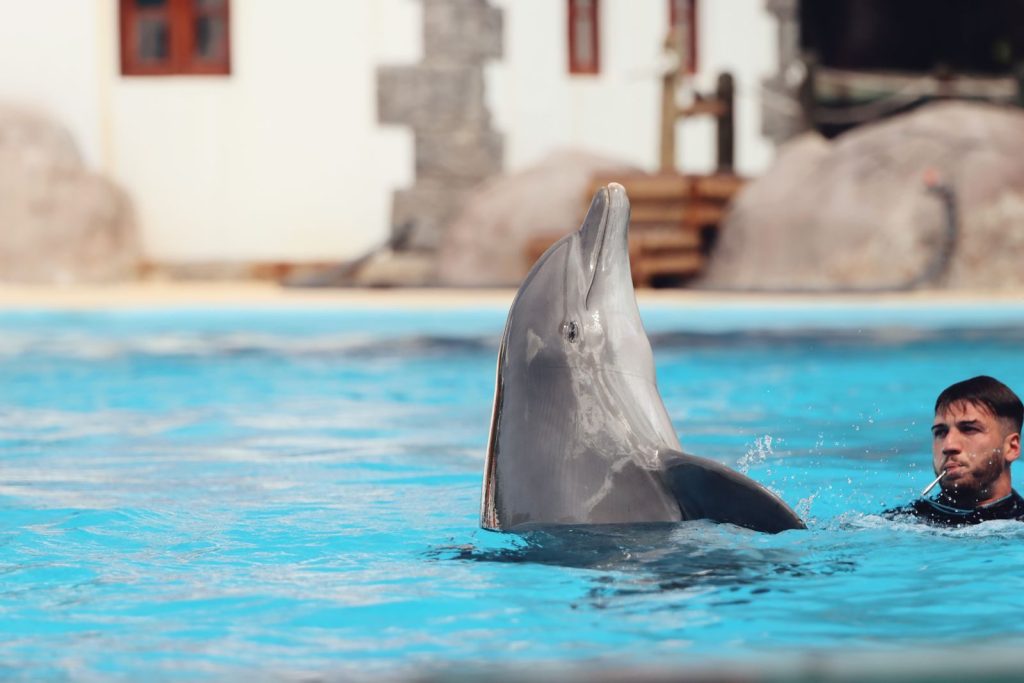
In 2013, a bottlenose dolphin approached diver Keller Laros near Kona, Hawaii. Fishing line was wrapped around its body and embedded near a fin. The dolphin stayed close while Laros carefully cut the line and removed a hook before the animal swam away.
A Team Frees Another Dolphin
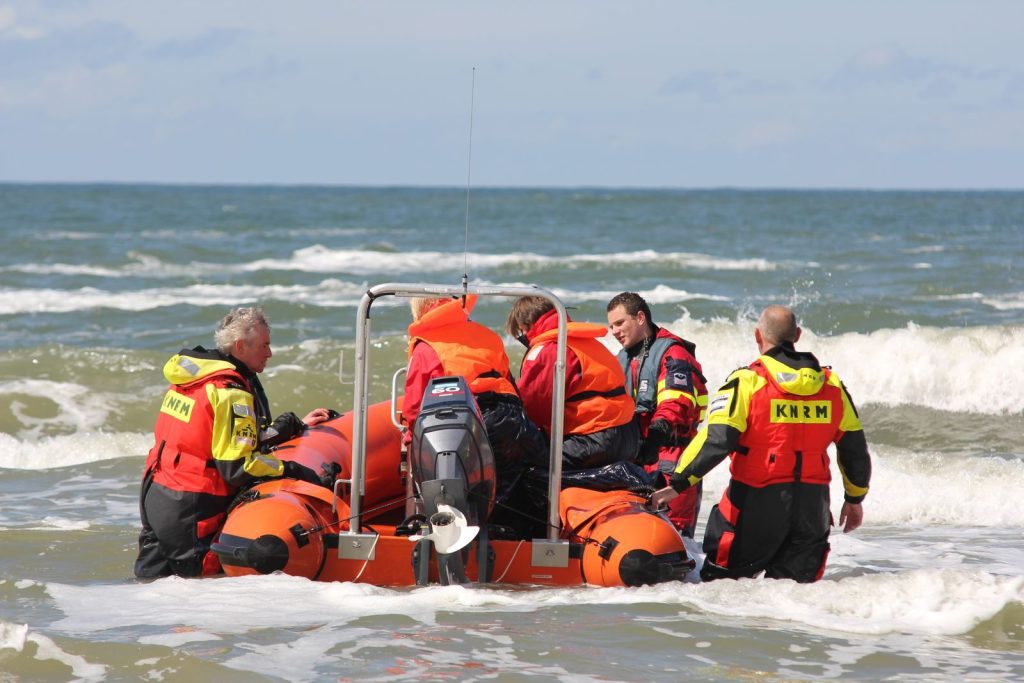
A young Florida dolphin developed a severe injury after fishing line became embedded around its tail. A coordinated rescue involved eight boats and 48 people. Specialists restrained the dolphin briefly, removed the line, treated the wound, and released it after it demonstrated strong swimming.
Honeyguides Recruit People

Greater honeyguides deliberately lead human honey hunters to wild bees’ nests. Experiments found that the birds respond to specialised human calls, while people open the nests and leave wax for the birds. This is one of the clearest documented partnerships between humans and free-living wild animals.
A Dog Finds Emergency Help

In Pittsburgh in July 2025, a dog reportedly approached a stranger and led him to two unconscious people at a tent encampment. The stranger contacted emergency services, and both people received help. The dog’s repeated movement toward the site appeared to direct the man’s attention to the emergency.
An Elephant Finds Calm
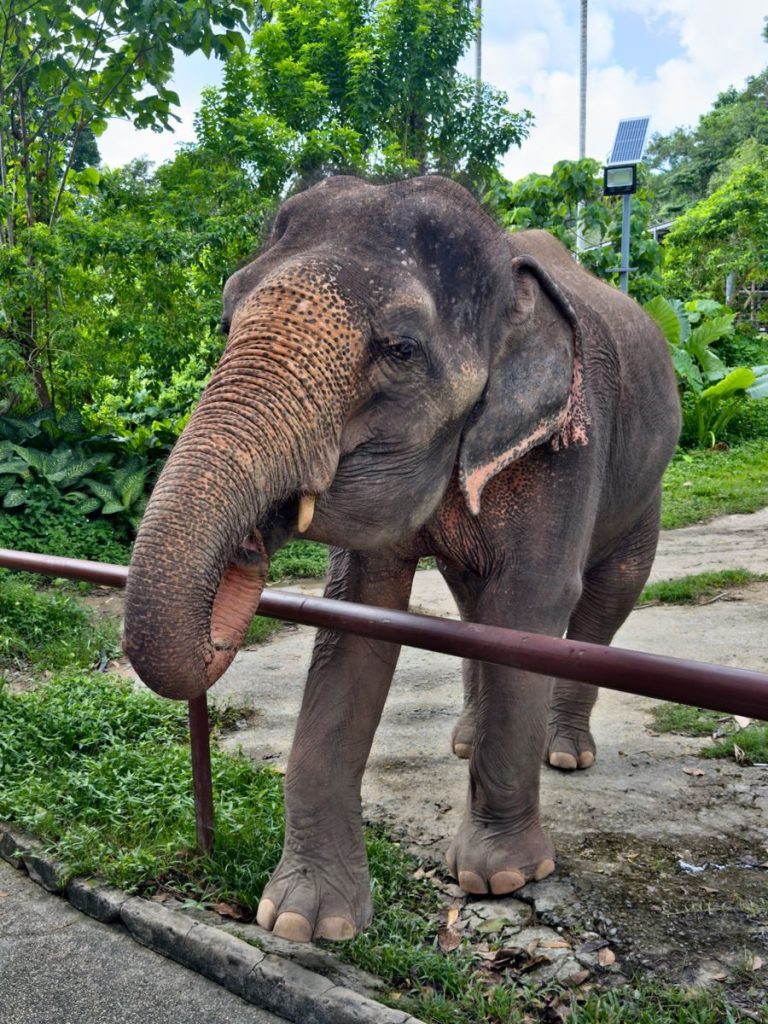
A distressed wild elephant identified as E-5 formed a calm association with a trained camp elephant named Rama during a difficult rescue in India. Officials said the interaction helped them manage and relocate E-5 more safely than direct pressure from people alone might have allowed.
Kindness Often Means Distance
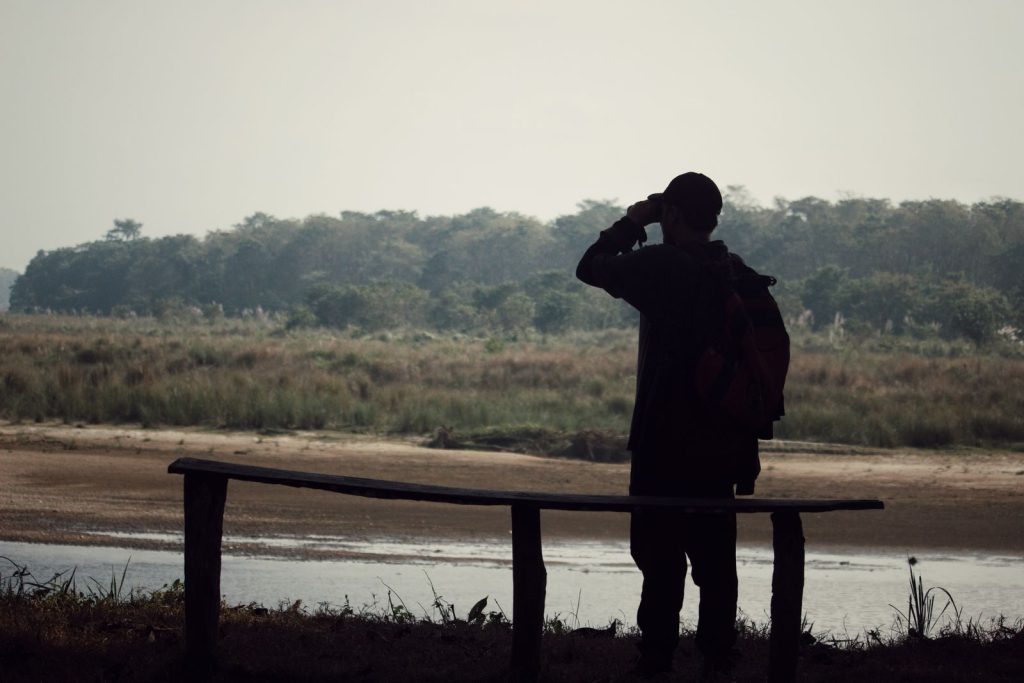
Helping wildlife does not always require touching it. Turning off traffic, controlling pets, removing crowds, observing from a distance, and contacting trained rescuers may be safer than approaching. A frightened animal can bite, kick, scratch, or flee into greater danger despite appearing weak.
Professionals Should Take Over

Wildlife authorities have suitable equipment, legal permits, veterinary support, and knowledge of species-specific behavior. Anyone finding an entangled, stranded, or injured animal should record its location, maintain a safe distance, and contact the appropriate rescue organisation instead of attempting a risky capture.
Featured Image: Photo by David Kanigan on Pexels