Animal parents use very different strategies to keep offspring alive. Some guard nests, some carry or shelter young, and others spend years teaching juveniles where to find food and how to survive. There is no scientific contest for the “most protective” parent, because parental care varies with each species’ ecology and life history. Comparing them directly would oversimplify those different strategies.
These eight examples stand out for unusually intensive care, defense, incubation, feeding, or teaching. Protection does not always mean fighting predators directly. It can mean staying beside a calf, fasting over an egg, sharing food, moving young to safety, or maintaining a long relationship while inexperienced offspring slowly develop the skills needed for independence. These strategies evolved for survival across very different environments.
Orangutans
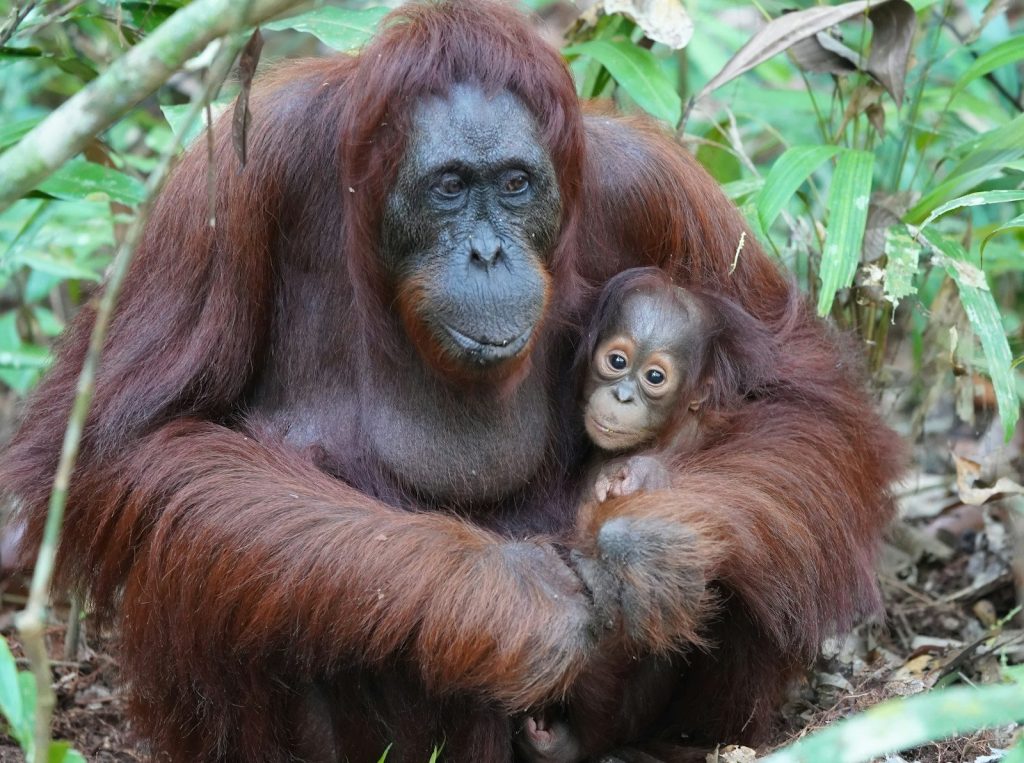
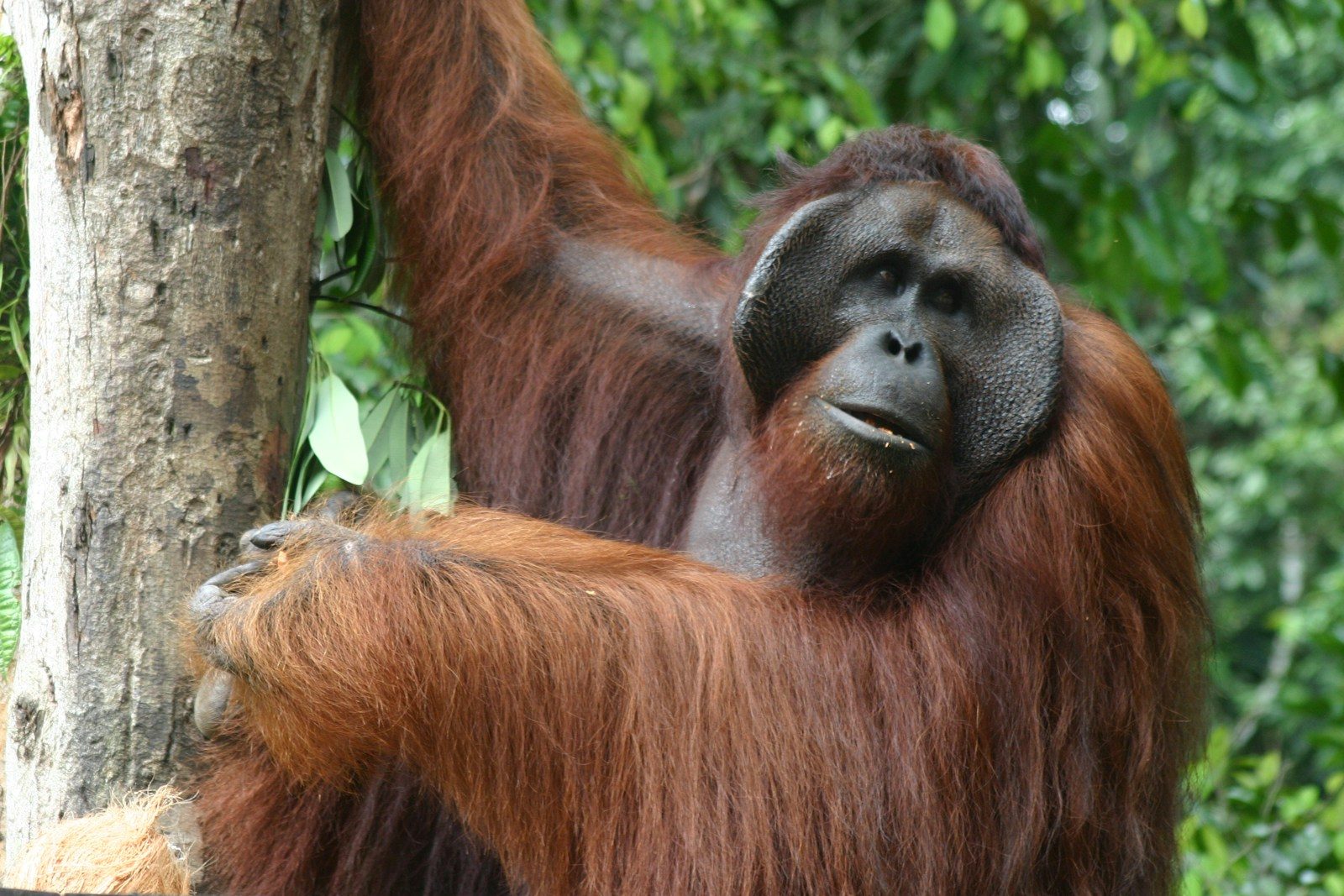
Orangutan mothers provide some of the longest maternal care known among mammals. Youngsters remain closely dependent for years, traveling with their mothers through the forest canopy while learning where seasonal foods can be found and how different items are processed. Smithsonian notes that infants may nurse for six to eight years, and daughters can continue associating with their mothers afterward. This long childhood gives young orangutans time to acquire the detailed ecological knowledge needed to live largely independently in complex tropical forests.
Elephants
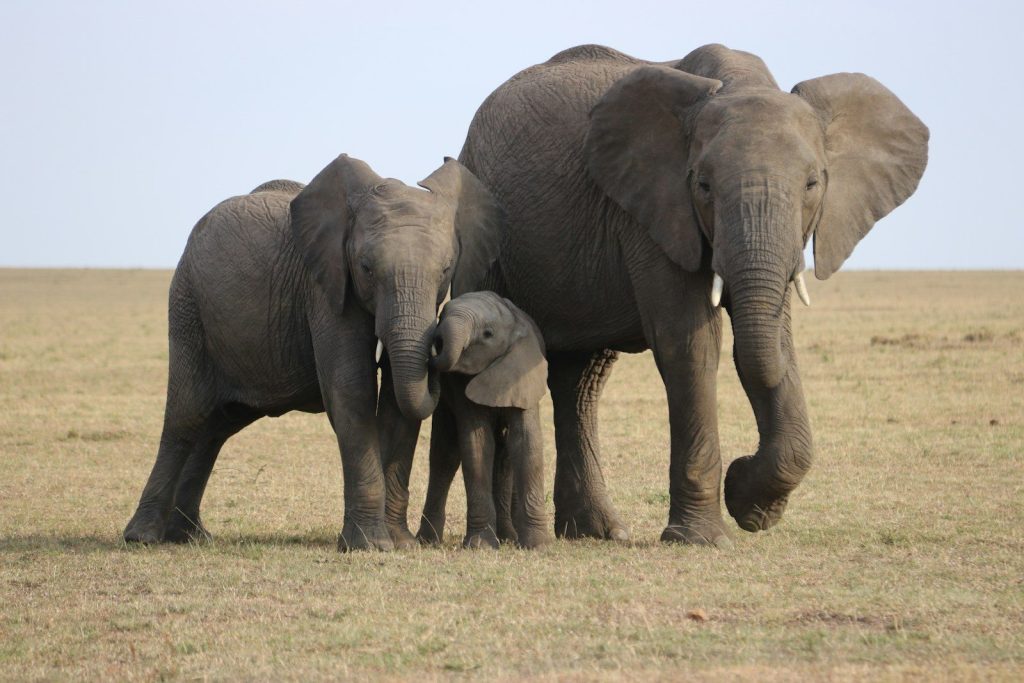
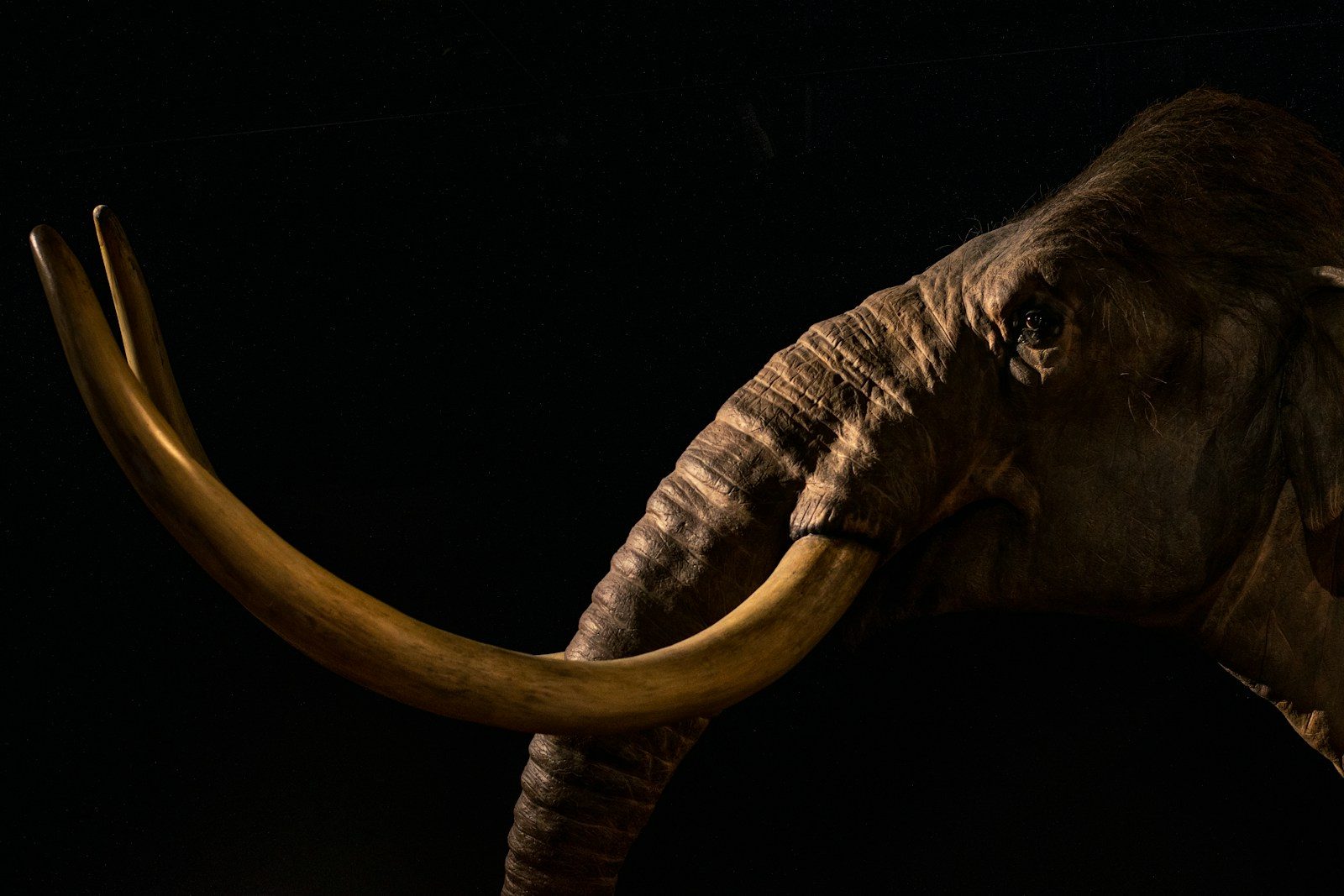
Elephant calves grow up inside highly social family groups in which adults help protect and guide youngsters. San Diego Zoo describes herds forming a defensive “alert circle,” placing young elephants inside while adults face outward when a predator threatens. Calves also stay close to mothers and other females while learning how to navigate their environment. Smithsonian notes that Asian elephant groups cooperate in raising young. Protection therefore comes from both the mother and a wider network of experienced relatives during vulnerable early development.
American Alligators
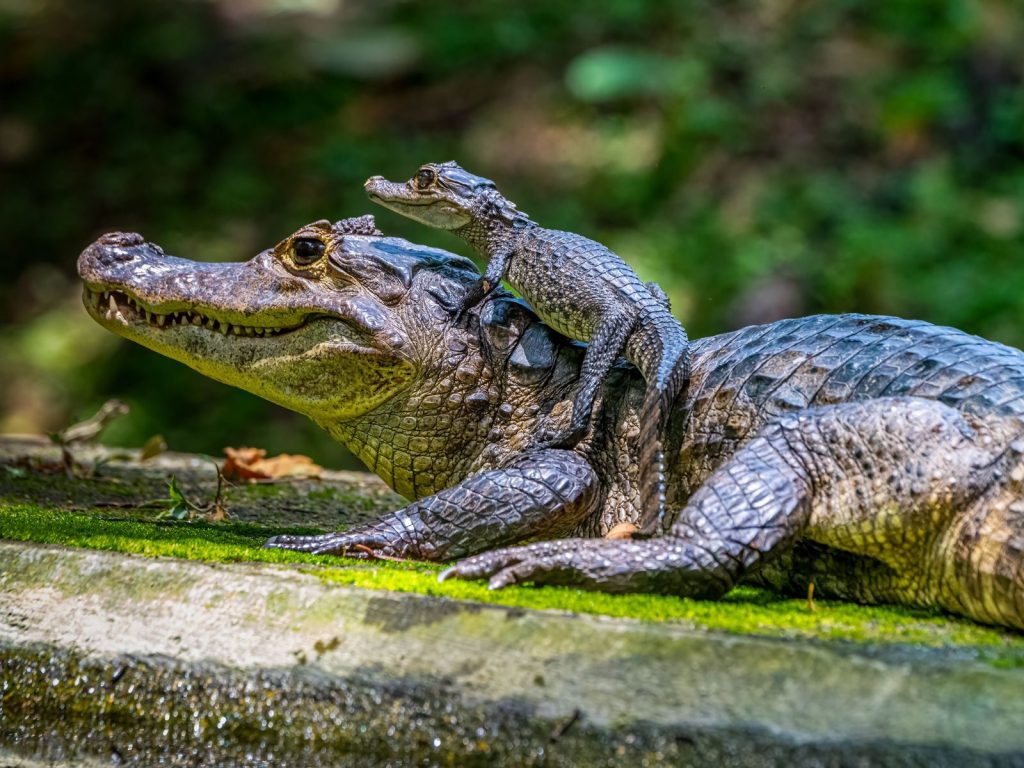
Female American alligators invest far more parental care than many people expect from reptiles. After building and guarding a nest, the mother responds when hatchlings begin calling from inside their eggs. She can uncover the nest and carry young carefully in her mouth toward water. Smithsonian notes that females may aggressively defend offspring during their early lives. The result is a period of maternal protection that begins before hatching and continues while small alligators remain highly vulnerable to predators in wetlands and marshes.
Emperor Penguins
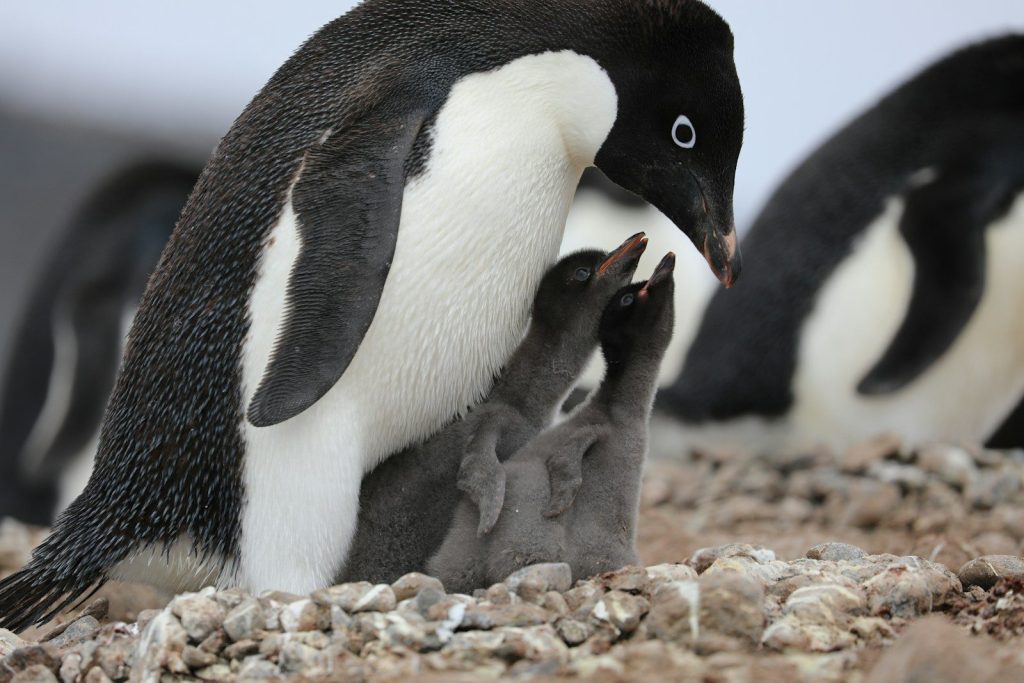
Emperor penguin parenting demands extraordinary endurance from both sexes. After the female lays one egg, she transfers it to the male’s feet and returns to sea to feed. The male keeps the egg insulated beneath a brood pouch through the Antarctic winter while fasting for weeks. SeaWorld notes that he may lose a large share of his body weight during courtship and incubation. When the chick hatches, both parents eventually contribute food and protection while it develops on the ice.
Red Wolves
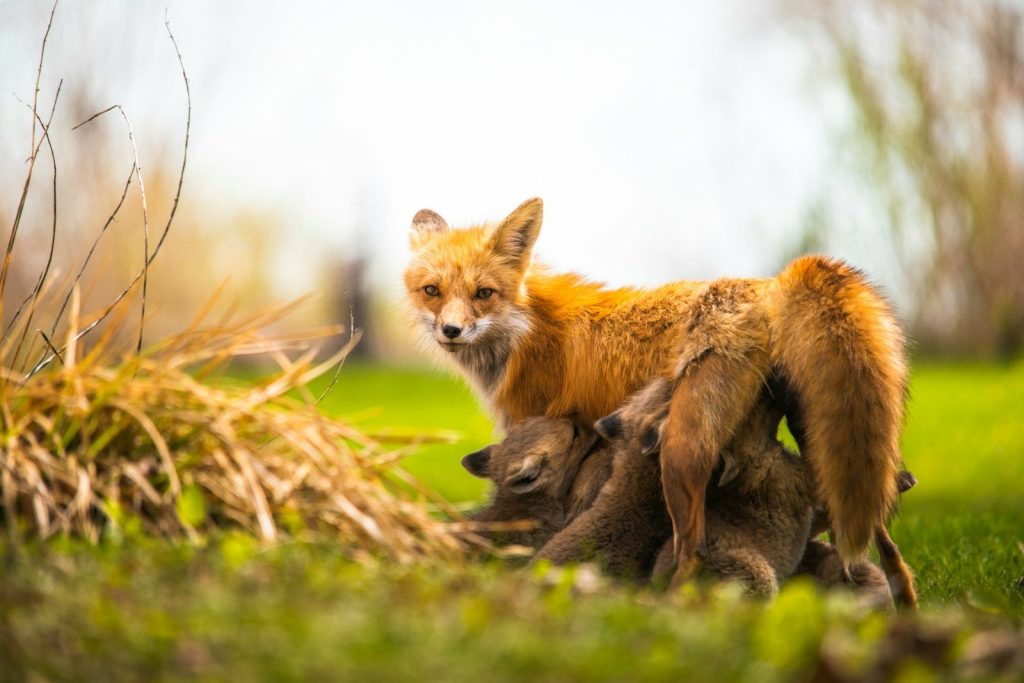
Red wolf pups are raised within a family group rather than left entirely to one parent. Smithsonian describes both parents caring for the young, with older offspring sometimes helping as well. Pups remain in a protected den during their earliest weeks and gradually begin exploring as they grow. Adults supply food, social experience, and protection while the pups develop. This cooperative family structure spreads the work of raising a litter across more than one animal and helps inexperienced young survive their first months.
Beavers
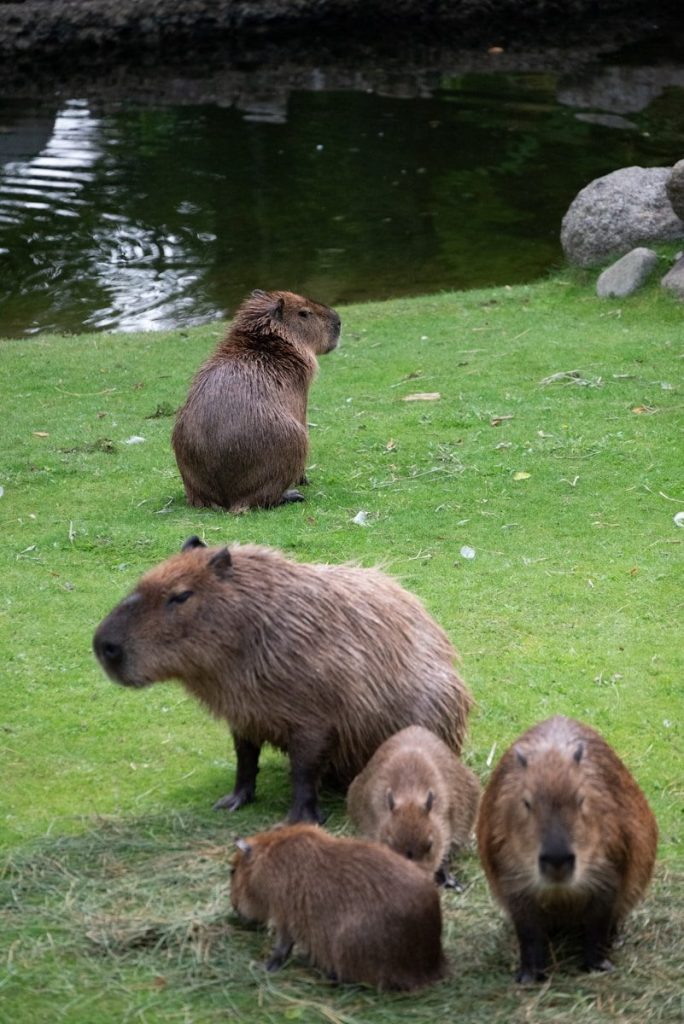
Beaver families provide extended care in a lodge-centered social group. Smithsonian notes that kits remain with their parents for about two years before dispersing, giving them time to grow and learn. Family members bring food, maintain the lodge, and live together through changing seasons. Newborn kits are relatively well developed, but they still depend on adults for milk, safety, and access to suitable habitat. The long family association lets young beavers learn the routines needed for an independent life in changing river systems.
Maned Wolves

Maned wolf pups depend heavily on parental care during their first months. Smithsonian has documented mothers keeping young pups sheltered in a den while they are still small and vulnerable. Fathers can also contribute by bringing food and interacting with growing offspring. The species is generally solitary outside the breeding context, which makes this temporary period of family care especially important. Pups must develop enough strength and coordination before they can move confidently through the tall grasslands where adult maned wolves spend much of their lives.
Manatees
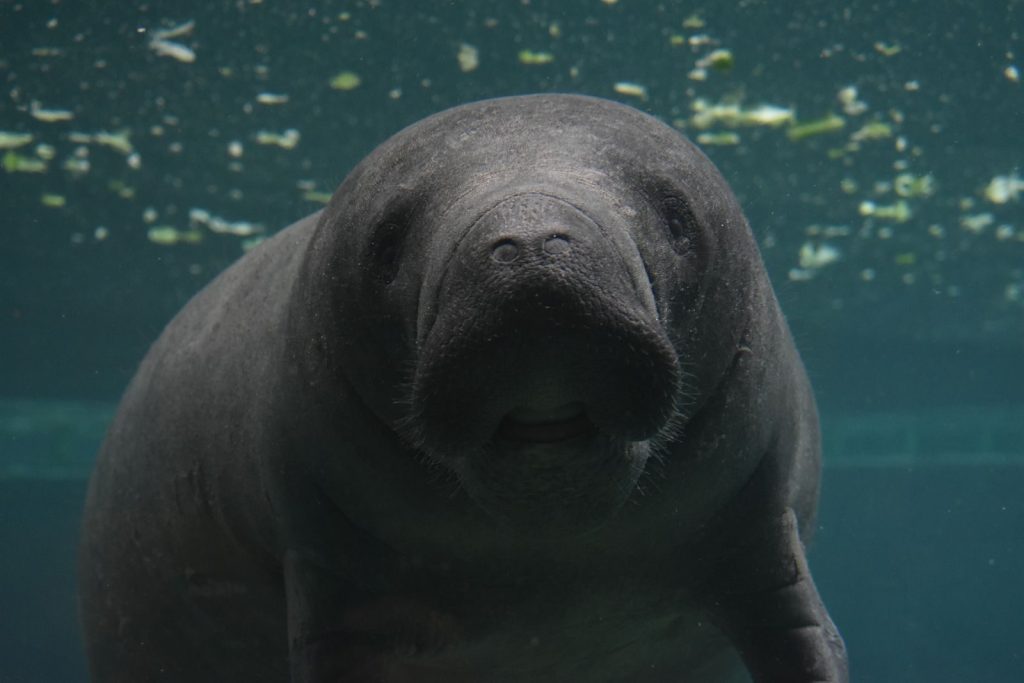
A manatee mother raises her calf without help from the male. San Diego Zoo notes that she helps the newborn reach the surface for its first breaths, an essential task for an aquatic mammal born underwater. The calf soon learns to swim but continues nursing for roughly 18 months while following its mother. During that long association, the youngster remains close enough to learn feeding areas and movement routes. Maternal investment is therefore measured in sustained guidance rather than dramatic nest defense.
Featured Image: Photo by Adnan Mirza on Unsplash